L'église Saint-Jean l'Évangéliste
Ce bâtiment est plus qu'une église ; c'est une forteresse avec sa propre source d'eau.
L'histoire complète se débloque dans le tour
 Scotch Mist / CC BY-SA 4.0, via Wikimedia Commons
Visite audio autoguidée de Paczków — parcours GPS à pied, lecture hors ligne, narration en 32 langues.
“Traversez la « Carcassonne polonaise », où les murs anciens racontent des histoires d'évêques, de sièges et une absence surprenante d'exécutions.”
Pas les cartes postales. Les histoires que même les habitants ignorent — soufflées à l'oreille, là où elles se sont passées.
Ce bâtiment est plus qu'une église ; c'est une forteresse avec sa propre source d'eau.
Une maison à colombages distinctive porte un passé sombre, mais ironique.
Ces formidables défenses médiévales doivent leur remarquable état de conservation à un concours de circonstances inattendu.
Découvrez tous les secrets de Paczków
Chaque adresse, chaque révélation en entier — dans ton oreille, là où elle s'est passée.
Tu choisis tes lieux. Tu marches. La voix te révèle ce que les autres ignorent.


Votre visite audioguidée de Paczków vous attend — choisissez vos lieux, votre langue, et lancez-vous dès votre arrivée.
AcheterLume intègre un guide en réalité augmentée. Levez votre téléphone : sa caméra montre la rue devant vous, avec une flèche lumineuse posée sur l'image réelle qui pointe toujours vers votre prochain arrêt — aucune carte à déchiffrer, aucun mauvais virage. Comme tout dans Lume, ça fonctionne entièrement hors-ligne.
Souvent surnommée la « Carcassonne polonaise », Paczków témoigne de l'architecture défensive médiévale dans la voïvodie d'Opole, au sud de la Pologne. Cette ville historique, avec une population d'environ 7 460 habitants, est célébrée pour ses fortifications du XIVe siècle remarquablement bien conservées, qui comprennent la quasi-totalité de son enceinte défensive, 19 de ses 24 tours originales et quatre tours-portes. Contrairement à son homonyme français, de nombreux bâtiments historiques de Paczków sont authentiques, et non des reconstructions du XIXe siècle.
Au-delà de ses imposants remparts, Paczków offre une place de marché captivante entourée de maisons de ville Renaissance, baroques et néoclassiques, dont certaines datent d'environ 1500. L'église fortifiée Saint-Jean l'Évangéliste, une structure gothique singulière, est également un monument emblématique, conçue pour offrir un refuge lors des invasions. L'atmosphère tranquille de petite ville de Paczków en fait une destination idéale pour les passionnés d'histoire désireux d'explorer le patrimoine culturel de la région silésienne loin des grands centres touristiques.
Désignée comme l'un des monuments historiques nationaux officiels de la Pologne, l'importance historique de Paczków est reconnue au plus haut niveau. Son emplacement stratégique le long d'une route médiévale reliant la Petite Pologne à la vallée de Kłodzko et à Prague souligne son importance historique en tant que forteresse frontalière.
## De forteresse frontalière à « Carcassonne polonaise » Les origines de Paczków remontent au 8 mars 1254, lorsque Tomasz I, l'évêque polonais de Wrocław, a officiellement fondé la ville. Initialement connue sous le nom de Bogunów, elle a été peuplée par des immigrants allemands et stratégiquement positionnée comme une forteresse frontalière pour l'évêché de Wrocław, protégeant sa frontière sud-ouest. Le nom de la ville a ensuite été adopté d'un ancien village voisin, qui est alors devenu « Vieux Paczków ».
Les premières fortifications vers 1300 consistaient en bois et en terre. Cependant, la nécessité de défenses plus solides est devenue évidente après qu'une unité armée a attaqué l'église en 1318, assassinant plusieurs personnes pendant un service. Entre 1341 et 1376, l'évêque Przecław de Pogorzela a ordonné la construction des premiers murs en pierre, qui ont probablement coexisté avec des remparts et des douves antérieurs.
## Périodes troubles et améliorations des fortifications Comme de nombreuses villes silésiennes, Paczków a traversé un Moyen Âge tardif tumultueux, marqué par la famine, les inondations, les incendies et des épidémies dévastatrices telles que la Peste noire et le choléra. En 1428, la ville a été capturée par les Hussites, entraînant une destruction significative de ses murs. Cela a conduit à un effort majeur de reconstruction des fortifications, en particulier avec l'introduction des armes à feu vers la fin du XVe siècle.
L'évêque Jan Turzo a initié une reconstruction durable des défenses de Paczków en 1514, qui s'est poursuivie jusqu'au milieu du XVIe siècle. Cette période a vu la création du système de murs, de portes et de tours qui subsiste en grande partie aujourd'hui. À l'origine, la ville avait trois portes : la porte de Wrocław (est), la porte de Kłodzko (ouest) et la porte de Ząbkowice Śląskie (sud). Une quatrième, la porte nord de Nysa, a été ajoutée dans la seconde moitié du XVIe siècle pendant une période de relative prospérité.
## Une église fortifiée et un héritage durable L'église gothique singulière Saint-Jean l'Évangéliste, dont la construction a commencé vers 1350 et a duré 30 ans, est également devenue une partie intégrante des défenses de la ville. En 1529, craignant une invasion turque, l'église a été adaptée en structure défensive, ses toits abaissés et dissimulés par un grenier en briques, et un puits creusé à l'intérieur pour les sièges prolongés. Cette adaptation architecturale lui a valu d'être reconnue comme l'une des églises fortifiées les plus impressionnantes de Pologne.
Paradoxalement, la stagnation économique de Paczków aux XVIIe et XVIIIe siècles a joué un rôle crucial dans la préservation de son caractère médiéval, car elle a empêché la destruction et la modernisation généralisées observées dans d'autres villes. Alors que certains murs extérieurs et les douves ont été nivelés au XIXe siècle – ces dernières devenant un parc urbain – l'enceinte intérieure des murs et la plupart de ses tours restent remarquablement intactes. Aujourd'hui, Paczków est un exemple rare et authentique de ville fortifiée médiévale, ce qui lui vaut son surnom de « Carcassonne polonaise ».
L'attrait principal de Paczków réside dans ses remparts médiévaux remarquablement préservés, ce qui lui a valu le surnom de « Carcassonne polonaise ». Vous pouvez vous promener le long de portions importantes de ces murs de pierre de 1 200 mètres de long, qui atteignent jusqu'à 9 mètres de hauteur et comportent 19 des 24 demi-tours originales. N'oubliez pas d'explorer les quatre impressionnantes tours-portes : Wrocław, Kłodzko, Ząbkowice et Nysa, chacune avec sa propre histoire.
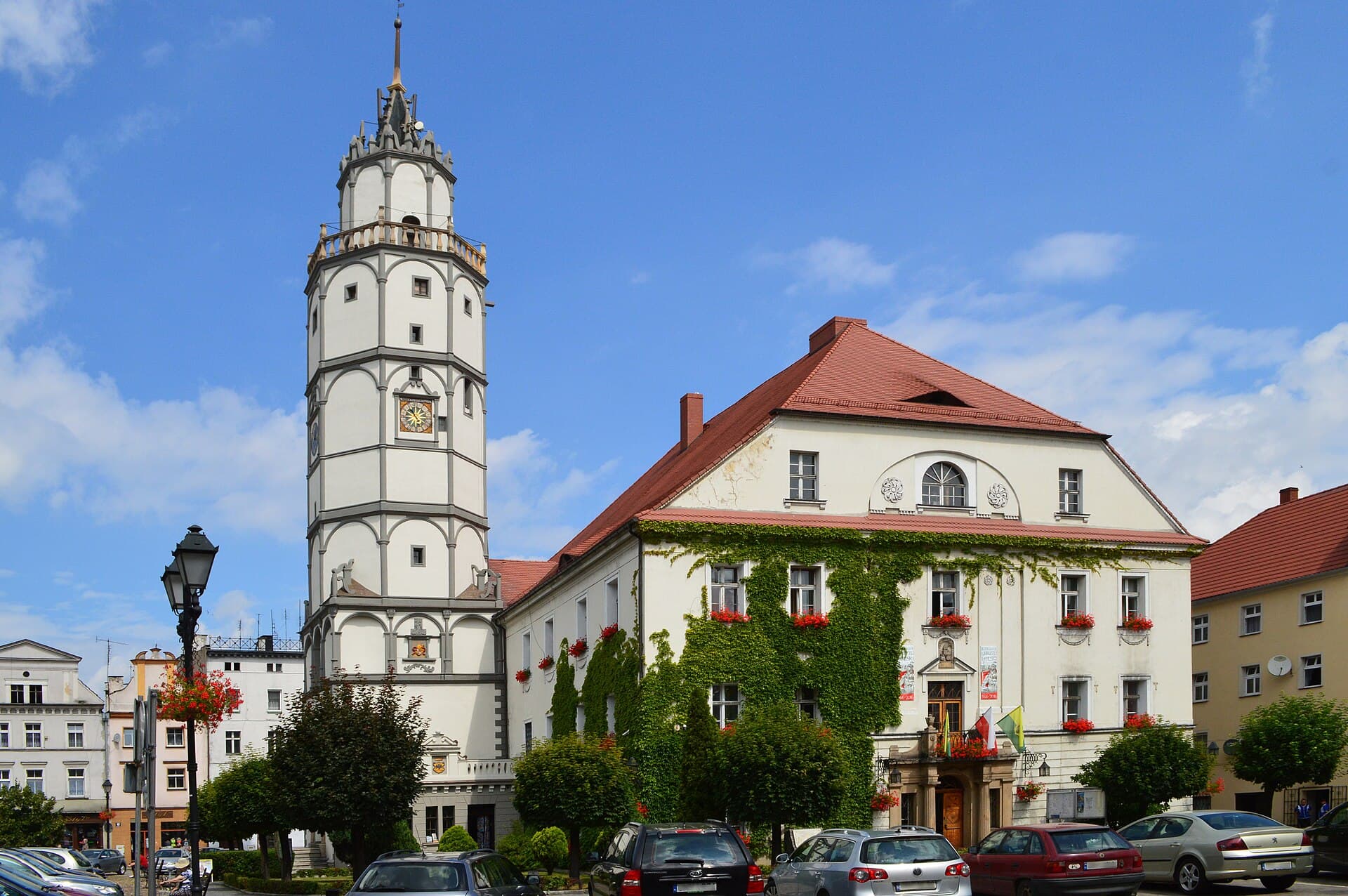
Au cœur de la ville se trouve la place du Marché, entourée de captivantes maisons de ville Renaissance, baroques et néoclassiques, dont certaines datent du XVIe siècle. L'hôtel de ville, avec sa distinctive tour Renaissance de 48 mètres de haut datant de 1552, est un monument central et offre des vues imprenables depuis son sommet accessible au public. À proximité, l'église fortifiée Saint-Jean l'Évangéliste est une étape incontournable. Cette église gothique, construite entre 1350 et 1380, a été conçue pour la défense et contient même un singulier « puits tatar » à l'intérieur.
Un autre lieu intrigant est la « Maison du Bourreau », un bâtiment à colombages près de la tour de Nysa, imprégné de légendes locales. Pour une expérience culturelle distinctive, visitez le Musée de l'Industrie du Gaz, qui abrite une collection complète de compteurs de gaz et d'appareils ménagers. Les anciennes douves entourant les murs ont été transformées en un agréable parc de loisirs, idéal pour une promenade tranquille.
La période optimale pour visiter Paczków pour les activités par temps chaud et les visites en plein air s'étend de fin juin à fin août. Pendant ces mois d'été, les températures sont confortables, avec des maximales moyennes d'environ 23-25°C (74-77°F) et des minimales d'environ 13°C (55-56°F). Le ciel est souvent le plus clair en août, ce qui est idéal pour explorer les murs médiévaux et la vieille ville.
Le printemps (mai à juin) et le début de l'automne (septembre à octobre) offrent également un temps agréable, avec des températures douces et moins de monde, ce qui en fait d'excellents choix pour ceux qui recherchent une visite plus tranquille. Bien que l'hiver puisse être très froid et enneigé, l'architecture historique de la ville sous un manteau de neige offre une expérience saisissante, bien que calme.
Paczków est une ville compacte, et ses principales attractions peuvent être explorées en quelques heures. Bien que les options de transport en commun soient limitées par rapport aux grandes villes polonaises, sa petite taille la rend facilement praticable à pied. La ville a une atmosphère calme avec moins d'équipements touristiques que les grands centres, alors planifiez en conséquence.
Pour l'hébergement, envisagez de vérifier les options à Paczków même ou dans le comté voisin de Nysa. Les options de restauration seront probablement des restaurants locaux sur la place de la ville. La monnaie locale est le Złoty polonais (PLN). Paczków est située à environ 1 heure et 40 minutes de route de Wrocław, ce qui en fait une excursion d'une journée réalisable depuis cette grande ville. Pour ceux qui souhaitent explorer la région environnante, Paczków est proche de la frontière tchèque et offre un accès à des zones pittoresques de la région d'Opole, avec des possibilités de randonnée et de cyclisme.
Paczków en coréen, en chinois ou en hébreu — et dans 29 autres langues, chaque étape narrée par une voix native. La plus large gamme de langues de tous les audioguides autoguidés.
Disponible en :