Igreja de Santa Maria
Las ruinas de una iglesia dentro de las murallas del castillo tienen una base más profunda.
La historia completa se desbloquea en el tour
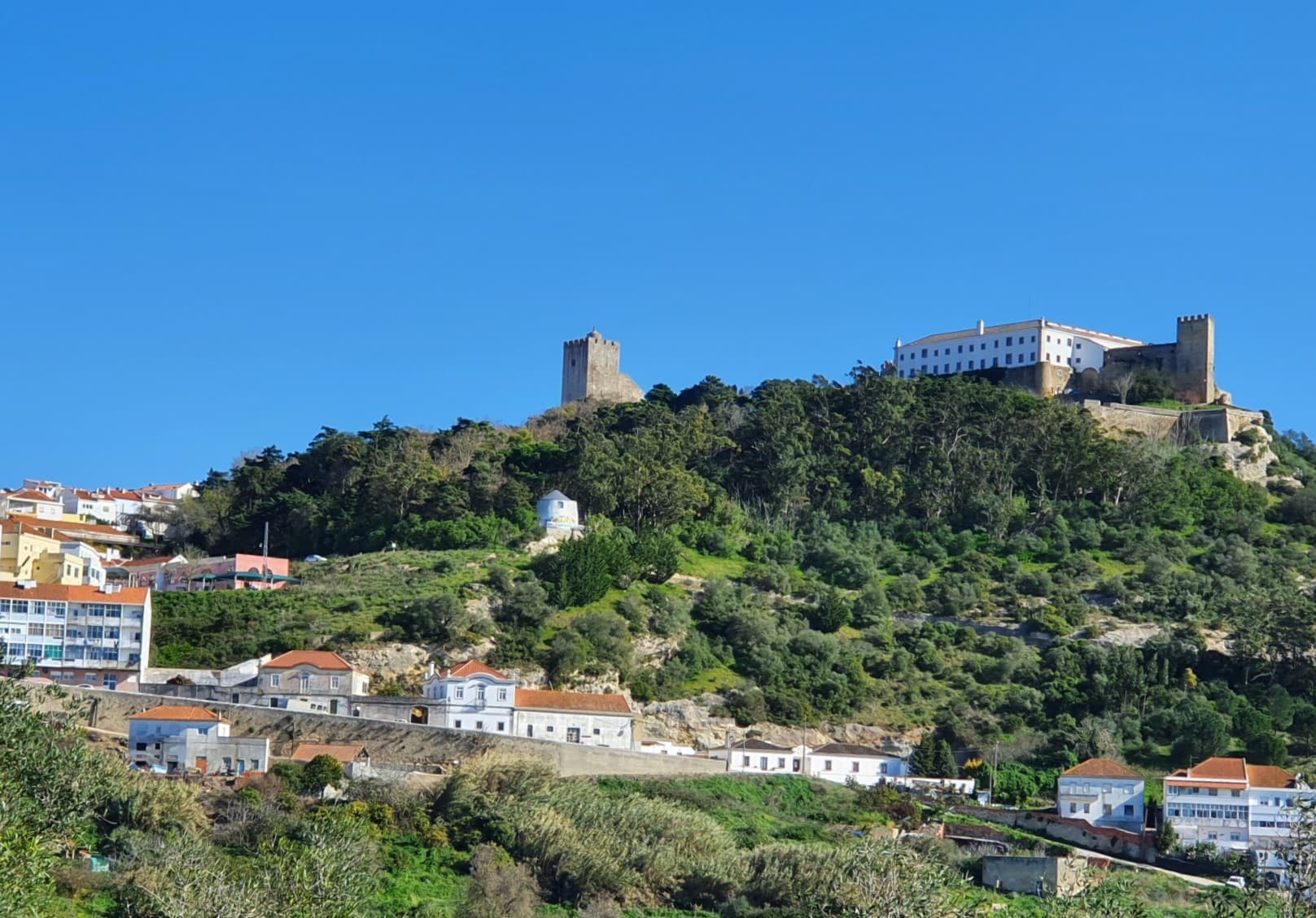 GualdimG / CC BY-SA 4.0, via Wikimedia Commons
Tour de audio autoguiado de Palmela — ruta GPS a pie, reproducción offline, narración en 32 idiomas.
“Donde muros ancestrales resuenan historias de caballeros, reyes y viticultores.”
No las postales. Las historias que ni los locales conocen — al oído, justo donde ocurrieron.
Las ruinas de una iglesia dentro de las murallas del castillo tienen una base más profunda.
Observe de cerca los azulejos de la Igreja de Santiago para vislumbrar su pasado.
El Ayuntamiento de Palmela tiene una sorprendente vida anterior y un secreto real.
Descubre todos los secretos de Palmela
Cada dirección, cada revelación al completo — a tu oído, justo donde ocurrió.
Eliges tus paradas. Caminas. La voz te revela lo que los demás ignoran.


Tu tour de audioguía por Palmela te espera — elige tus lugares, tu idioma y empieza al llegar.
ComprarLume incluye una guía de realidad aumentada. Levanta el móvil y su cámara muestra la calle que tienes delante, con una flecha luminosa sobre la imagen real que siempre apunta a tu próxima parada — sin mapas que descifrar, sin giros equivocados. Como todo en Lume, funciona completamente sin conexión.
Situada en uno de los puntos más altos de la Serra da Arrábida, Palmela ofrece una presencia imponente sobre el paisaje portugués. Esta histórica ciudad, ubicada en el Distrito de Setúbal, es una cautivadora mezcla de patrimonio antiguo, tradición vitivinícola y una belleza natural impresionante. A poca distancia en coche al sur de Lisboa, Palmela ofrece un escape tranquilo con vistas expansivas que se extienden desde los ríos Tajo y Sado hasta las distantes montañas de Arrábida y, en días despejados, incluso las colinas de Sintra.
En su corazón se alza el imponente Castillo de Palmela, un monumento nacional cuyas murallas han sido testigos de siglos de conquistas y cambios. Más allá de sus formidables defensas, la ciudad es celebrada por sus excepcionales vinos, particularmente los de la Península de Setúbal, lo que la convierte en un destino encantador para los entusiastas del vino. Palmela te invita a explorar sus sinuosas callejuelas, adentrarte en su pasado en capas y saborear los sabores de una región profundamente arraigada en la tradición.
Ya sea que te atraiga el encanto de la historia medieval, la promesa de exquisitos vinos locales o el deseo de vistas panorámicas, Palmela ofrece una experiencia portuguesa rica y auténtica. Es un lugar donde cada giro revela una historia y cada mirador ofrece un momento de tranquila contemplación.
## De Puesto Avanzado Romano a Fortaleza Caballeresca Los orígenes de Palmela se remontan a tiempos prehistóricos, con evidencia arqueológica de ocupación humana que data del Neolítico. Algunos estudiosos incluso sugieren que un asentamiento fue fundado aquí ya en el 310 a.C. por un pretor romano llamado Áulio Cornelius Palma, de quien se cree que la ciudad deriva su nombre. Los romanos reconocieron la importancia estratégica del sitio, fortificándolo en el 106 d.C. Después de los romanos, los visigodos ocuparon el castillo, pero fueron los moros, entre los siglos VIII y IX, quienes expandieron y fortificaron significativamente la estructura, convirtiéndola en una formidable fortaleza.
## La Reconquista Cristiana y la Orden de Santiago Palmela jugó un papel crucial durante la Reconquista Cristiana de Portugal. Fue capturada por primera vez por el primer rey de Portugal, D. Afonso Henriques, en 1147, el mismo año en que cayó Lisboa. Sin embargo, el castillo cambió de manos varias veces, soportando varios ataques moros antes de que el control cristiano se consolidara finalmente bajo D. Sancho II entre 1223 y 1248. En reconocimiento a su ayuda en la reconquista, D. Afonso Henriques otorgó las tierras de Palmela, junto con Almada y Alcácer, a los Caballeros de la Orden de Santiago (São Tiago de Espada), confiándoles su defensa y asentamiento.
## Un Convento, un Terremoto y una Pousada Desde 1443 hasta la abolición de las órdenes religiosas en 1834, el Castillo de Palmela sirvió como cuartel general de la Orden Religiosa y Militar de los Caballeros de Santiago de la Espada. Durante el siglo XV, el rey João I inició proyectos de restauración, incluida la construcción de un convento dentro de las murallas del castillo. Al igual que gran parte de la región de Lisboa, el Castillo de Palmela sufrió daños durante el devastador terremoto de 1755. Después de la abolición de los monasterios, los militares se hicieron cargo del castillo, utilizándolo como centro de telecomunicaciones hasta bien entrado el siglo XX. Hoy en día, el antiguo convento dentro del castillo ha sido bellamente restaurado y transformado en una Pousada, un hotel de lujo histórico, lo que permite a los visitantes experimentar su pasado legendario de primera mano.
El punto culminante indiscutible de Palmela es su imponente Castelo de Palmela. La entrada es gratuita, lo que le permite pasear por los terrenos, subir a la torre para disfrutar de amplias vistas panorámicas de la Serra da Arrábida, el estuario del Sado e incluso Lisboa en un día despejado. Dentro de las murallas del castillo, explore las ruinas de la Igreja de Santa Maria, que se cree que fue construida sobre una antigua mezquita, y la Igreja de Santiago, con sus arcos imponentes y restos de azulejos del siglo XVII. No se pierda el pequeño museo dentro del castillo, que exhibe artefactos de la época medieval y exhibiciones sobre su uso posterior como centro de telecomunicaciones militares.
Más allá del castillo, explore el encantador centro histórico de Palmela con sus calles estrechas y tradicionales. Visite la Igreja de São Pedro, una iglesia del siglo XVI adornada con paneles de azulejos del siglo XVIII que representan la vida de San Pedro. El Paços do Concelho, el ayuntamiento, es un edificio del siglo XVI con una larga historia. Para los entusiastas del vino, la Casa Mãe da Rota dos Vinhos (Casa Madre de la Ruta del Vino) es una parada esencial, que ofrece información sobre los vinos locales y degustaciones.
Los amantes de la naturaleza apreciarán la proximidad de Palmela al Parque Natural da Arrábida y la Reserva Natural del Estuario del Sado. Considere una visita a la Serra do Louro para ver sus históricos molinos de viento. Para una experiencia cultural única, el Museo de Música Mecánica en Pinhal Novo alberga una impresionante colección de instrumentos musicales antiguos.
Las mejores épocas para visitar Palmela son durante las temporadas intermedias de primavera (marzo a mayo) y otoño (septiembre a octubre). Durante estos meses, el clima es templado y agradable, perfecto para explorar el castillo y los viñedos sin el intenso calor o las multitudes del verano. El otoño, especialmente septiembre, es particularmente atractivo ya que coincide con la Festa das Vindimas (Fiesta de la Vendimia), una animada celebración de las tradiciones vitivinícolas de Palmela. Los veranos (junio-agosto) son cálidos e ideales para actividades al aire libre, pero espere mayores multitudes y temperaturas más altas. Los inviernos (noviembre-febrero) son más frescos y húmedos, pero ofrecen una experiencia tranquila con menos turistas y oportunidades para buenas ofertas en alojamiento.
Palmela se encuentra en el Distrito de Setúbal, aproximadamente a 40 minutos al sureste de Lisboa. Si conduce, tome la autopista A2. Hay aparcamiento disponible cerca del castillo. Para aquellos sin coche, existen opciones de transporte público, aunque un coche ofrece más flexibilidad para explorar la región en general.
Dentro de Palmela, el centro histórico y el castillo se exploran mejor a pie. Use zapatos cómodos ya que hay pendientes y calles empedradas. La moneda oficial es el Euro (€). Si bien muchos lugares aceptan tarjetas, siempre es aconsejable llevar algo de efectivo para compras más pequeñas. La mayoría de las exhibiciones en el museo del castillo están en portugués, por lo que una aplicación de traducción puede ser útil.
Para alojamiento, considere alojarse en la Pousada Castelo de Palmela, un hotel de 4 estrellas ubicado dentro de las murallas del castillo, que ofrece una experiencia histórica única y vistas impresionantes. También hay varios restaurantes y cafeterías locales en la ciudad donde puede probar platos tradicionales portugueses y, por supuesto, los vinos locales.
Palmela en coreano, en chino o en hebreo — y 29 idiomas más, cada parada narrada por una voz nativa. La mayor variedad de idiomas de cualquier audioguía autoguiada.
Disponible en: