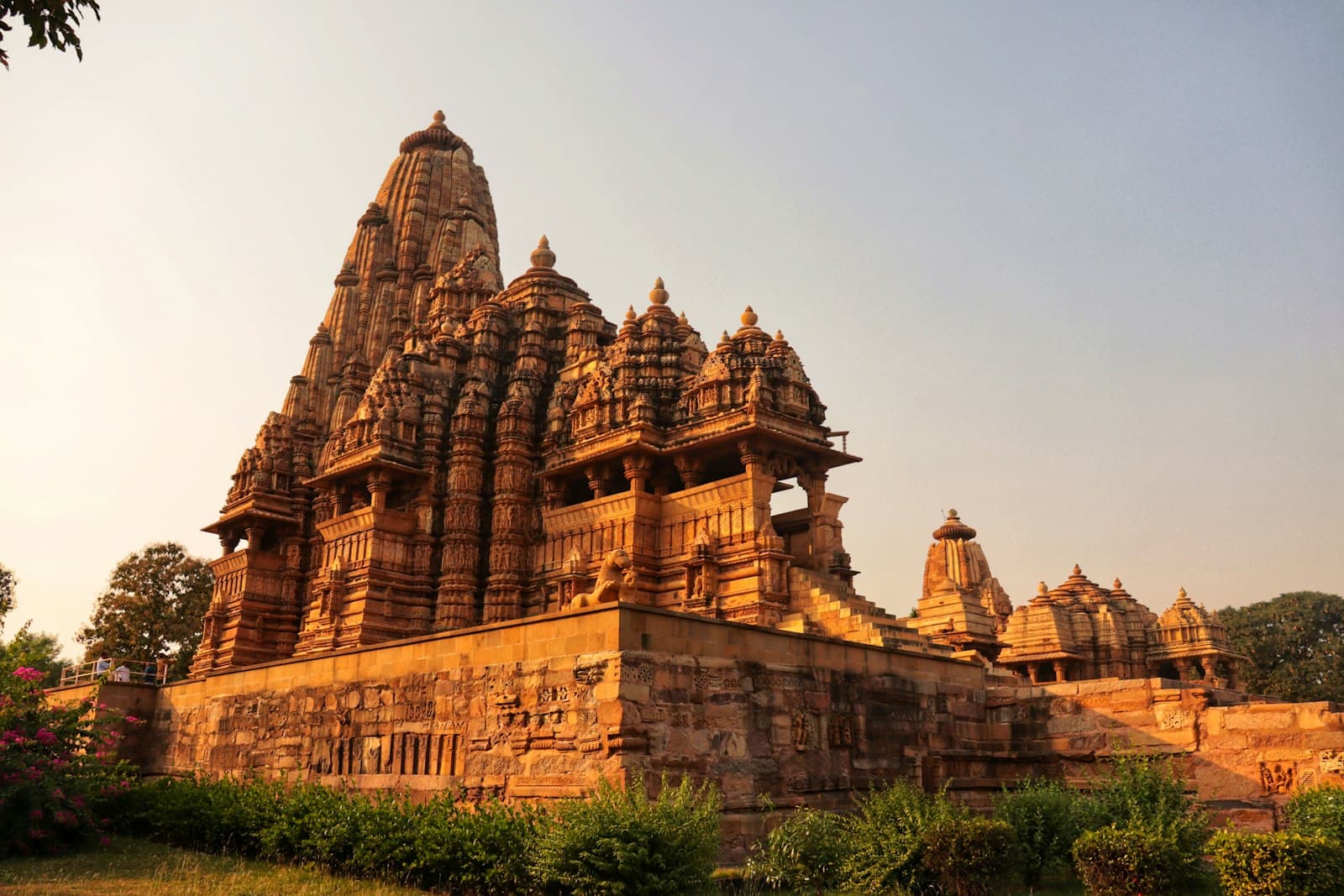
Świątynia Kandariya Mahadeva
Najwspanialsza świątynia w Khajuraho skrywa sekret w swojej wzniosłej architekturze.
Pełna historia odblokowuje się w wycieczce
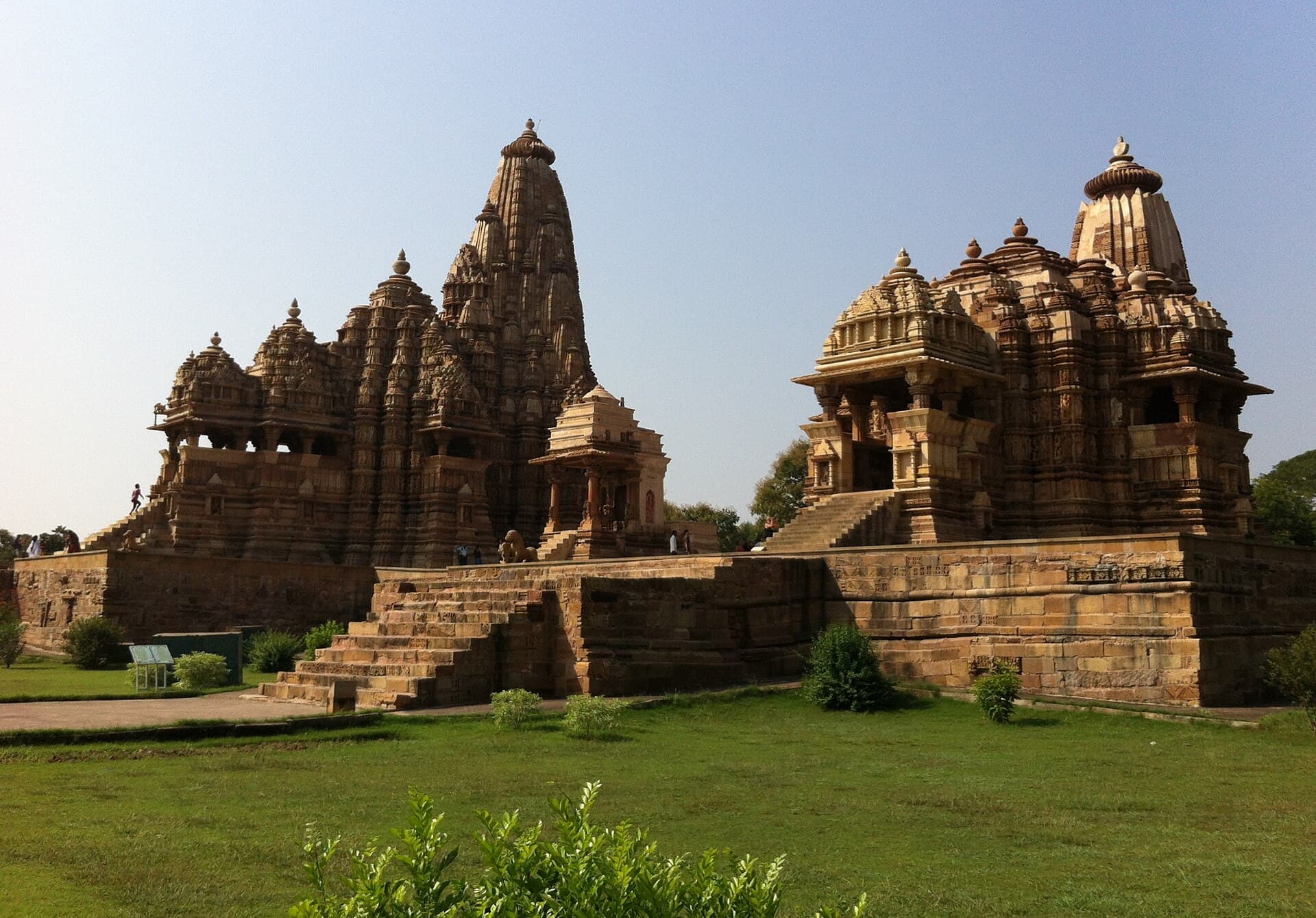 PLBechly / CC BY-SA 4.0, via Wikimedia Commons
Samodzielna audio-wycieczka po Khajuraho — trasa GPS pieszo, odtwarzanie offline, wciągająca narracja w 32 językach.
“Where ancient stones recount devotion and earthly delight.”
Nie pocztówki. Historie, których nawet miejscowi nie znają — szeptane do ucha, dokładnie tam, gdzie się wydarzyły.
Najwspanialsza świątynia w Khajuraho skrywa sekret w swojej wzniosłej architekturze.
Jedna świątynia w Grupie Południowej wyróżnia się nie tylko swoim położeniem.
Nawet miejsce przyjazdu do Khajuraho stanowi subtelną zapowiedź tego, co czeka.
Odkryj każdy sekret Khajuraho
Każdy adres, każde pełne odkrycie — w Twoim uchu, dokładnie tam, gdzie się wydarzyło.
Ty wybierasz przystanki. Ty spacerujesz. Głos ujawnia to, co inni przegapiają.
Twój samodzielny audioprzewodnik po Khajuraho jest gotowy — wybierz swoje punkty orientacyjne, wybierz język i rozpocznij w momencie przybycia.
KupLume ma wbudowanego przewodnika w rozszerzonej rzeczywistości. Unieś telefon: kamera pokazuje ulicę przed tobą, a na rzeczywistym obrazie świeci strzałka, która zawsze wskazuje twój następny przystanek — bez rozszyfrowywania mapy, bez błędnych skrętów. Jak wszystko w Lume, działa całkowicie offline.
Khajuraho, a UNESCO World Heritage Site in Madhya Pradesh, India, is celebrated for its extraordinary collection of Hindu and Jain temples. These architectural wonders, erected by the Chandela dynasty between 950 CE and 1050 CE, exemplify the Nagara style of temple building, marked by lofty shikharas (spires) and detailed carvings. While often noted for their erotic sculptures, these represent only about 10% of the total artwork, portraying a broader spectrum of existence, both worldly and spiritual.
Originally, historical accounts suggest 85 temples spanned 20 square kilometers by the 12th century. Today, approximately 25 temples endure, spread across six square kilometers, organized into three primary clusters: Western, Eastern, and Southern. Khajuraho stands as a testament to the Chandela civilization's artistic brilliance and a tradition of religious tolerance, with temples dedicated to both Hinduism and Jainism.
The story of Khajuraho is inextricably woven with the influential Chandela dynasty, who governed the Bundelkhand region of Madhya Pradesh from the 9th to the 11th century CE. Construction of these monuments commenced almost immediately after the Chandelas assumed power. Most temples were erected between 950 CE and 1050 CE, with significant contributions during the reigns of Hindu kings Yashovarman and Dhanga.
Yashovarman's enduring legacy is vividly displayed in the Lakshmana Temple, while the Vishvanatha Temple underscores King Dhanga's period. The grandest and most revered surviving temple, the Kandariya Mahadeva, was constructed under the rule of King Vidyadhara. The temples were not the singular vision of one monarch; rather, each Chandela ruler from 900 CE onward is believed to have contributed to the complex.
The Khajuraho temples are considered among the finest examples of Nagara-style Hindu temple architecture in northern India. This style is characterized by its tall, tapering shikharas resembling mountain peaks and structures built upon elevated platforms called jagati. The architectural arrangement frequently mirrors spiritual symbolism, with a gradual progression of connected sections—an entrance porch (ardha mandapa), a hall (mandapa), a great hall (maha mandapa), a foyer (antarala), and finally the main sanctum (garbhagriha). This sequence symbolizes a spiritual journey from the external world to inner illumination.
Beyond their structural design, the temples are adorned with a profusion of elaborate carvings and sculptures. These depict various facets of life, including divine figures, animals, and human endeavors. While the erotic sculptures are widely recognized, they represent only a fraction of the total artwork and are often viewed out of context.
Following the Chandela dynasty's decline and the subsequent dominion of various Muslim dynasties from the 13th to the 18th century, some temples suffered desecration, and many fell into disrepair. Khajuraho's remoteness and isolation, however, shielded many of the Hindu and Jain temples from complete destruction. Over centuries, vegetation and forests reclaimed the site, and the temples were largely forgotten until their rediscovery in 1838 by British surveyor T.S. Burt. Today, Khajuraho is a UNESCO World Heritage Site, celebrated for its exceptional architecture and its enduring testimony to the Chandela civilization.
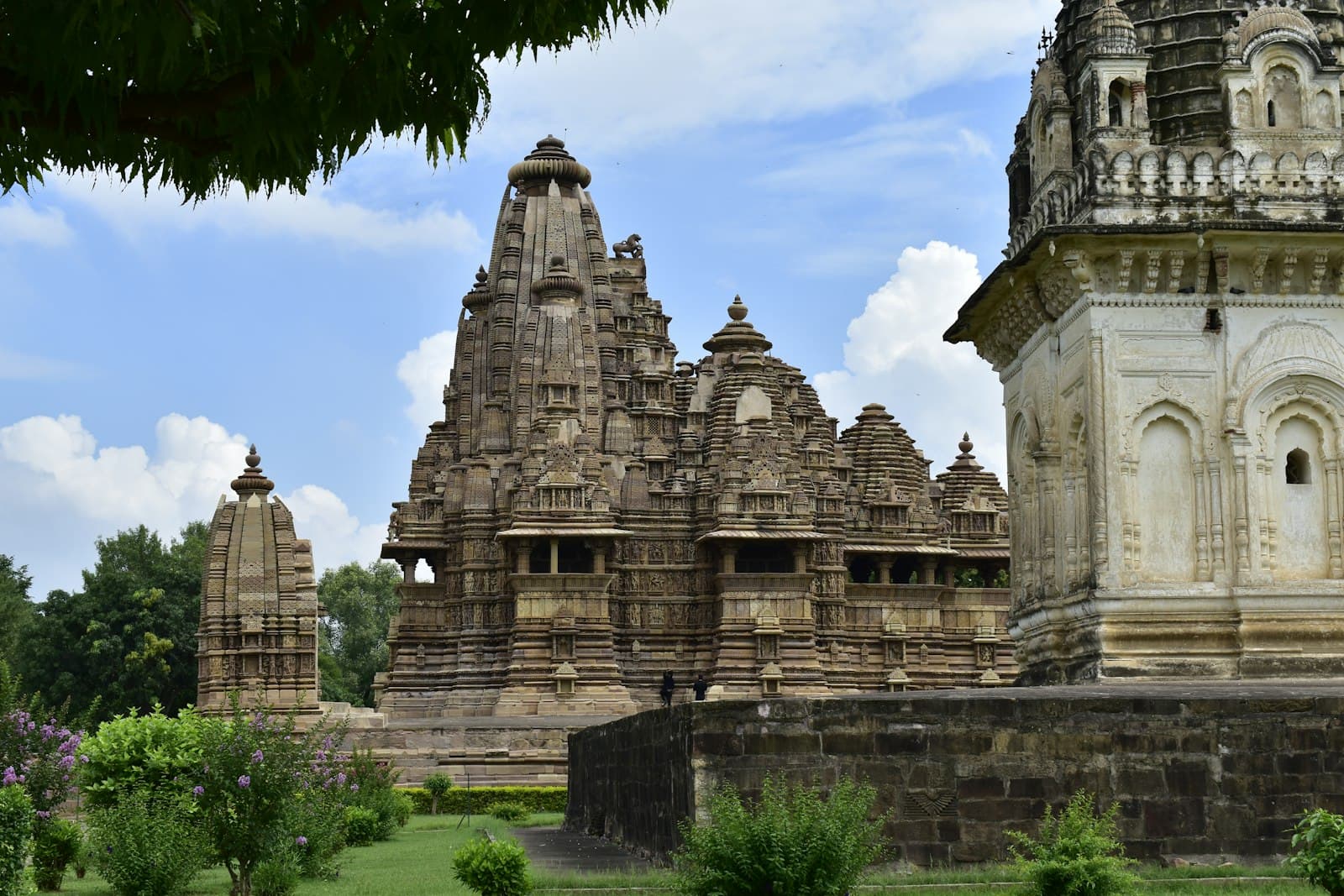
Khajuraho's temples are categorized into three clusters: Western, Eastern, and Southern. The Western Group is the most concentrated and well-preserved, featuring some of the most emblematic structures. Here, you will encounter the majestic Kandariya Mahadeva Temple, the largest and most intricate, dedicated to Lord Shiva. Nearby stands the Lakshmana Temple, one of the oldest and best-preserved, devoted to Vishnu, with elaborate carvings portraying Hindu deities and creatures. Other significant temples in this cluster include the Vishvanatha Temple and the Devi Jagadambi Temple.
The Eastern Group of temples, dispersed within and around the old village, encompasses several Hindu and Jain temples. Among these, the Parsvanath Temple, the largest Jain temple, and the Adinath Temple, dedicated to the first Jain Tirthankar, are particularly noteworthy. The Southern Group, situated a little further afield, comprises fewer temples, including the Dulhadeo Temple, dedicated to Lord Shiva, and the Chaturbhuj Temple, which houses a striking nine-foot-tall sculpture of Lord Vishnu.
Beyond the temples, consider a visit to the Tribal and Folk Art Museum for insights into local cultures. In the evenings, the Light and Sound Show at the Western Group of Temples offers a compelling narrative of Khajuraho's past.
The ideal time to experience Khajuraho is during the cooler months, from October to February. The climate during this period is dry and mild, with morning temperatures dipping to around 4°C but offering pleasant afternoons, perfect for exploring the outdoor temple complexes. March can also serve as a favorable shoulder season. The Khajuraho Dance Festival, a week-long classical Indian dance event, occurs annually in February against the backdrop of the Western Group temples, providing a distinctive cultural encounter.
Summers, from April to June, bring extreme heat, with temperatures reaching up to 47°C, making outdoor exploration uncomfortable and potentially dehydrating. While the monsoon season (July to September) ushers in verdant landscapes and cooler temperatures, humidity remains high, and heavy rains can sometimes flood thoroughfares, posing challenges for some outdoor activities.
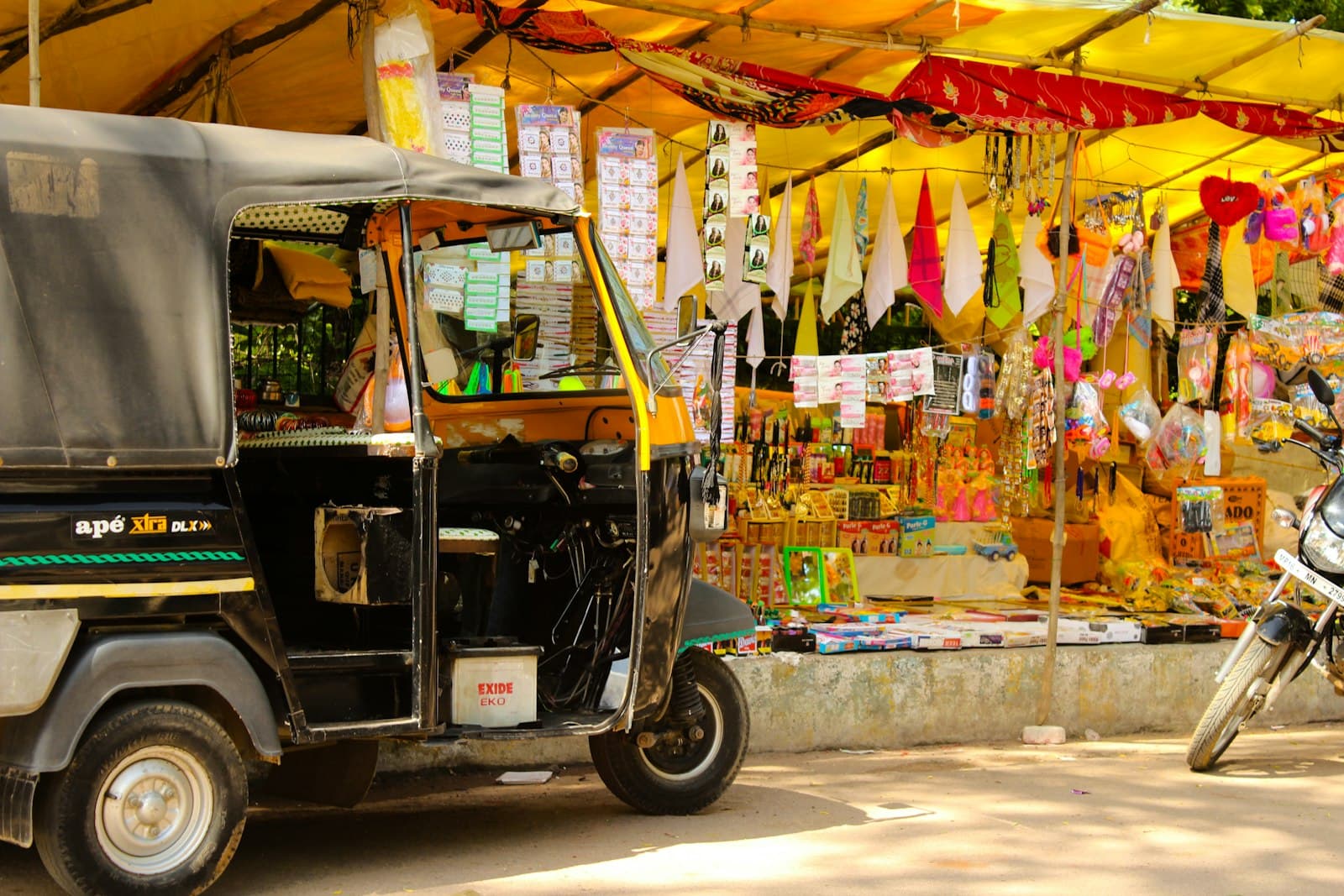
Khajuraho is accessible by air, rail, and road. Khajuraho Airport (HJR) offers direct flights to Delhi and Varanasi, situated approximately 3 km from the city center. Khajuraho also possesses its own railway station (KURJ), connecting to major cities such as Delhi, Agra, Jaipur, Udaipur, Kanpur, and Varanasi. The railway station is about 5 km from the Western Temples. Taxis and auto-rickshaws are readily available from both the airport and railway station. For navigating the temples and experiencing local village life, renting a bicycle is a popular and economical choice.
Entry to the Western Group of Temples requires a ticket: ₹40 for Indian citizens and ₹600 for foreign nationals, with free entry for children under 15. The Eastern and Southern Group temples generally have separate or nominal fees, depending on the specific location. The Light and Sound Show at the Western Group has a distinct ticket fee of ₹250 for Indians and ₹700 for foreigners. The Archaeological Museum near the Western Group operates from 8 am to 5 pm, remaining closed on Fridays.
Khajuraho in koreański, in chiński or in hebrajski — and 29 more languages, every stop narrated by a native voice. The widest language range of any self-guided audio tour.
Available in: