Huis van Albert Einstein
De meest gerenommeerde natuurkundige ter wereld woonde in een ingetogen woning in Princeton, en hij had een specifieke wens met betrekking tot de toekomst ervan.
Volledig verhaal ontgrendeld in de tour
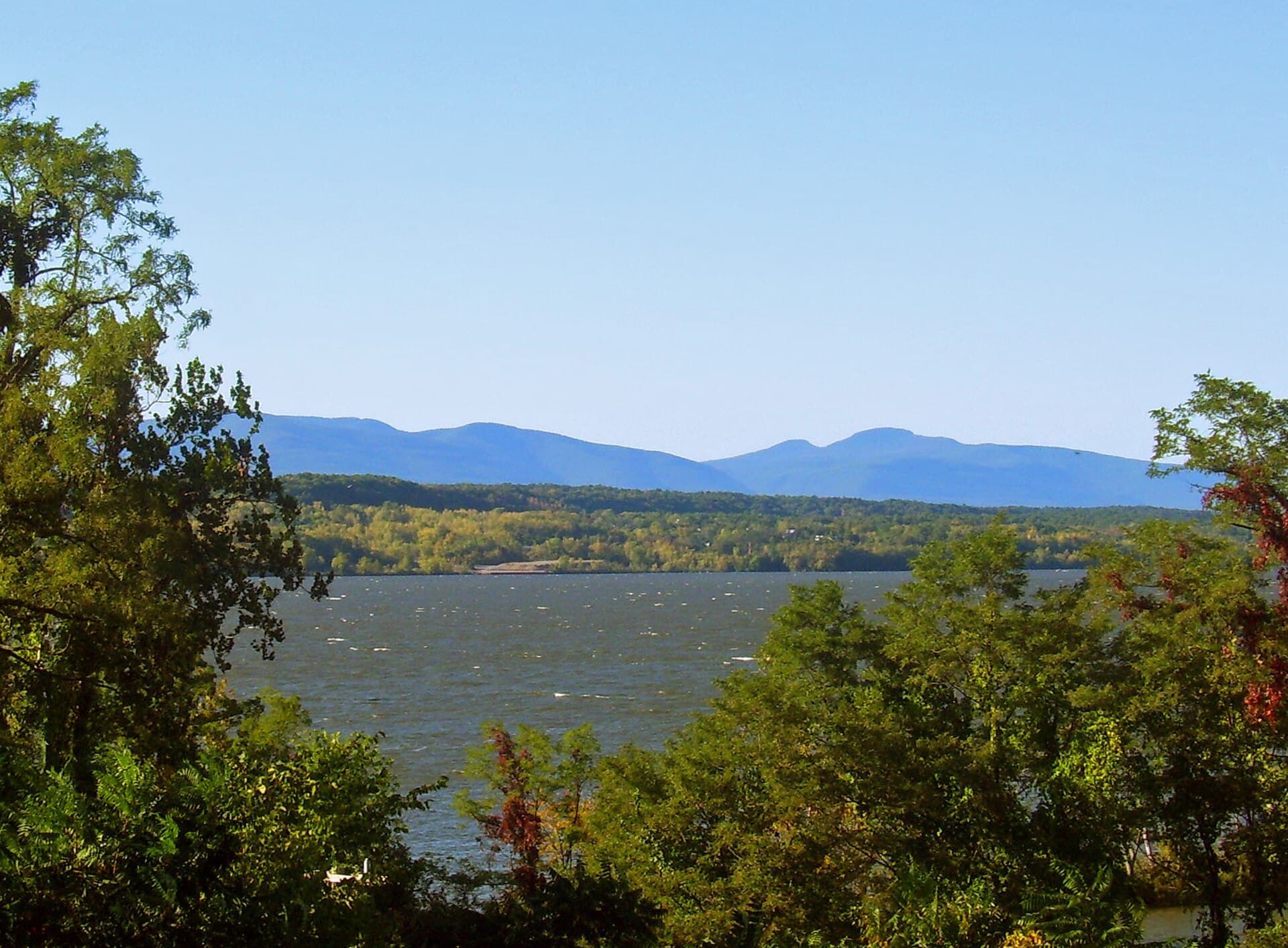 Photo of Atlantic City, via Wikimedia Commons
Zelfgeleide audiowandeling door Princeton — GPS-route, offline afspelen, meeslepende vertelling in 32 talen.
“Waar revolutionaire ijver academische bezigheden ontmoet, en rustige steegjes onverwachte verhalen onthullen.”
Niet de ansichtkaarten. De verhalen die zelfs locals niet kennen — gefluisterd in je oor, precies waar ze gebeurden.
De meest gerenommeerde natuurkundige ter wereld woonde in een ingetogen woning in Princeton, en hij had een specifieke wens met betrekking tot de toekomst ervan.
Deze duurzame instellingen vormen de kern van het sociale leven voor ouderejaarsstudenten, maar hun oorsprong was veel praktischer dan ceremonieel.
Dit iconische universiteitsgebouw speelde een cruciale, zij het korte, rol in de prille dagen van de Amerikaanse regering.
Ontdek elk geheim van Princeton
Elk adres, elke onthulling volledig — in je oor, precies waar het gebeurde.
Jij kiest je stops. Jij wandelt. De stem onthult wat de anderen missen.
Je zelfgeleide audiotour van Princeton is klaar — kies je bezienswaardigheden, kies je taal en start zodra je aankomt.
KopenLume heeft een ingebouwde augmented-reality-gids. Houd je telefoon omhoog: de camera toont de straat voor je, met een oplichtende pijl over het echte beeld die altijd naar je volgende stop wijst — geen kaart om uit te puzzelen, geen verkeerde afslagen. Zoals alles in Lume werkt het volledig offline.
Princeton, New Jersey, is een stad waar de elegantie van koloniale architectuur verweven is met een diepgaande intellectuele sfeer, grotendeels gevormd door zijn gerespecteerde universiteit. De lanen zijn versierd met gebouwen van historisch belang en volwassen bomen, wat een omgeving creëert die zowel onderscheiden als gastvrij aanvoelt. Naast academische inspanningen biedt Princeton een breed scala aan culturele ervaringen, van veelgeprezen optredens tot diverse culinaire aanbiedingen. Het is een plek die enkele van de meest invloedrijke denkers uit de geschiedenis heeft aangetrokken, wier aanhoudende aanwezigheid een bijna tastbaar gevoel van gewicht geeft aan de ingetogen gratie van de stad.
Bij het wandelen door Princeton ontmoet u een mix van studenten, docenten en langdurige inwoners, die elk bijdragen aan zijn unieke karakter. Het stadscentrum, vooral rond Palmer Square, dient als een centraal punt voor winkelen, dineren en gemeenschapsbijeenkomsten. Of u nu de uitgestrekte universiteitsterreinen verkent of duikt in de verhalen van de stad uit de Revolutionaire Oorlog, Princeton biedt een onderscheidende reis die onhaastige ontdekking beloont.
Het verhaal van Princeton begint in 1746 met de oprichting van de College of New Jersey in Elizabeth, New Jersey. Het verhuisde in 1747 naar Newark voordat het in 1756 zijn permanente thuis vond in Princeton, na de voltooiing van Nassau Hall. De hogeschool werd opgericht tijdens de Grote Ontwaking, een religieuze opleving, met als doel geestelijken op te leiden.
De stad en haar opkomende hogeschool speelden een belangrijke rol in de Amerikaanse Revolutie. De Slag bij Princeton in januari 1777 zag de troepen van George Washington een vitale overwinning behalen tegen de Britten, waarbij de laatste fasen van het gevecht op de universiteitscampus werden uitgevochten. Na de oorlog fungeerde Nassau Hall kortstondig als de hoofdstad van de Verenigde Staten in 1783, waar het Continentale Congres werd gehuisvest.
Gedurende de 19e eeuw breidde de hogeschool haar curriculum en faculteit uit, en in 1896 werd het officieel omgedoopt tot Princeton University. Begin 20e eeuw bracht verdere ontwikkeling onder presidenten zoals Woodrow Wilson, een alumnus die ook doceerde en als president van de universiteit diende voordat hij Amerikaans president werd.
Princeton werd ook een toevluchtsoord voor intellectuele reuzen buiten de universiteit. Albert Einstein verhuisde bijvoorbeeld in 1935 naar Princeton en woonde daar tot zijn dood in 1955, werkzaam bij het Institute for Advanced Study. De stad onderging ook een verschuiving in haar sociale landschap; hoewel fraternities in 1855 werden verboden, ontstonden eetclubs als een dominante sociale invloed voor studenten. De universiteit werd in 1969 co-educatief, wat haar studentenpopulatie en cultuur verder diversifieerde.
Vandaag de dag blijft Princeton zich ontwikkelen, waarbij het zijn verleden omarmt en tegelijkertijd de toekomst tegemoet treedt. In 2020 verwijderde de universiteit bijvoorbeeld de naam van Woodrow Wilson van haar school voor openbaar beleid en een residentiële college vanwege zijn steun voor racistische praktijken. De stad blijft een centrum van intellectueel onderzoek, historisch belang en een levendige gemeenschapsgeest.
Begin uw verkenning bij Princeton University, een uitgestrekte campus die op zichzelf al een bestemming is. Wandel door de historische terreinen en bewonder de architectuur van Nassau Hall, dat ooit het Continentale Congres huisvestte. Bezoek de Princeton University Chapel, een groots gebouw voltooid in 1928. Het Princeton University Art Museum herbergt een collectie van meer dan 72.000 kunstwerken.
Verken buiten de universiteit Palmer Square, een uitnodigend gebied met winkels, restaurants en seizoensgebonden evenementen. Voor een glimp van de geschiedenis van de Revolutionaire Oorlog, bezoek het Princeton Battlefield State Park, waar een cruciaal gevecht plaatsvond. Het Morven Museum & Garden, een voormalig landhuis van de gouverneur, biedt inzicht in het verleden van New Jersey en beschikt over prachtige tuinen. U kunt ook een historische wandeltocht maken om meer te leren over de vroegere dagen van de stad.
Voor wie geïnteresseerd is in wetenschap, biedt een rit langs het voormalige huis van Albert Einstein aan 112 Mercer Street een rustige verbinding met de beroemde natuurkundige, hoewel het een privéwoning blijft.
Princeton biedt het hele jaar door plezier, maar voor het meest aangename weer kunt u een bezoek overwegen in mei of september. De periode van eind juli tot eind september is ideaal voor buitenactiviteiten bij warmer weer. Als u kersenbloesems wilt zien, is eind maart tot begin april de juiste tijd. De herfstkleuren bereiken hun piek van half oktober tot begin november en bieden een schilderachtige achtergrond voor het verkennen van de stad. December transformeert Palmer Square in een feestelijke sfeer met kerstversieringen en openbare schaatsbanen.
Princeton is bereikbaar met de auto en parkeren is mogelijk op parkeerplaatsen op straat met parkeermeters en in drie grote parkeergarages: de Municipal Garage aan Spring Street en twee privégarages aan Chambers Street en Hulfish Street. Voor langere bezoeken kunt u de garages aan Spring Street, Hulfish of Chambers overwegen, of Zone #6093 meters. Op weekdagen kunnen bezoekers van Princeton University van 7.00 tot 16.00 uur parkeren in de Stadium Drive Garage, waarvoor een dagvergunning nodig is die online of bij de garage kan worden geregistreerd. Na 16.00 uur op weekdagen en de hele dag in het weekend kunnen universiteitsbezoekers parkeren op genummerde, niet-beperkte parkeerplaatsen, waaronder de garages aan Theater Drive, Prospect Avenue en Stadium Drive.
De eetgelegenheden in Princeton zijn divers, variërend van farm-to-table restaurants en mediterrane gerechten tot sushi en klassieke Amerikaanse gerechten. Veel restaurants zijn geconcentreerd rond Palmer Square en Witherspoon Street. De stad is gemakkelijk te voet te doorkruisen, vooral de universiteitscampus en het stadscentrum, waardoor verkenning eenvoudig is.
Princeton — Koreaans, Chinees, Hebreeuws en nog 29 talen, elke stop verteld door een moedertaalspreker. Het grootste taalaanbod van alle zelfgeleide audiotours.
Beschikbaar in: