Cueva de Liang Bua
A poca distancia de Ruteng, una cueva guarda un secreto que reescribió un capítulo de la evolución humana.
La historia completa se desbloquea en el tour
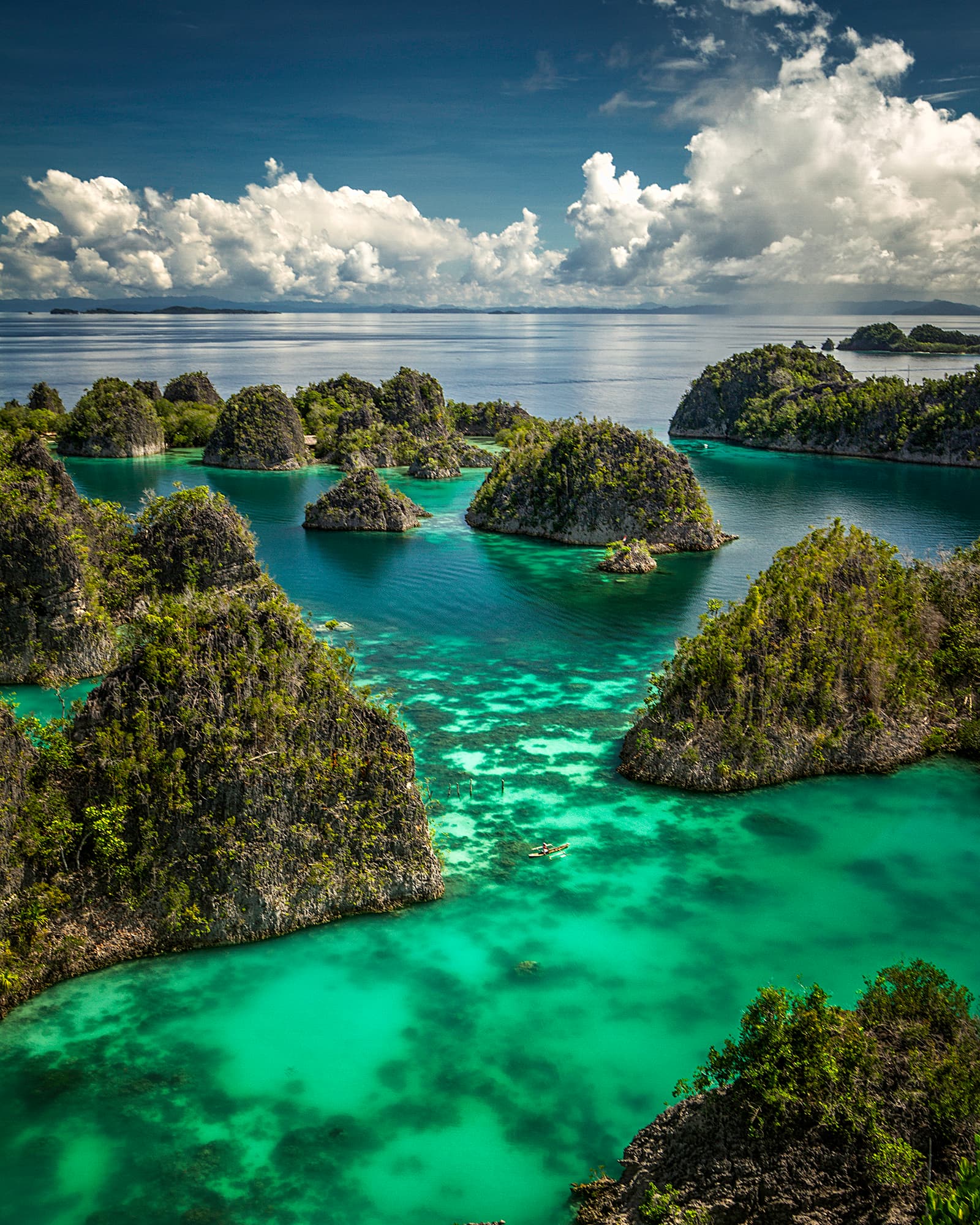 Hadi Nyali / cc by-sa 4.0, via Wikimedia Commons
Tour de audio autoguiado de Ruteng — ruta GPS a pie, reproducción offline, narración en 32 idiomas.
“Donde la antigua historia humana se encuentra con los arrozales en forma de telaraña en las frescas tierras altas de Flores.”
No las postales. Las historias que ni los locales conocen — al oído, justo donde ocurrieron.
A poca distancia de Ruteng, una cueva guarda un secreto que reescribió un capítulo de la evolución humana.
Los únicos arrozales circulares alrededor de Ruteng no solo son hermosos; su diseño revela un sistema arraigado de comunidad y equidad.
Más allá de los hoteles típicos, uno de los alojamientos más recomendados de Ruteng ofrece una estancia única y tranquila con una sorprendente conexión con la educación local.
Descubre todos los secretos de Ruteng
Cada dirección, cada revelación al completo — a tu oído, justo donde ocurrió.
Eliges tus paradas. Caminas. La voz te revela lo que los demás ignoran.


Tu tour de audioguía por Ruteng te espera — elige tus lugares, tu idioma y empieza al llegar.
ComprarLume incluye una guía de realidad aumentada. Levanta el móvil y su cámara muestra la calle que tienes delante, con una flecha luminosa sobre la imagen real que siempre apunta a tu próxima parada — sin mapas que descifrar, sin giros equivocados. Como todo en Lume, funciona completamente sin conexión.
Ruteng, la capital de la Regencia de Manggarai en la isla de Flores, ofrece un refrescante escape del calor tropical de Indonesia. Situada a una altitud de aproximadamente 1.200 metros sobre el nivel del mar, la ciudad disfruta de un clima fresco y nítido, a menudo envuelta en una pintoresca niebla que le confiere un ambiente misterioso y tranquilo. Este entorno de tierras altas, al pie de la cordillera de Mandosawu, proporciona un telón de fondo dramático de colinas verdes onduladas, exuberantes plantaciones de café y picos neblinosos.
Más que una simple parada escénica en la Autopista Trans-Flores, Ruteng es el corazón cultural del pueblo Manggarai. Es un lugar donde las tradiciones ancestrales se conservan fuertemente, evidente en sus sistemas agrarios únicos, pueblos tradicionales y ceremonias. La ciudad misma equilibra la actividad de un centro regional con la atmósfera relajada de un retiro de montaña, lo que la convierte en un destino intrigante para aquellos que buscan profundizar en la herencia y las maravillas naturales de Flores.
## Primeros Habitantes y Reinos Antiguos El territorio alrededor de la actual Ruteng ha estado habitado por el pueblo Manggarai durante siglos, mucho antes de la llegada de las potencias europeas. Históricamente, estas tierras fueron influenciadas por poderosos sultanatos vecinos, incluidos Bima de la isla de Sumbawa y Gowa de Sulawesi. La historia del pueblo Manggarai se funde con la leyenda, remontándose a muchos cientos, si no mil años o más.
## El Descubrimiento del "Hobbit" Uno de los capítulos más significativos de la prehistoria de la región se desarrolló a solo 15 kilómetros al noreste de Ruteng. En 2003, un equipo de investigación conjunto indonesio-australiano realizó un descubrimiento innovador en la cueva de Liang Bua: los restos esqueléticos de Homo floresiensis, una especie de humano de cuerpo pequeño previamente desconocida, apodada "el Hobbit". Estos homínidos, de aproximadamente 1 metro de altura, vivieron en Flores entre 100.000 y 60.000 años atrás, con herramientas de piedra que datan de hasta 190.000 años. Este descubrimiento impactó profundamente la comprensión de la evolución humana, sugiriendo que múltiples especies de homínidos coexistieron relativamente recientemente.
## Influencia Colonial y Misioneros Católicos Ruteng comenzó a tomar forma como un centro urbano administrativo a principios del siglo XX bajo el dominio colonial holandés. Los holandeses establecieron un puesto aquí para administrar el interior de la isla, uniendo clanes locales dispersos. El clima fresco de las tierras altas lo convirtió en una base administrativa más cómoda en comparación con las zonas costeras más cálidas. Ruteng también se convirtió en un centro crucial para el trabajo misionero católico en Flores, con la Sociedad del Verbo Divino (SVD) desempeñando un papel clave en el establecimiento de iglesias y escuelas, contribuyendo a la educación y urbanización de la población. La monumental Catedral de Ruteng, con su arquitectura de estilo europeo, es un testimonio de esta fuerte presencia católica.
## Desarrollo Agrícola y Resistencia Los fértiles suelos volcánicos que rodean Ruteng fomentaron una sólida base agrícola, particularmente para el café y el arroz de alta calidad. Un aspecto único de esta cultura agraria son los campos lingko, diseñados en un distintivo patrón de telaraña para asegurar una distribución justa de la tierra entre las familias Manggarai. A pesar de la influencia colonial, el pueblo Manggarai mantuvo sus profundas tradiciones. Una figura notable, Motang Rua, lideró la resistencia popular contra la expansión colonial holandesa en la región entre 1907 y 1908, convirtiéndose en un símbolo de la lucha por la independencia.
Ruteng ofrece una mezcla de belleza natural e inmersión cultural. Los Arrozales en Telaraña de Lingko en el pueblo de Cancar, a unos 10 km al este de Ruteng, son un espectáculo digno de contemplar. Estos campos circulares únicos, mejor vistos por la mañana, muestran el sistema tradicional de distribución de tierras Manggarai. Para una visión de la antigua historia humana, visite la Cueva de Liang Bua, ubicada aproximadamente a 15 km al noreste de Ruteng. Este sitio arqueológico es donde se descubrieron los restos de Homo floresiensis, el humano "Hobbit". Paneles informativos en indonesio e inglés proporcionan contexto a este notable hallazgo.
Sumérjase en la cultura Manggarai en el Pueblo Tradicional de Ruteng Pu'u, a solo 4 km del centro de la ciudad. Aquí, puede explorar las casas de clanes tradicionales y las casas de tambores comunales. Otro sitio cultural significativo es el Pueblo de Todo, a unos 28 km al sur, que fue la sede histórica del reino Manggarai y presenta las distintivas casas cónicas Mbaru Niang. Para los amantes de la naturaleza, la Cascada de Cunca Rami, aproximadamente a 40 km al noroeste, ofrece una experiencia refrescante después de una caminata de 30 minutos por la jungla. El activo Monte Ranaka, 12 km al sur, ofrece desafiantes oportunidades de trekking y vistas panorámicas de las tierras altas. No pase por alto el bullicioso Mercado de Ruteng, abierto todos los días, para productos locales y artesanías.
Ruteng disfruta de un clima montañoso tropical agradable con temperaturas estables que promedian los 23-25°C (73-77°F) durante todo el año, aunque las noches pueden ser frescas, bajando a 19°C (66°F). La estación seca, de abril a octubre, ofrece cielos más despejados y es ideal para actividades al aire libre como el senderismo y la visita a miradores. La estación húmeda, de noviembre a marzo, trae exuberantes arrozales verdes, haciéndolos particularmente fotogénicos, aunque los senderos pueden estar más embarrados y las mañanas nubladas. Los meses más húmedos son enero y marzo.
Para los entusiastas de la cultura, la temporada de cosecha (junio-julio) a menudo presenta música y danza tradicionales en los arrozales, mientras que el festival Reba en diciembre celebra la cosecha con tradiciones.
La moneda local es la rupia indonesia (IDR). Aunque hay cajeros automáticos disponibles en Ruteng (Bank BNI, BRI, Mandiri), ocasionalmente pueden estar fuera de línea, por lo que es recomendable llevar suficiente efectivo, especialmente billetes de menor denominación, para mercados y establecimientos más pequeños. Las tarjetas de crédito no son ampliamente aceptadas fuera de los hoteles más grandes.
Para llegar a Ruteng, lo más habitual es tomar un autobús o un taxi compartido desde Labuan Bajo (aproximadamente 4-5 horas) o Bajawa (aproximadamente 5 horas) por la autopista Trans-Flores. Ruteng también tiene un pequeño aeropuerto, Frans Sales Lega (RTG), que opera vuelos nacionales, aunque la niebla y la lluvia pueden causar retrasos, especialmente durante la temporada de lluvias. Dentro de la ciudad, el centro es transitable a pie. Para explorar atracciones externas como los campos de Lingko o Liang Bua, los ojeks (mototaxis) son convenientes y asequibles. También se puede alquilar una motocicleta para mayor flexibilidad.
El dominio del inglés puede ser limitado fuera de las zonas turísticas, por lo que aprender algunas frases básicas en bahasa indonesio es útil. Vístase con modestia, especialmente al visitar pueblos y sitios religiosos, ya que Ruteng es una ciudad católica conservadora. La seguridad es generalmente moderada, pero siempre es aconsejable estar atento a su entorno, especialmente después del anochecer, e informar a alguien de su itinerario.
Ruteng en coreano, en chino o en hebreo — y 29 idiomas más, cada parada narrada por una voz nativa. La mayor variedad de idiomas de cualquier audioguía autoguiada.
Disponible en: