Castillo de Sedán
Las inmensas murallas del castillo fortificado más grande de Europa guardan un secreto sobre la construcción medieval que desafió las expectativas.
La historia completa se desbloquea en el tour
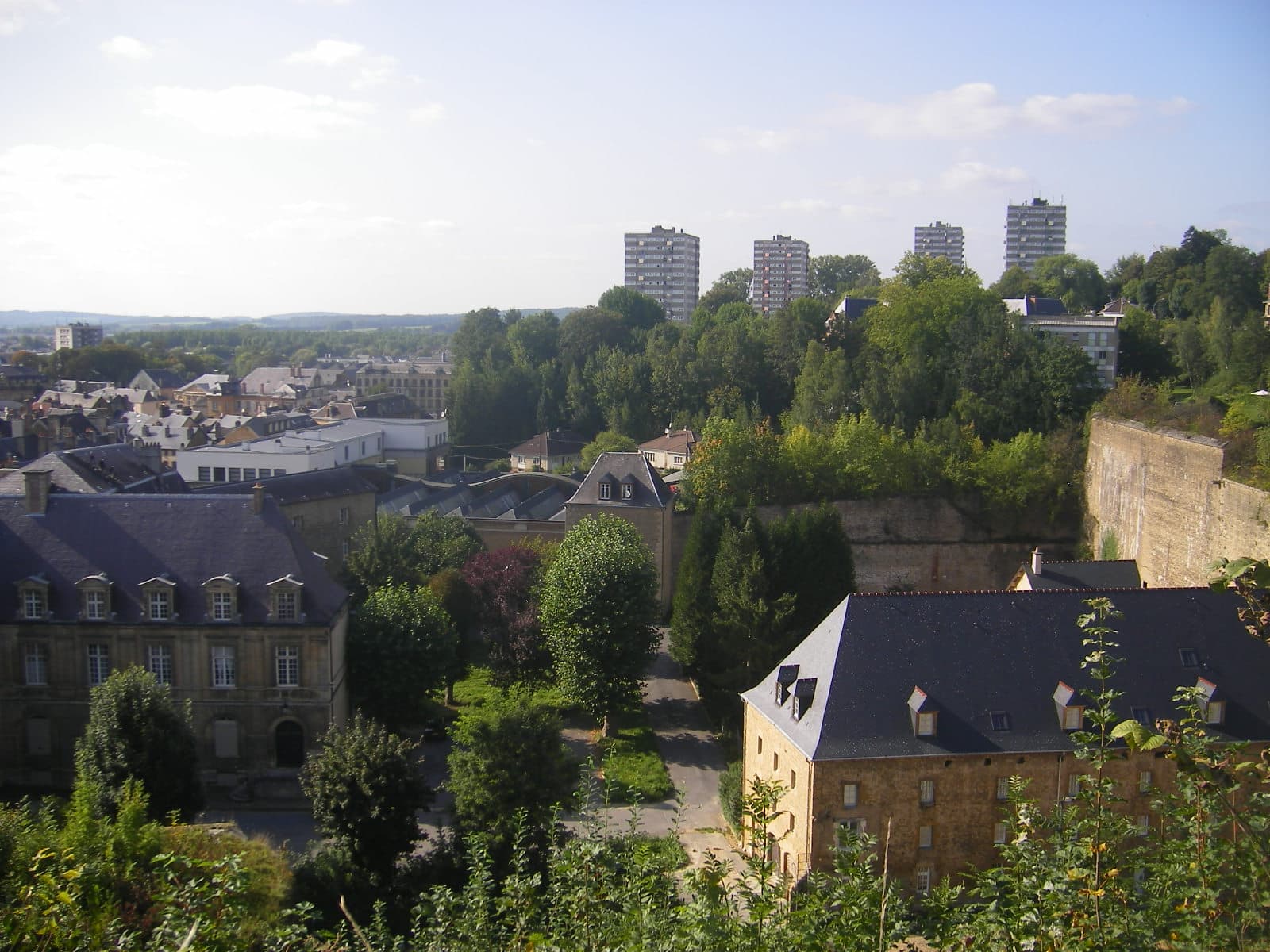 Szeder László / CC BY-SA 4.0, via Wikimedia Commons
Tour de audio autoguiado de Sedán — ruta GPS a pie, reproducción offline, narración en 32 idiomas.
“Donde siglos de conflicto forjaron un principado, y una fortaleza se convirtió en un titán.”
No las postales. Las historias que ni los locales conocen — al oído, justo donde ocurrieron.
Las inmensas murallas del castillo fortificado más grande de Europa guardan un secreto sobre la construcción medieval que desafió las expectativas.
Antes de que sus batallas la definieran, Sedán era famosa por un tipo particular de tela que dio nombre a un objeto sorprendente.
Sedán existió una vez como su propio estado independiente, pero su soberanía concluyó con un dramático secreto familiar.
Descubre todos los secretos de Sedán
Cada dirección, cada revelación al completo — a tu oído, justo donde ocurrió.
Eliges tus paradas. Caminas. La voz te revela lo que los demás ignoran.


Tu tour de audioguía por Sedán te espera — elige tus lugares, tu idioma y empieza al llegar.
ComprarLume incluye una guía de realidad aumentada. Levanta el móvil y su cámara muestra la calle que tienes delante, con una flecha luminosa sobre la imagen real que siempre apunta a tu próxima parada — sin mapas que descifrar, sin giros equivocados. Como todo en Lume, funciona completamente sin conexión.
Sedán, una ciudad en el departamento de Ardenas, en el noreste de Francia, se acuna en un meandro del río Mosa, situada a solo 10 kilómetros de la frontera belga. Esta ubicación estratégica ha moldeado profundamente su identidad, convirtiéndola en una encrucijada de conflictos europeos y un testimonio de fuerza perdurable. El carácter de la ciudad está dominado por el colosal Castillo de Sedán, frecuentemente citado como el castillo medieval fortificado más grande de Europa, extendiéndose sobre 35.000 metros cuadrados a lo largo de siete niveles.
Más allá de su formidable fortaleza, Sedán invita a un viaje a través del tiempo, desde sus orígenes en 1424 como un principado en ciernes hasta su papel fundamental en las principales guerras europeas. A pesar de períodos de destrucción, particularmente durante las Guerras Mundiales, Sedán ha conservado cuidadosamente gran parte de su núcleo histórico, lo que le ha valido la designación de 'ciudad de arte e historia'. Los visitantes pueden pasear por su casco antiguo, encontrar una tranquila contemplación en su jardín botánico y disfrutar de sus entornos ribereños, experimentando una mezcla de imponente historia militar y un auténtico y pausado encanto francés.
La historia de Sedán comenzó en 1424 con la construcción de su castillo por Evrard III de La Marck. La ciudad creció alrededor de esta fortaleza, convirtiéndose rápidamente en el corazón de un principado protestante independiente en el siglo XVI. Este principado, gobernado por las familias La Marck y más tarde La Tour d'Auvergne, ofreció un importante refugio a los exiliados protestantes que huían de las Guerras de Religión de Francia.
Una de las figuras más célebres de Sedán, el Mariscal Turenne (Henri de La Tour d'Auvergne), un renombrado soldado francés del siglo XVII, nació en el castillo en 1611. El principado incluso logró una victoria sobre las fuerzas reales francesas en la Batalla de La Marfée en 1641. Sin embargo, esta independencia resultó efímera. Tras una conspiración fallida contra el Cardenal Richelieu, Frédéric Maurice de La Tour d'Auvergne, el último Príncipe de Sedán, fue encarcelado. Para salvar su vida, renunció al principado en favor del Rey Luis XIII en 1642, incorporando oficialmente Sedán a Francia.
La posición estratégica de Sedán a lo largo del río Mosa a menudo la colocó en el centro de conflictos militares. Fue el escenario de un desastre militar francés decisivo durante la Guerra Franco-Prusiana en 1870. El Emperador Napoleón III y 100.000 soldados franceses fueron capturados, concluyendo efectivamente el Segundo Imperio Francés y contribuyendo a la unificación de Alemania. Este evento se conmemoró anualmente en Alemania como el 'Día de Sedán' hasta 1919.
La ciudad sufrió una mayor devastación durante ambas Guerras Mundiales. En mayo de 1940, las fuerzas alemanas lograron un avance crítico a través del río Mosa cerca de Sedán, sorteando la Línea Maginot y facilitando la rápida conquista de Francia. La Batalla de Sedán en la Segunda Guerra Mundial resultó en una destrucción significativa, remodelando gran parte del centro histórico de la ciudad.
A pesar de estos períodos turbulentos, Sedán ha trabajado activamente para preservar su patrimonio. La ciudad adquirió el Castillo de Sedán del estado por un simbólico franco en 1962, y fue declarado monumento histórico en 1965. Hoy en día, el turismo juega un papel cada vez más importante, con esfuerzos centrados en presentar su profundo pasado.
El punto focal indiscutible de Sedán es el Château Fort de Sedan, el castillo fortificado más grande de Europa. Los visitantes pueden pasear por sus inmensos salones, a lo largo de sus murallas, por sus mazmorras y por los espacios ceremoniales, obteniendo una visión de seis siglos de historia militar. El castillo también alberga el Musée Municipal de Sedan, que presenta artefactos relacionados con su historia y la artesanía local.
Un paseo por el casco antiguo de Sedán revela el patrimonio arquitectónico de los siglos XVII y XVIII. La Place d'Armes es una plaza central que cuenta con la Eglise St. Charles y la oficina de información turística. Cerca, el Palais des Princes ofrece un interés histórico adicional. Para un interludio tranquilo, el Jardin Botanique de Sedan ofrece un espacio verde apacible.
A poca distancia en coche, en Bazeilles, la Maison de la Dernière Cartouche es un museo conmemorativo dedicado a un momento crucial de la Guerra Franco-Prusiana. Para los entusiastas de la aviación, el Musée des débuts de l'aviation en Douzy se encuentra en el sitio del primer aeródromo de Francia.
Las épocas más agradables para visitar Sedán son durante la primavera y principios del otoño, de junio a septiembre, cuando el clima es templado y el flujo de visitantes es generalmente más ligero. El verano trae una atmósfera animada con festivales y eventos al aire libre, particularmente el renombrado Festival Medieval que se celebra en el castillo cada mayo, con justas, recreaciones y mercados. Aunque el invierno es más tranquilo, el casco antiguo y la fortaleza se adornan con mercados navideños y luces festivas.
Sedán es accesible en tren a través de la red TER Grand Est, con conexiones directas desde Charleville-Mézières (unos 25 minutos) y enlaces a Reims y París vía TGV. En coche, se llega por la autopista A34, aproximadamente a 2 horas de Reims o 3,5 horas de París. Hay opciones de aparcamiento tanto gratuitas como de pago alrededor del Château Fort y el centro de la ciudad. El aparcamiento cerca de la Place d'Armes es conveniente para explorar el casco antiguo, mientras que los aparcamientos más grandes cerca de la fortaleza ofrecen fácil acceso para los visitantes del castillo. El centro de la ciudad es en gran parte peatonal, lo que lo hace ideal para caminar.
Sedán en coreano, en chino o en hebreo — y 29 idiomas más, cada parada narrada por una voz nativa. La mayor variedad de idiomas de cualquier audioguía autoguiada.
Disponible en: