El Contorno Distintivo de Sloten
¿Por qué esta ciudad amurallada posee una forma tan inusual y redondeada?
La historia completa se desbloquea en el tour
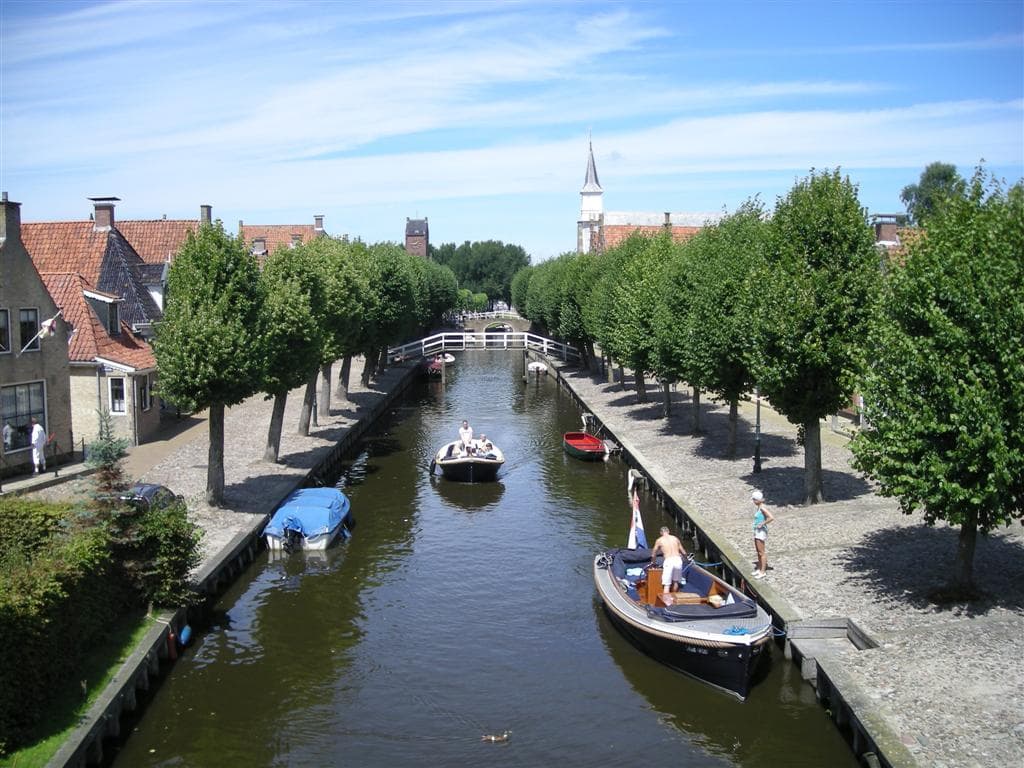 Udo Ockema / CC BY 3.0, via Wikimedia Commons
Tour de audio autoguiado de Sloten — ruta GPS a pie, reproducción offline, narración en 32 idiomas.
“Donde los canales reflejan el paso del tiempo y la historia respira en el aire.”
No las postales. Las historias que ni los locales conocen — al oído, justo donde ocurrieron.
¿Por qué esta ciudad amurallada posee una forma tan inusual y redondeada?
Durante la Guerra de los Ochenta Años, un ingenioso plan para conquistar Sloten involucró una embarcación inesperada.
Incluso hoy, la llegada del fin de semana en Sloten se anuncia con una gran y tradicional fanfarria.
Descubre todos los secretos de Sloten
Cada dirección, cada revelación al completo — a tu oído, justo donde ocurrió.
Eliges tus paradas. Caminas. La voz te revela lo que los demás ignoran.


Tu tour de audioguía por Sloten te espera — elige tus lugares, tu idioma y empieza al llegar.
ComprarLume incluye una guía de realidad aumentada. Levanta el móvil y su cámara muestra la calle que tienes delante, con una flecha luminosa sobre la imagen real que siempre apunta a tu próxima parada — sin mapas que descifrar, sin giros equivocados. Como todo en Lume, funciona completamente sin conexión.
Sloten, o Sleat en frisón occidental, es una histórica ciudad amurallada en la provincia holandesa de Frisia. Como la más pequeña de las once ciudades frisonas, ofrece una visión cautivadora de una época pasada, con su recinto defensivo de murallas, fosos y estructura urbana original casi completamente conservados. Situada junto al lago Slotermeer, entre las ciudades de Lemmer y Balk, Sloten es un destino pintoresco favorecido tanto por los entusiastas de la historia como por aquellos que disfrutan de las actividades acuáticas.
A menudo conocida como la 'sipelstêd' o 'ciudad cebolla' debido a su distintivo diseño redondeado, el atractivo de Sloten reside en sus serenos canales, sus históricas casas mercantes con sus característicos frontones y la tangible sensación de historia que impregna sus caminos. Aunque su importancia estratégica ha disminuido desde la construcción de la presa de IJsselmeer, la ciudad sigue siendo un animado centro para excursionistas y aquellos que buscan un escape tranquilo.
Los orígenes de Sloten se remontan al siglo XIII, cuando comenzó como un asentamiento alrededor de un stins (una casa fortificada) perteneciente a la familia Van Harinxma thoe Slooten. Esta noble familia a menudo estuvo involucrada en conflictos con los Vetkopers, una facción política en Frisia. La importancia estratégica de Sloten fue evidente desde el principio, ya que estaba posicionada en una intersección crucial de rutas comerciales terrestres y acuáticas, específicamente, la vía fluvial de Sneek al antiguo Zuiderzee y una carretera que conectaba Alemania con Stavoren. Esta ubicación ventajosa permitía la recaudación de peajes y la supervisión estratégica del comercio regional.
Sloten obtuvo oficialmente los derechos de ciudad el 30 de agosto de 1426. La ciudad desempeñó un papel importante en varios conflictos, incluida la lucha por el control de Frisia. En 1523, fue la última fortaleza frisona en caer en manos de los herederos de los condes de Holanda, un asedio durante el cual el noble holandés Jan II van Wassenaer fue herido de muerte, el último holandés en perecer en esa lucha en particular. Durante la Guerra de los Ochenta Años, Sloten mantuvo una posición clave y frustró famosamente un complot español en 1588, donde los soldados intentaron infiltrarse en la ciudad ocultos en un barco cervecero.
En 1581, se añadieron nuevas fortificaciones, incluyendo un foso, murallas, cinco bastiones y cuatro puertas, dos en tierra y dos en el agua. La fortaleza fue diseñada y construida más tarde por el renombrado constructor de fortalezas Menno van Coehoorn, quien está enterrado en la cercana Wijckel. Su diseño le dio a Sloten su distintiva forma de cebolla, lo que le valió el apodo de 'sipelstêd' (ciudad cebolla). La prosperidad de la ciudad en los siglos XVIII y XIX se debió en gran parte al comercio de mantequilla frisona, siendo los compradores ingleses un mercado principal. Las atractivas casas mercantes con gabletes a lo largo del Diep, el canal que atraviesa el centro de la ciudad, sirven como testimonio de estos tiempos florecientes. Sloten fue un municipio independiente hasta 1984, cuando pasó a formar parte del municipio de Gaasterlân-Sleat, y más tarde, De Fryske Marren en 2014.
Un paseo por Sloten es un viaje a través de su pasado bien conservado. Comience en el Museo Sloten, ubicado en el antiguo ayuntamiento (construido entre 1759 y 1761). Aquí podrá profundizar en la historia de la ciudad, explorar la sala del consejo y descubrir por qué Sloten es conocida como la 'ciudad cebolla'. Asegúrese de visitar el 'ático encantado', hogar de una distintiva colección de linternas mágicas.
Pasee por los canales, admirando las históricas casas mercantes con sus característicos gabletes de cuello y escalonados. Las obras defensivas de la ciudad permanecen en gran parte intactas, incluyendo las murallas y los fosos. Encontrará las dos puertas de agua restantes: la puerta Sneker o Woudsenderpoort (1768) al norte y la puerta Lemsterpoort (1821) al sur. En el bastión cerca de la Lemsterpoort se encuentra el molino de grano De Kaai, un molino de viento en funcionamiento de 1775 que continúa moliendo grano para convertirlo en harina. Durante la temporada alta, incluso podrá presenciar el tradicional disparo de cañones por parte de la Guardia Cívica. Para un toque de arte contemporáneo con un mensaje, busque la fuente 'Kievit' (Avefría), uno de los proyectos artísticos de las Once Fuentes en Frisia.
Sloten mantiene su atractivo durante todo el año, pero para un ambiente más animado, los meses más cálidos, de abril a octubre, son ideales. Este período ofrece excelentes condiciones para explorar la ciudad a pie o en barco, y se llevan a cabo muchos eventos locales. El último sábado de junio se celebra la feria anual 'Sipelsneon' (sábado de la cebolla), un punto culminante local. Durante el verano, también puede experimentar la tradición única del pregonero y el disparo de cañones los viernes por la noche.
Sloten se explora fácilmente a pie, dado su compacto centro histórico. Hay aparcamiento disponible justo a las afueras del centro, a menudo junto al agua, lo que permite un breve paseo hasta la ciudad. Para aquellos que llegan en barco, hay amarres para visitantes cerca del molino o junto al puente, así como en el puerto de visitantes. La oficina local de Información Turística (VVV), situada junto al Museo Sloten, es un excelente recurso para obtener mapas, información sobre eventos y consejos personalizados de los lugareños. Aunque Sloten es pequeña, ofrece varias opciones de restaurantes y alojamientos. Considere combinar su visita con un paseo en barco por el Slotermeer o un recorrido a pie por la ciudad dirigido por el pregonero para una experiencia más profunda.
Sloten en coreano, en chino o en hebreo — y 29 idiomas más, cada parada narrada por una voz nativa. La mayor variedad de idiomas de cualquier audioguía autoguiada.
Disponible en: