Krypta der Abtei Saint-Médard
Unter einem ruhigen Platz in Soissons liegt eine Krypta, die einst mehr Macht barg, als man für eine Grabstätte erwarten würde.
Die ganze Geschichte wird in der Tour freigeschaltet
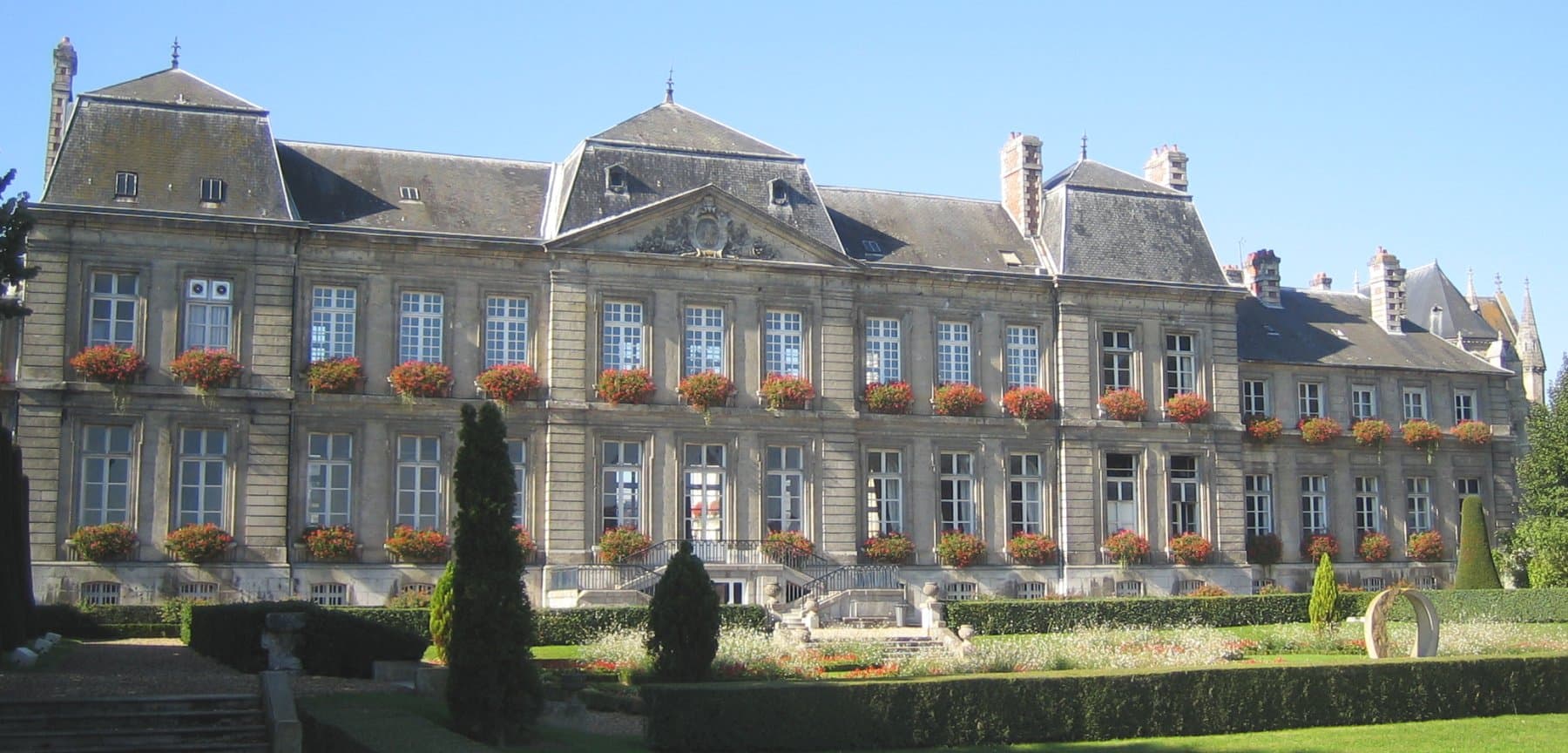 Unknown author / CC BY-SA 2.5, via Wikimedia Commons
Selbstgeführte Audio-Walking-Tour durch Soissons — GPS-Route, Offline-Wiedergabe, erzählerische Narration in 32 Sprachen.
“Wo fränkische Könige wandelten und Geschichte in Stein widerhallt.”
Nicht die Postkarten. Die Geschichten, die selbst Einheimische nicht kennen – dir ins Ohr geflüstert, genau dort, wo sie geschahen.
Unter einem ruhigen Platz in Soissons liegt eine Krypta, die einst mehr Macht barg, als man für eine Grabstätte erwarten würde.
Betrachten Sie die Fassade der Kathedrale genau, und Sie werden etwas Ungewöhnliches an ihren Türmen bemerken.
Ein legendärer Kelch, der mit einem mächtigen fränkischen König verbunden ist, fand in Soissons ein dramatisches Ende.
Entdecke jedes Geheimnis von Soissons
Jede Adresse, jede Enthüllung vollständig – in deinem Ohr, genau dort, wo es geschah.
Du wählst deine Stationen. Du gehst. Die Stimme enthüllt, was andere übersehen.
Deine selbstgeführte Audio-Tour durch Soissons ist bereit – wähle deine Sehenswürdigkeiten, deine Sprache und starte, sobald du ankommst.
KaufenLume enthält einen integrierten Augmented-Reality-Guide. Halten Sie Ihr Handy hoch: Die Kamera zeigt die Straße vor Ihnen, mit einem leuchtenden Pfeil über dem echten Bild, der immer auf Ihren nächsten Stopp zeigt — keine Karte zum Rätseln, keine falschen Abzweigungen. Wie alles bei Lume funktioniert es komplett offline.
Soissons, gelegen in der Region Hauts-de-France am Fluss Aisne, ist eine der ältesten Städte Frankreichs. Ihre Wurzeln reichen über 2.000 Jahre zurück, bis zum gallischen Stamm der Suessionen. Oft als 'Wiege Frankreichs' bezeichnet, spielte diese Stadt eine Schlüsselrolle bei der frühen Entstehung des französischen Königreichs. Ihre tiefgreifende Geschichte spiegelt sich in ihrer Architektur wider, von hoch aufragenden gotischen Kathedralen über römische Überreste bis hin zu den beständigen Bauwerken mittelalterlicher Abteien.
Obwohl Soissons im Ersten und Zweiten Weltkrieg, insbesondere im Ersten Weltkrieg, erhebliche Schäden erlitt, wurden viele seiner historischen Gebäude sorgfältig restauriert, wodurch sein einzigartiges Erbe aus gallorömischer, merowingischer, mittelalterlicher und moderner Zeit bewahrt wurde. Heute bietet Soissons eine ruhige Zuflucht, die historische Tiefe mit einer entspannten Kleinstadtatmosphäre verbindet und es zu einem reizvollen Reiseziel für alle macht, die sich für die Gründungsgeschichte Frankreichs interessieren.
Soissons begann als Noviodunum, ein 'neues Hügelkastell' und Hauptstadt der Suessionen, eines gallischen Stammes, wie Julius Caesar 57 v. Chr. berichtete. Unter römischer Herrschaft wurde es zu einer Garnisonsstadt namens Augusta Suessionum. Im 3. Jahrhundert wurde es ein Bischofssitz. Im Jahr 486 n. Chr. eroberte der fränkische König Chlodwig I. die Stadt, was den Fall der letzten römischen Hochburg in Nordgallien und einen entscheidenden Moment für die Gründung der Merowingerdynastie markierte. Nach Chlodwigs Tod im Jahr 511 wurde Soissons Hauptstadt eines der vier Königreiche, in die seine Gebiete aufgeteilt wurden, und spielte in der Merowingerzeit eine bedeutende politische Rolle.
Soissons setzte seine Bedeutung bis ins Mittelalter fort, mit dem Beginn des Baus seiner gotischen Kathedrale im 12. Jahrhundert. Die Abtei Saint-Jean-des-Vignes, gegründet 1076, entwickelte sich zu einer der reichsten Klosterinstitutionen im mittelalterlichen Frankreich. Die Abtei Saint-Médard, gegründet im 6. Jahrhundert, war Schauplatz königlicher Zeremonien und Grabstätte früher fränkischer Könige. Die Stadt war auch Schauplatz mehrerer wichtiger Kirchenversammlungen, bekannt als 'Konzil von Soissons', während des frühen Mittelalters.
Soissons sah sich im Laufe der Jahrhunderte zahlreichen Herausforderungen gegenüber, darunter Leiden im Hundertjährigen Krieg und in den Religionskriegen. Während des Ersten Weltkriegs wurde die Stadt stark bombardiert und wechselte mehrmals den Besitzer, wobei sie erhebliche Schäden erlitt. Trotzdem haben umfangreiche Restaurierungsarbeiten ihre historischen Gebäude bewahrt und ermöglichen es den Besuchern, ihre vielschichtige Vergangenheit zu würdigen.
Beginnen Sie Ihre Erkundung an der Kathedrale von Soissons (Cathédrale Saint-Gervais-et-Saint-Protais), einem gotischen Meisterwerk, das zwischen dem 12. und 13. Jahrhundert erbaut wurde. Bewundern Sie ihre asymmetrische Fassade, die hoch aufragenden Gewölbe und die kunstvollen Buntglasfenster.
Besuchen Sie als Nächstes die beeindruckenden Ruinen der Abtei Saint-Jean-des-Vignes. Einst eine mächtige Klosterinstitution, sind ihre imposanten Türme und Bögen ein markantes Wahrzeichen, das einen Einblick in ihre frühere Pracht gewährt. Auf dem Gelände finden auch Wechselausstellungen statt.
Tauchen Sie in die Vergangenheit der Stadt im Musée de Soissons ein, das im ehemaligen Bischofspalast und der Abtei Saint-Léger untergebracht ist. Seine vielfältige Sammlung umfasst mittelalterliche Artefakte, römische Skulpturen und zeitgenössische Kunst sowie archäologische Funde.
Für einen tieferen Einblick in die frühe fränkische Geschichte erkunden Sie die Krypta der Abtei Saint-Médard. Diese vorromanische Krypta ist das älteste Monument von Soissons und enthält Kapellen und die Gräber früher fränkischer Könige. Führungen sind verfügbar.
Spazieren Sie entlang des Flusses Aisne, der sich anmutig durch Soissons schlängelt und Spazierwege sowie eine ruhige Umgebung bietet. Sie können auch das Hôtel de Ville entdecken, ursprünglich ein Schloss aus den 1770er Jahren, und seinen umliegenden Park.
Die ideale Zeit für einen Besuch in Soissons ist im Frühling und Frühherbst. Diese Jahreszeiten bieten mildes Wetter und weniger Andrang, perfekt für die Erkundung historischer Stätten und den Genuss blühender Landschaften oder der goldenen Herbstkulisse. Der Sommer ist ebenfalls angenehm für Outdoor-Aktivitäten, obwohl es wärmer und potenziell belebter sein kann, besonders während der französischen Schulferien. Der Winter kann kühl sein, aber Soissons bietet eine gemütliche Atmosphäre, besonders um die Weihnachtszeit mit festlichen Märkten.
Soissons liegt etwa 100 Kilometer nordöstlich von Paris und ist mit dem Zug vom Pariser Gare du Nord in etwa einer Stunde erreichbar. Die lokale Währung ist der Euro (€). Französisch ist die Hauptsprache, aber auch Englisch wird gesprochen.
Das Musée de Soissons, das in der Abtei Saint-Léger untergebracht ist, ist in der Regel Dienstag bis Freitag von 9 bis 12 Uhr und von 14 bis 18 Uhr (oder 17 Uhr in der Nebensaison) sowie Samstag und Sonntag von 14 bis 19 Uhr (oder 18 Uhr in der Nebensaison) geöffnet. Der Eintritt beträgt in der Regel 2 € für Erwachsene, für Personen unter 18 Jahren ist der Eintritt frei. Führungen durch die Krypta von Saint-Médard sind verfügbar, Reservierungen werden besonders für Samstagnachmittage und täglich im Juli und August empfohlen. Wöchentliche Märkte finden mittwochs und samstags statt und bieten lokale Produkte und Handwerk.
Soissons — Koreanisch, Chinesisch, Hebräisch und 29 weitere Sprachen, jede Station von einer muttersprachlichen Stimme erzählt. Die größte Sprachauswahl aller selbstgeführten Audiotouren.
Verfügbar auf: