Cementerio de la Iglesia Episcopal Grace
Entre los venerables robles cubiertos de musgo de un histórico cementerio, un acuerdo único una vez silenció los sonidos del conflicto.
La historia completa se desbloquea en el tour
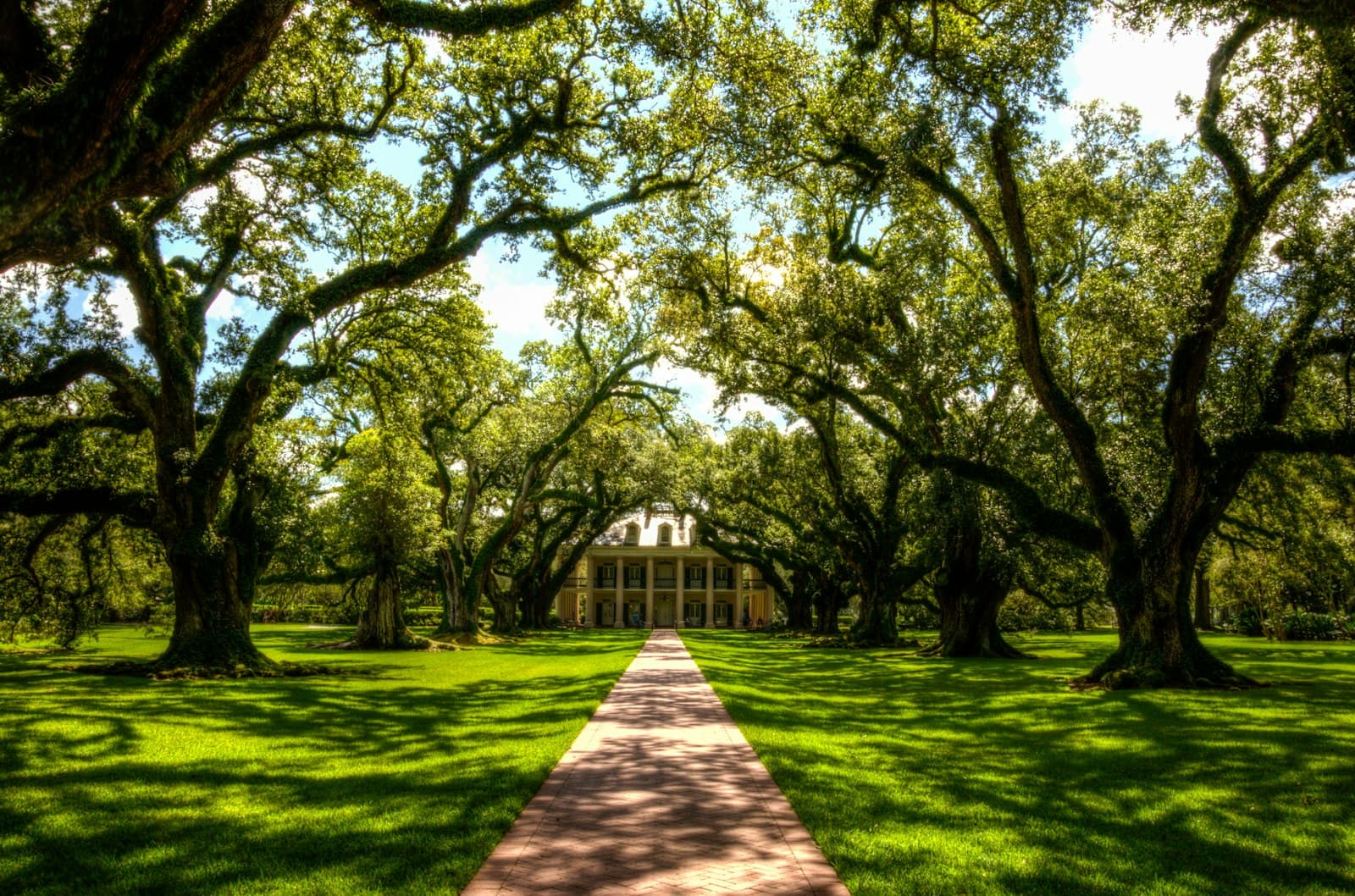 Photo: David Hertle / Unsplash
Tour de audio autoguiado de St. Francisville — ruta GPS a pie, reproducción offline, narración en 32 idiomas.
“Donde los ecos de la historia se encuentran con las antiguas narrativas de la tierra.”
No las postales. Las historias que ni los locales conocen — al oído, justo donde ocurrieron.
Entre los venerables robles cubiertos de musgo de un histórico cementerio, un acuerdo único una vez silenció los sonidos del conflicto.
Un tranquilo cementerio alberga el lugar de descanso final de la hija de un presidente, cuya vida concluyó con trágica rapidez.
St. Francisville se alza elevada, pero debajo de sus acantilados, otro bullicioso asentamiento floreció antes de desvanecerse casi por completo.
Descubre todos los secretos de St. Francisville
Cada dirección, cada revelación al completo — a tu oído, justo donde ocurrió.
Eliges tus paradas. Caminas. La voz te revela lo que los demás ignoran.
Tu tour de audioguía por St. Francisville te espera — elige tus lugares, tu idioma y empieza al llegar.
ComprarSt. Francisville, Luisiana, es una ciudad donde los ecos del pasado resuenan a través de venerables robles cubiertos de musgo y arquitectura antebellum. Situada en una cresta alta con vistas al río Mississippi, esta pequeña ciudad sureña en la Parroquia de West Feliciana ofrece una mezcla singular de encanto natural, profunda historia y un ritmo de vida más pausado. Es un lugar que ha cautivado a artistas, escritores y viajeros durante siglos, estimulando la imaginación de figuras como John James Audubon con sus paisajes vírgenes.
A menudo caracterizada como 'la ciudad de dos millas de largo y dos yardas de ancho' debido a su desarrollo a lo largo de una delgada cresta de loess, St. Francisville sirve como un escape escénico del ajetreo de la existencia contemporánea. Su atractivo reside en su distrito histórico meticulosamente conservado, reconocido en el Registro Nacional de Lugares Históricos, y el campo circundante salpicado de grandes plantaciones y tranquilas extensiones naturales. Ya sea atraído por historias de lo sobrenatural, la tranquila dignidad de las residencias históricas o la llamada de la naturaleza, St. Francisville ofrece un viaje convincente al corazón de la herencia de Luisiana.
La narrativa de St. Francisville comienza no con pioneros americanos, sino con monjes capuchinos españoles. En algún momento entre 1773 y 1785, estos monjes establecieron un monasterio de madera y un cementerio en las tierras altas sobre el río Mississippi, otorgando al naciente asentamiento su nombre, derivado de su santo patrón. Para 1785, la afluencia de colonos llevó al gobierno español a establecer el distrito de Nueva Feliciana, que abarca lo que ahora son las Parroquias de Florida de Luisiana.
A principios del siglo XIX, audaces colonos anglosajones, descontentos con la autoridad española, declararon brevemente su independencia, formando la efímera República de Florida Occidental. La ciudad de St. Francisville fue establecida formalmente el 11 de mayo de 1807 por John H. Johnson, quien planificó meticulosamente sus calles y espacios públicos. Debajo de los acantilados, surgió una bulliciosa ciudad portuaria llamada Bayou Sara, que se convirtió en uno de los puertos algodoneros fluviales más grandes del Mississippi antes de la guerra entre Nueva Orleans y Memphis. Sin embargo, la prosperidad de Bayou Sara finalmente se disolvió bajo repetidas inundaciones, incendios y el picudo del algodón, dejando escasa evidencia de su antigua grandeza hoy en día.
La posición estratégica de St. Francisville y sus tierras fértiles la establecieron como un nexo para las plantaciones de añil, algodón y caña, dando forma a su carácter antebellum. El atractivo perdurable de la ciudad proviene de su dedicación a salvaguardar este pasado; muchas estructuras históricas de sus primeros días aún se mantienen en pie. El área también jugó un papel singular durante la Guerra Civil, notablemente con un notable cese de hostilidades en el Cementerio de la Iglesia Episcopal Grace, donde soldados de la Unión y Confederados, unidos por la fraternidad masónica, pausaron el conflicto para enterrar a un oficial caído.
En el siglo XIX, St. Francisville se convirtió en un importante centro cultural y comercial para el campo de plantaciones circundante. Fue durante este período que el naturalista John James Audubon encontró inspiración en la Plantación Oakley, completando 32 de sus icónicas pinturas de aves. Hoy en día, St. Francisville sigue siendo reconocida por sus esfuerzos en la preservación histórica, con su distrito del centro acreditado como una comunidad de Main Street, asegurando que sus dos siglos de estilos arquitectónicos y formas de vida sigan siendo una parte viva de la identidad de la ciudad.
Comience su viaje en el centro de St. Francisville, un Distrito Histórico del Registro Nacional donde podrá pasear por Ferdinand Street, explorando tiendas de antigüedades, galerías de arte y boutiques locales. Asegúrese de visitar el Museo de la Sociedad Histórica de West Feliciana para obtener una visión general de la narrativa de la zona. Una parada en la Iglesia Episcopal Grace, una de las parroquias episcopales más antiguas de Luisiana, y su evocador cementerio cubierto de musgo es esencial.
Ninguna visita a St. Francisville está completa sin experimentar sus célebres plantaciones. La Plantación Myrtles, frecuentemente referida como 'la plantación más embrujada de América', ofrece tanto recorridos históricos diurnos como recorridos misteriosos nocturnos para aquellos que buscan una experiencia intrigante. El Sitio Histórico Estatal de la Plantación Rosedown presenta una mansión de estilo neogriego y 28 acres de jardines formales. Para aquellos que aprecian el mundo natural, el Sitio Histórico Estatal de Audubon, hogar de la Plantación Oakley, proporciona una visión del tiempo de John James Audubon en Luisiana.
Más allá de las residencias históricas, sumérjase en el esplendor natural de la región. Recorra el terreno accidentado del Área de Manejo de Vida Silvestre de Tunica Hills, conocida por sus distintivos acantilados, barrancos y cascadas. Descubra el Refugio Nacional de Vida Silvestre de Cat Island, hogar del Árbol Campeón de Ciprés Calvo. Para una visión histórica diferente, el Museo de la Penitenciaría Estatal de Luisiana en la Prisión de Angola ofrece una mirada convincente a la historia correccional del estado.
Las épocas más favorables para visitar St. Francisville son durante la primavera (principios de abril a finales de mayo) y el otoño (mediados de septiembre a finales de octubre). Estas estaciones ofrecen un clima agradable, ideal para explorar sitios históricos y participar en actividades al aire libre. Los veranos pueden ser cálidos y húmedos, con máximas promedio que alcanzan los 30-33 grados Celsius en julio y agosto. Los inviernos son generalmente templados y menos concurridos, aunque enero registra mínimas promedio alrededor de 4 grados Celsius. El otoño también trae eventos populares como el Festival de Comida y Vino de St. Francisville.
St. Francisville se encuentra aproximadamente a 30 millas al norte de Baton Rouge, accesible a través de la U.S. Highway 61, también conocida como la Great River Road. La ciudad es compacta y fácil de recorrer a pie, especialmente su centro histórico. Sin embargo, para explorar las plantaciones y áreas naturales circundantes, se recomienda un vehículo. Para obtener información oficial para visitantes, incluyendo guías, mapas y calendarios de eventos, consulte Visit St. Francisville, la organización oficial de marketing de destinos de la ciudad. Las opciones de alojamiento van desde hoteles boutique y acogedores bed and breakfasts hasta estancias en plantaciones. Las opciones gastronómicas incluyen cocina sureña y favoritos locales, con varios restaurantes y cafés de propiedad local.
St. Francisville en coreano, en chino o en hebreo — y 29 idiomas más, cada parada narrada por una voz nativa. La mayor variedad de idiomas de cualquier audioguía autoguiada.
Disponible en: