Mosquée Al-Sayyid Ahmad al-Badawi
La mosquée est le cœur spirituel de Tanta, mais le voyage de son fondateur a commencé loin du delta du Nil.
L'histoire complète se débloque dans le tour
 Faris knight / CC BY-SA 4.0, via Wikimedia Commons
Visite audio autoguidée de Tanta — parcours GPS à pied, lecture hors ligne, narration en 32 langues.
“Là où les courants anciens rencontrent la dévotion vibrante.”
Pas les cartes postales. Les histoires que même les habitants ignorent — soufflées à l'oreille, là où elles se sont passées.
La mosquée est le cœur spirituel de Tanta, mais le voyage de son fondateur a commencé loin du delta du Nil.
Ce musée abrite des milliers d'artefacts, mais son histoire est un récit de fermetures et de réouvertures.
Tanta est réputée pour ses douceurs, mais il existe une confiserie particulière avec une histoire d'origine unique.
Découvrez tous les secrets de Tanta
Chaque adresse, chaque révélation en entier — dans ton oreille, là où elle s'est passée.
Tu choisis tes lieux. Tu marches. La voix te révèle ce que les autres ignorent.


Votre visite audioguidée de Tanta vous attend — choisissez vos lieux, votre langue, et lancez-vous dès votre arrivée.
AcheterLume intègre un guide en réalité augmentée. Levez votre téléphone : sa caméra montre la rue devant vous, avec une flèche lumineuse posée sur l'image réelle qui pointe toujours vers votre prochain arrêt — aucune carte à déchiffrer, aucun mauvais virage. Comme tout dans Lume, ça fonctionne entièrement hors-ligne.
Tanta, une ville au cœur du delta du Nil en Égypte, vibre au rythme de la vie quotidienne et d'une profonde révérence spirituelle. C'est un lieu où la terre fertile rencontre l'esprit fervent, créant une atmosphère distinctive. La ville sert de plaque tournante agricole et industrielle majeure, ses marchés débordant de l'abondance du delta. Au-delà de son activité commerciale, Tanta revêt une signification profonde en tant que centre de l'islam soufi, attirant pèlerins et dévots de toute la région.
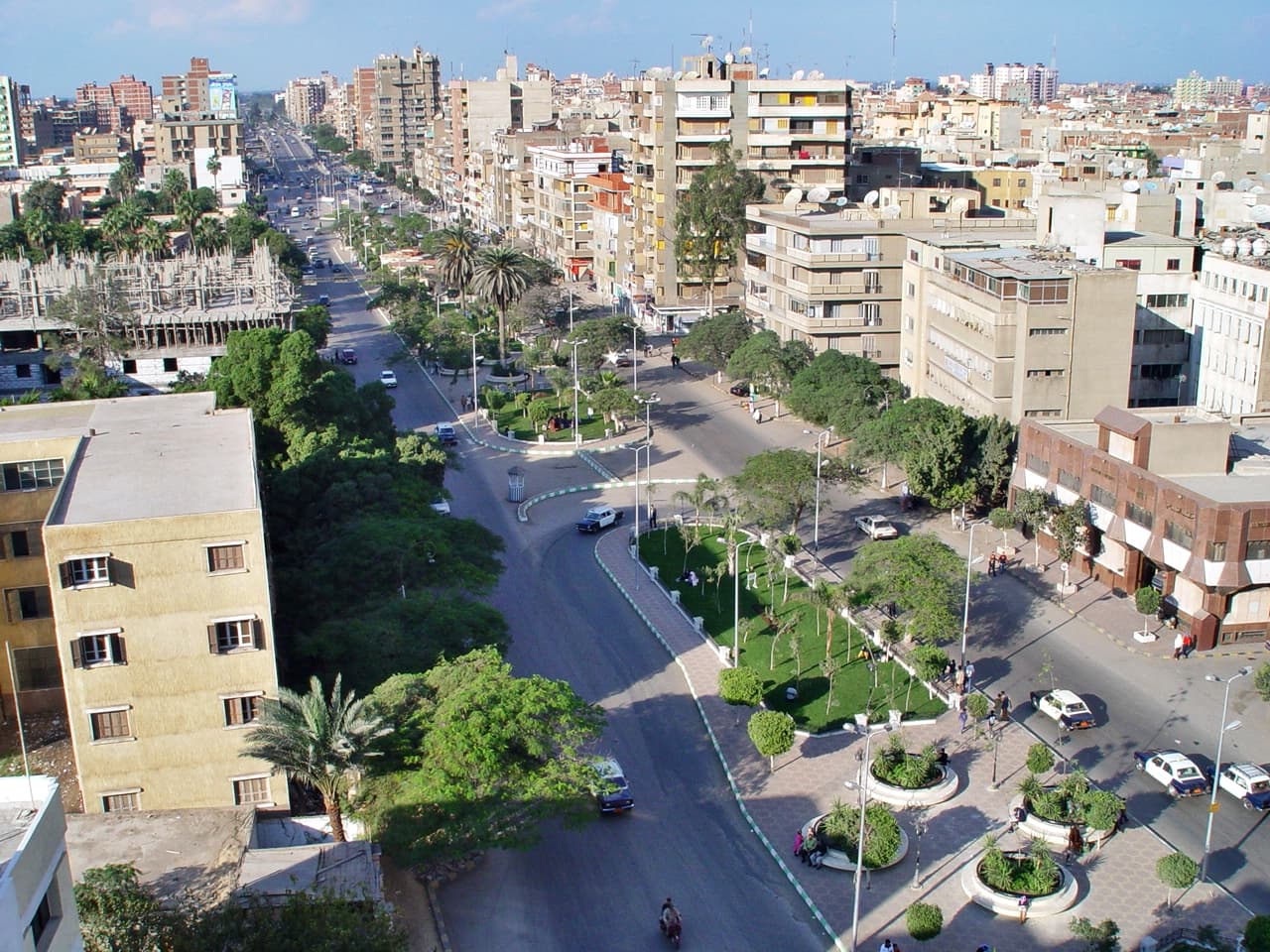
Le paysage urbain de Tanta est un mélange d'ancien et de contemporain. De larges avenues sillonnent les quartiers plus anciens, où l'odeur des épices et du pain fraîchement cuit flotte dans l'air. L'énergie de la ville est palpable, un bourdonnement constant de commerce, de conversation et de dévotion. Tanta offre un aperçu des traditions durables et du caractère évolutif de la vie égyptienne, loin des grands centres métropolitains.
Les origines de Tanta remontent à l'Antiquité, bien que sa proéminence ait véritablement commencé à se solidifier avec l'arrivée de l'Islam. La région, comme une grande partie du delta du Nil, était une terre fertile pour l'agriculture et le commerce, attirant des colonies au fil des millénaires. Cependant, la documentation spécifique de Tanta en tant que centre urbain significatif devient plus claire à l'époque médiévale.
La transformation de la ville en un important foyer spirituel a commencé au XIIIe siècle avec l'arrivée de Sayyid Ahmad al-Badawi, un mystique soufi vénéré. Né à Fès, au Maroc, al-Badawi a beaucoup voyagé avant de s'installer à Tanta vers 1236 après J.-C. Ses enseignements et sa présence spirituelle ont attiré de nombreux adeptes, et après sa mort, sa tombe est devenue un point central de pèlerinage. Le festival annuel du Moulid al-Badawi, commémorant sa vie, est devenu l'une des plus grandes célébrations religieuses d'Égypte, attirant des millions de personnes et cimentant la réputation de Tanta en tant que cœur spirituel.
Au cours des siècles plus récents, Tanta a continué à se développer en tant que centre agricole et industriel. Sa situation stratégique dans le delta du Nil en a fait un pôle naturel pour la production de coton et d'autres produits agricoles. L'avènement des chemins de fer au XIXe siècle a encore relié Tanta au Caire et à Alexandrie, accélérant son développement économique. Aujourd'hui, la ville reste un maillon vital des réseaux de transport et économiques de l'Égypte, équilibrant son ancien héritage spirituel avec son dynamisme commercial moderne.
La mosquée Al-Sayyid Ahmad al-Badawi est l'ancre spirituelle de Tanta, une grande structure qui abrite le tombeau du vénéré saint soufi. Ses vastes cours et ses détails complexes invitent à la contemplation. Le musée de Tanta, un dépositaire de l'histoire régionale, expose des artefacts allant de l'époque pharaonique aux époques romaine, copte et islamique, offrant un aperçu complet du passé stratifié de la région. Pour goûter à la vie locale, flânez dans les souks animés de la ville, où les marchands proposent de tout, des textiles aux épices. Pendant le festival du Moulid al-Badawi, les rues autour de la mosquée deviennent un spectacle animé de ferveur religieuse et de divertissements populaires.
Les mois plus frais, d'octobre à avril, offrent le temps le plus agréable pour explorer Tanta. Les températures sont douces, rendant les activités de plein air et les promenades dans les quartiers de la ville plus plaisantes. Si vous souhaitez vivre le festival animé du Moulid al-Badawi, planifiez votre visite fin octobre, mais préparez-vous à de grandes foules et à une atmosphère animée.
Tanta est facilement accessible en train depuis Le Caire et Alexandrie, avec des services fréquents en faisant une excursion d'une journée ou un séjour d'une nuit pratique. Dans la ville, les taxis et les minibus sont facilement disponibles pour se déplacer. Bien que l'arabe soit la langue principale, un peu d'anglais peut être compris dans les zones touristiques. Habillez-vous modestement, en particulier lors de la visite de sites religieux, en signe de respect. Préparez-vous à un environnement urbain animé et au rythme énergique d'une ville égyptienne en activité.
Tanta en coréen, en chinois ou en hébreu — et dans 29 autres langues, chaque étape narrée par une voix native. La plus large gamme de langues de tous les audioguides autoguidés.
Disponible en :