Estación de Tren de Thiès
Thiès fue el pulso del ferrocarril de África Occidental, pero una huelga significativa aquí hizo más que solo detener trenes.
La historia completa se desbloquea en el tour
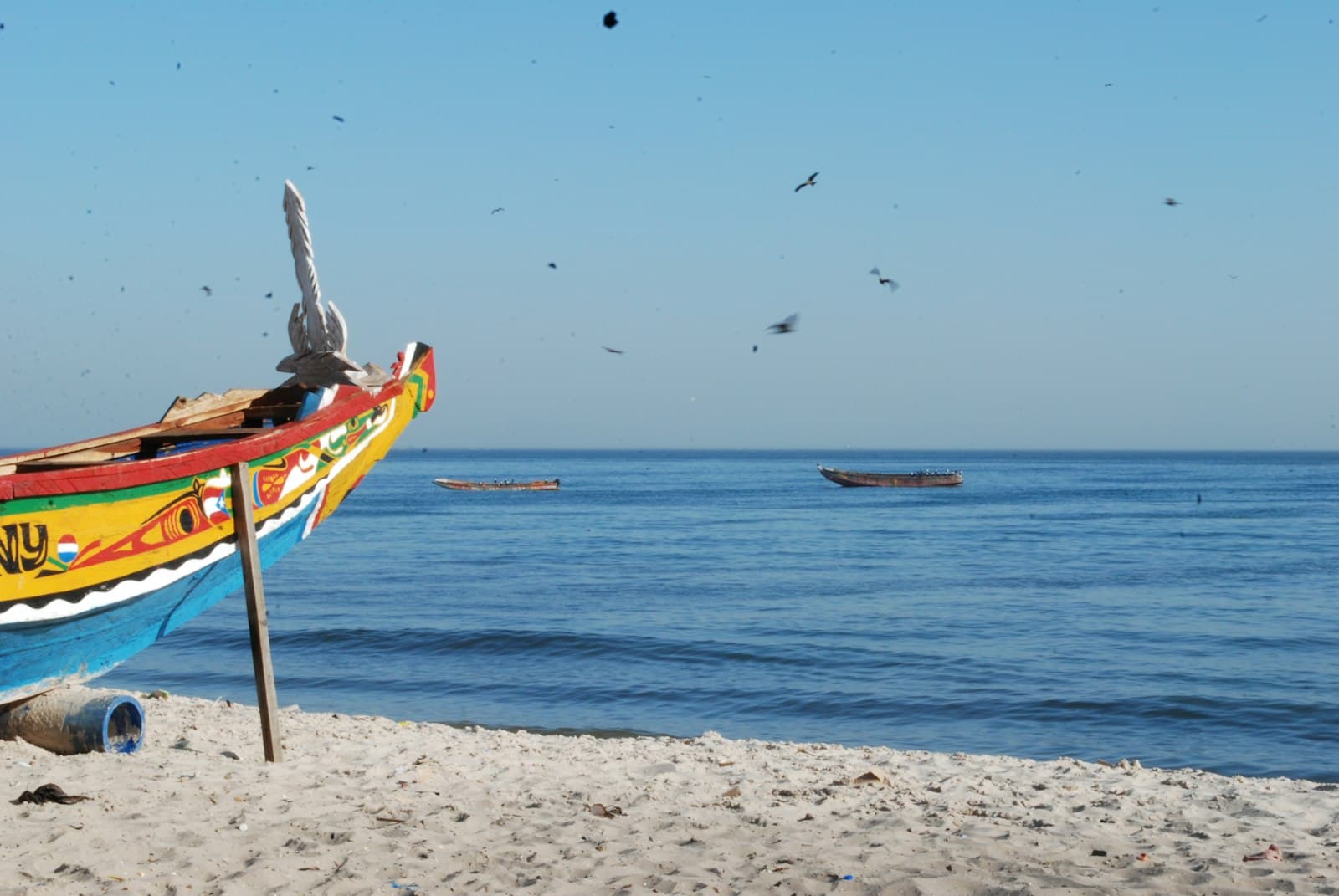 Photo: Cheikh Tidiane Ndiaye / Unsplash
Tour de audio autoguiado de Thiès — ruta GPS a pie, reproducción offline, narración en 32 idiomas.
“Donde hilos de arte se tejen a través del legado de los rieles.”
No las postales. Las historias que ni los locales conocen — al oído, justo donde ocurrieron.
Thiès fue el pulso del ferrocarril de África Occidental, pero una huelga significativa aquí hizo más que solo detener trenes.
Los brillantes tapices de Thiès son reconocidos en todo el mundo, pero su creación fue una afirmación deliberada de la identidad nacional.
Antes de la llegada de los franceses, la Meseta de Thiès era una zona fronteriza con una presencia indígena particular.
Descubre todos los secretos de Thiès
Cada dirección, cada revelación al completo — a tu oído, justo donde ocurrió.
Eliges tus paradas. Caminas. La voz te revela lo que los demás ignoran.


Tu tour de audioguía por Thiès te espera — elige tus lugares, tu idioma y empieza al llegar.
ComprarLume incluye una guía de realidad aumentada. Levanta el móvil y su cámara muestra la calle que tienes delante, con una flecha luminosa sobre la imagen real que siempre apunta a tu próxima parada — sin mapas que descifrar, sin giros equivocados. Como todo en Lume, funciona completamente sin conexión.
Thiès, pronunciado "Ties", es la tercera ciudad más grande de Senegal, un dinámico núcleo urbano situado a unos 72 kilómetros al este de la capital, Dakar. Funciona como un cruce vital, conectando varias regiones de Senegal e incluso extendiendo su alcance al vecino Malí a través de sus perdurables líneas ferroviarias. Más allá de su importancia logística, la ciudad late con una cadencia cultural distintiva, ofreciendo un encuentro senegalés más accesible y genuino en comparación con la bulliciosa metrópolis de Dakar.
Thiès es un lugar donde la historia, la industria y el arte convergen. Es una ciudad moldeada por su pasado colonial, evidente en sus amplias avenidas y el papel fundamental del puesto militar francés establecido en 1864. Hoy en día, es reconocida por su activa comunidad artesanal, particularmente su fábrica de tapices aclamada mundialmente, y su continua evolución como centro industrial y educativo. Para los viajeros que buscan una inmersión más profunda en la vida diaria senegalesa, lejos de los caminos turísticos habituales, Thiès presenta un destino atractivo.
La historia de Thiès está intrínsecamente ligada a su posición estratégica y al poder transformador del ferrocarril. Antes de la colonización francesa, la Meseta de Thiès era una frontera boscosa, habitada por el pueblo Serer-Noon, que servía como demarcación entre los reinos de Cayor y Baol. En 1863, las autoridades coloniales francesas establecieron un fuerte militar, sentando las bases de la ciudad moderna.
El verdadero impulso para la expansión de Thiès fue la llegada del ferrocarril. En 1885, la línea Dakar-Saint-Louis, la primera línea ferroviaria en el África Occidental Francesa, se inauguró con una parada en Thiès. Esto transformó el pequeño pueblo en un cruce ferroviario estratégicamente importante, consolidado aún más por la construcción de la línea Dakar-Níger entre 1904 y 1924. Thiès se convirtió rápidamente en el principal centro de transporte y logística de toda la colonia, atrayendo a comerciantes, trabajadores y personal militar. El establecimiento de los talleres ferroviarios más grandes de África Occidental aquí solidificó su posición como centro industrial.
Este crecimiento industrial también fomentó un poderoso movimiento obrero. Los trabajadores ferroviarios de Thiès desempeñaron un papel crucial en el surgimiento del activismo laboral de Senegal, con huelgas en 1937 y la significativa huelga ferroviaria de 1947-1948, que se convirtieron en eventos históricos en el movimiento anticolonial en toda el África Occidental Francesa. Tras la independencia de Senegal en 1960, Thiès continuó evolucionando. Bajo la iniciativa del presidente Léopold Sédar Senghor, las Manufactures Sénégalaises des Arts Décoratifs fueron fundadas en 1966, estableciendo a Thiès como un centro global para el arte del tapiz. La ciudad también se convirtió en un importante centro educativo con la fundación de la École Polytechnique de Thiès en 1973, formando ingenieros para diversos sectores. Hoy en día, aunque la industria ferroviaria ha experimentado un declive gradual, Thiès ha diversificado su economía, atrayendo nuevas inversiones industriales y desarrollándose como una extensión de la congestionada Península de Cap-Vert, con planes para mejorar la conectividad con Dakar.
Comience su exploración en las Manufactures Sénégalaises des Arts Décoratifs (MSAD), donde podrá observar la creación de tapices reconocidos mundialmente y apreciar el legado artístico fomentado por el primer presidente de Senegal. Para una visión del papel central de la ciudad en la historia de África Occidental, visite el Museo del Ferrocarril de Thiès, situado en los antiguos talleres ferroviarios, que narra la historia de la línea Dakar-Níger y los importantes movimientos laborales que comenzaron aquí.
Sumérjase en la vida diaria en el activo mercado de Thiès en el barrio de Medina, donde descubrirá telas coloridas, artículos hechos a mano y el aroma de las especias. Para una muestra de la animada escena nocturna de la ciudad y la música local, el Palais Des Arts cobra vida después del anochecer con actuaciones en vivo. Mientras esté en Thiès, considere una excursión a sitios naturales cercanos como la Réserve de Bandia para la observación de vida silvestre o las playas y complejos turísticos que rodean Saly. Los Bosques de Balabougou y Nianing ofrecen oportunidades para caminar y descubrir enormes árboles baobab. Para un placer culinario distintivo, busque O'Peche Mignon, conocido por su excepcional helado.
El momento más favorable para visitar Thiès es durante la estación seca, que abarca de noviembre a mayo. Durante estos meses, puede esperar cielos más despejados, menor humedad y temperaturas más agradables, que suelen oscilar entre 20 y 35 °C (68 y 95 °F). Este período es ideal para actividades al aire libre y explorar la ciudad sin las fuertes lluvias que pueden transformar los caminos sin pavimentar en barro y limitar el acceso durante la estación húmeda (junio a octubre). Aunque la estación húmeda trae una exuberante vegetación, el aumento de la humedad y la mayor probabilidad de lluvias pueden hacer que algunas actividades sean menos agradables.
Thiès se encuentra aproximadamente a 70-72 kilómetros al este de Dakar y es fácilmente accesible a través de la Autopista 2, con un viaje de 1 a 1.5 horas en coche o autobús. El transporte público dentro de Thiès incluye minibuses coloridos conocidos como car rapide, taxis y mototaxis (bajaj). Siempre acuerde la tarifa con los conductores de taxi y bajaj de antemano. Para excursiones nocturnas, se recomiendan los taxis oficiales. Aunque generalmente es seguro, es aconsejable tener precaución, particularmente en áreas aisladas después del anochecer, y estar atento a sus pertenencias para disuadir pequeños robos. Vístase modestamente, especialmente en áreas más tradicionales, para respetar las costumbres locales. El francés y el wólof son los idiomas principales, y conocer algunas frases básicas mejorará sus interacciones. El agua embotellada está ampliamente disponible y es recomendable.
Thiès en coreano, en chino o en hebreo — y 29 idiomas más, cada parada narrada por una voz nativa. La mayor variedad de idiomas de cualquier audioguía autoguiada.
Disponible en: