Lago Tissa Wewa
Este antiguo embalse, más allá de su propósito de irrigación, se convierte en un escenario nocturno para un espectáculo alado muy particular.
La historia completa se desbloquea en el tour
 Krankman / CC BY 3.0, via Wikimedia Commons
Tour de audio autoguiado de Tissamaharama — ruta GPS a pie, reproducción offline, narración en 32 idiomas.
“Donde reinos ancestrales se encuentran con horizontes salvajes, una saga del sur de Sri Lanka.”
No las postales. Las historias que ni los locales conocen — al oído, justo donde ocurrieron.
Este antiguo embalse, más allá de su propósito de irrigación, se convierte en un escenario nocturno para un espectáculo alado muy particular.
Uno de los templos más venerados de Sri Lanka narra una sorprendente historia sobre la legendaria llegada de una reina.
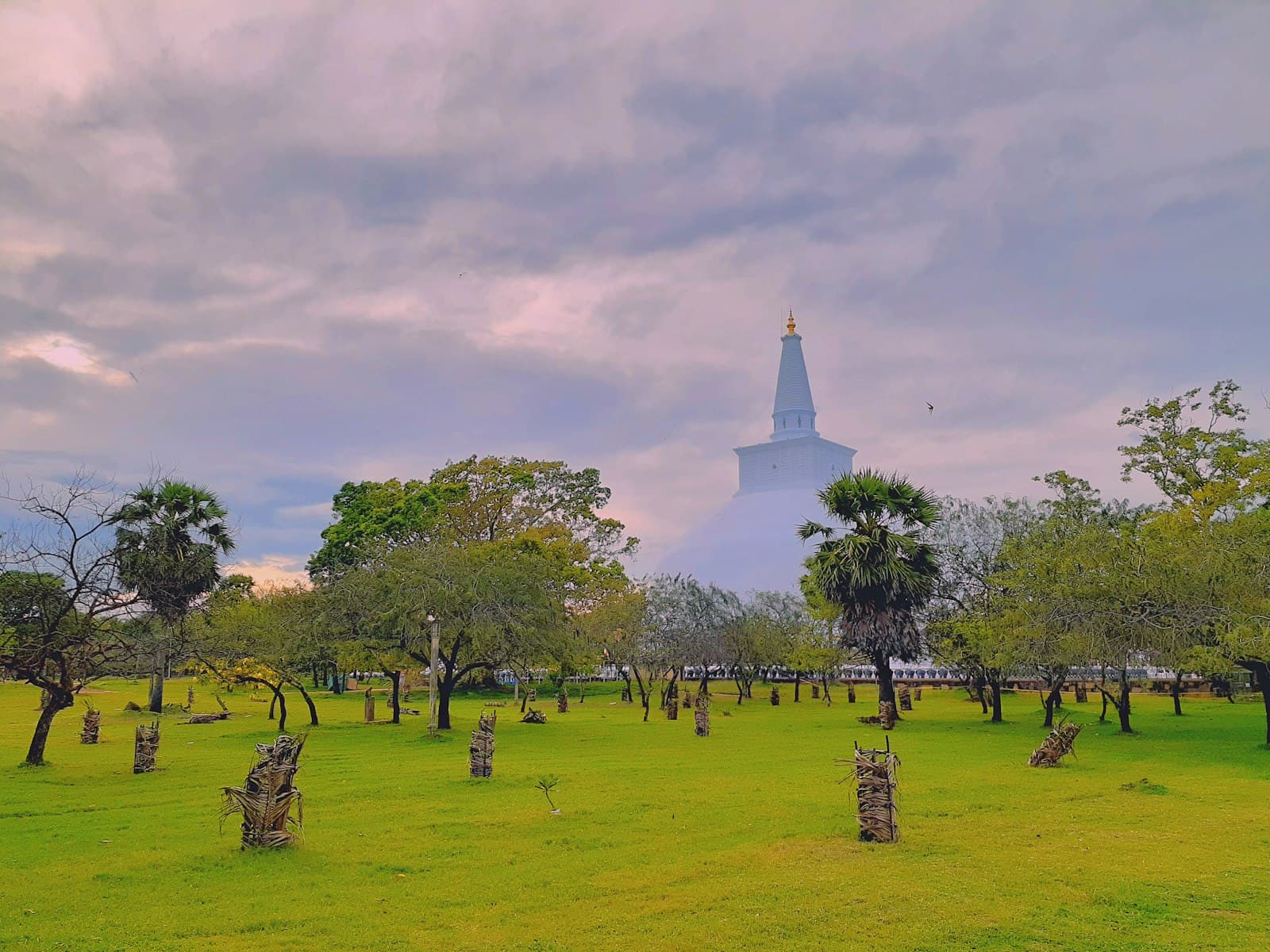
Esta antigua estupa marca un momento fundacional para una de las figuras más célebres de Sri Lanka.
Descubre todos los secretos de Tissamaharama
Cada dirección, cada revelación al completo — a tu oído, justo donde ocurrió.
Eliges tus paradas. Caminas. La voz te revela lo que los demás ignoran.
Tu tour de audioguía por Tissamaharama te espera — elige tus lugares, tu idioma y empieza al llegar.
ComprarLume incluye una guía de realidad aumentada. Levanta el móvil y su cámara muestra la calle que tienes delante, con una flecha luminosa sobre la imagen real que siempre apunta a tu próxima parada — sin mapas que descifrar, sin giros equivocados. Como todo en Lume, funciona completamente sin conexión.
Tissamaharama, a menudo conocida simplemente como Tissa, es una ciudad en la Provincia del Sur de Sri Lanka que presenta una atractiva combinación de herencia antigua, profundidad cultural y una puerta de entrada a experiencias de vida silvestre notables. Alguna vez capital del antiguo Reino de Ruhuna, sus orígenes se extienden hasta el siglo III a.C., estableciéndola como uno de los asentamientos más importantes históricamente de la isla.
Hoy en día, Tissamaharama es quizás más reconocida como el principal punto de partida para safaris al Parque Nacional de Yala, celebrado por sus leopardos y elefantes. Sin embargo, más allá de la emoción de los encuentros con la vida silvestre, la ciudad ofrece una atmósfera tranquila con sus antiguos templos budistas, lagos serenos y un palpable sentido de historia perdurable. Es un lugar donde los ecos de la realeza aún resuenan, y donde la vida tradicional del pueblo se desarrolla a un ritmo suave, invitando a los visitantes a explorar más allá del camino turístico típico.
La narrativa de Tissamaharama comienza en el siglo III a.C., cuando el Príncipe Mahanaga, hermano del Rey Devanampiyatissa, estableció el asentamiento de Magama, que se convertiría en la capital inicial del reino independiente del sur de Ruhuna. Esta ubicación estratégicamente posicionada cerca de la costa sur se desarrolló en un centro crucial para el comercio, la gobernanza y las actividades religiosas.
La ciudad floreció verdaderamente bajo el Rey Kavantissa en el siglo II a.C., convirtiéndose en un emblema de resistencia y tenacidad. Se le atribuye la construcción del magnífico Tissamaharama Raja Maha Vihara, uno de los templos budistas más antiguos y sagrados de Sri Lanka, y el inmenso embalse Tissa Wewa, una maravilla de ingeniería de irrigación antigua que sigue operativa hoy en día. También fue aquí donde su hijo, el Príncipe Dutugemunu, maduró y se preparó para su legendaria campaña para unir Sri Lanka, iniciando su histórica marcha hacia el norte desde Tissamaharama.
A lo largo de los períodos de Anuradhapura y Polonnaruwa, Tissamaharama mantuvo su importancia. Cuando las capitales del norte sucumbieron a los invasores, el Reino de Ruhuna frecuentemente preservó la soberanía cingalés-budista, haciendo de Tissamaharama un baluarte de continuidad cultural. La ciudad también sirvió como un importante centro comercial, con descubrimientos arqueológicos que revelan extensas redes con Roma, India y el sudeste asiático.
Aunque la ciudad experimentó un período de declive después del siglo XIII, ha resurgido como un importante destino de peregrinación y un tesoro arqueológico. Hoy en día, Tissamaharama se erige como una conexión viva con su glorioso pasado, donde los monumentos antiguos continúan inspirando devoción, y las leyendas de sus reyes y reinas permanecen vívidas en la memoria cultural. Ofrece un encuentro auténtico con la cultura budista del sur de Sri Lanka, entretejida en la existencia diaria.
Comience su viaje en el Tissamaharama Raja Maha Vihara, un antiguo complejo de templos budistas distinguido por su grandiosa estupa blanca, que data del siglo III a.C. Es un importante sitio de peregrinación y un testimonio de siglos de dedicación espiritual.
Adyacente al templo se encuentra el Lago Tissa Wewa, un antiguo embalse artificial construido por el Rey Kavantissa. Ofrece un entorno tranquilo para un paseo, una excursión en barco o la observación de aves, particularmente al amanecer o al anochecer, cuando la estupa se refleja en sus aguas y los murciélagos de la fruta alzan el vuelo.
A poca distancia se encuentra Yatala Vehera, otra antigua estupa que se cree conmemora el lugar de nacimiento del Príncipe Dutugemunu. También puede descubrir los restos de un antiguo monasterio, Galkanumandiya, cerca.
Para aquellos interesados en la vida silvestre, Tissamaharama sirve como punto de entrada al Parque Nacional de Yala, el santuario de vida silvestre más frecuentado de Sri Lanka, conocido por sus altas poblaciones de leopardos, elefantes, osos perezosos y una diversa avifauna. Una opción menos concurrida para la observación de aves es el Parque Nacional de Bundala, celebrado por sus flamencos y aves migratorias.
Considere una excursión de un día a Kataragama, una ciudad sagrada venerada por budistas, hindúes, musulmanes y cristianos por igual, situada aproximadamente a 25 km de Tissamaharama. Además, la pintoresca Playa de Kirinda y su antiguo templo, a unos 10 km de distancia, proporcionan un elemento costero a su visita.
El momento ideal para visitar Tissamaharama es durante la estación seca, de diciembre a marzo. En estos meses, el clima es cálido, árido y soleado, lo que lo hace perfecto para explorar ruinas antiguas, templos y, especialmente, para safaris de vida silvestre en el Parque Nacional de Yala, ya que los niveles más bajos de agua mejoran la visibilidad de los animales. Aunque Tissamaharama disfruta de un clima cálido durante todo el año, la temporada de monzones suele traer fuertes lluvias de junio a noviembre, siendo noviembre el mes más húmedo.
Tissamaharama es fácilmente accesible por carretera desde Colombo y otras ciudades importantes, con un viaje que dura aproximadamente de 5 a 6 horas en coche. También puede tomar un tren desde Colombo hasta Beliatta y luego un taxi, o un autobús directo a Tissamaharama. El Aeropuerto Internacional Mattala Rajapaksa (HRI) es el aeropuerto más cercano, a unos 30 km de distancia.
Las opciones de alojamiento varían desde casas de huéspedes económicas hasta hoteles de gama media y complejos turísticos de lujo, muchos de los cuales ofrecen paquetes de safari. Al organizar safaris, es aconsejable reservar a través de su alojamiento o de un operador turístico de buena reputación, y siempre confirmar el precio de antemano. Vístase respetuosamente al visitar templos, asegurándose de que sus hombros y rodillas estén cubiertos, y recuerde quitarse los zapatos antes de entrar. Lleve repelente de insectos, especialmente por las noches, y manténgase hidratado con agua embotellada.
Tissamaharama en coreano, en chino o en hebreo — y 29 idiomas más, cada parada narrada por una voz nativa. La mayor variedad de idiomas de cualquier audioguía autoguiada.
Disponible en: