Catedral de Saint-Étienne
La imponente fachada de la catedral esconde una evolución arquitectónica que desafía la típica construcción gótica.
La historia completa se desbloquea en el tour
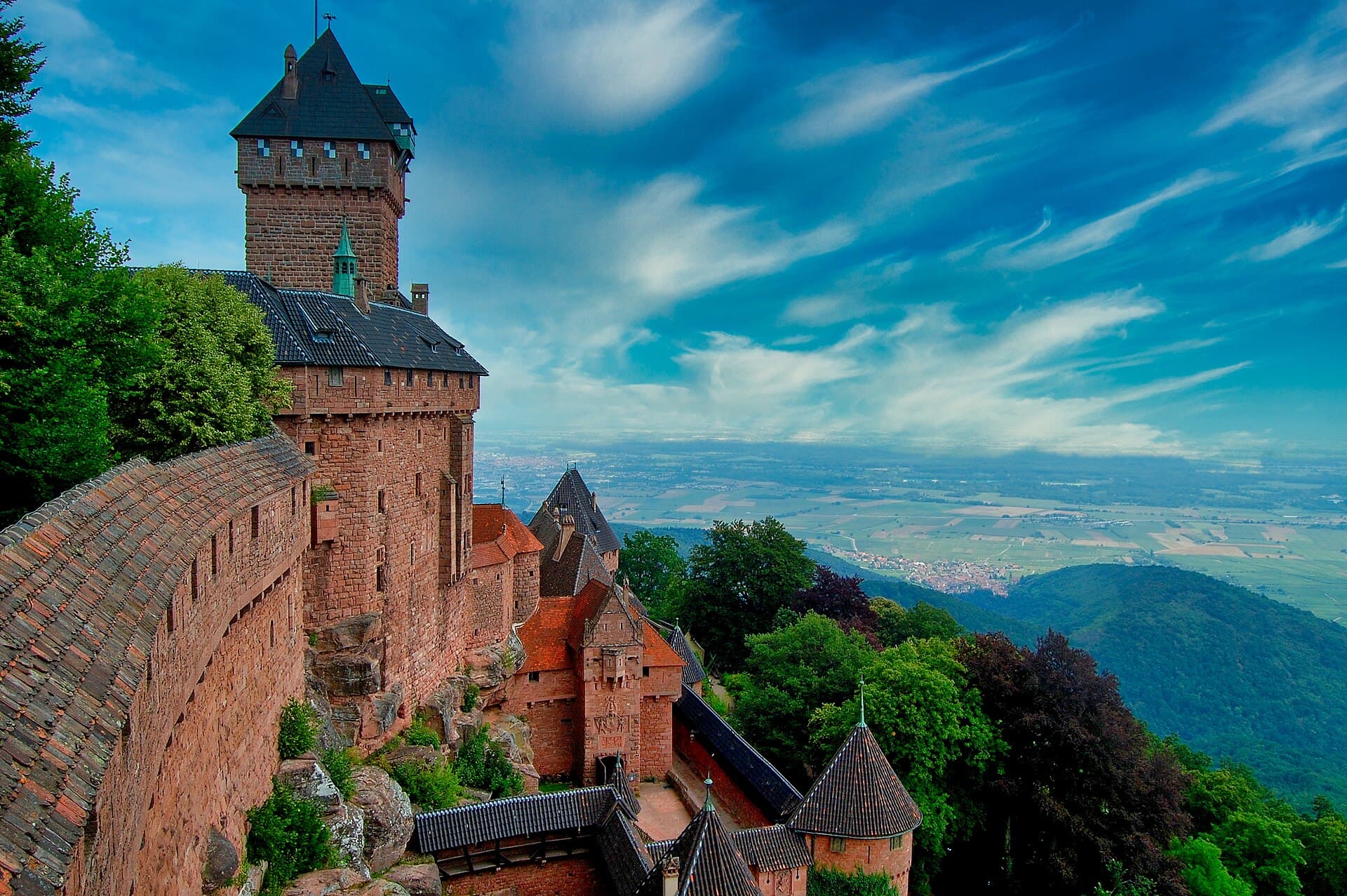 Drew de F Fawkes / cc by 2.0, via Wikimedia Commons
Tour de audio autoguiado de Toul — ruta GPS a pie, reproducción offline, narración en 32 idiomas.
“Donde muros ancestrales narran historias de emperadores, obispos y soldados americanos.”
No las postales. Las historias que ni los locales conocen — al oído, justo donde ocurrieron.
La imponente fachada de la catedral esconde una evolución arquitectónica que desafía la típica construcción gótica.
Bajo las imponentes murallas de Vauban, capas de defensas olvidadas susurran historias de asedios anteriores.
Una de las puertas históricas de Toul guarda un ingenioso secreto de su original astucia defensiva.
Descubre todos los secretos de Toul
Cada dirección, cada revelación al completo — a tu oído, justo donde ocurrió.
Eliges tus paradas. Caminas. La voz te revela lo que los demás ignoran.
Tu tour de audioguía por Toul te espera — elige tus lugares, tu idioma y empieza al llegar.
ComprarLume incluye una guía de realidad aumentada. Levanta el móvil y su cámara muestra la calle que tienes delante, con una flecha luminosa sobre la imagen real que siempre apunta a tu próxima parada — sin mapas que descifrar, sin giros equivocados. Como todo en Lume, funciona completamente sin conexión.
Toul, una ciudad en el departamento de Meurthe y Mosela, en el noreste de Francia, invita a un viaje a través de siglos de historia europea. Situada a unos 20 kilómetros al oeste de Nancy, se asienta en la orilla derecha del río Mosela, cerca del Canal Marne-Rin. Conocida una vez como Tullum Leucorum por los romanos, Toul sirvió como capital de la tribu gala de los Leuci, ganando importancia bajo el dominio romano. Su ubicación estratégica en la ruta Lyon-Tréveris fomentó el crecimiento económico, alcanzando su apogeo como uno de los influyentes Tres Obispados, junto con Metz y Verdún.
Hoy, Toul, con sus casi 17.000 habitantes, es reconocida como Ciudad de Arte e Historia. Su patrimonio arquitectónico histórico, que incluye la impresionante Catedral de Saint-Étienne y la Colegiata de Saint-Gengoult, invita a la exploración a pie por su casco antiguo. Más allá de su carácter medieval, Toul también desempeña un papel en la economía moderna, con una de las mayores centrales fotovoltaicas de Francia y un parque empresarial que contribuyen a su resurgimiento. Los cercanos viñedos de Côtes-de-Toul, célebres por sus vinos grises, y el cultivo de ciruelas mirabel realzan aún más la reputación de la ciudad.
Los visitantes de Toul pueden sumergirse en una narrativa tejida a partir de orígenes romanos, poder episcopal y estrategia militar, todo ello evidente en sus murallas bien conservadas y edificios históricos. El pasado de la ciudad no se limita a los museos, sino que está vivo en sus calles, ofreciendo una conexión tangible con las fuerzas que dieron forma a este rincón de Lorena.
Los orígenes de Toul se remontan a la época romana, cuando era conocida como Tullum Leucorum, la capital de la tribu gala de los Leuci. Su posición estratégica en la calzada romana de Lyon a Tréveris impulsó su desarrollo económico temprano. El cristianismo llegó en el siglo IV con San Mansuy, y la diócesis de Toul se estableció alrededor del año 365 d.C. En el siglo X, los obispos de Toul ostentaban un poder significativo, actuando como condes soberanos. La ciudad se convirtió en uno de los influyentes Tres Obispados (Trois Évêchés), un territorio que también incluía Metz y Verdún, a menudo disputado entre el Sacro Imperio Romano Germánico y Francia.
En 1552, el rey Enrique II de Francia anexionó Toul, un movimiento reconocido oficialmente por el Sacro Imperio Romano Germánico con la Paz de Westfalia en 1648. Esto marcó la integración de Toul en el reino francés y solidificó su papel como fortaleza fronteriza. Hacia finales del siglo XVII, el renombrado ingeniero militar Sébastien Le Prestre de Vauban comenzó a rediseñar las fortificaciones de Toul. Sus planes, iniciados en 1698, tenían como objetivo crear un robusto sistema defensivo con bastiones, revellines y fosos secos, aunque la extensión completa de su visión nunca se completó del todo. Estas murallas, aún visibles hoy, son un testimonio de la perdurable importancia militar de Toul.
El desmembramiento de la diócesis en 1777 y la Revolución Francesa, que llevó a la destrucción de muchos edificios religiosos, marcaron un período de declive para Toul, a medida que Nancy crecía en prominencia. Sin embargo, Toul ganó creciente importancia como ciudad guarnición. Después de la Guerra Franco-Alemana de 1870-71, sus fortificaciones fueron reforzadas aún más por el General Séré de Rivières, quien construyó un cinturón de fuertes periféricos alrededor de la ciudad. Esta red defensiva desempeñó un papel crucial en la Primera Guerra Mundial, con Toul sirviendo como base principal para el Servicio Aéreo del Ejército de los Estados Unidos y un punto de partida para ofensivas importantes como Saint-Mihiel y Meuse-Argonne. Aunque la ciudad no fue atacada directamente durante la Primera Guerra Mundial, sufrió daños significativos por bombardeos e incendios durante la Segunda Guerra Mundial, con el 40% de su centro urbano destruido. Los esfuerzos de reconstrucción de posguerra preservaron cuidadosamente partes de sus murallas históricas, asegurando que la historia en capas de Toul permanezca visible para las generaciones futuras.
Comience su exploración en la Catedral de Saint-Étienne, una obra maestra de la arquitectura gótica flamígera. Su grandiosa fachada, intrincadas esculturas y altísimas agujas son cautivadoras. Adéntrese para admirar el imponente techo de bóveda de crucería, los grandes vitrales y las excepcionales dimensiones que crean una poderosa impresión. No pase por alto el claustro gótico de la catedral, uno de los más grandes de Francia, que ofrece un refugio de paz. La Colegiata de Saint-Gengoult, construida entre los siglos XIII y XV, también presenta un soberbio claustro de principios del siglo XVI, que combina hábilmente los estilos gótico flamígero y renacentista.
Pasee por las fortificaciones de Vauban que rodean el casco antiguo. Estas impresionantes murallas de piedra, diseñadas originalmente en 1698, revelan capas de historia defensiva, desde muros romanos y medievales hasta las adiciones posteriores de Séré de Rivières. La Porte de Metz es una notable puerta superviviente, que muestra la ingeniería original de Vauban. Para una inmersión más profunda en el pasado de la ciudad, visite el Museo de Arte e Historia, ubicado en la antigua Maison-Dieu, que narra la historia de Toul desde la prehistoria hasta el presente a lo largo de 28 salas. Considere una visita a los cercanos viñedos de Côtes-de-Toul, famosos por sus vinos grises locales.
La época más agradable para visitar Toul para actividades de clima cálido se extiende desde mediados de junio hasta principios de septiembre. Durante estos meses, las temperaturas son agradables, siendo julio el mes más cálido, con máximas promedio de alrededor de 24°C (76°F). Los cielos también son más claros en julio, ofreciendo condiciones ideales para explorar las atracciones al aire libre de la ciudad. Si bien junio y septiembre ofrecen un calor similar con menos multitudes, julio y agosto son los momentos de mayor afluencia para festivales y ambientes animados en toda Francia. La primavera (abril-mayo) y el otoño (octubre) también ofrecen un clima generalmente agradable con menos visitantes, y el campo estalla con flores en flor o ricos colores otoñales.
Toul se encuentra en el departamento de Meurthe y Mosela, aproximadamente a 20 kilómetros al oeste de Nancy. Si viaja en coche, la autopista A31 conecta Toul con Luxemburgo y el Mediterráneo, mientras que la N4 proporciona un acceso rápido entre París y Estrasburgo. Para quienes llegan en tren, la estación de TGV (tren de alta velocidad) más cercana es Nancy, con un trayecto de tren de conexión de 25 minutos hasta Toul. Numerosos servicios de autobuses locales también recorren la zona, conectando con Nancy. La ciudad se explora fácilmente a pie, especialmente el casco antiguo y sus murallas. La gastronomía local incluye especialidades como la quiche Lorraine y las madeleines, con varios restaurantes que ofrecen platos franceses y locales. Los mercados locales también son un buen lugar para encontrar productos frescos y delicias.
Toul en coreano, en chino o en hebreo — y 29 idiomas más, cada parada narrada por una voz nativa. La mayor variedad de idiomas de cualquier audioguía autoguiada.
Disponible en: