Vicolo del Bacio (Callejón del Beso)
Hay un pasaje aquí tan estrecho que se dice que invita a un beso.
La historia completa se desbloquea en el tour
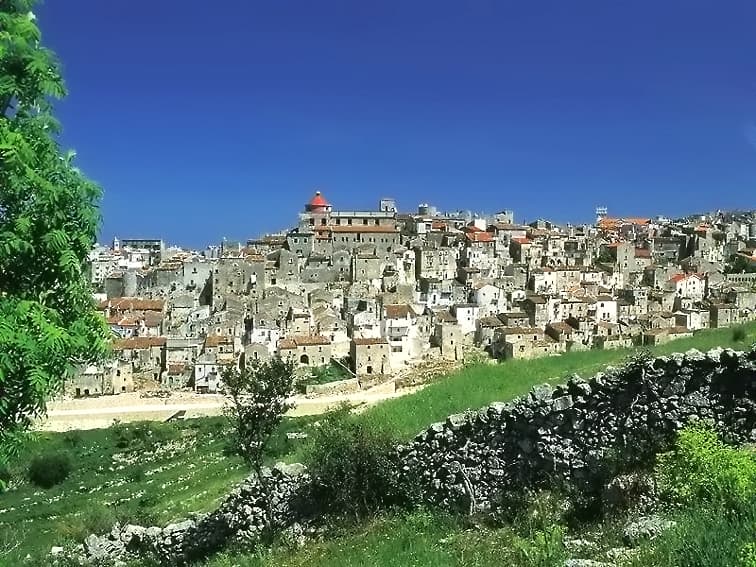 Original uploader was M. A. at it.wikipedia / cc by 2.5, via Wikimedia Commons
Tour de audio autoguiado de Vico del Gargano — ruta GPS a pie, reproducción offline, narración en 32 idiomas.
“Donde las piedras antiguas susurran secretos y el aire con aroma a cítricos flota con historias no contadas.”
No las postales. Las historias que ni los locales conocen — al oído, justo donde ocurrieron.
Hay un pasaje aquí tan estrecho que se dice que invita a un beso.
Una iglesia tranquila guarda un pasado ligado a antiguas costumbres de pureza.
Bajo la ciudad, un mundo de producción de aceite de oliva se conserva.
Descubre todos los secretos de Vico del Gargano
Cada dirección, cada revelación al completo — a tu oído, justo donde ocurrió.
Eliges tus paradas. Caminas. La voz te revela lo que los demás ignoran.
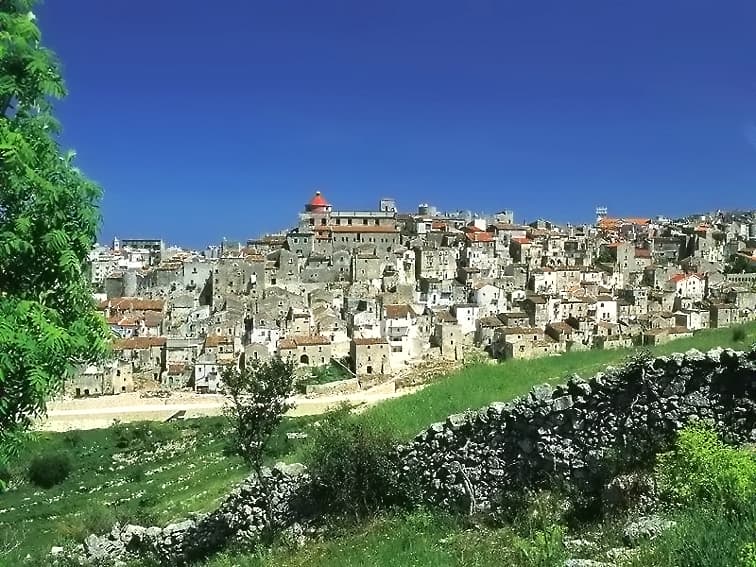
Tu tour de audioguía por Vico del Gargano te espera — elige tus lugares, tu idioma y empieza al llegar.
ComprarLume incluye una guía de realidad aumentada. Levanta el móvil y su cámara muestra la calle que tienes delante, con una flecha luminosa sobre la imagen real que siempre apunta a tu próxima parada — sin mapas que descifrar, sin giros equivocados. Como todo en Lume, funciona completamente sin conexión.
Entre la densa y antigua vegetación del Bosque Umbra y la brillante costa adriática, se despliega Vico del Gargano, un cautivador pueblo en Puglia, Italia. A menudo llamado el 'Pueblo del Amor', es un lugar que no exige atención de manera ostentosa, pero se imprime sutilmente en tu memoria. Es un destino que combina historia, autenticidad y belleza natural, ofreciendo una visión genuina de la vida pugliesa lejos de los centros turísticos más concurridos.
A medida que paseas por su núcleo histórico, un laberinto de callejones estrechos y muros de piedra centenarios, encontrarás un ritmo de vida tranquilo. La fragancia de las flores de naranjo, particularmente fuerte en primavera, a menudo llena el aire, un suave recordatorio de los célebres huertos de cítricos de la región. Vico del Gargano es un orgulloso miembro de 'I Borghi più belli d'Italia' (Los Pueblos más Hermosos de Italia), un testimonio de su encanto conservado y su pintoresco entorno dentro del Parque Nacional del Gargano.
Los orígenes de Vico del Gargano se remontan a asentamientos prehistóricos, con evidencia encontrada en necrópolis como Monte Tabor y Monte Pucci. Se cree que el nombre del pueblo proviene de los Schiavoni, una población eslava invitada por Otón I alrededor del año 900 d.C. Su posición estratégica, entre el bosque y el mar, lo convirtió en un asentamiento significativo a lo largo de la historia.
La era normando-suaba moldeó profundamente Vico del Gargano. El Castillo Normando, inicialmente construido en 1167 y luego ampliado por Federico II en 1240, se erige como un prominente recordatorio de este período. Las murallas defensivas del pueblo, completas con torres de vigilancia, también datan de esta época, específicamente de 1292. Estas fortificaciones, junto con numerosas iglesias históricas, hablan de un pasado estratificado de poder y fe.
A lo largo de los siglos, Vico del Gargano evolucionó, su centro histórico se desarrolló en tres barrios distintos: Civita, Terra y Casale. Civita y Terra estaban encerradas dentro de las murallas de la ciudad, mientras que Casale surgió en una ladera debajo de ellas. La herencia agrícola del pueblo, particularmente sus huertos de cítricos y olivos, se convirtió en una característica definitoria, influyendo en su cultura y tradiciones. A principios del siglo XVII, San Valentín fue aclamado como el santo patrón, no solo de los amantes sino también como protector de los vitales naranjos, una tradición que continúa hasta el día de hoy.
Comienza tu exploración en el centro histórico, un cautivador laberinto de calles estrechas, arcos medievales y atractivas plazas. Asegúrate de encontrar el Vicolo del Bacio (Callejón del Beso), un pasaje famosamente estrecho donde las parejas comparten una tradición romántica. Dominando el pueblo se encuentra el Castillo Normando, una fortaleza con una larga historia que ofrece vistas panorámicas.
La Chiesa Matrice (Iglesia Madre), ubicada en la plaza principal, es una iglesia del siglo XV que guarda siglos de historias y alberga reliquias de San Valentín. Otras iglesias notables incluyen la Chiesa di Santa Maria La Pura, conocida por sus históricos cementerios, y la Chiesa di San Pietro.
Para una visión del pasado agrícola de la región, visita el Museo Trappeto Maratea, un antiguo molino de aceite de oliva subterráneo. Más allá del pueblo, el Bosque Umbra, declarado Patrimonio de la Humanidad por la UNESCO, ofrece un refrescante escape con oportunidades para practicar senderismo y ciclismo entre árboles imponentes. Las cercanas zonas costeras de San Menaio y Calenella ofrecen hermosas playas para relajarse.
Las épocas ideales para visitar Vico del Gargano son primavera y otoño, cuando el clima es templado y agradable para explorar el pueblo y sus alrededores naturales. En primavera, la fragancia de las flores de naranjo llena el aire, una experiencia deliciosa. El verano también es popular, especialmente si planeas combinar tu visita con unas vacaciones en la playa a lo largo de la costa del Gargano, aunque puede ser más cálido y húmedo. El pueblo realmente cobra vida el 14 de febrero para el festival de San Valentín, una experiencia cultural única.
Vico del Gargano está situado en la parte norte de Puglia, dentro del Parque Nacional del Gargano. El aeropuerto principal más cercano es Bari, a aproximadamente 200 km de distancia. Aunque existen opciones de transporte público, se recomienda encarecidamente alquilar un coche para mayor flexibilidad, especialmente si planeas explorar la región más amplia del Gargano. El pueblo está a unos 100 km al norte de Foggia, accesible a través de la carretera SS89. La estación de tren más cercana es San Menaio, en la línea costera, con autobuses locales y taxis que conectan con Vico del Gargano.
Las noches en Vico del Gargano suelen ser lentas y relajadas, con los lugareños reuniéndose en las plazas. Los zapatos cómodos para caminar son esenciales debido a las calles empedradas y el terreno montañoso. La cocina local es sencilla y tradicional, con platos para probar que incluyen pasta orecchiette, queso caciocavallo y la singular paposcia.
Vico del Gargano en coreano, en chino o en hebreo — y 29 idiomas más, cada parada narrada por una voz nativa. La mayor variedad de idiomas de cualquier audioguía autoguiada.
Disponible en: