Aarau's Old Town
Look up as you wander through Aarau's historic core, and you will discover an artistic tradition that literally covers the town.
Full story unlocks in the tour
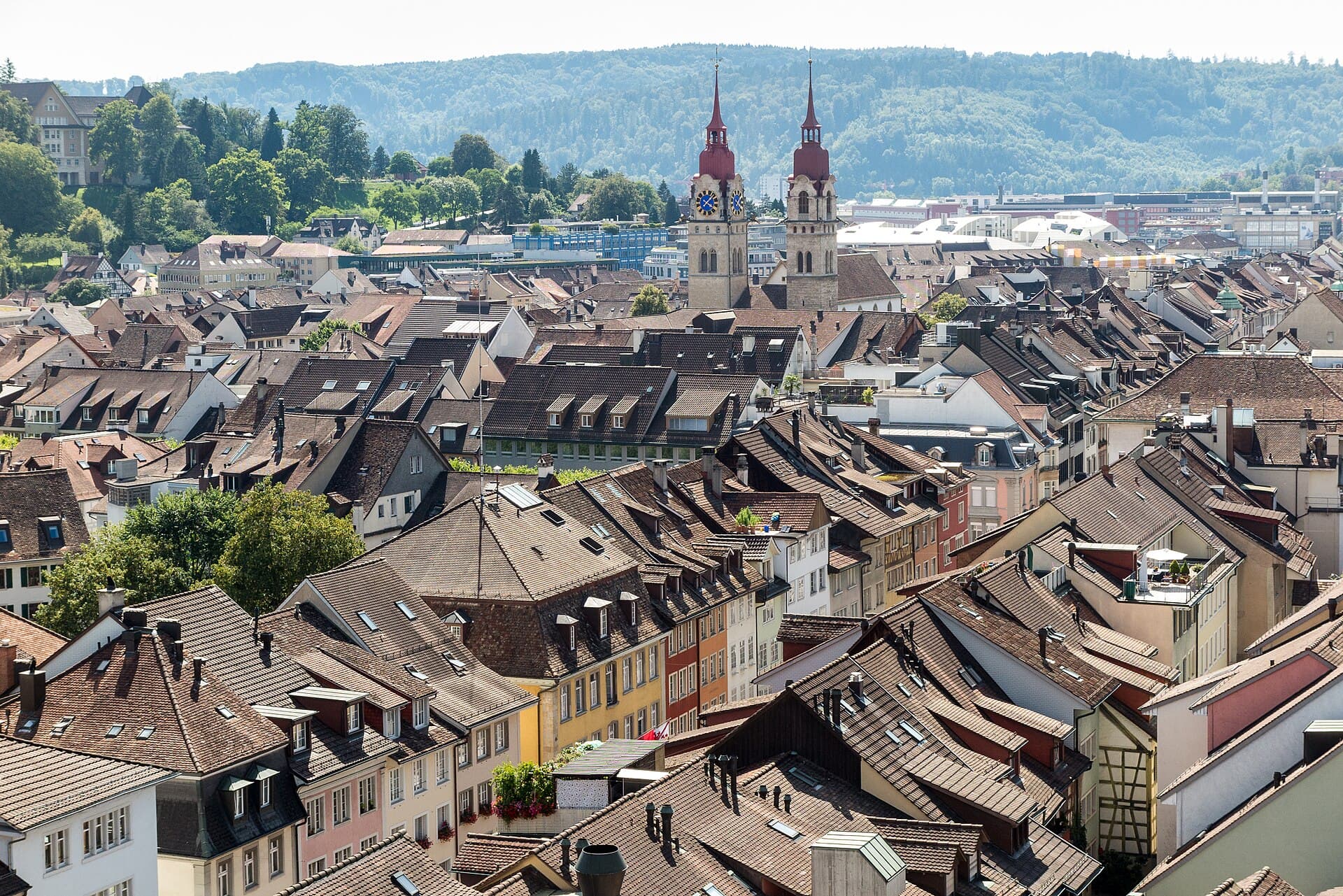 Photo of Winterthur, via Wikimedia Commons
Self-guided audio walking tour of Aarau — GPS route, offline playback, story-driven narration in 32 languages.
“Where painted eaves tell tales and history speaks from every flagstone.”
Not the postcards. The stories even locals don't know — whispered in your ear, right where they happened.
Look up as you wander through Aarau's historic core, and you will discover an artistic tradition that literally covers the town.
This medieval tower, a prominent landmark in Aarau, holds a secret from its past that extends beyond its imposing stone.
Before Bern, another city held the prestigious title of Switzerland's capital, if only for a fleeting period.
Discover every secret of Aarau
Every address, every reveal in full — in your ear, right where it happened.
You pick your stops. You walk. The voice reveals what the others miss.
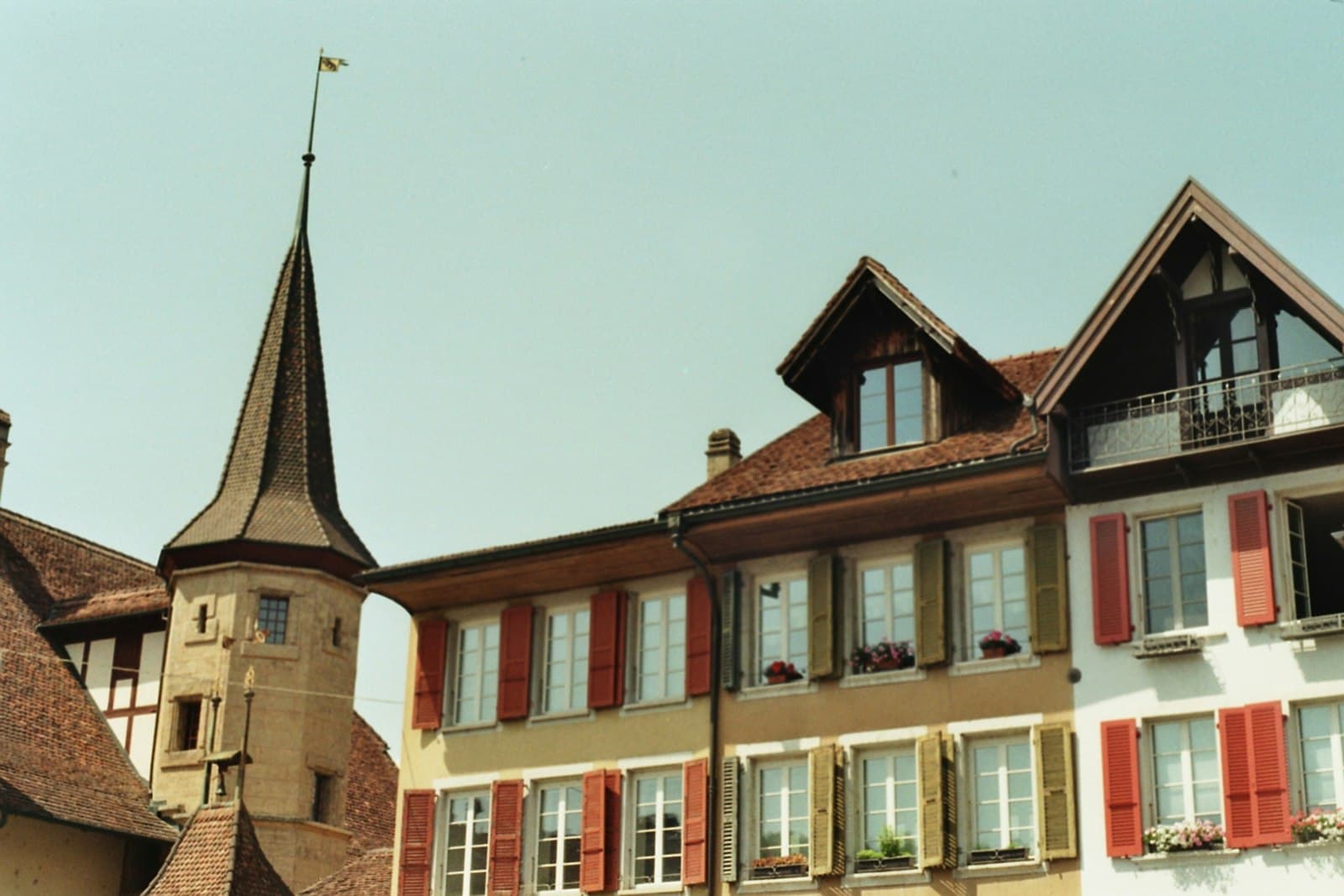
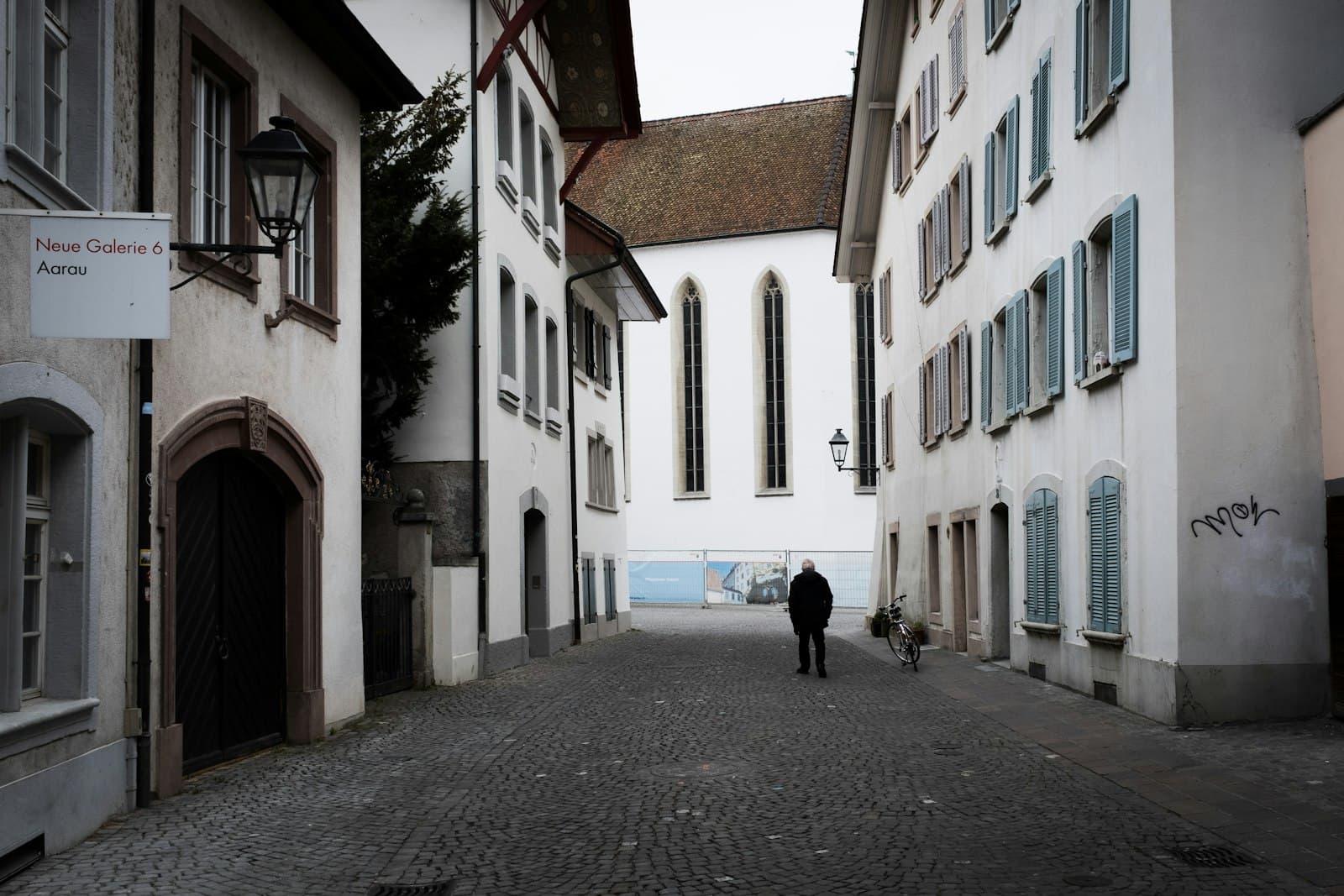
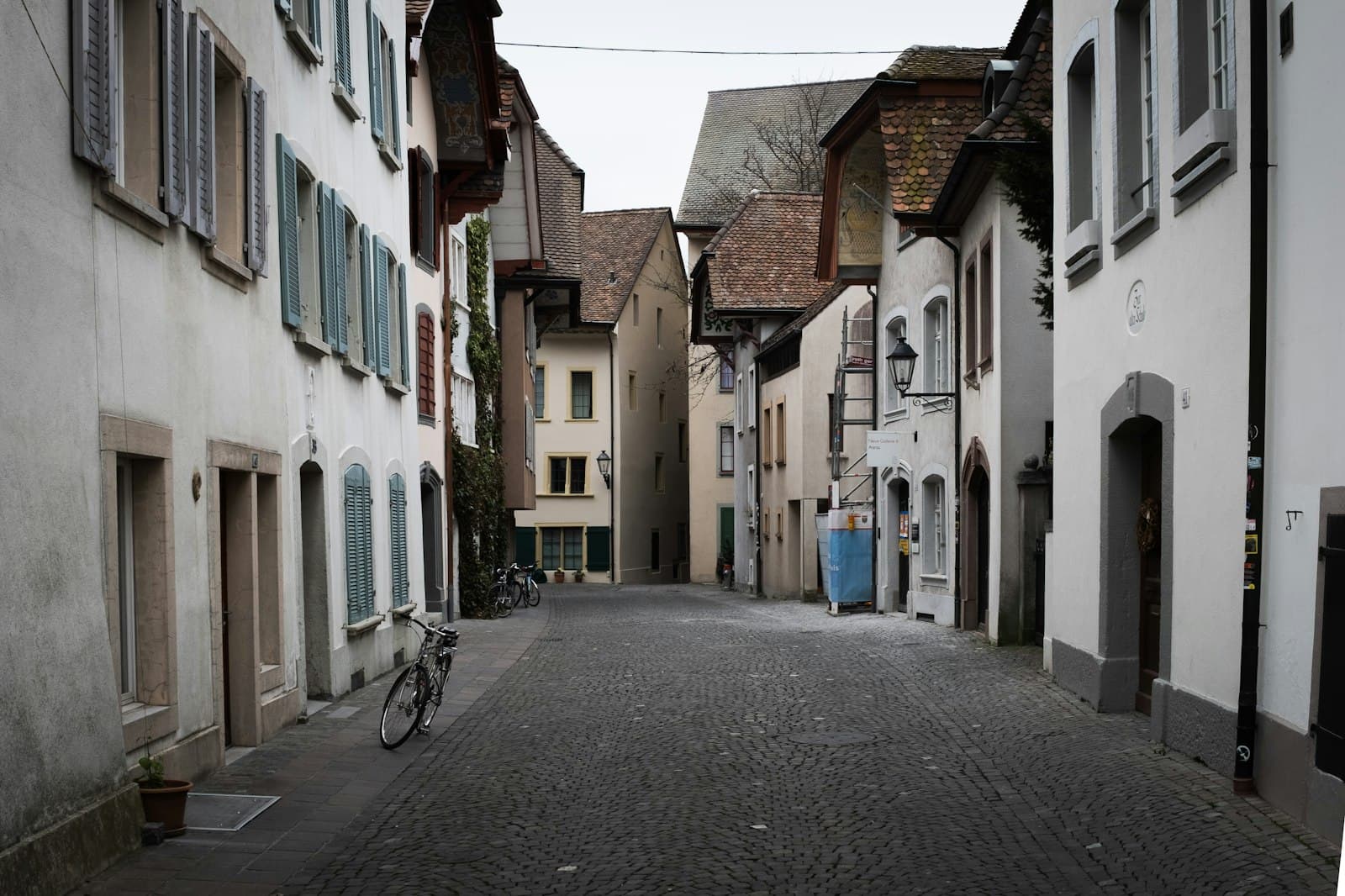
Your self-guided audio tour of Aarau is ready — pick your landmarks, choose your language, and start the moment you arrive.
BuyLume has a built-in augmented-reality guide. Hold your phone up and its camera shows the street ahead of you, with a glowing arrow laid over the real view that always points to your next stop — no map to puzzle over, no wrong turns. Like everything in Lume, it works fully offline.
Aarau, the capital of the northern Swiss canton of Aargau, offers a captivating blend of history, culture, and the quiet beauty of nature. Situated on the right bank of the Aare River, at the southern foot of the Jura Mountains, the city serves as a picturesque gateway to the Swiss Plateau. Its charming old town, with its distinctive painted roof gables, invites visitors to wander through narrow alleys and discover centuries of stories etched in stone and art.
Beyond its architectural allure, Aarau is a city that embraces both its past and present. It maintains a compelling cultural scene with museums showcasing Swiss art and natural history, alongside modern architectural elements. The city's strategic location also makes it an excellent base for exploring the wider Aargau canton, known for its enduring castles and scenic landscapes.
Aarau's origins trace back to approximately 1240, when it was founded by the counts of Kyburg. The settlement, initially mentioned as "Arowe" in 1248, grew on a rocky outcrop overlooking the Aare River, a strategic position that offered natural defense and control over trade routes via a crucial bridge. Following the extinction of the Kyburg line in 1273, the city passed into the hands of the Habsburg dynasty, with King Rudolf I von Habsburg officially granting Aarau its city rights in 1283.
During the 14th century, Aarau underwent significant expansion, including the construction of a second defensive wall. In 1415, the city came under the administration of Bern after a short resistance. The 16th century saw the introduction of Protestantism in 1528, influenced by Bern, and a period of population growth that led to taller buildings and denser construction. It was during this time that the unique tradition of painting the undersides of roof overhangs, the 'Dachhimmel,' began to flourish.
A pivotal moment in Aarau's history arrived in 1798 when its central location and a populace with revolutionary ideas led to it being declared the first capital of the Helvetic Republic. Although this status was brief, lasting only a few months before the capital moved to Lucerne, it marked Aarau's significant role in the formation of a unified Switzerland. In 1803, under Napoleon's Act of Mediation, Aarau became the administrative center of the newly formed Canton of Aargau, a status it retains today. The 19th century brought further changes, including the dismantling of most of the city walls and the replacement of its medieval wooden bridge with a steel suspension bridge in 1851, followed by a concrete bridge in 1952. The city also became connected to the Swiss Central Railway in 1856, further solidifying its importance as a regional hub.
Aarau's Old Town is a pedestrian-friendly area, perfect for leisurely exploration. Its most distinctive feature is the 'Dachhimmel,' the painted undersides of roof overhangs, which adorn over 70 late Gothic buildings and serve as an open-air art gallery. The Obertorturm, a 13th-century medieval tower, stands as a testament to the city's past, once serving as a prison and guard house. The Stadtkirche, or city church, with its white walls and contrasting red clock, is another notable landmark.
For art enthusiasts, the Aargauer Kunsthaus houses a comprehensive collection of Swiss art from the 18th century to the present, making it one of Switzerland's most influential museums. The Stadtmuseum Aarau, located in the Schlössli, the city's oldest building, offers a vivid look into Aarau's urban life through interactive installations and artifacts. Nature lovers will appreciate Naturama, an interactive museum focusing on the natural history and ecology of the Aargau canton, featuring fossils and life-sized mammoth installations. Beyond the city center, the Wildpark Roggenhausen offers a tranquil escape with local animals like deer, wild boar, and marmots.
Aarau offers distinct experiences across its four seasons. For warm-weather activities and exploring the city under clear skies, late June to early September is ideal, with average daily high temperatures typically above 20°C (69°F). This period is excellent for walking and sightseeing. If you prefer fewer crowds and pleasant weather, the shoulder seasons of spring (April to May) and autumn (September to October) are also recommended. During these times, you can enjoy blooming flowers in spring or the deep hues of fall foliage. Winters, from December to February, are cold but generally mild compared to higher-altitude Swiss regions, with average daytime temperatures around 1–4°C (34–39°F). While less crowded, some attractions may have limited hours during the low season (November and January to March).
Aarau is conveniently located in the center of the Zurich, Basel, and Bern triangle, making it easily accessible by train. Direct trains connect Aarau to Zurich (25-45 minutes), Basel (35 minutes), and Bern (40 minutes). The Aarau railway station is a major transport hub, a short walk from the Old Town. For those traveling by car, Aarau is situated on the A1 motorway, with parking available in various garages at the periphery of the old town. The city center is largely pedestrianized, making walking the best way to explore its highlights. An extensive bus network also operates throughout the city, including stops in the Old Town.
The official language in Aarau is a Swiss version of Standard German, though most locals speak a dialect of Alemannic German called Swiss German. While it's not expected for visitors to speak Swiss German, understanding it is appreciated, and it's always acceptable to ask locals to speak High German. The local currency is the Swiss Franc (CHF).
Aarau in Korean, in Chinese or in Hebrew — and 29 more languages, every stop narrated by a native voice. The widest language range of any self-guided audio tour.
Available in: