Les rues modernes d'Akhmîm
Sous la vie trépidante d'Akhmîm contemporaine, une ville antique entière est dissimulée.
L'histoire complète se débloque dans le tour
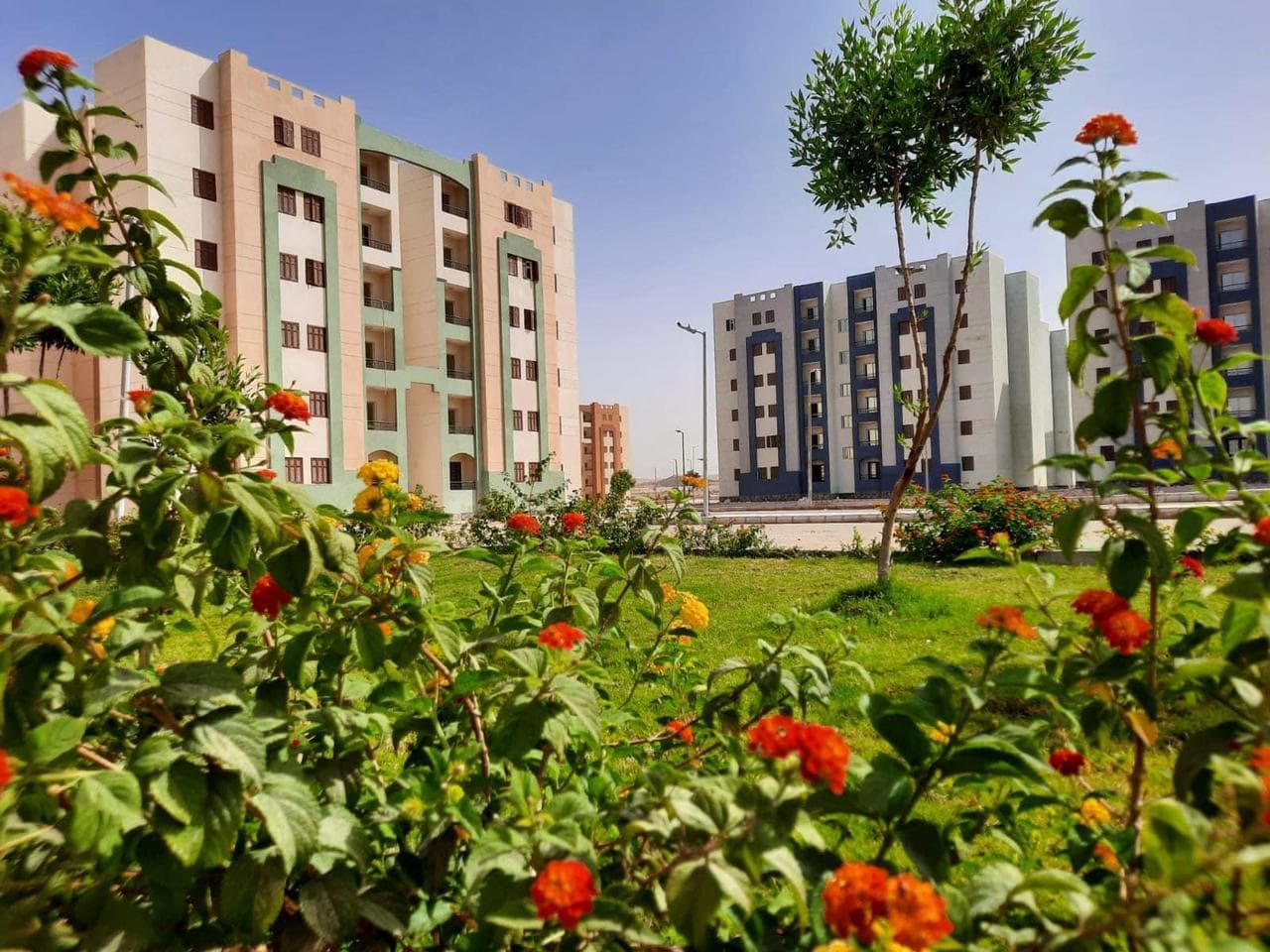 أبو الدهب / CC BY-SA 4.0, via Wikimedia Commons
Visite audio autoguidée de Akhmim — parcours GPS à pied, lecture hors ligne, narration en 32 langues.
“Là où les métiers à tisser ancestraux tissent encore les fils des millénaires.”
Pas les cartes postales. Les histoires que même les habitants ignorent — soufflées à l'oreille, là où elles se sont passées.
Sous la vie trépidante d'Akhmîm contemporaine, une ville antique entière est dissimulée.
La réputation d'Akhmîm pour ses textiles exquis n'est pas seulement historique ; c'est un artisanat vivant, transmis de génération en génération.
Parmi les vestiges visibles du passé d'Akhmîm se dresse une figure colossale, un témoignage silencieux d'une reine puissante, dont l'histoire a failli être perdue dans le temps.
Découvrez tous les secrets de Akhmim
Chaque adresse, chaque révélation en entier — dans ton oreille, là où elle s'est passée.
Tu choisis tes lieux. Tu marches. La voix te révèle ce que les autres ignorent.


Votre visite audioguidée de Akhmim vous attend — choisissez vos lieux, votre langue, et lancez-vous dès votre arrivée.
AcheterLume intègre un guide en réalité augmentée. Levez votre téléphone : sa caméra montre la rue devant vous, avec une flèche lumineuse posée sur l'image réelle qui pointe toujours vers votre prochain arrêt — aucune carte à déchiffrer, aucun mauvais virage. Comme tout dans Lume, ça fonctionne entièrement hors-ligne.
Akhmîm, connue dans l'Antiquité sous les noms d'Ipu, Apu ou Khent-Min, et plus tard de Panopolis par les Grecs, est une ville située sur la rive est du Nil en Haute-Égypte. Contrairement à de nombreux sites antiques qui se dressent comme des ruines désertes, Akhmîm est une ville où plus de 6 000 ans de peuplement humain continu ont créé une interaction unique entre passé et présent. La vie moderne se déroule directement au-dessus des couches de son histoire durable, offrant un lien tangible avec les civilisations anciennes.
Autrefois capitale régionale importante et centre cultuel principal pour le dieu de la fertilité Min, l'héritage durable d'Akhmîm est également lié à sa production textile exceptionnelle. Des pharaons qui portaient son fin lin aux chrétiens coptes qui enveloppaient leurs morts dans ses tissages complexes, Akhmîm a maintenu ses traditions artisanales à travers les millénaires. Explorer Akhmîm offre un aperçu d'une ville qui a non seulement survécu mais prospéré, où les merveilles antiques sont entrelacées avec le rythme de la vie égyptienne contemporaine.
Les origines d'Akhmîm remontent aux périodes prédynastique et protodynastique, l'établissant comme un centre urbain et cultuel continuellement occupé. Elle servait de capitale du neuvième nome de Haute-Égypte et était principalement dédiée au culte de Min, le dieu ithyphallique de la fertilité, de la création et des routes du désert. Les Grecs ont plus tard identifié Min à leur dieu Pan, ce qui les a amenés à renommer la ville Panopolis. Hérodote a même mentionné un temple dédié à Persée à Akhmîm, notant les célébrations et les jeux organisés en son honneur.
L'importance de la ville a grandi pendant le Nouvel Empire, en particulier sous Ramsès II, dont les projets de construction monumentaux incluaient Akhmîm. La découverte d'une statue de 11 mètres de haut de sa fille, Méritamon, en 1981, témoigne de l'ampleur de ces entreprises antiques. Akhmîm est restée proéminente pendant les Troisième Période Intermédiaire et Basse Époque, avec une activité funéraire accrue dans ses cimetières environnants, produisant de nombreuses sépultures enveloppées de textiles.
Durant les périodes grecque et romaine, Akhmîm est devenue connue pour sa vie intellectuelle, incluant l'alchimiste Zosime de Panopolis et le poète Nonnos, tous deux associés à la ville. Avec l'avènement du christianisme, Akhmîm s'est transformée en un centre vital pour la nouvelle foi, produisant de nombreux premiers saints et martyrs. Le légendaire abbé Chenouté a fondé un monastère florissant près d'Akhmîm, dont les règles ont influencé le monachisme au-delà de l'Égypte. Le Monastère Blanc et le Monastère Rouge, près d'Akhmîm, sont considérés comme certains des sites chrétiens les plus anciens et les plus beaux du monde, présentant un mélange d'art chrétien ancien et de styles égyptiens antiques.
Malgré son long et illustre passé, une grande partie des structures monumentales antiques d'Akhmîm ont été démantelées au fil du temps, leurs matériaux réutilisés à des périodes ultérieures. Cependant, l'héritage durable de la ville se retrouve également dans sa tradition continue de production textile, un artisanat qui a prospéré pendant plus de 4 000 ans, de la production de lin fin pour les pharaons à la soie et la laine complexes durant les époques ultérieures. Aujourd'hui, Akhmîm continue d'être un centre de production textile artisanale, reliant son passé antique à son identité moderne.
Bien qu'une grande partie de l'ancienne Akhmîm se trouve sous la ville moderne, plusieurs sites clés offrent un aperçu de son passé glorieux. Le plus important est le Parc Archéologique, où se dresse la colossale statue de 11 mètres de haut de Méritamon, fille de Ramsès II. Cette impressionnante figure en calcaire, l'une des plus grandes statues d'une reine antique découverte en Égypte, est un puissant rappel des liens royaux de la ville. À proximité, des fragments d'une statue assise de Ramsès II peuvent également être vus, certains conservant encore leur couleur d'origine.
Au-delà de la statuaire monumentale, Akhmîm est réputée pour son patrimoine textile vivant. Les visiteurs peuvent rechercher un atelier de tissage local (souvent identifié par une porte verte près de la poste, en face de la statue de Méritamon) pour observer les artisans au travail sur des métiers à tisser traditionnels en bois. Ici, vous pouvez observer l'art séculaire du tissage de la soie et du coton et acheter directement des textiles tissés à la main.
Pour ceux qui s'intéressent à l'histoire chrétienne primitive, le Monastère des Martyrs voisin offre une visite poignante, commémorant les premières persécutions chrétiennes. De plus, la Nécropole d'El-Hawawish, avec ses plus de 800 tombes creusées dans la roche du désert, donne un aperçu des pratiques funéraires des gouverneurs régionaux des 4e aux 11e dynasties, certaines présentant des décorations circulaires du zodiaque.
La période optimale pour visiter Akhmîm, et la Haute-Égypte en général, se situe entre octobre et avril. Pendant ces mois, les températures sont plus fraîches et plus confortables pour explorer les sites archéologiques. Plus précisément, de mi-février à mi-avril et de fin octobre à mi-décembre offrent un temps agréable pour les activités de plein air, avec un pic début novembre. Les mois d'été (mai à septembre) sont caractérisés par une chaleur intense, ce qui peut rendre les visites moins agréables, bien que les prix puissent être plus bas.
Akhmîm est située sur la rive est du Nil, à environ 6 kilomètres au nord-est de Sohag, dans le gouvernorat de Sohag. Elle est accessible depuis Sohag, qui offre des liaisons ferroviaires vers les grandes villes comme Le Caire et Assouan. Des taxis sont disponibles pour le transport vers Akhmîm, coûtant généralement environ 50 LE par heure, ou un microbus pour environ 6 LE pour un trajet de 15 minutes.
Lors de votre exploration, rappelez-vous qu'Akhmîm est une ville vivante avec des sites antiques intégrés à la vie moderne. Respectez les coutumes locales et habillez-vous modestement. Les ateliers de tissage locaux sont souvent de petites entreprises familiales ; un coup poli à la porte peut être nécessaire si elle semble fermée. Prévoyez suffisamment de temps pour flâner et absorber l'atmosphère unique où l'histoire et la vie quotidienne s'entremêlent. Trois à cinq jours dans la région est une bonne durée, permettant l'exploration d'Akhmîm et de Sohag à proximité.
Akhmim en coréen, en chinois ou en hébreu — et dans 29 autres langues, chaque étape narrée par une voix native. La plus large gamme de langues de tous les audioguides autoguidés.
Disponible en :