Château d'Aljezur
Le nom "Aljezur" signifie "île" en arabe, ce qui semble étrange pour une ville entièrement enclavée.
L'histoire complète se débloque dans le tour
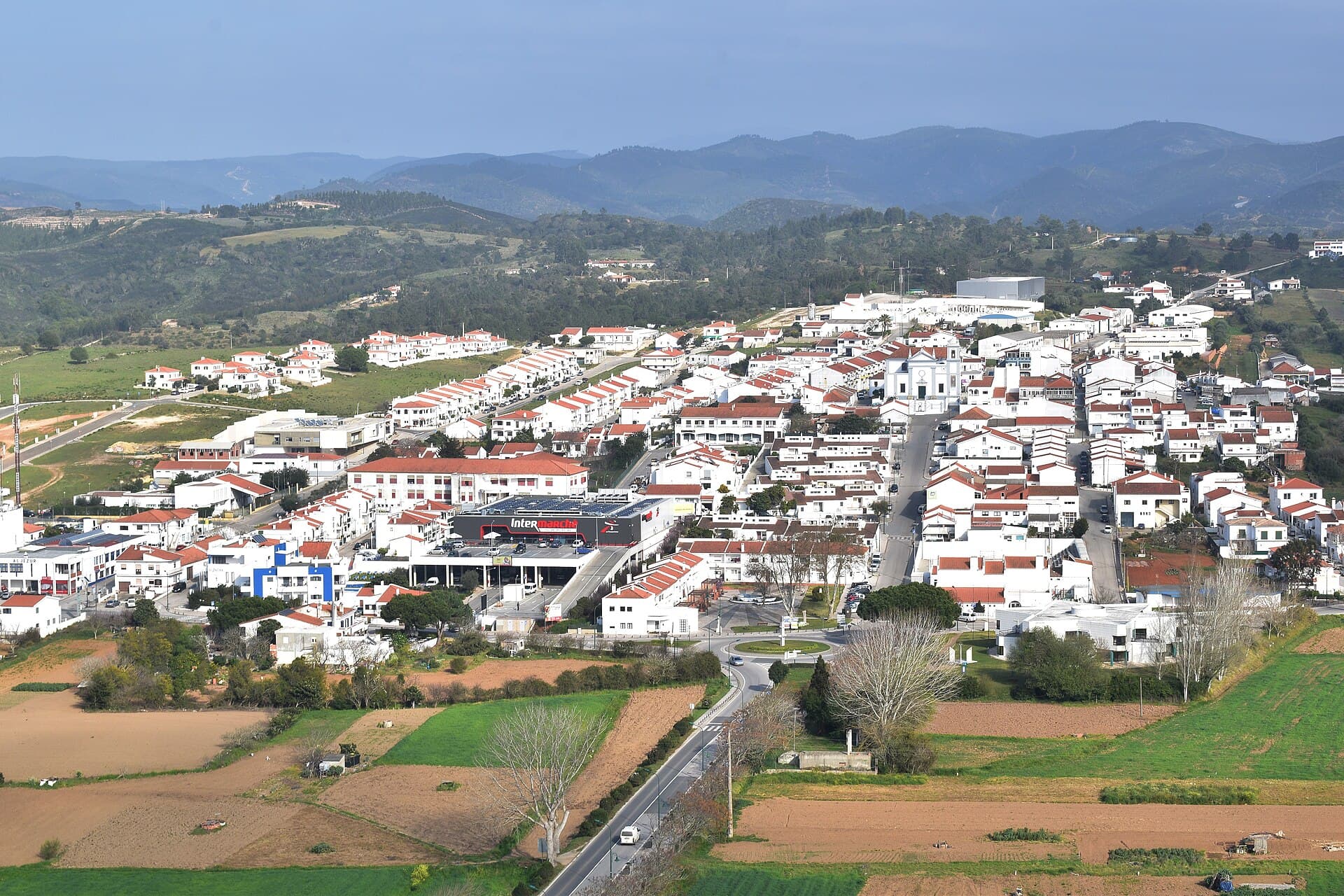 Bextrel / CC BY-SA 4.0, via Wikimedia Commons
Visite audio autoguidée de Aljezur — parcours GPS à pied, lecture hors ligne, narration en 32 langues.
“Là où l'Atlantique sauvage rencontre les pierres ancestrales et le plus doux secret du Portugal.”
Pas les cartes postales. Les histoires que même les habitants ignorent — soufflées à l'oreille, là où elles se sont passées.
Le nom "Aljezur" signifie "île" en arabe, ce qui semble étrange pour une ville entièrement enclavée.
L'une des plages d'Aljezur porte un nom qui évoque un passé de flibustier.
Aljezur était autrefois un port côtier animé, mais aujourd'hui la rivière coule petite et tranquille.
Découvrez tous les secrets de Aljezur
Chaque adresse, chaque révélation en entier — dans ton oreille, là où elle s'est passée.
Tu choisis tes lieux. Tu marches. La voix te révèle ce que les autres ignorent.


Votre visite audioguidée de Aljezur vous attend — choisissez vos lieux, votre langue, et lancez-vous dès votre arrivée.
AcheterLume intègre un guide en réalité augmentée. Levez votre téléphone : sa caméra montre la rue devant vous, avec une flèche lumineuse posée sur l'image réelle qui pointe toujours vers votre prochain arrêt — aucune carte à déchiffrer, aucun mauvais virage. Comme tout dans Lume, ça fonctionne entièrement hors-ligne.
Aljezur, une ville captivante sur la côte ouest sauvage de l'Algarve au Portugal, offre une expérience distincte des rives plus développées du sud de la région. Située dans le Parc Naturel du Sud-Ouest Alentejano et Costa Vicentina, c'est un endroit où les falaises escarpées rencontrent de vastes plages immaculées, et où l'histoire ancienne est tissée dans le paysage même. La ville elle-même est divisée en deux parties principales : la vieille ville, sous les ruines d'un château maure du Xe siècle, et le quartier plus récent d'Igreja Nova (Nouvelle Église), construit après le dévastateur tremblement de terre de 1755. Cette dualité unique, combinée à son atmosphère détendue et à sa beauté naturelle saisissante, fait d'Aljezur une destination incontournable pour ceux qui recherchent une expérience portugaise authentique loin des foules.
Au-delà de son cadre pittoresque, Aljezur est un havre pour les amateurs de plein air, en particulier les surfeurs et les randonneurs. Le littoral offre des spots de surf de renommée mondiale, tandis que la Rota Vicentina, un réseau de sentiers de randonnée longue distance, offre des opportunités inégalées d'explorer les paysages côtiers et intérieurs spectaculaires. Mais Aljezur est plus qu'un joli visage ; c'est aussi la fière patrie de la patate douce la plus protégée d'Europe, une délicatesse locale célébrée chaque année. Que vous soyez attiré par l'attrait des ruines antiques, l'appel des vagues de l'Atlantique ou le charme d'une ville marchande traditionnelle, Aljezur promet un voyage mémorable dans l'ouest sauvage du Portugal.
L'histoire d'Aljezur remonte à la préhistoire, avec des vestiges archéologiques indiquant une présence humaine dès 7000 av. J.-C. La colline où se dresse aujourd'hui le château fut occupée par une tribu de l'âge du fer vers le VIIIe siècle av. J.-C., suivie par les Romains qui y ajoutèrent une tour de guet, et les Wisigoths aux VIe et VIIe siècles qui l'utilisèrent comme site fortifié. La ville telle que nous la connaissons aujourd'hui fut officiellement fondée au Xe siècle par les Berbères, un peuple musulman, qui restèrent dans la région pendant cinq siècles. Ils furent responsables de nombreuses structures de la région, y compris le château principal, et leur influence est toujours évidente dans la toponymie locale, les légendes et les mythes.
Le château d'Aljezur joua un rôle crucial pendant l'occupation maure, faisant partie de la ligne défensive de Silves. En 1249, sous le règne du roi Afonso III, Aljezur fut le dernier château maure de la Reconquista portugaise à tomber aux mains des forces chrétiennes, dirigées par Paio Peres Correia, maître de l'Ordre de Santiago. Les chrétiens dédièrent leur victoire à la Vierge Marie, nommant Nossa Senhora da Alva (Notre-Dame de l'Aube) comme sainte patronne d'Aljezur. Le roi Denis du Portugal accorda à Aljezur sa première charte en 1280, la première charte de ce type délivrée par le roi en Algarve. Au XVe siècle, cependant, le château avait perdu son importance militaire et fut largement abandonné.
Pendant des siècles, l'agriculture fut la principale activité économique d'Aljezur, les produits étant expédiés au marché via la rivière navigable d'Aljezur. Cependant, le dévastateur tremblement de terre de 1755 endommagea considérablement la ville et, surtout, provoqua l'ensablement de la rivière, entraînant la perte complète de l'identité maritime d'Aljezur. En réponse à la destruction, l'évêque Francisco Gomes de Avelar initia la construction d'une nouvelle colonie de l'autre côté de la rivière, connue sous le nom d'Igreja Nova (Nouvelle Église), pour empêcher la population de partir. Cet événement divisa effectivement Aljezur en ses deux parties distinctes, la vieille ville et la nouvelle section. Au XVIIe siècle, la côte fut également confrontée aux menaces des corsaires marocains, ce qui conduisit à la construction de forts défensifs comme celui d'Arrifana pour protéger les communautés de pêcheurs. Aujourd'hui, Aljezur continue d'évoluer, conciliant son héritage historique avec une réputation croissante de centre de la culture du surf et d'évasion tranquille au sein d'un parc naturel protégé.
Commencez votre exploration au Château d'Aljezur, au sommet d'une colline surplombant la vieille ville. Bien que largement en ruines, ses origines maures du Xe siècle sont évidentes, et il offre des vues imprenables sur la vallée environnante et les montagnes de Monchique. Promenez-vous dans les rues étroites et sinueuses de la vieille ville, où les maisons blanchies à la chaux s'accrochent à la colline. Traversez la rivière jusqu'à la partie plus récente de la ville, Igreja Nova, centrée autour de l'Église Paroissiale de Nossa Senhora da Alva, construite après le tremblement de terre de 1755.
Plongez dans l'histoire locale au Musée Municipal d'Aljezur, installé dans l'ancien hôtel de ville, présentant des découvertes archéologiques de la région datant de 7000 av. J.-C. Pour les amateurs d'art, la Casa-Museu Pintor José Cercas offre un aperçu de la vie et de l'œuvre d'un artiste local. Ne manquez pas le Marché Municipal, surtout un samedi matin, pour une exposition animée de produits locaux, y compris la célèbre patate douce d'Aljezur, et d'articles artisanaux.
Le véritable attrait d'Aljezur s'étend à son littoral au sein du Parc Naturel de la Costa Vicentina. Des plages populaires comme Praia da Arrifana, connue pour sa baie spectaculaire en forme de coquillage et son surf constant, et Praia da Amoreira, une plage familiale où la rivière rencontre la mer, sont facilement accessibles. D'autres plages notables incluent Praia de Monte Clérigo et la plus isolée Praia da Fateixa, avec son histoire de pirates. Pour les randonneurs, les sentiers de la Rota Vicentina offrent des itinéraires côtiers et intérieurs captivants.
Le meilleur moment pour visiter Aljezur dépend de vos priorités. Le printemps (mars-mai) offre des températures idéales (18-24°C), des fleurs sauvages en floraison et des plages paisibles, ce qui en fait la période parfaite pour la randonnée et la découverte du parc naturel. Avril est particulièrement propice à l'observation des papillons. Le début de l'automne (septembre-octobre) offre également un temps chaud et agréable, avec moins de monde et le début de la grande saison de surf, ainsi que les températures d'eau les plus chaudes de l'année. Le Festival annuel de la Patate Douce a généralement lieu en novembre. L'été (juin-août) est chaud et ensoleillé, excellent pour les journées à la plage et le surf, bien qu'il puisse être plus fréquenté que les autres saisons. L'hiver (décembre-février) est la période la plus calme, avec des températures plus fraîches (12-16°C) et des pluies occasionnelles, mais toujours agréable pour la randonnée et pour les surfeurs expérimentés à la recherche de houles puissantes.
Une voiture est fortement recommandée pour explorer Aljezur et ses plages et parcs naturels environnants, car les options de transport en commun sont limitées. Le stationnement est généralement gratuit, avec des parkings publics disponibles sur la place du marché et aux départs des sentiers de plage. Bien que l'anglais soit parlé dans les entreprises touristiques, apprendre quelques phrases de base en portugais améliorera votre expérience, en particulier lors des interactions avec les habitants dans la vie quotidienne. Aljezur offre un coût de la vie plus abordable que le sud de l'Algarve, les produits locaux étant particulièrement économiques sur les marchés. Manger dans les restaurants traditionnels est également à un prix raisonnable. Sachez que certains services et restaurants peuvent avoir des horaires réduits ou fermer pendant les mois d'hiver plus calmes. Le vieux quartier de la ville a des rues escarpées et pavées, ce qui peut être difficile pour les personnes à mobilité réduite. Lors de la visite des plages, surtout en dehors de la saison des sauveteurs, soyez prudent avec les forts courants de l'Atlantique.
Aljezur en coréen, en chinois ou en hébreu — et dans 29 autres langues, chaque étape narrée par une voix native. La plus large gamme de langues de tous les audioguides autoguidés.
Disponible en :