Queda do Vigário (Cascada del Vicario)
La única verdadera cascada del Algarve esconde un secreto sobre su propia existencia.
La historia completa se desbloquea en el tour
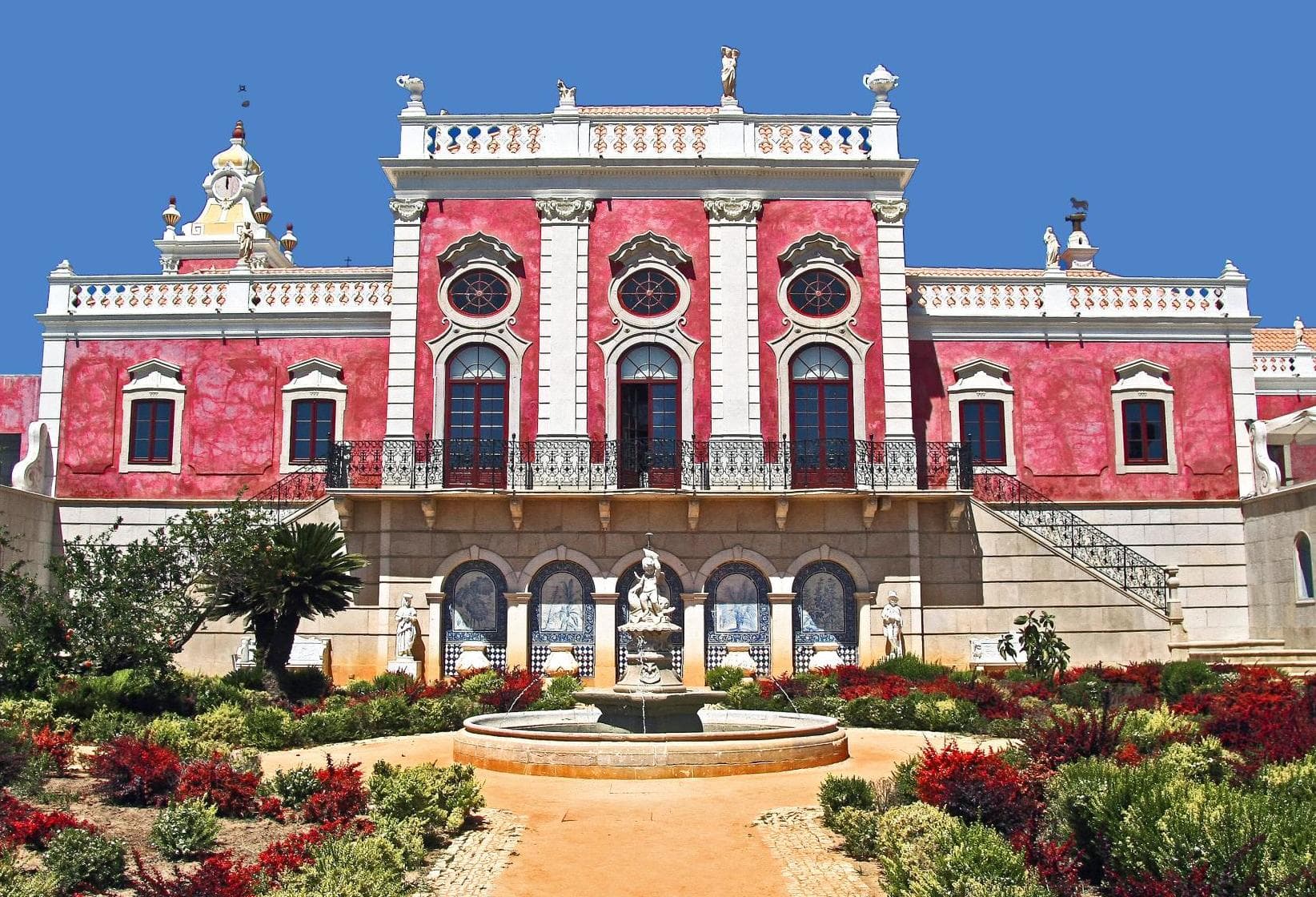 Vitor Oliveira from Torres Vedras, PORTUGAL / cc by-sa 2.0, via Wikimedia Commons
Tour de audio autoguiado de Alte — ruta GPS a pie, reproducción offline, narración en 32 idiomas.
“Donde las aguas de manantial y la tradición fluyen por el corazón del Algarve.”
No las postales. Las historias que ni los locales conocen — al oído, justo donde ocurrieron.
La única verdadera cascada del Algarve esconde un secreto sobre su propia existencia.
La iglesia del pueblo, que data del siglo XIII, tiene dos historias fundacionales que compiten entre sí.
Este 'pequeño manantial' fue una vez el corazón social de las mujeres de Alte, mucho antes de convertirse en un sereno lugar de pícnic.
Descubre todos los secretos de Alte
Cada dirección, cada revelación al completo — a tu oído, justo donde ocurrió.
Eliges tus paradas. Caminas. La voz te revela lo que los demás ignoran.
![Alte — boats docked near seaside promenade]](/_next/image?url=https%3A%2F%2Fxkitrzghrapdsyyvojzr.supabase.co%2Fstorage%2Fv1%2Fobject%2Fpublic%2Flume-images%2Fcities%2Falte-gallery-1.jpg&w=1920&q=75)


Tu tour de audioguía por Alte te espera — elige tus lugares, tu idioma y empieza al llegar.
ComprarLume incluye una guía de realidad aumentada. Levanta el móvil y su cámara muestra la calle que tienes delante, con una flecha luminosa sobre la imagen real que siempre apunta a tu próxima parada — sin mapas que descifrar, sin giros equivocados. Como todo en Lume, funciona completamente sin conexión.
Alte, un pueblo en el corazón del Algarve, ofrece un apacible refugio de los ajetreados complejos costeros. Reconocido como uno de los pueblos más característicos y conservados de Portugal, es un lugar donde las casas encaladas, adornadas con intrincadas chimeneas hechas a mano, bordean estrechas calles empedradas. La vida aquí transcurre a un ritmo pausado, invitando a los visitantes a pasear y descubrir su auténtico encanto.
Ubicado entre las colinas calcáreas del Barrocal, entre la costa y la Serra do Caldeirão, Alte es apreciado por sus manantiales naturales y una cautivadora cascada. Estas características naturales han sido durante mucho tiempo centrales para la existencia del pueblo, ofreciendo tanto refresco como un pintoresco telón de fondo para el reposo. Es un destino que verdaderamente encarna el aspecto rural y más tranquilo del Algarve, un contraste con las zonas más frecuentadas de la región.
## De raíces romanas a pueblo cultural La historia de Alte se remonta a la época romana, con un pasado árabe que sigue siendo visible en las intrincadas chimeneas de filigrana que adornan sus casas. El pueblo se desarrolló alrededor de su núcleo religioso, la Igreja Matriz de Alte, o Iglesia de Nuestra Señora de la Asunción. Esta iglesia, establecida inicialmente a finales del siglo XIII, sufrió importantes reformas en el siglo XVI, adoptando el estilo manuelino, y nuevamente en el siglo XVIII. En su interior, los visitantes pueden admirar retablos rococó y azulejos barrocos, reflejo de siglos de progresión artística y arquitectónica.
En 1938, Alte participó en el 'Concurso del Pueblo Más Portugués' y obtuvo la estimada designación de 'Pueblo Cultural', un título que sigue manteniendo. Este reconocimiento subraya su dedicación a preservar sus distintas tradiciones y patrimonio. La economía del pueblo, históricamente agrícola, todavía se basa en las prácticas tradicionales de cultivo de secano, complementadas con extensos naranjales. La producción de medronho (un potente aguardiente destilado del fruto del madroño), miel y dulces tradicionales también contribuye a la economía local. La artesanía, utilizando arcilla local, madera y telas teñidas con plantas, representa otra faceta significativa de la identidad cultural de Alte.
Comience su exploración en la Igreja Matriz de Alte, la iglesia central del pueblo, que data del siglo XIII y exhibe elementos arquitectónicos manuelinos y barrocos. Pasee por las estrechas calles empedradas del centro histórico, admirando las casas encaladas con sus distintivas chimeneas hechas a mano. Observe el animado arte callejero que aporta un toque contemporáneo al entorno tradicional.
Los manantiales naturales son un punto culminante particular de Alte. Fonte Grande es un lugar favorito para nadar, con piscinas revestidas de piedra y áreas de pícnic sombreadas, mientras que Fonte Pequena, el manantial más pequeño, ofrece un respiro más tranquilo. Un corto paseo desde Fonte Pequena conduce a Queda do Vigário, una cascada de 24 metros que se precipita en una poza natural, especialmente llamativa después de las lluvias invernales. No pase por alto el tributo al poeta local Cândido Guerreiro cerca de Fonte Pequena, donde se exhiben sus versos.
Para una inmersión más profunda en la cultura local, visite el Polo Museológico Cândido Guerreiro e Condes de Alte (Centro Museológico Cândido Guerreiro y Condes de Alte), inaugurado en 2009. El pueblo también ofrece senderos para practicar senderismo, lo que le permite explorar la región circundante del Barrocal del Algarve.
La época más agradable para visitar Alte es durante los meses más cálidos, de junio a agosto, cuando el clima es ideal para nadar en los manantiales y la cascada. Sin embargo, estos meses también pueden ser concurridos por los lugareños que buscan refugio del calor costero. Para hacer senderismo y experimentar la cascada en su máxima expresión, se recomienda la primavera (de marzo a mayo), ya que las laderas están adornadas con flores silvestres y la cascada fluye con fuerza. El otoño (septiembre y octubre) también ofrece un clima agradable con menos visitantes.
Alte se encuentra aproximadamente a 25 km al noroeste de Loulé. Aunque hay opciones limitadas de transporte público a través de las líneas de autobús Vamus desde Loulé, generalmente se recomienda un coche de alquiler para facilitar el viaje. Se puede encontrar aparcamiento limitado cerca de la cascada, los manantiales y a lo largo de la Avenida 25 de Abril. La mayoría de los visitantes pasan 2-3 horas explorando el pueblo, los manantiales y disfrutando de una comida; incluyendo la caminata a la cascada, se extiende a una excursión de medio día. El alojamiento en Alte se limita a algunas casas rurales, así que considere alojarse en la cercana Loulé o en la costa para más opciones. Los restaurantes locales ofrecen gastronomía tradicional del Algarve, con porciones abundantes y precios razonables, típicamente entre 10 y 15 euros por una comida completa con vino.
Alte en coreano, en chino o en hebreo — y 29 idiomas más, cada parada narrada por una voz nativa. La mayor variedad de idiomas de cualquier audioguía autoguiada.
Disponible en: