Origen del nombre de Mourão
El nombre de la ciudad, Mourão, no celebra directamente a sus fundadores moriscos, sino que describe una característica geológica.
La historia completa se desbloquea en el tour
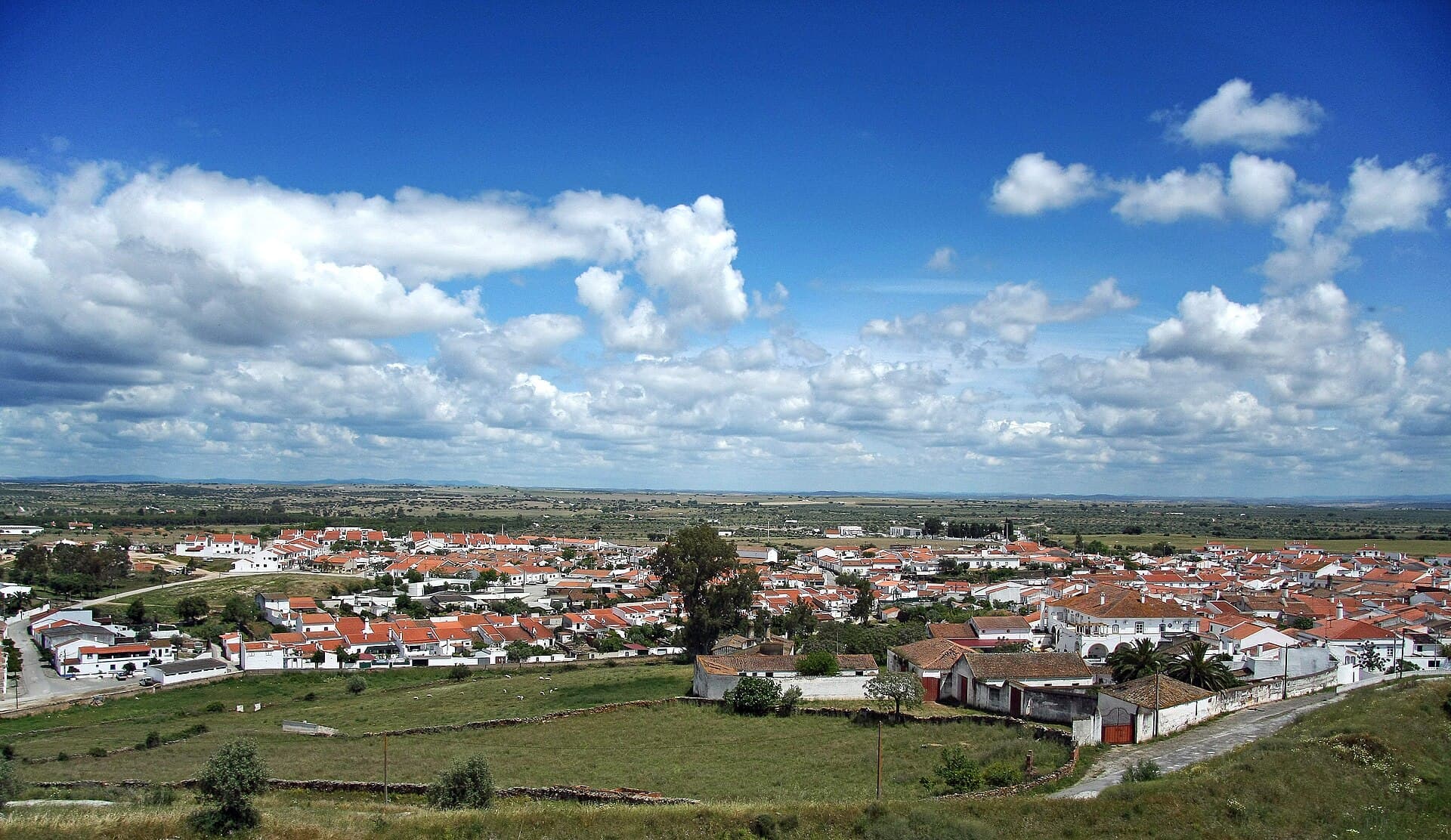 Vitor Oliveira from Torres Vedras, PORTUGAL / CC BY-SA 2.0, via Wikimedia Commons
Tour de audio autoguiado de Mourão — ruta GPS a pie, reproducción offline, narración en 32 idiomas.
“Donde el alma del Alentejo se graba en paredes encaladas y piedras milenarias.”
No las postales. Las historias que ni los locales conocen — al oído, justo donde ocurrieron.
El nombre de la ciudad, Mourão, no celebra directamente a sus fundadores moriscos, sino que describe una característica geológica.
A pesar de siglos de conflicto y desastres naturales, una imagen sagrada en Mourão permaneció milagrosamente intacta.
Un renombrado escritor portugués destacó una vez la característica arquitectónica más distintiva de Mourão, a menudo pasada por alto en otras ciudades.
Descubre todos los secretos de Mourão
Cada dirección, cada revelación al completo — a tu oído, justo donde ocurrió.
Eliges tus paradas. Caminas. La voz te revela lo que los demás ignoran.


Tu tour de audioguía por Mourão te espera — elige tus lugares, tu idioma y empieza al llegar.
ComprarLume incluye una guía de realidad aumentada. Levanta el móvil y su cámara muestra la calle que tienes delante, con una flecha luminosa sobre la imagen real que siempre apunta a tu próxima parada — sin mapas que descifrar, sin giros equivocados. Como todo en Lume, funciona completamente sin conexión.
Situado en la margen izquierda del río Guadiana, cerca de la frontera española, Mourão es un pueblo donde el tiempo parece asentarse cómodamente en el lecho de esquisto del Alentejo. Este rincón de Portugal, blanqueado por el sol, ofrece una visión genuina de un patrimonio moldeado por siglos de conflictos fronterizos y una profunda conexión con los paisajes circundantes. Con sus casas encaladas, calles empedradas y la cultura tradicional alentejana, Mourão ofrece una experiencia auténtica lejos de las bulliciosas multitudes.
Dominado por su imponente castillo, Mourão domina el vasto embalse de Alqueva, el lago artificial más grande de Europa, que ha influido profundamente en la identidad y la belleza natural de la región. El pueblo invita a los visitantes a explorar sus sitios históricos bien conservados, relajarse junto a las tranquilas aguas y saborear los sabores de la gastronomía alentejana. Es un lugar donde la historia, la naturaleza y las tradiciones locales convergen, ofreciendo un retiro sereno y la oportunidad de conectar con la esencia del Portugal rural.
La ubicación estratégica de Mourão, cerca del río Guadiana y la frontera española, la ha convertido en un territorio disputado a lo largo de su historia. Si bien su nombre, derivado de la palabra morisca 'mogron' que significa 'hueco', insinúa su fundación árabe, la ciudad fue asediada por D. Afonso Henriques en 1166 y posteriormente abandonada por los moros. No fue hasta 1226 que D. Sancho II otorgó una carta a Gonçalo Egas, prior de la Orden Militar de San Juan de Jerusalén (más tarde los Caballeros Hospitalarios), para repoblar y defender el asentamiento.
A lo largo del período medieval, la propiedad de Mourão fue fluida, cambiando con frecuencia entre el dominio portugués y el castellano debido a fronteras indefinidas. El castillo, construido originalmente durante el reinado de Sancho II, sufrió importantes renovaciones bajo D. Dinis a finales del siglo XIII, expandiéndose a tres torres. El siglo XVI vio nuevas mejoras por parte de los arquitectos reales Francisco y Diogo de Arruda, conocidos por su trabajo en la icónica Torre de Belém.
La Guerra de Restauración (1640-1668), tras la independencia de Portugal de España, trajo un renovado conflicto a Mourão. El castillo sufrió graves daños durante un ataque español en 1657, lo que llevó a una importante revisión de sus defensas por parte del ingeniero militar francés Nicolas de Langres, transformándolo en una fortaleza abaluartada. El devastador terremoto de Lisboa de 1755 también dejó su huella, dañando la iglesia principal y contribuyendo a un rediseño del trazado urbano del pueblo. Hoy, Mourão se erige como un testimonio de su pasado resiliente, sus ruinas del castillo y su centro histórico revelan luchas fronterizas y una identidad portuguesa duradera.
Comience su exploración en el Castelo de Mourão, un castillo bien conservado que ofrece amplias vistas del embalse de Alqueva y la frontera española. Pasee por sus muros exteriores supervivientes, un teatro de 360 grados del paisaje. Dentro de las murallas del castillo, encontrará la Igreja Matriz de Nossa Senhora das Candeias, la Iglesia Matriz, una obra maestra barroca del siglo XVII con un interior sorprendentemente opulento que presenta retablos dorados. No se pierda la imagen de 1,20 metros de altura de Nuestra Señora de las Candelas, la patrona de la ciudad, elaborada en piedra de Ançã.
Más allá del castillo, explore el encantador centro del pueblo con sus casas encaladas, calles empedradas y distintivas chimeneas redondas y cónicas. Visite la Igreja de São Francisco, construida durante el reinado de D. João V, conocida por sus azulejos de la Real Fábrica de Lisboa. La Igreja da Misericórdia también merece una visita, con su fachada de mármol de 1743 y un retablo dorado influenciado por el arte español. Pasee por el Jardín de la Plaza Pública de Mourão, un agradable espacio dominado por un quiosco de música florecido. Para un descanso refrescante, diríjase a la Playa Fluvial de Mourão en el embalse de Alqueva, que ofrece una zona de césped con sombrillas, una piscina flotante para niños y una torre de buceo. También puede visitar el cercano Museu da Luz, que conserva la memoria del pueblo de Luz, sumergido por las aguas de Alqueva.
Los mejores momentos para visitar Mourão para actividades al aire libre en general son desde finales de abril hasta finales de julio y desde finales de julio hasta mediados de octubre, con un pico en la última semana de mayo, cuando el clima es claro y las temperaturas son agradables (entre 18°C y 27°C). Para actividades de clima cálido como nadar en la playa fluvial, de finales de junio a principios de septiembre es ideal. La primavera (marzo a mayo) y principios de otoño (septiembre a octubre) ofrecen un clima templado, menos multitudes y mejores precios. Si bien los veranos pueden ser muy calurosos, los inviernos son más frescos pero aún ofrecen una buena cantidad de sol.
Mourão se encuentra en la región del Alentejo, en la margen izquierda del río Guadiana, cerca de la frontera española. Aunque atrae a visitantes, conserva una sensación auténtica debido a su ubicación algo remota. El centro del pueblo y el castillo son fáciles de explorar a pie. Para aquellos que llegan en coche, Faro, a aproximadamente 160 km de distancia, ofrece opciones de alquiler de coches. Hay un amplio aparcamiento disponible fuera de la puerta principal del Castillo de Mourão. Al visitar, use zapatos resistentes, especialmente para explorar los escalones de esquisto y las murallas cubiertas de hierba del castillo. El Wi-Fi generalmente está disponible cerca del ayuntamiento. La cocina local es un punto culminante, con especialidades como el cerdo negro (porco preto) y dulces tradicionales del Alentejo como la Sericaia con ciruelas de Elvas.
Mourão en coreano, en chino o en hebreo — y 29 idiomas más, cada parada narrada por una voz nativa. La mayor variedad de idiomas de cualquier audioguía autoguiada.
Disponible en: