Las Casas del Pueblo
La arquitectura elegante, casi lírica, de Apremont-sur-Allier no surgió únicamente de siglos de crecimiento orgánico.
La historia completa se desbloquea en el tour
 Alain Kilar / CC BY-SA 4.0, via Wikimedia Commons
Tour de audio autoguiado de Apremont-sur-Allier — ruta GPS a pie, reproducción offline, narración en 32 idiomas.
“Donde el tiempo parece detenerse, un pueblo que renace y florece de nuevo.”
No las postales. Las historias que ni los locales conocen — al oído, justo donde ocurrieron.
La arquitectura elegante, casi lírica, de Apremont-sur-Allier no surgió únicamente de siglos de crecimiento orgánico.
Más allá de los parterres cuidadosamente dispuestos y los árboles raros, el Parc Floral d'Apremont presenta imaginativas estructuras arquitectónicas que transportan a los visitantes a tierras lejanas.
Aunque el pueblo presenta un aspecto tranquilo, el río Allier, que fluye junto a él, arrastra un pasado potente, ocasionalmente destructivo, sutilmente grabado en los edificios más antiguos del pueblo.
Descubre todos los secretos de Apremont-sur-Allier
Cada dirección, cada revelación al completo — a tu oído, justo donde ocurrió.
Eliges tus paradas. Caminas. La voz te revela lo que los demás ignoran.

Tu tour de audioguía por Apremont-sur-Allier te espera — elige tus lugares, tu idioma y empieza al llegar.
ComprarLume incluye una guía de realidad aumentada. Levanta el móvil y su cámara muestra la calle que tienes delante, con una flecha luminosa sobre la imagen real que siempre apunta a tu próxima parada — sin mapas que descifrar, sin giros equivocados. Como todo en Lume, funciona completamente sin conexión.
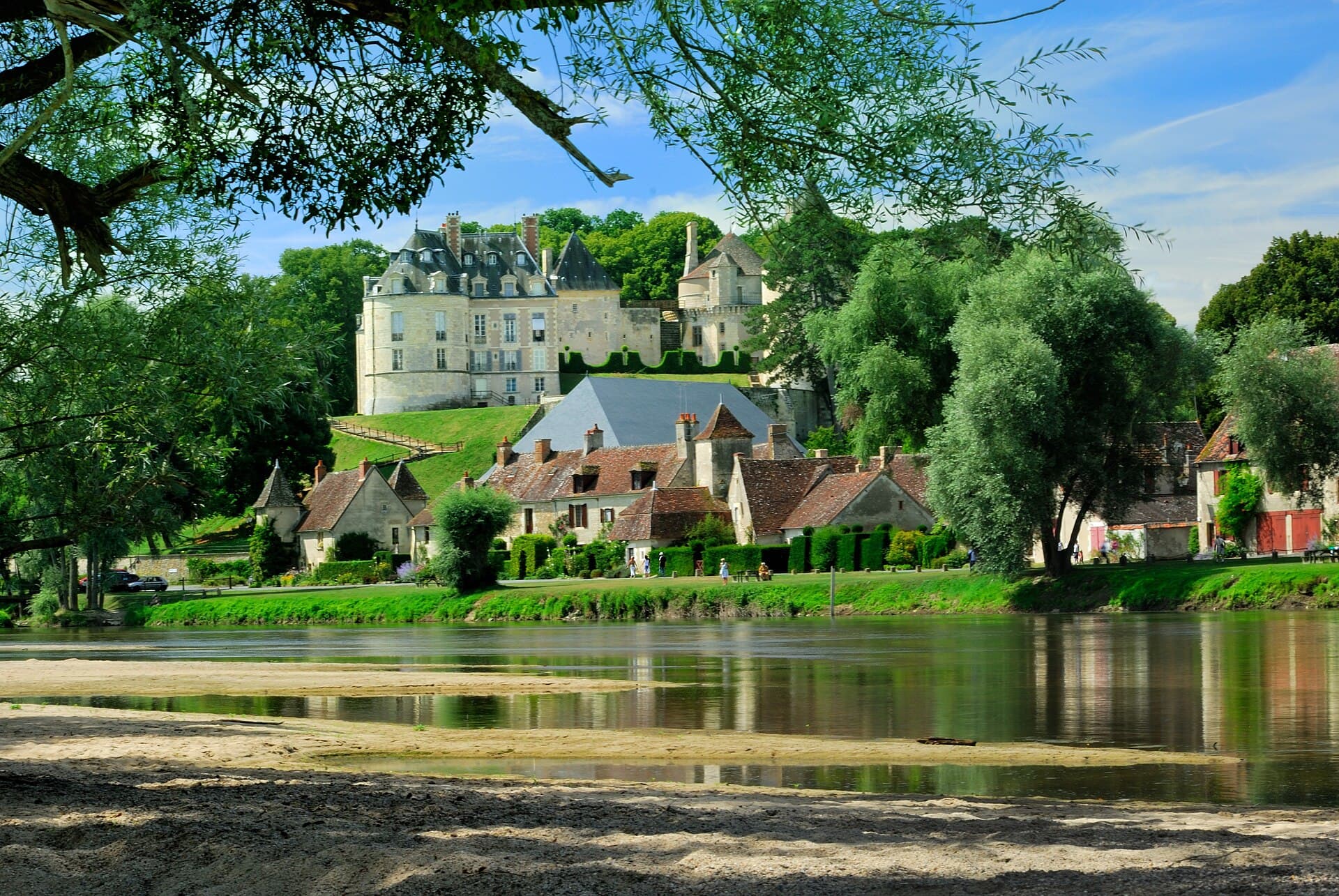
Apremont-sur-Allier, oficialmente reconocido como uno de los Pueblos Más Bonitos de Francia, presenta una notable convergencia de coherencia arquitectónica y esplendor natural. Situado en el departamento de Cher de la región Centro-Valle del Loira, este pequeño pueblo a orillas del río Allier es un testimonio de una visión apasionada. Sus casas de piedra rubia, adornadas con rosales trepadores y flores vivaces, evocan una atmósfera atemporal, casi de cuento de hadas.
El encanto del pueblo se extiende más allá de sus pintorescas callejuelas hasta su célebre Parc Floral, un extenso jardín que se integra a la perfección con el paisaje circundante. Aquí, los visitantes pueden pasear por diversos estilos de jardín, descubrir plantas poco comunes y encontrar caprichosas 'locuras' arquitectónicas. Apremont-sur-Allier invita a un ritmo más lento, invitando a los visitantes a sumergirse en su belleza cuidadosamente preservada y en el ritmo tranquilo de la vida a lo largo del río.
Antiguamente un ajetreado pueblo de canteros, que proporcionaba piedra para monumentos significativos como la Catedral de Orléans, Apremont-sur-Allier ha evolucionado hasta convertirse en un destino venerado por su armonía estética y su ambiente pacífico.
Los orígenes de Apremont-sur-Allier se remontan a la Edad Media, estratégicamente situado en una ladera con vistas al río Allier. Esta ubicación le permitía supervisar la ruta fluvial y cobrar peajes. Los hallazgos arqueológicos de tejas romanas y fragmentos de cerámica cerca de los manantiales de Apremont sugieren la ocupación del sitio durante muchos siglos.
El pueblo fue históricamente un centro de cantería, con hasta cinco canteras activas que empleaban a más de 70 trabajadores en su apogeo. La piedra caliza local de tono dorado, valorada por su grano fino y su idoneidad para la talla, era transportada por río por toda la cuenca del Loira, contribuyendo a la construcción de estructuras notables como la Catedral de Orléans y la Abadía de Saint-Benoît-sur-Loire. Las canteras, sin embargo, cesaron su actividad a principios del siglo XX.
La estética actual de Apremont-sur-Allier debe mucho a la visión de Eugène Schneider, un próspero industrial que se casó con Antoinette de Saint-Sauveur, la propietaria del castillo, en 1894. Profundamente aficionado a la zona, Schneider emprendió un proyecto de décadas entre las dos Guerras Mundiales para transformar el pueblo. Con la ayuda del arquitecto Antoine de Galéa, adquirió y reconstruyó sistemáticamente la mayoría de las casas del pueblo en un estilo medieval berrichón unificado, incluso especificando una pintura única de 'Marrón Van Dyck' para puertas y contraventanas. Este ambicioso esfuerzo aseguró la armonía arquitectónica con el castillo del siglo XV, que a su vez había sido reconstruido en gran parte a principios del siglo XVI después de ser destruido en la guerra civil de finales del siglo XIV.
En la década de 1970, Gilles de Brissac, descendiente de la familia Schneider, mejoró aún más el atractivo del pueblo al crear el Parc Floral d'Apremont. Este jardín de cinco hectáreas, diseñado para integrarse suavemente con el pueblo, cuenta con estanques, cascadas y 'locuras' de inspiración del siglo XVIII, lo que le valió la designación de 'jardín notable'. Hoy en día, el pueblo mantiene su atractivo, con la mayoría de las casas aún pertenecientes a la familia Brissac, que continúa salvaguardando y restaurando este patrimonio singular.
Una visita a Apremont-sur-Allier suele incluir tres elementos principales: un paseo a lo largo del río Allier, una exploración de la calle principal del pueblo y una inmersión en el Parc Floral.
El Parc Floral d'Apremont es un punto culminante particular, un jardín paisajístico de cinco hectáreas que presenta una mezcla de estilos francés, inglés y japonés. Cuenta con estanques, cascadas, árboles poco comunes y 'locuras' arquitectónicas de inspiración del siglo XVIII, incluyendo un puente pagoda chino, un pabellón turco y un mirador ruso. El parque está especialmente vivo en primavera con tulipanes y magnolias, y en verano con plantas perennes y nenúfares.
Aunque el Château d'Apremont es una residencia privada y no está abierto al público, su imponente silueta se puede admirar desde varios puntos del pueblo y durante un paseo por sus murallas. Los antiguos establos del castillo albergan un museo de carruajes de caballos del siglo XIX, que ofrece una visión de los modos de transporte históricos. En 2024, se introdujo una experiencia inmersiva llamada "Le Grand Départ" en los establos, transportando a los visitantes al año 1900.
Al caminar por el pueblo, encontrará las distintivas casas de piedra rubia con sus contraventanas uniformes, resultado de los extensos esfuerzos de restauración de Eugène Schneider. La Maison des Mariniers al final del pueblo es notable por sus marcadores de inundaciones, un sutil recordatorio del poderoso pasado del río Allier. El pueblo también alberga exposiciones estacionales y varios eventos durante todo el año, como festivales de plantas y mercados orgánicos.
Apremont-sur-Allier es particularmente atractivo de mayo a septiembre, cuando el parque floral y los jardines del pueblo están en plena floración, mostrando sus colores más vivos. La primavera, especialmente a partir del fin de semana de Pascua, trae una deslumbrante variedad de tulipanes, prímulas, narcisos y magnolias. El verano ofrece una abundancia de plantas perennes y nenúfares, con dalias floreciendo hacia el final de la temporada. El otoño transforma el arboreto con una rica paleta de follaje dorado, rojo y naranja, bellamente reflejado en los estanques. Aunque no hay una estación desfavorable, se sugiere visitarlo al menos dos veces al año para experimentar las diferentes transformaciones del parque.
Apremont-sur-Allier se encuentra en el departamento de Cher, aproximadamente a tres horas al sur de París. Sirve como un punto de parada ideal para los viajeros que exploran el centro de Francia, incluyendo la región del Loira, Borgoña o Auvernia. El pueblo en sí es pequeño, lo que fomenta una exploración sin prisas a pie.
El Parc Floral está abierto todos los días desde finales de marzo hasta principios de noviembre. En 2026, estará abierto del 28 de marzo al 1 de noviembre. La taquilla suele operar de 10:30 a 12:30 y de 14:00 a 18:30, con una salida libre que permite a los visitantes permanecer en el parque fuera de estas horas. La entrada incluye el acceso al Parque Floral, al museo de carruajes en los establos y un paseo por las murallas del castillo. Las entradas para adultos cuestan 12 €, con tarifas reducidas para niños y grupos de 20 o más. Se permiten perros con correa en el parque y el museo. Hay mesas de picnic disponibles a lo largo del río Allier, aunque no se permite hacer picnic dentro del parque floral. Hay aparcamiento disponible, con un punto de entrega frente al parque floral y aparcamiento para autocares en el aparcamiento del Belvédère.
Las opciones gastronómicas incluyen La Brasserie du Lavoir, que ofrece cocina de temporada con vistas al parque, y "Les petites causeries" para crepes, ensaladas y pasteles junto al río.
Apremont-sur-Allier en coreano, en chino o en hebreo — y 29 idiomas más, cada parada narrada por una voz nativa. La mayor variedad de idiomas de cualquier audioguía autoguiada.
Disponible en: