The Gastein Waterfall
Imagine a town bisected by a roaring force of nature, a spectacle that captivated artists for centuries.
Full story unlocks in the tour
 / Zeichner: de:User:Triq / CC BY-SA 3.0, via Wikimedia Commons
Self-guided audio walking tour of Bad Gastein — GPS route, offline playback, story-driven narration in 32 languages.
“Where Belle Époque grandeur meets alpine drama, carved by a waterfall and warmed by healing springs.”
Not the postcards. The stories even locals don't know — whispered in your ear, right where they happened.
Imagine a town bisected by a roaring force of nature, a spectacle that captivated artists for centuries.
One hotel here was once hailed as the most modern in the Austro-Hungarian Empire, a beacon of luxury that hosted royalty and celebrities alike.
Deep within the mountains, a former gold mine holds a surprising secret: a unique natural remedy discovered by chance.
Discover every secret of Bad Gastein
Every address, every reveal in full — in your ear, right where it happened.
You pick your stops. You walk. The voice reveals what the others miss.
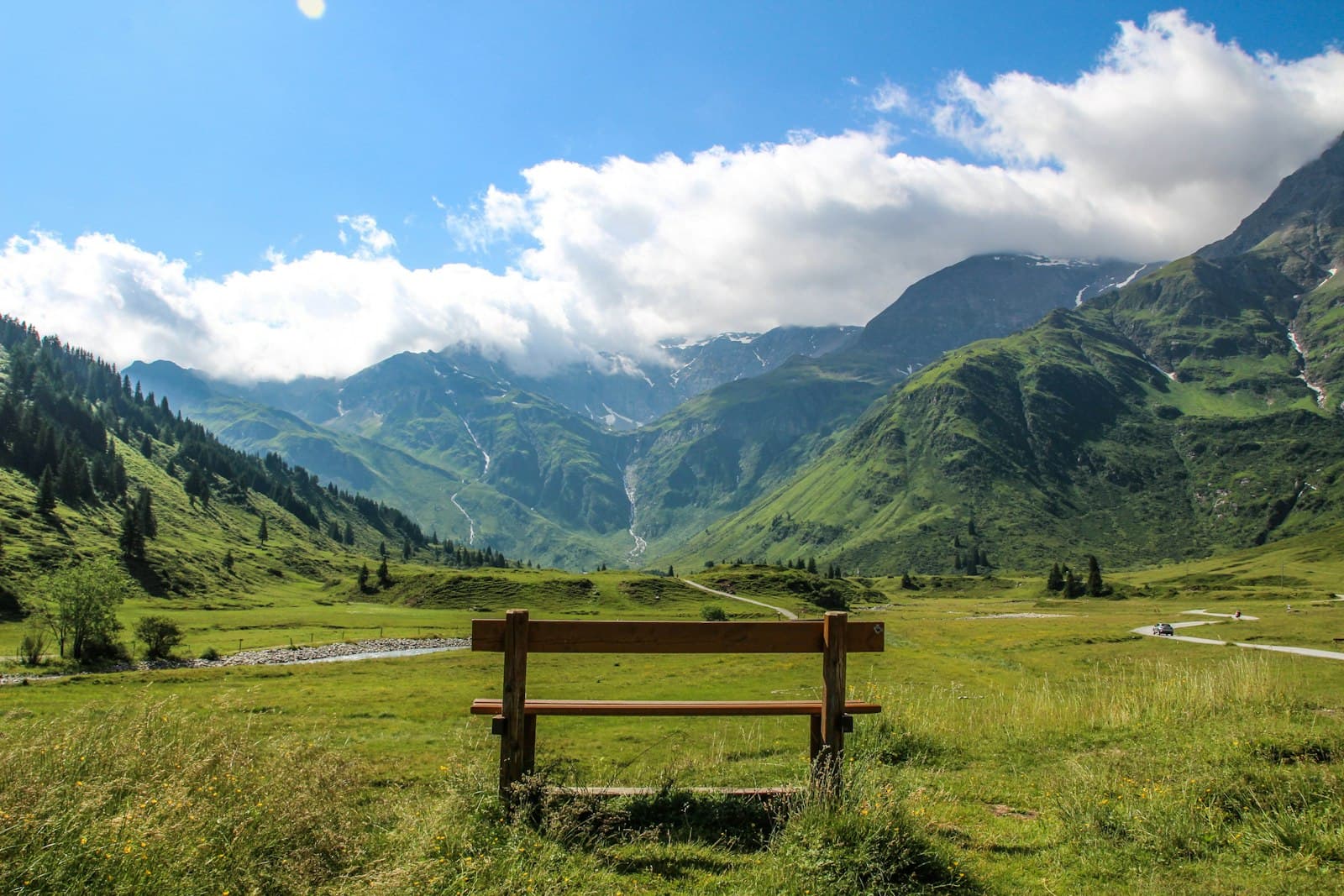
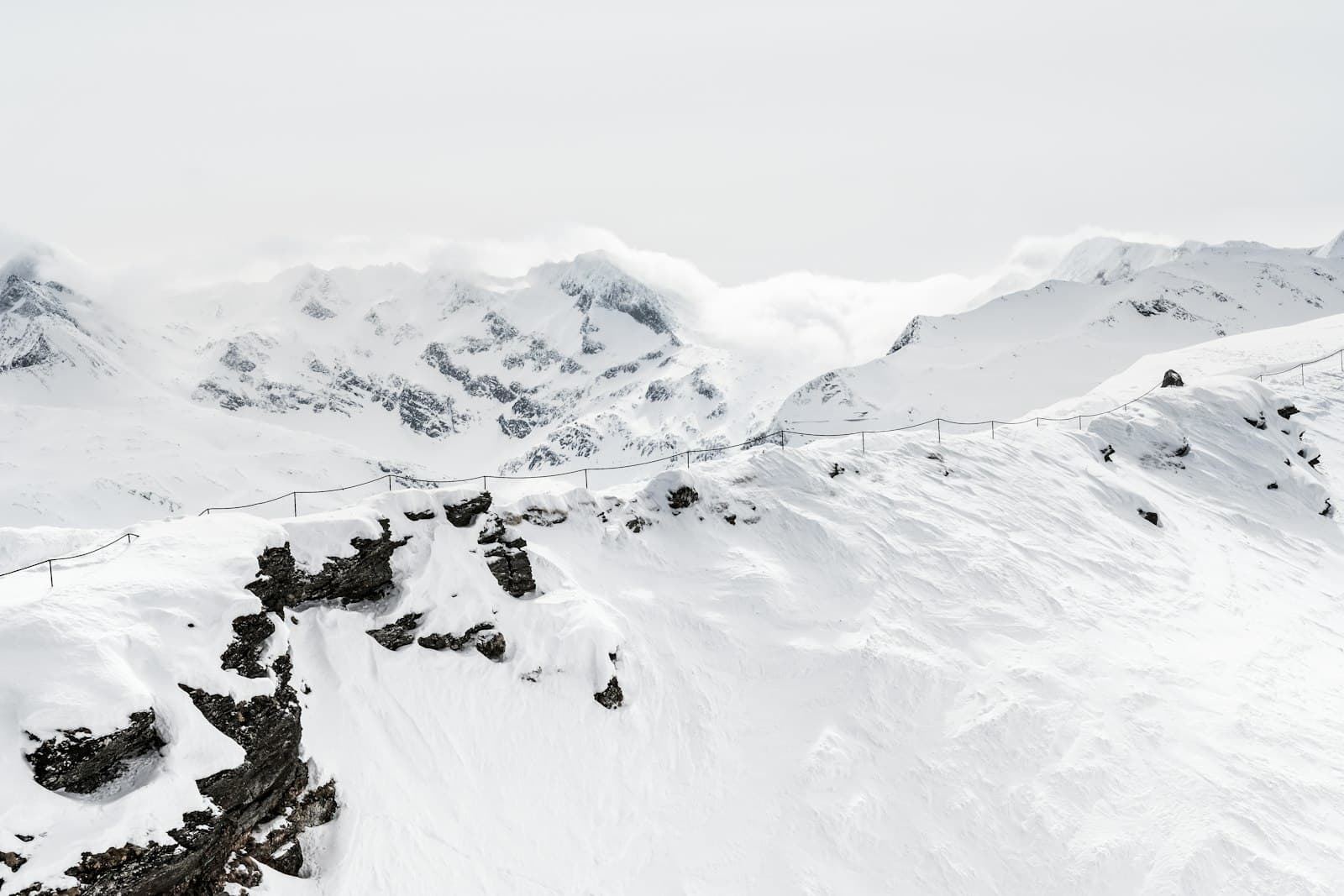
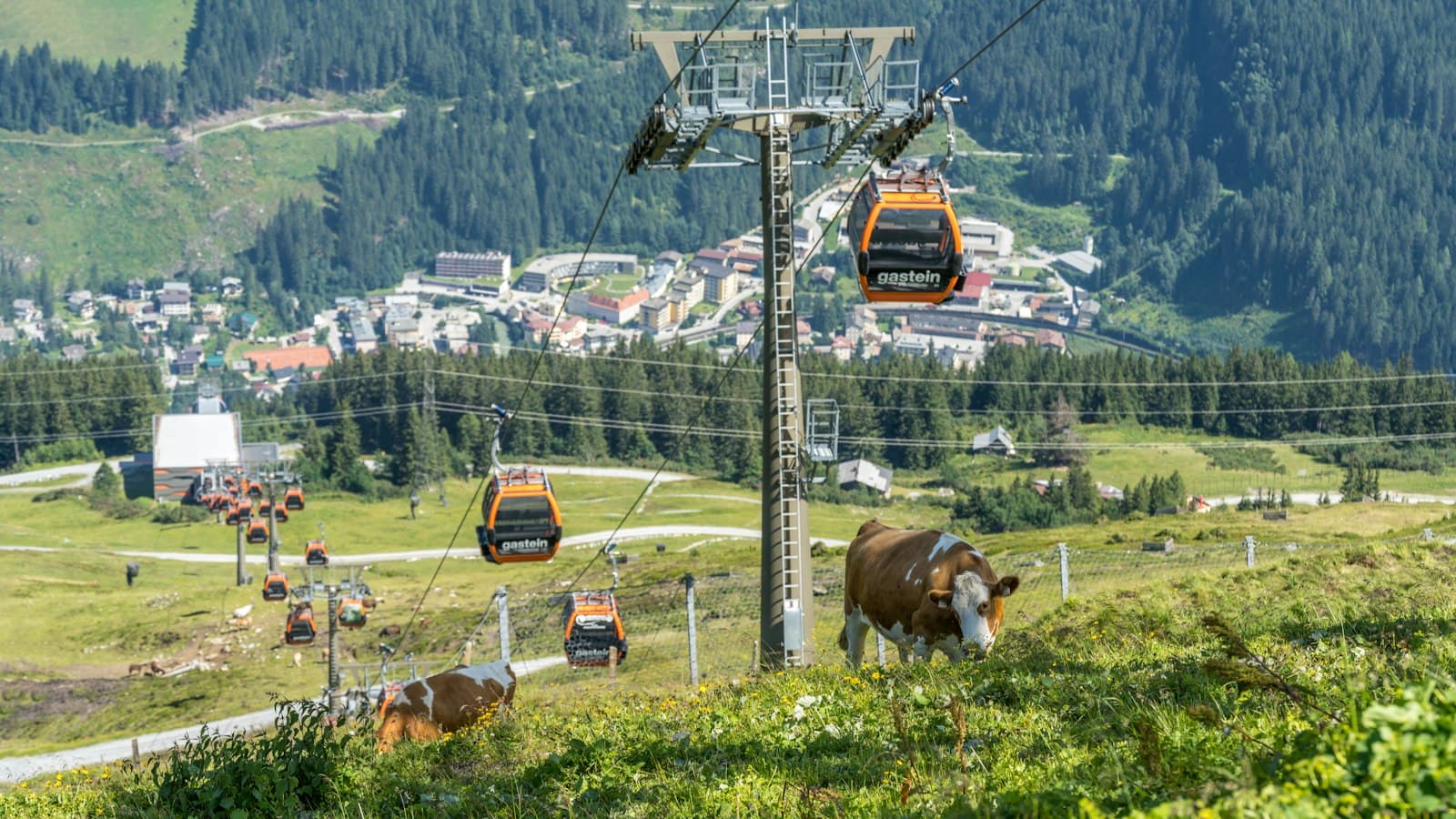
Your self-guided audio tour of Bad Gastein is ready — pick your landmarks, choose your language, and start the moment you arrive.
BuyLume has a built-in augmented-reality guide. Hold your phone up and its camera shows the street ahead of you, with a glowing arrow laid over the real view that always points to your next stop — no map to puzzle over, no wrong turns. Like everything in Lume, it works fully offline.
Bad Gastein, often called the 'Belle Époque pearl of the Alps,' is a dramatic spa town carved into the steep slopes of Austria's Hohe Tauern mountain range. Unlike typical alpine villages, its imposing Belle Époque hotels cling to the cliffs, creating a unique, almost metropolitan skyline. The town's very heart is bisected by the powerful Gastein Waterfall, a roaring cascade that plunges over 300 meters through the center, filling the air with mist and a constant, soothing rumble.
This extraordinary setting, combined with its renowned thermal springs, has drawn visitors for centuries, from emperors and aristocrats seeking healing to artists and philosophers finding inspiration. Today, Bad Gastein offers a captivating blend of faded grandeur and modern revitalization, where historic architecture meets contemporary art installations and cultural events. It's a place for both invigorating outdoor adventures and profound relaxation, a destination that truly awakens the senses.
## From Gold Mines to Imperial Spas Bad Gastein's story begins long before its spa fame. The valley was originally an area of alpine farming and a significant gold mining region, with records of the town, then called 'Gastuna,' dating back to 963. Gold mining flourished in the Middle Ages, bringing considerable wealth to the area in the 14th and 15th centuries.
The true turning point for Bad Gastein, however, was the discovery and recognition of its thermal springs. As early as the Middle Ages, the healing properties of these waters were noted, with the future Emperor Frederick III being one of the first high-ranking spa guests in 1436. The Renaissance physician Paracelsus also studied the Gastein spring water in the 16th century, seeking to uncover its secrets.
By the 18th century, the Salzburg archbishop Hieronymus von Colloredo reignited the fashion for visiting the Gastein Hot Springs, even building a classicist palace for his summer stays. The 19th century marked Bad Gastein's golden age, as it became a favored destination for European high society. Emperors like Franz Joseph I and Wilhelm I, along with Empress Sisi, philosophers such as Arthur Schopenhauer, and artists including Franz Schubert and Gustav Klimt, all sought the healing waters and alpine air.
This imperial patronage spurred the construction of magnificent Belle Époque hotels, which still define the town's unique architectural landscape today. The Grand Hotel de l'Europe, completed in 1909, was a pinnacle of this era, offering unparalleled modernity for its time. The arrival of the Tauern Railway in 1909 further cemented Bad Gastein's status as an international spa destination.
After a period of decline following the World Wars, during which some grand hotels fell into disuse, Bad Gastein has seen a resurgence. The discovery of radon's therapeutic properties in the former gold mines (now the Gastein Healing Gallery) in the 1940s and 50s brought renewed medical interest. Today, a new wave of artists and entrepreneurs are breathing fresh life into the historic buildings, blending Bad Gastein's past with a contemporary future.
Begin your exploration at the Gastein Waterfall, which dramatically cascades through the town center. The Waterfall Bridge offers the most iconic views and photo opportunities.
Admire the town's distinctive Belle Époque architecture, particularly the grand hotels that cling to the steep slopes. The Grand Hotel de l'Europe is a standout example, housing the Gastein Museum for a deeper dive into local history.
For expansive alpine vistas, take the Stubnerkogel cable car to the summit. Here, you can experience the thrilling Stubnerkogel Suspension Bridge, Europe's highest, and the Glocknerblick viewing platform with its sweeping 360-degree views.
Indulge in the town's thermal heritage at the Felsentherme Spa, a modern thermal bath complex built into the rock, offering various pools and relaxation areas. Alternatively, venture into the Gastein Healing Gallery (Heilstollen) for a unique radon-heat therapy experience.
Beyond the town, explore the Hohe Tauern National Park for hiking and mountain biking in summer, or enjoy extensive skiing and snowboarding on the 200 km of slopes across the Gastein Valley's four ski areas in winter.
Bad Gastein is a year-round destination, each season offering distinct experiences. For hiking and pleasant weather, the best time to visit is from June to August, with July being the sunniest month. Temperatures during summer typically range from 15°C to 25°C. Winter, from December to March, is ideal for skiing and snowboarding, with cold, snowy conditions averaging -5°C to 0°C. Spring and fall offer good hiking conditions with fewer crowds, though July and August can bring increased rainfall.
Bad Gastein is easily accessible by train, with direct services from Salzburg every two hours, offering a picturesque journey. Once in town, walking is the best way to explore its compact, hilly center. For longer distances or access to ski areas, local buses are available (around $5). Taxis are also an option, starting at about $15.
Most businesses accept cards, but it's advisable to carry some euros for smaller shops or markets. Tipping around 10% is customary. Accommodation ranges from traditional guesthouses to luxurious spa hotels. Booking Felsentherme tickets online in advance is recommended.
Bad Gastein in Korean, in Chinese or in Hebrew — and 29 more languages, every stop narrated by a native voice. The widest language range of any self-guided audio tour.
Available in: