The Colossus of Barletta
This colossal bronze statue has stood in Barletta for centuries, but its true identity and how it arrived here are still debated.
Full story unlocks in the tour
 LPLT / cc by-sa 3.0, via Wikimedia Commons
Self-guided audio walking tour of Barletta — GPS route, offline playback, story-driven narration in 32 languages.
“Where ancient giants stand guard and knights once dueled for honor.”
Not the postcards. The stories even locals don't know — whispered in your ear, right where they happened.
This colossal bronze statue has stood in Barletta for centuries, but its true identity and how it arrived here are still debated.
A seemingly ordinary inn in Barletta holds the origin story of a legendary medieval duel that became a symbol of Italian pride.
This imposing coastal fortress holds a secret connection to one of the most significant religious expeditions in history.
Discover every secret of Barletta
Every address, every reveal in full — in your ear, right where it happened.
You pick your stops. You walk. The voice reveals what the others miss.
Your self-guided audio tour of Barletta is ready — pick your landmarks, choose your language, and start the moment you arrive.
BuyLume has a built-in augmented-reality guide. Hold your phone up and its camera shows the street ahead of you, with a glowing arrow laid over the real view that always points to your next stop — no map to puzzle over, no wrong turns. Like everything in Lume, it works fully offline.
Barletta, a city on Puglia's Adriatic coast, is a place where history isn't just preserved in museums, but stands openly in its squares and along its streets. It's a city that has been chosen by history again and again, from ancient battlefields to medieval crusades and chivalric duels. With a population of around 94,000, Barletta offers a genuine slice of Italian life, away from the more trodden tourist paths, yet layered with stories at every turn.
Your journey here begins with the imposing figure of the Colossus, a bronze giant whose enigmatic presence sets the tone for a city full of layers of the past. Beyond this ancient marvel, you'll discover a Norman-Swabian castle, a cathedral blending Romanesque and Gothic styles, and an old town with narrow streets that echo with bygone eras. Barletta invites you to slow down, explore its sunlit squares, and savor its local flavors, offering a unique blend of seaside charm and profound historical depth.
## From Ancient Roots to Medieval Power Barletta's story stretches back to the 3rd century BC, with evidence of Apulian settlements even earlier, suggesting Phoenician origins as a trading post. Known as Bardulos or Barulum by the Greeks and Romans, it served as a port and bathing resort for the ancient city of Canusium. Its strategic position on the Adriatic Sea made it a prize, leading to its capture by the Ostrogoths, Byzantines, and Lombards in the 5th and 6th centuries.
## Crusades and Imperial Grandeur The city gained significant prominence in the Middle Ages, becoming part of the Kingdom of Naples in the 11th century. Under the Normans and Lombards, Barletta evolved into a crucial stronghold and an important staging post for Crusaders, Teutonic Knights, Templars, and the Knights of St. John on their way to the Holy Land. Emperor Frederick II further enhanced its stature, expanding the Norman castle in the 13th century and launching the Sixth Crusade from its ramparts in 1228. This period marked Barletta's commercial and strategic peak, flourishing as a trading hub between Italy and the Levant under the Angevin dynasty.
## The Challenge and Beyond The 16th century brought one of Barletta's most celebrated historical events: the Disfida di Barletta (Challenge of Barletta) in 1503. This formal duel between 13 Italian and 13 French knights, ignited by a French officer's insult, resulted in an Italian victory and became a powerful symbol of national pride. The city, subsequently serving as a fortress for Spanish rulers, faced a period of decline after being sacked by French troops in 1528. Despite later challenges, including plagues and earthquakes, Barletta has preserved its profound heritage, earning recognition as an Apulian City of Art in 2005.
Barletta offers a concentrated array of historical sites, easily explored on foot. Begin with the Colossus of Barletta, a towering bronze statue of a Roman emperor, standing proudly at a crossroads in the old town. Its sheer size and mysterious origins make it a captivating sight. Just behind it, discover the Basilica of the Holy Sepulchre, a 12th-century Gothic church with Crusader-era stonework, reflecting Barletta's role as a pilgrimage hub.
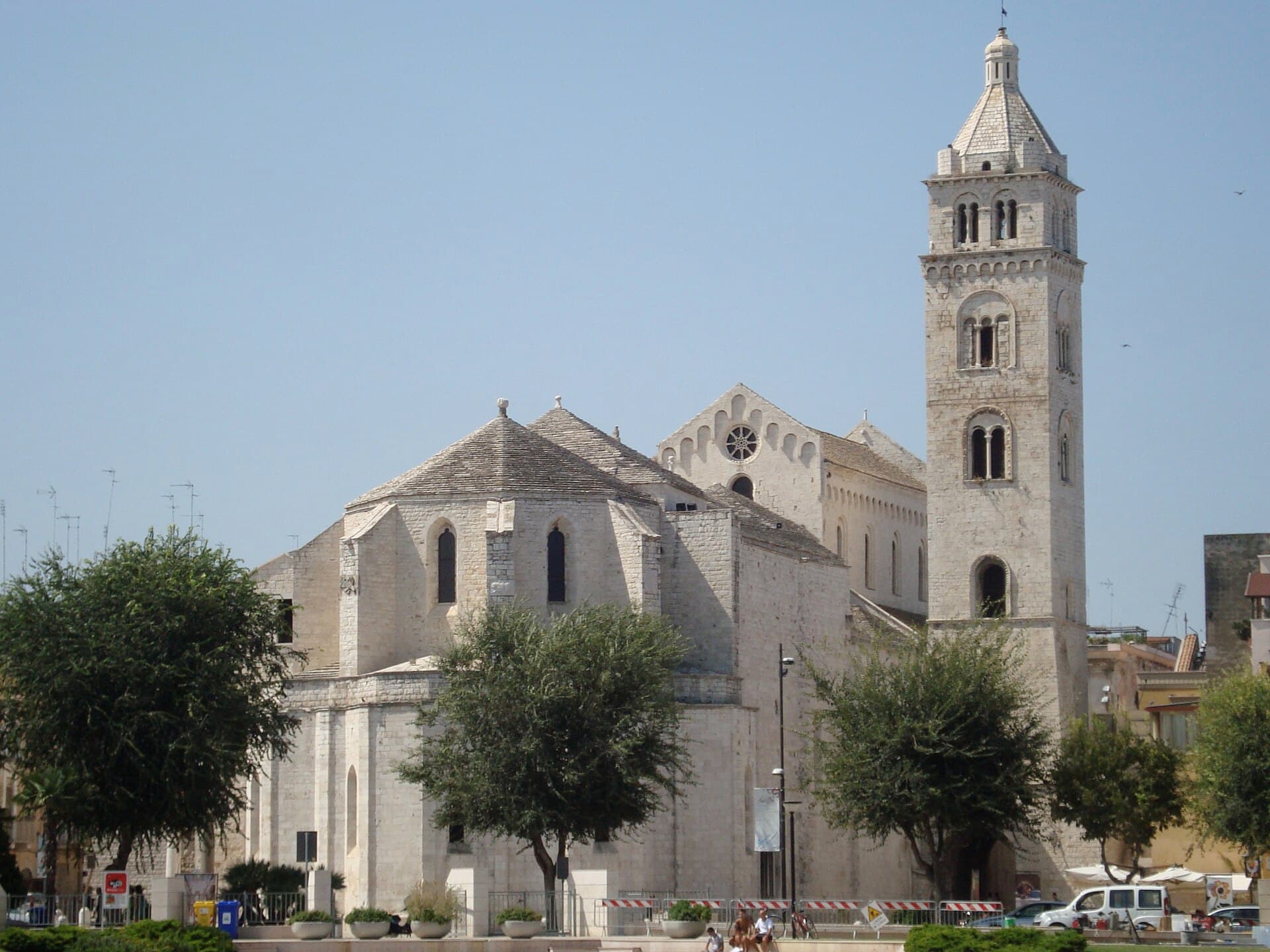
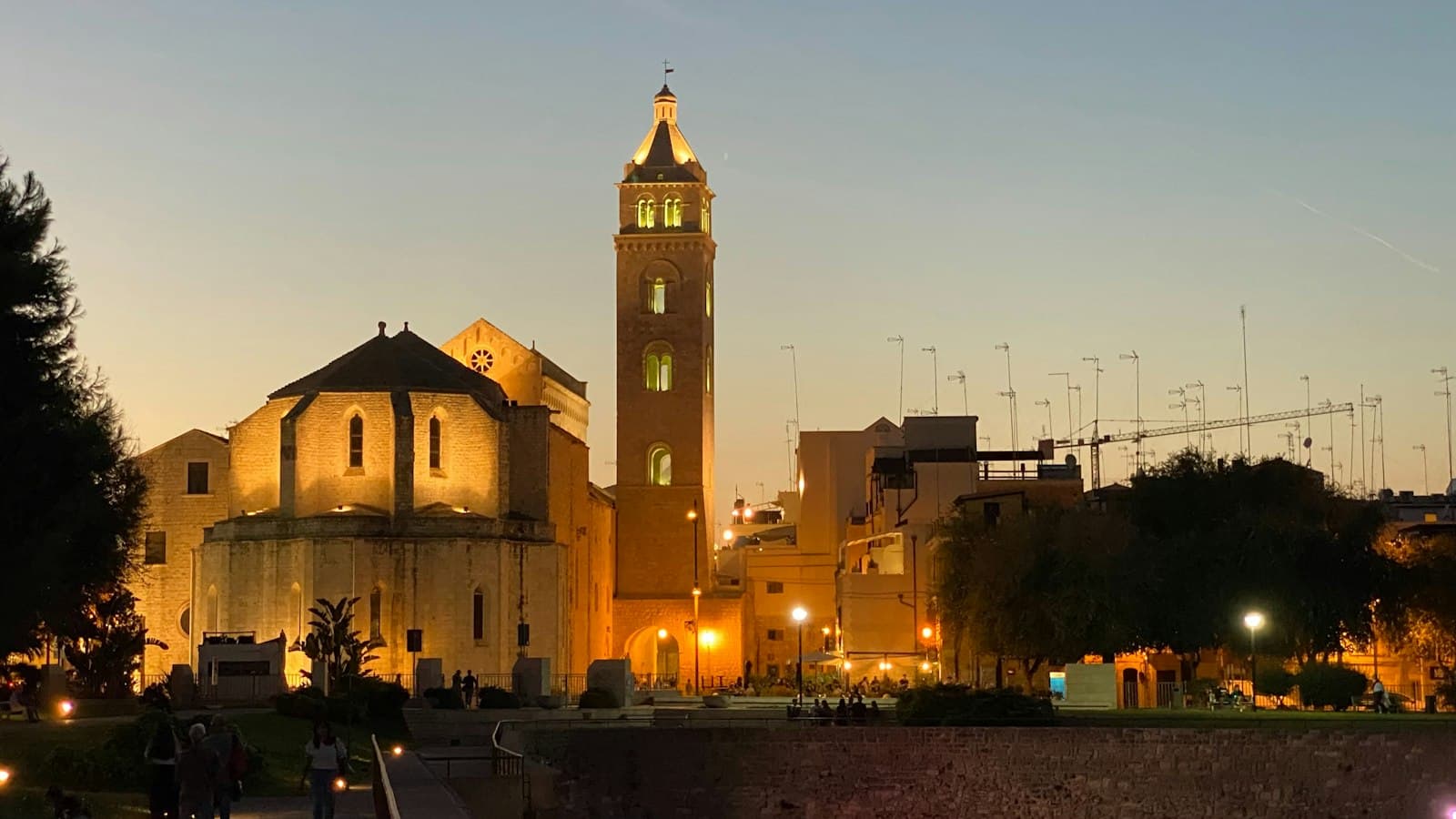
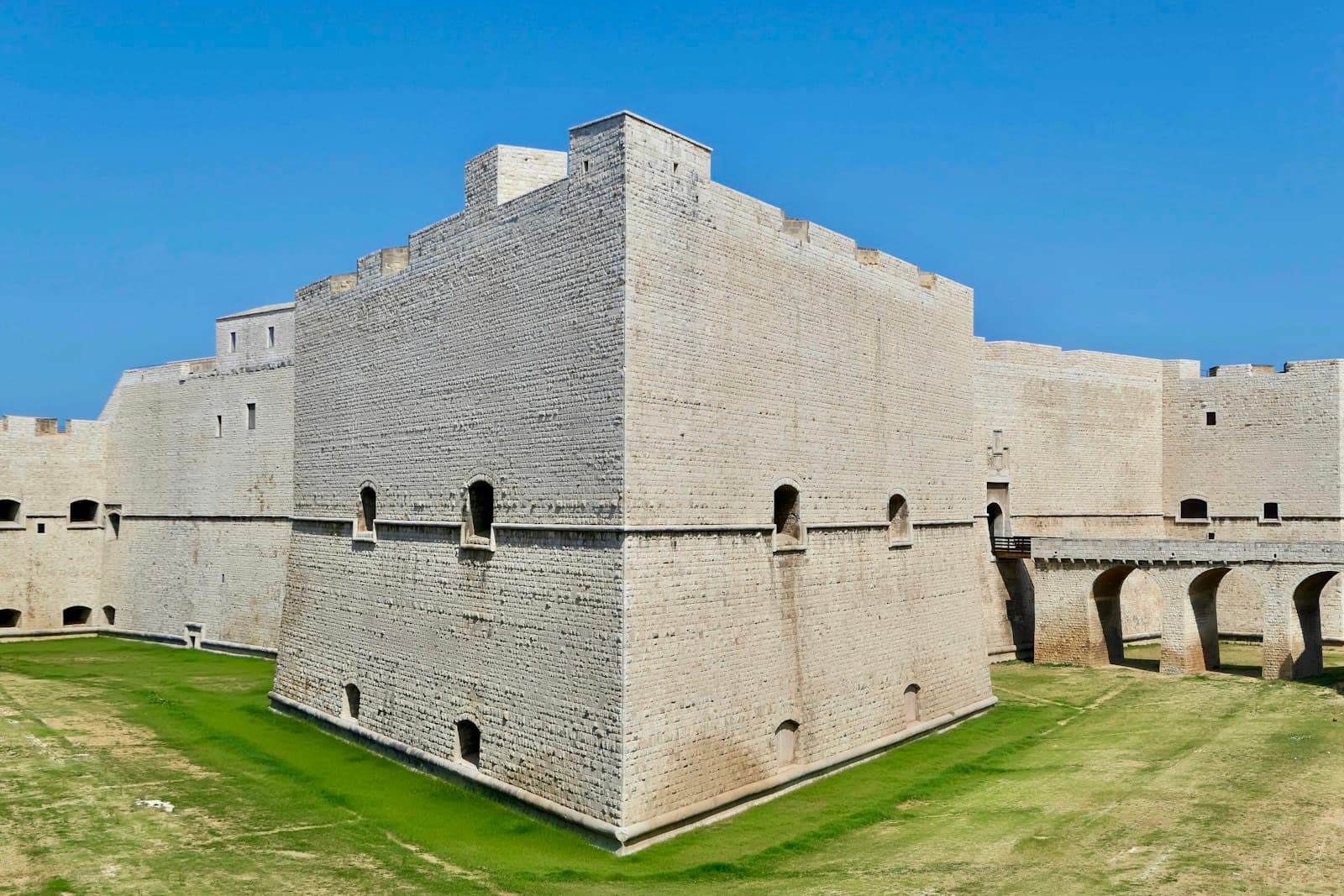
A short walk leads to the imposing Swabian Castle, a Norman fortress rebuilt by Emperor Frederick II. Explore its ramparts for panoramic city views and visit the Civic Museum inside, which houses a unique bust of Frederick II. Nearby, the Cathedral of Santa Maria Maggiore showcases a blend of Romanesque and Gothic architecture, with a crypt revealing early Christian remains.
Do not overlook the Cantina della Disfida, the historic inn where the Challenge of Barletta was famously sparked. For art enthusiasts, Palazzo della Marra houses the Art Gallery Giuseppe De Nittis, featuring over 200 works by the 19th-century Impressionist painter. A visit to the Archaeological Area and Antiquarium of Canne della Battaglia, just outside the city, offers a glimpse into the site of Hannibal's legendary victory over the Romans.
The best times to visit Barletta for pleasant weather and exploring its historical sites are from April through June and in September. During these months, the weather is mild, and the city is less crowded. For those interested in beach activities, late June to early September offers warm seas and lively beachfronts. A truly special time to visit is February 13th, when Barletta hosts a full medieval re-enactment of the Disfida di Barletta, complete with costumes, processions, and a staged combat.
Barletta is easily accessible, with its own train station offering frequent regional and intercity connections, particularly from Bari (a 30-minute journey). The city center and its main attractions are walkable, allowing for a leisurely exploration on foot. For exploring the surrounding areas, consider a rental car for flexibility, though train travel also connects to nearby towns like Trani and Andria.
Accommodation options range from established hotels to local guesthouses. Dining in Barletta is a treat, with a focus on northern Puglia's culinary traditions. Expect fresh pasta, seafood from the Adriatic, and local specialties like tenerello pastry and pasta al forno barlettana. The city's waterfront, Lungomare, is a popular spot for evening strolls and offers seasonal food stalls.
Barletta in Korean, in Chinese or in Hebrew — and 29 more languages, every stop narrated by a native voice. The widest language range of any self-guided audio tour.
Available in: