Barrio Chino de Bengkulu (Pecinan)
Más allá de un arco ornamentado, el Barrio Chino de Bengkulu ofrece ecos arquitectónicos de una época pasada.
La historia completa se desbloquea en el tour
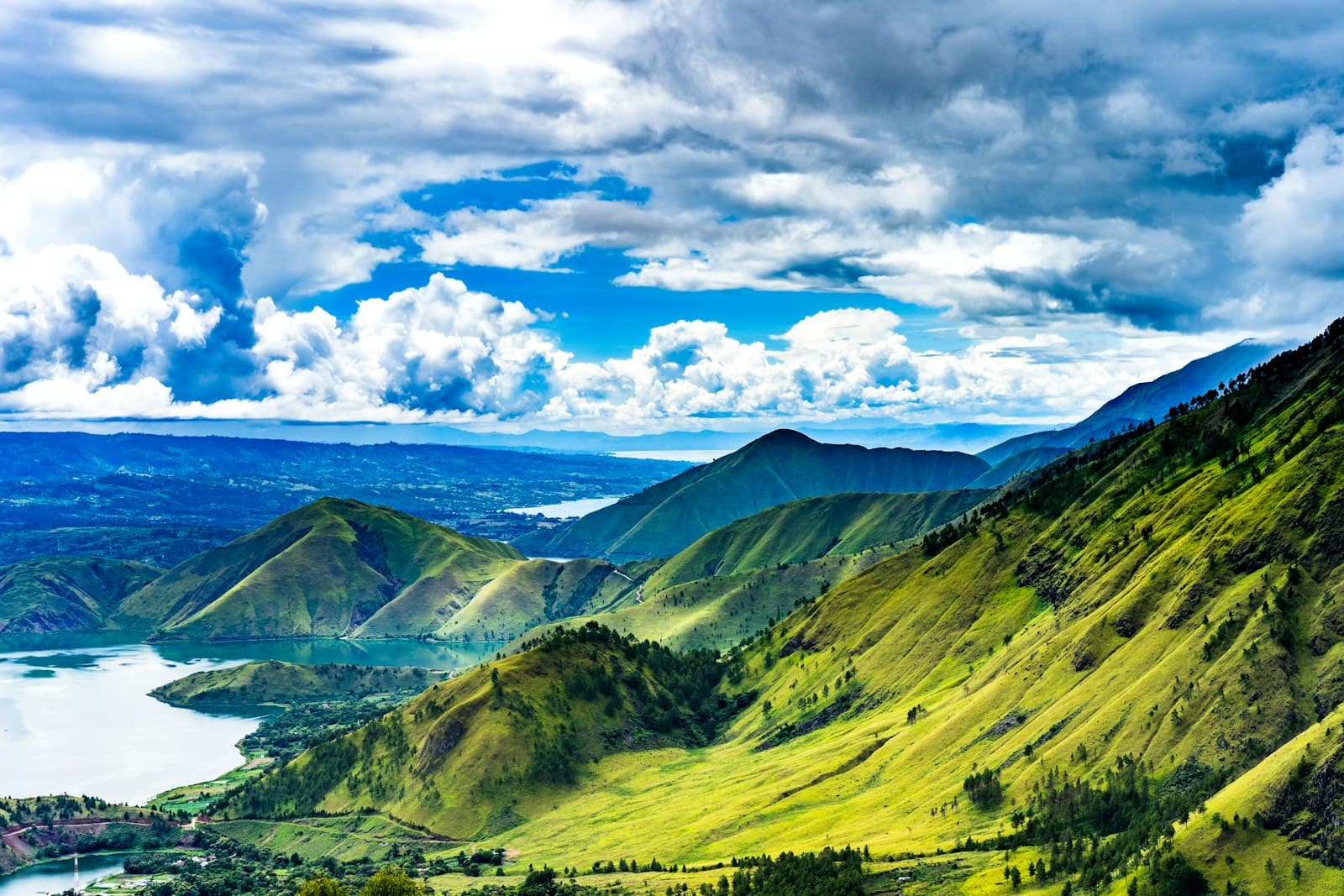 Photo: Marc St / Unsplash
Tour de audio autoguiado de Bengkulu — ruta GPS a pie, reproducción offline, narración en 32 idiomas.
“Donde la flor más grande del mundo se despliega y la historia de amor de una nación comenzó.”
No las postales. Las historias que ni los locales conocen — al oído, justo donde ocurrieron.
Más allá de un arco ornamentado, el Barrio Chino de Bengkulu ofrece ecos arquitectónicos de una época pasada.
La casa donde el primer presidente de Indonesia, Sukarno, residió durante su exilio impuesto por los holandeses, revela un detalle sorprendente sobre su propietario original.
Durante su exilio, Sukarno se mantuvo activo, encontrando una vía única para mantener su espíritu revolucionario.
Descubre todos los secretos de Bengkulu
Cada dirección, cada revelación al completo — a tu oído, justo donde ocurrió.
Eliges tus paradas. Caminas. La voz te revela lo que los demás ignoran.

Tu tour de audioguía por Bengkulu te espera — elige tus lugares, tu idioma y empieza al llegar.
ComprarLume incluye una guía de realidad aumentada. Levanta el móvil y su cámara muestra la calle que tienes delante, con una flecha luminosa sobre la imagen real que siempre apunta a tu próxima parada — sin mapas que descifrar, sin giros equivocados. Como todo en Lume, funciona completamente sin conexión.
Bengkulu, una ciudad costera en la costa suroeste de Sumatra, Indonesia, ofrece una convincente fusión de herencia colonial, maravillas naturales y una atmósfera tranquila. A menudo pasada por alto por el turismo masivo, esta capital provincial ofrece una visión singular del pasado de Indonesia y su floreciente entorno natural. Desde el imponente Fuerte Marlborough, construido por los británicos, hasta las serenas extensiones de Pantai Panjang, la ciudad invita a la exploración más allá de los circuitos turísticos habituales.
Conocida como la "Tierra de la Rafflesia" (Bumi Rafflesia), Bengkulu es el hogar natural de la flor más grande del mundo, la Rafflesia arnoldii, una rara y cautivadora maravilla botánica. Más allá de su renombre botánico, Bengkulu ocupa un lugar crucial en la búsqueda de independencia de Indonesia, habiendo servido como lugar de exilio para Sukarno, el primer presidente de la nación, donde conoció a su futura esposa, Fatmawati. Esta ciudad costera, con su clima tropical templado y sus acogedores residentes, promete una auténtica experiencia indonesia, rica en narrativas y esplendor escénico.
La historia de Bengkulu, o Bencoolen como la conocían los británicos, está profundamente entrelazada con la intensa competencia colonial por el control del lucrativo comercio de especias en el sudeste asiático. La Compañía Británica de las Indias Orientales (EIC) estableció un puesto comercial y una guarnición aquí en 1685, después de su expulsión de Bantam en Java por los holandeses. Su objetivo principal era asegurar un nuevo centro para la adquisición de pimienta en Sumatra.
Inicialmente, los británicos erigieron Fort York, pero su ubicación resultó ser una "trampa mortal malárica". En consecuencia, entre 1714 y 1719, se construyó el más formidable Fuerte Marlborough, convirtiéndose en la principal fortificación británica y centro administrativo de la región. A pesar de su fuerza, el fuerte encontró resistencia local; en 1719, un levantamiento provocó su incendio y la retirada temporal de los británicos. Bengkulu permaneció bajo administración británica durante casi 140 años, un período en el que figuras como Sir Stamford Raffles, más tarde fundador de Singapur, sirvieron como Teniente Gobernador de 1818 a 1824, promulgando reformas como la abolición de la esclavitud. Sin embargo, el puesto comercial nunca fue particularmente rentable para los británicos, debido a su ubicación desafiante y un clima desagradable para los europeos. En 1824, se produjo un importante intercambio geopolítico: Bengkulu fue transferida a los Países Bajos a cambio de Malaca bajo el Tratado Anglo-Holandés, integrándola en las Indias Orientales Holandesas.
Durante la era colonial holandesa, Bengkulu adquirió otra capa de importancia histórica como lugar de exilio interno para Sukarno, el futuro primer presidente de Indonesia. De 1938 a 1942, residió aquí, un período durante el cual conoció a Fatmawati, quien se convertiría en su tercera esposa y la primera Primera Dama de Indonesia. Su tiempo en Bengkulu fue fundamental para el movimiento de independencia, ya que continuó sus actividades políticas y desarrolló obras ideológicas clave. Después de la proclamación de independencia de Indonesia en 1945, Bengkulu se convirtió oficialmente en parte del nuevo estado. En 1968, fue elevada a la categoría de capital provincial, una medida que estimuló su desarrollo como un centro regional moderno, con crecimiento en población, infraestructura e instituciones educativas. Hoy, la ciudad de Bengkulu se erige como un testimonio de su pasado multifacético, desde un puesto de pimienta británico hasta un sitio fundamental en el nacimiento de una nación.
Bengkulu presenta una colección de lugares de interés que hablan de su historia única y su esplendor natural. El monumento más emblemático es el Fuerte Marlborough, una de las fortalezas de la Compañía Británica de las Indias Orientales más grandes y cuidadosamente conservadas del sudeste asiático. Explore sus enormes muros de piedra de coral, disfrute de las amplias vistas del Océano Índico y profundice en las exhibiciones que detallan su pasado militar y colonial.
Para una comprensión más profunda de la lucha de Indonesia por la independencia, visite la Casa de Exilio de Soekarno. Esta modesta casa de la época colonial fue donde el primer presidente de la nación vivió bajo supervisión holandesa de 1938 a 1942. Ahora funciona como un museo, salvaguardando pertenencias personales y ofreciendo información sobre su vida y actividades políticas durante este período crucial. Cerca, la Casa de Fatmawati Soekarno es una réplica de la residencia de la primera Primera Dama de Indonesia, mostrando su vida y contribuciones, incluida la costura de la primera bandera indonesia.
Los entusiastas de la naturaleza se sentirán atraídos por la búsqueda de la Rafflesia arnoldii, la flor más grande del mundo y el emblema provincial. Si bien los avistamientos exigen fortuna y orientación local, las áreas forestales protegidas alrededor de Bengkulu, como Taba Penanjung y Kepahiang Regency, son hábitats conocidos.
Para el descanso, Pantai Panjang (Playa Larga) se extiende por siete kilómetros a lo largo de la costa, ofreciendo suaves arenas blancas ideales para paseos tranquilos, disfrutar de los atardeceres o incluso surfear. La cercana Playa Tapak Paderi también proporciona un vínculo entre el mar, la ciudad y su patrimonio fortificado. No pierda la oportunidad de explorar el Barrio Chino (Pecinan) de Bengkulu, adyacente al fuerte, que cuenta con edificios antiguos bien conservados y tiendas distintivas.
Otras atracciones notables incluyen el Monumento a Thomas Parr, que conmemora a un jefe residente británico asesinado en un levantamiento, y el tranquilo Danau Dendam Tak Sudah (Lago del Rencor Interminable), un lago natural envuelto en frondosos bosques.
La época más favorable para visitar Bengkulu es durante la estación seca, que generalmente abarca de mayo a septiembre. Durante estos meses, el clima es más constante, con cielos más despejados y menos precipitaciones, lo que lo hace ideal para actividades al aire libre y para explorar las atracciones y playas de la ciudad. Si bien la región experimenta un clima tropical con condiciones cálidas y húmedas durante todo el año, la estación seca ofrece las condiciones más agradables. Junio, julio y septiembre suelen citarse como los que ofrecen el clima más óptimo. Si espera presenciar la rara floración de la Rafflesia arnoldii, recuerde que normalmente florece durante la estación húmeda, entre junio y diciembre, por lo que una visita durante los meses de transición podría aumentar sus posibilidades.
El idioma principal de Bengkulu es el indonesio (Bahasa Indonesia). Aunque el inglés no se habla ampliamente, es posible que encuentre hablantes de inglés en hoteles y zonas turísticas. Aprender algunas frases indonesias fundamentales será muy beneficioso.
La navegación por Bengkulu se puede realizar en taxis, alquiler de motocicletas (ojek) o minibuses públicos (angkot). Para mayor flexibilidad, considere alquilar un coche o una motocicleta. La ciudad cuenta con el Aeropuerto Fatmawati Soekarno (BKS), que gestiona vuelos nacionales desde ciudades como Yakarta y Palembang. Los autobuses también ofrecen una opción desde las principales ciudades como Medan, Padang o Yakarta, aunque los viajes pueden ser largos.
Empaque ropa ligera y transpirable adecuada para un clima tropical, junto con un sombrero y protector solar. Se recomienda repelente de insectos. Si visita durante la temporada de lluvias (de octubre a abril), un chubasquero es esencial. Al visitar sitios religiosos, se recomienda ropa modesta que cubra hombros y rodillas. La moneda local es la rupia indonesia (IDR). Observe las costumbres locales: use la mano derecha al dar o recibir artículos, y quítese los zapatos antes de entrar en las casas. Bengkulu es generalmente segura para mujeres que viajan solas, pero las precauciones estándar siempre son prudentes.
Bengkulu en coreano, en chino o en hebreo — y 29 idiomas más, cada parada narrada por una voz nativa. La mayor variedad de idiomas de cualquier audioguía autoguiada.
Disponible en: