El río Siak
El río Siak, la savia de Pekanbaru, tiene un récord sorprendente que habla de su importancia histórica.
La historia completa se desbloquea en el tour
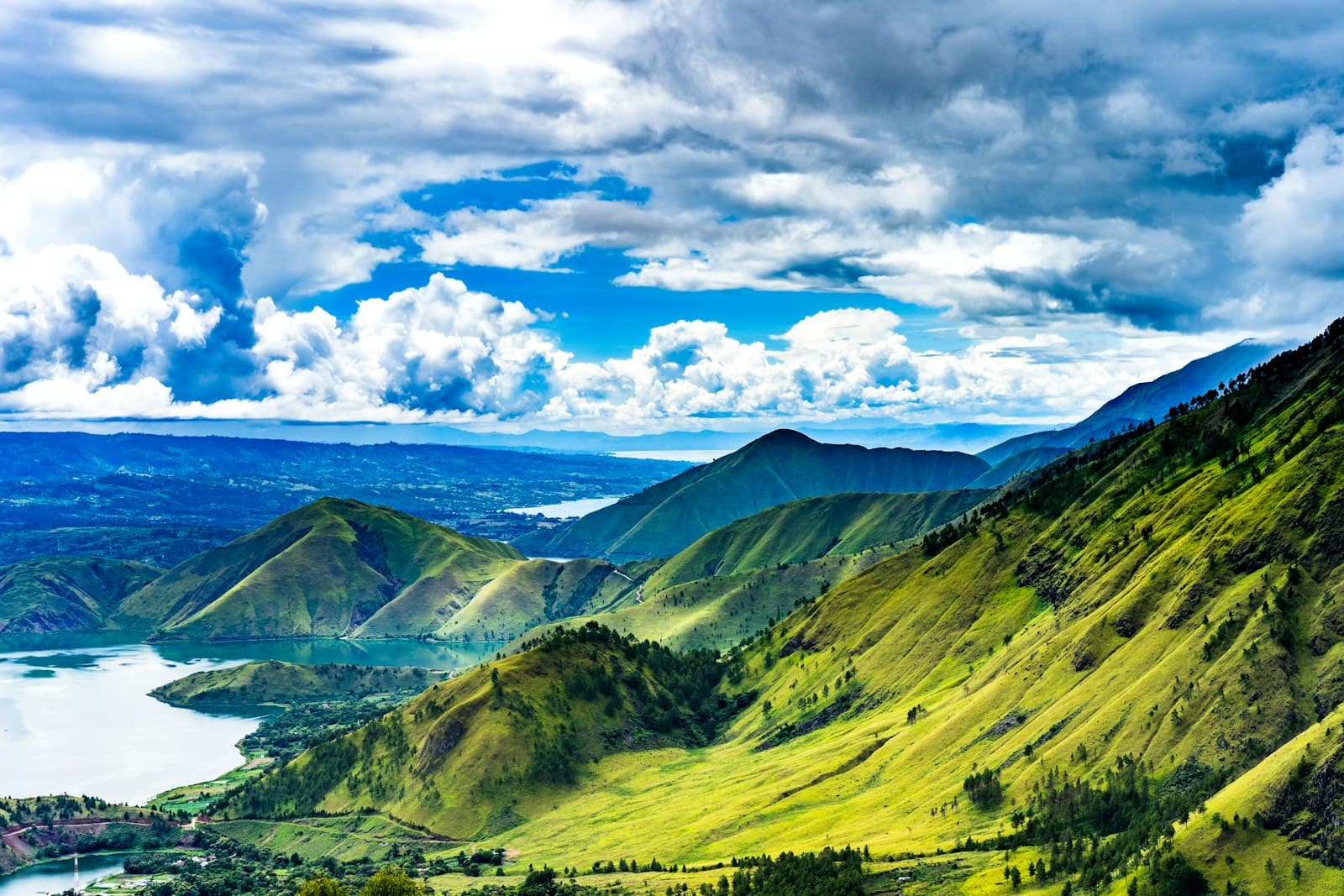 Photo: Marc St / Unsplash
Tour de audio autoguiado de Pekanbaru — ruta GPS a pie, reproducción offline, narración en 32 idiomas.
“Donde el río Siak lleva la historia de la ciudad.”
No las postales. Las historias que ni los locales conocen — al oído, justo donde ocurrieron.
El río Siak, la savia de Pekanbaru, tiene un récord sorprendente que habla de su importancia histórica.
Para ser una bulliciosa ciudad indonesia, Pekanbaru tiene una reputación inesperada que podría sorprender a los visitantes primerizos.
Cerca del río Siak, una casa tradicional de madera guarda un vínculo directo con el pasado real de Pekanbaru.
Descubre todos los secretos de Pekanbaru
Cada dirección, cada revelación al completo — a tu oído, justo donde ocurrió.
Eliges tus paradas. Caminas. La voz te revela lo que los demás ignoran.


Tu tour de audioguía por Pekanbaru te espera — elige tus lugares, tu idioma y empieza al llegar.
ComprarLume incluye una guía de realidad aumentada. Levanta el móvil y su cámara muestra la calle que tienes delante, con una flecha luminosa sobre la imagen real que siempre apunta a tu próxima parada — sin mapas que descifrar, sin giros equivocados. Como todo en Lume, funciona completamente sin conexión.
Pekanbaru, la capital de la provincia de Riau en la isla de Sumatra, Indonesia, es un centro económico donde convergen el desarrollo moderno y las arraigadas tradiciones malayas. Su nombre, que significa 'mercado nuevo' en malayo, refleja su importancia histórica como puerto comercial a lo largo del río Siak, que desemboca directamente en el Estrecho de Malaca. Con una población que supera el millón, Pekanbaru es una ciudad conocida por su limpieza y su planificación urbana ordenada.
Aunque a menudo se la considera una ciudad de negocios, Pekanbaru ofrece una mezcla única de experiencias culturales y belleza natural para el viajero curioso. Desde grandes mezquitas hasta animados mercados tradicionales y espacios verdes urbanos, la ciudad proporciona una experiencia indonesia cómoda y auténtica, distinta de los destinos más turísticos. Sirve como un punto de partida estratégico para explorar los paisajes y culturas más amplios de Sumatra.
Los orígenes de Pekanbaru están intrínsecamente ligados al río Siak, que sirvió como una arteria comercial vital que conectaba las Tierras Altas de Minangkabau con el Estrecho de Malaca. Un asentamiento, originalmente conocido como Senapelan, existía en este sitio estratégico ya en el siglo XVII. Rápidamente se convirtió en un mercado para los comerciantes de Minangkabau, facilitando el movimiento de bienes desde el interior de Sumatra a las concurridas rutas marítimas.
La fundación oficial de Pekanbaru se remonta al 23 de junio de 1784. En este día, después de una reunión consultiva del Consejo de Ministros del Sultanato de Siak Sri Indrapura, el área fue formalmente nombrada Pekanbaru, que significa 'mercado nuevo'. Este cambio de nombre fue impulsado por el Sultán Muhammad Ali Abdul Jalil Muazamsyah, quien trasladó su sede de gobierno a esta nueva área en el río Siak, buscando una ubicación estratégica que ofreciera mejor seguridad contra los ataques piratas y estimulara el crecimiento económico. Durante un período a finales del siglo XVIII y principios del XIX, Pekanbaru incluso sirvió como capital del poderoso Sultanato de Siak.
Durante el período colonial de las Indias Orientales Neerlandesas, Pekanbaru mantuvo su importancia como punto comercial, particularmente para las florecientes industrias del café y el carbón. Los holandeses construyeron carreteras para facilitar el transporte de mercancías a puertos como Singapur y Malaca. Un capítulo más oscuro de su historia se desarrolló durante la Segunda Guerra Mundial, cuando las fuerzas japonesas ocuparon Pekanbaru. Entre 1942 y 1945, emprendieron la construcción de un ferrocarril de 220 kilómetros de largo, que conectaba Pekanbaru con la costa del Estrecho de Malaca. Este ambicioso proyecto, conocido como el Ferrocarril de Pekanbaru, se construyó en condiciones extremadamente duras, con muchos prisioneros de guerra y trabajadores locales sucumbiendo a enfermedades y falta de sustento. Aunque se completó en 1945, el ferrocarril nunca se utilizó por completo y ahora está en desuso. Después de que Indonesia obtuviera la independencia, Pekanbaru se convirtió en la capital de la provincia de Riau en 1957, una designación que impulsó aún más su crecimiento y desarrollo. Hoy en día, la ciudad sigue prosperando como un importante centro económico, particularmente debido a sus recursos naturales como el petróleo, el caucho y el aceite de palma, mientras preserva con orgullo su patrimonio cultural.
Pekanbaru ofrece una diversa gama de atracciones que combinan el patrimonio cultural con el ocio moderno. La Gran Mezquita An-Nur, a menudo llamada el 'Taj Mahal de Riau', es una obra maestra arquitectónica que combina estilos malayo, turco e indio, ofreciendo una atmósfera serena para la reflexión. Para una inmersión más profunda en el pasado de la región, el Museo Sang Nila Utama exhibe la historia cultural y los artefactos de Riau. Cerca, el Parque Cultural de Riau (Taman Budaya Riau) es un espacio donde se pueden presenciar ensayos de danzas tradicionales o artes marciales, ofreciendo una muestra viva del patrimonio artístico local.
Para experimentar la vida local y encontrar recuerdos únicos, Pasar Bawah es un mercado turístico tradicional famoso por sus antigüedades, cerámicas, alfombras y aperitivos locales como kerupuk y tortitas de durián. Para una escapada urbana relajante, el Parque de la Ciudad Putri Kaca Mayang (Taman Kota Pekanbaru) ofrece una pista para correr bien mantenida, fuentes y asientos a la sombra, particularmente animado por las mañanas y al final de la tarde. Los amantes de la aventura podrían considerar excursiones de un día a maravillas naturales como la Cascada Lembah Sari, a unos 90 minutos de distancia, o los tesoros históricos de Siak, a solo una hora de Pekanbaru, hogar del Palacio del Sultán. Atracciones modernas como Asia Heritage y Riau Fantasi (un parque acuático) también atienden a familias y a quienes buscan entretenimiento contemporáneo.
Pekanbaru experimenta un clima de selva tropical, lo que significa que es cálido y húmedo durante todo el año, con temperaturas promedio de alrededor de 28°C (82°F). La ciudad tiene dos estaciones principales: una estación húmeda de octubre a marzo y una estación seca de abril a septiembre. El momento ideal para visitar Pekanbaru es durante la estación seca, específicamente de mayo a septiembre, cuando hay menos precipitaciones y más sol, lo que la hace adecuada para actividades al aire libre y visitas turísticas. Si bien las temperaturas se mantienen constantemente cálidas, la estación seca ofrece condiciones más agradables para explorar.
Moverse por Pekanbaru es relativamente fácil con varias opciones de transporte. El transporte público incluye autobuses y angkot (minivans compartidas), mientras que los taxis y los servicios de transporte como Gojek y Grab están ampliamente disponibles. Alquilar un coche o una moto también es una opción para una mayor flexibilidad. El idioma oficial es el indonesio (Bahasa Indonesia), aunque muchos lugareños también hablan malayo, minangkabau y javanés. El inglés no se habla ampliamente, por lo que aprender algunas frases básicas en indonesio o usar una aplicación de traducción puede ser útil.
Pekanbaru se considera generalmente segura para los turistas, pero siempre es aconsejable practicar precauciones de seguridad comunes, como asegurar las pertenencias y estar atento en áreas desconocidas por la noche. Vístase con modestia, especialmente al visitar sitios religiosos, con las mujeres considerando faldas o pantalones largos y hombros cubiertos. La moneda local es la rupia indonesia (IDR), y es recomendable llevar algo de efectivo ya que no todos los establecimientos aceptan tarjetas. Los cajeros automáticos están ampliamente disponibles. Recuerde quitarse los zapatos antes de entrar en casas o mezquitas y use la mano derecha al dar o recibir artículos, ya que la mano izquierda se considera de mala educación.
Pekanbaru en coreano, en chino o en hebreo — y 29 idiomas más, cada parada narrada por una voz nativa. La mayor variedad de idiomas de cualquier audioguía autoguiada.
Disponible en: