The Jewellery Quarter
L'ufficio di controllo di Birmingham utilizza un curioso simbolo per la marchiatura dei metalli preziosi, uno che sembra fuori posto per una città interna.
La storia completa si sblocca nel tour
 Stephen JG / CC BY-SA 2.0, via Wikimedia Commons
Tour audio autoguidato di Birmingham — percorso GPS a piedi, riproduzione offline, narrazione coinvolgente in 32 lingue.
“Oltre i canali, una città di silenziose rivoluzioni.”
Non le cartoline. Le storie che nemmeno i locali conoscono — sussurrate nel tuo orecchio, proprio dove sono accadute.
L'ufficio di controllo di Birmingham utilizza un curioso simbolo per la marchiatura dei metalli preziosi, uno che sembra fuori posto per una città interna.
Queste case del XIX secolo preservate offrono uno sguardo sulla vita della classe operaia, ma uno dei loro ultimi residenti aveva una sorprendente connessione internazionale.
Sebbene conosciuta per il cioccolato, l'eredità della famiglia Cadbury si estende ben oltre la dolciaria, radicata in una visione di cambiamento sociale.
Scopri ogni segreto di Birmingham
Ogni indirizzo, ogni rivelazione completa — nel tuo orecchio, proprio dove è accaduta.
Scegli le tue tappe. Cammini. La voce rivela ciò che gli altri perdono.

Lume include una guida in realtà aumentata. Alza il telefono: la fotocamera mostra la strada davanti a te, con una freccia luminosa sovrapposta all'immagine reale che punta sempre verso la tua prossima tappa — nessuna mappa da decifrare, nessuna svolta sbagliata. Come tutto in Lume, funziona completamente offline.
Birmingham, la seconda città più grande del Regno Unito, si afferma come un dinamico centro urbano nelle West Midlands. Celebrata nel 1791 come "la prima città manifatturiera del mondo", il suo passato industriale è profondamente inciso in un esteso sistema di canali, famoso per estendersi più delle vie d'acqua di Venezia. Oggi, questi canali, un tempo arterie vitali dell'industria, sono rivitalizzati per il tempo libero, offrendo una prospettiva distintiva sulla miscela di eredità e spirito contemporaneo della città.
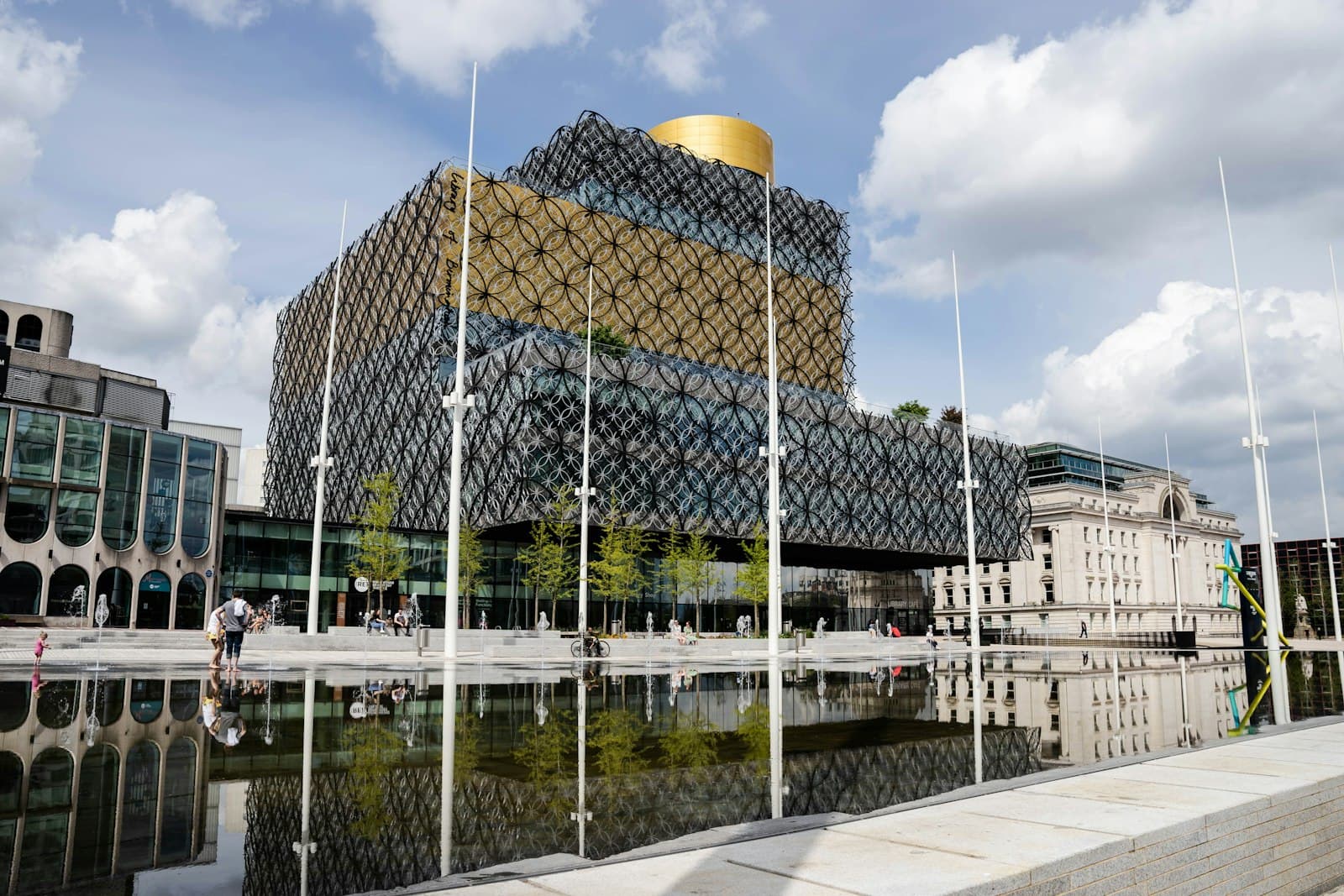
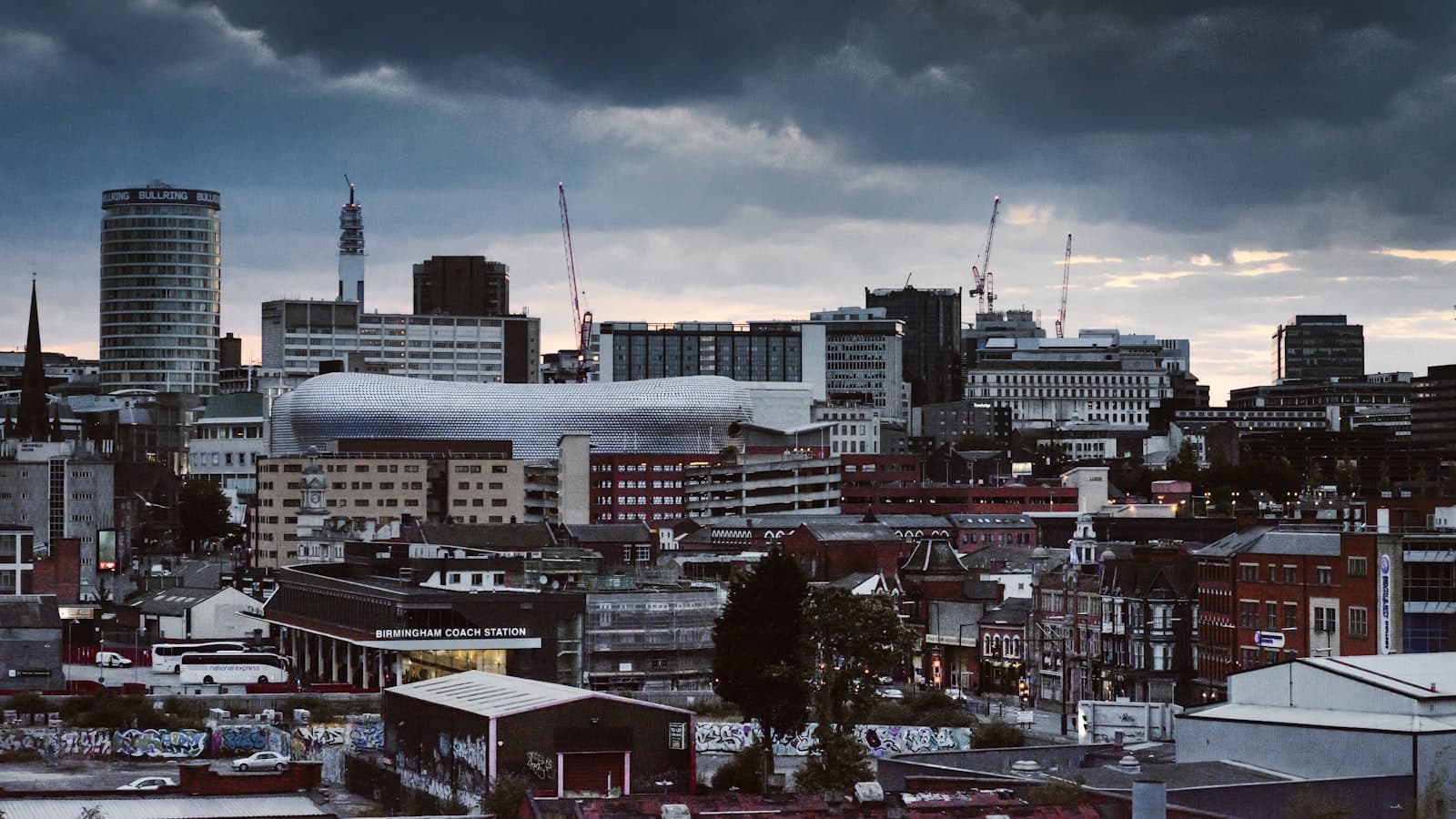
La città ha subito una profonda trasformazione, evolvendosi dalle sue origini di potenza industriale a un fulcro nazionale per il commercio, la vendita al dettaglio e gli eventi. Dichiarazioni architettoniche moderne come l'iconico edificio Selfridges e la Library of Birmingham si affiancano a strutture storiche, creando un paesaggio urbano che riflette la sua continua evoluzione. Birmingham è un luogo di invenzione, dove il passato informa uno spirito lungimirante, presentando una vasta gamma di esperienze, da musei di livello mondiale a vivaci paesaggi culinari.
Le origini di Birmingham risalgono a un piccolo insediamento anglosassone intorno al VI o VII secolo. La sua trasformazione iniziò nel 1166 quando Peter de Bermingham ottenne una carta per un mercato, stabilendo una città di mercato pianificata attorno a quella che oggi è la Bull Ring. Per secoli, ha servito come centro regionale per il commercio, specializzandosi in articoli in metallo e riconosciuta per le sue industrie della lana e del cuoio.
Il XVIII secolo segnò un periodo cruciale, con Birmingham che conobbe una significativa espansione e divenne un importante centro sia per la Rivoluzione Scientifica che per quella Industriale. Il suo accesso al minerale di ferro e al carbone alimentò una fiorente industria della lavorazione dei metalli, producendo di tutto, da fibbie e bottoni a pistole. Entro la fine del XVIII secolo, la popolazione era aumentata vertiginosamente e la città si guadagnò la reputazione di "officina del mondo" o "città dei mille mestieri".
Il XIX secolo vide la costruzione di un esteso sistema di canali, cruciale per il trasporto di merci e per consolidare ulteriormente la potenza industriale di Birmingham. Le ferrovie arrivarono alla fine degli anni '30 dell'Ottocento, collegando Birmingham a città importanti come Londra e Liverpool. La popolazione della città continuò a espandersi rapidamente, superando il mezzo milione nell'era vittoriana, e ottenne lo status di città dalla Regina Vittoria nel 1889.
Birmingham svolse un ruolo significativo in entrambe le Guerre Mondiali, con le sue industrie che contribuirono alla produzione bellica. La città subì pesanti bombardamenti durante la Seconda Guerra Mondiale, portando a un'ampia riqualificazione nei decenni del dopoguerra. Negli ultimi anni, Birmingham si è concentrata sulla rigenerazione, restaurando canali ed edifici storici e sviluppando nuove aree culturali e commerciali, consolidando il suo posto come moderna città europea.
Inizia la tua esplorazione in Victoria Square, il cuore architettonico e culturale della città, sede del neoclassico Town Hall e del Council House. Da qui, l'iconico edificio Selfridges, rivestito di bolle, presso il Bullring Shopping Centre presenta un netto contrasto, offrendo un'esperienza di shopping significativa. Assicurati di visitare il Birmingham Museum and Art Gallery, che ospita una rinomata collezione di dipinti preraffaelliti.
Per un'immersione storica unica, esplora il Birmingham Back to Backs, un sito del National Trust che preserva l'ultima corte superstite di case della classe operaia del XIX secolo. Passeggia lungo l'esteso sistema di canali della città, in particolare intorno a Gas Street Basin e Brindleyplace, dove le ex vie d'acqua industriali sono ora fiancheggiate da vivaci bar e ristoranti. Il Jewellery Quarter offre uno sguardo avvincente su un mestiere storico, con oltre 500 attività commerciali e musei che espongono il suo patrimonio. Infine, per un viaggio dolce, Cadbury World a Bournville offre un'esplorazione interattiva attraverso la storia del cioccolato.
Il periodo più piacevole per vivere Birmingham per attività all'aperto è da fine giugno a fine agosto, quando le temperature sono generalmente miti. Questi mesi estivi offrono ore di luce più lunghe e un calendario completo di festival ed eventi all'aperto. Tuttavia, questa è anche l'alta stagione turistica, quindi aspettati grandi affollamenti e prezzi potenzialmente più alti. Per un equilibrio tra clima gradevole e meno folla, considera una visita in tarda primavera (aprile-maggio) o all'inizio dell'autunno (settembre-ottobre). La città accoglie visitatori tutto l'anno, con attrazioni al coperto disponibili durante i mesi invernali più freddi e piovosi.
Birmingham è facilmente raggiungibile su strada e rotaia. Birmingham New Street è la principale stazione ferroviaria, che offre ampi collegamenti nazionali. Birmingham Airport (BHX) è un aeroporto internazionale situato a circa 13 km a est-sud-est del centro città, facilmente collegato tramite un Air-Rail Link gratuito alla stazione ferroviaria di Birmingham International, e poi in treno, autobus o taxi. Il centro città è compatto e invitante per passeggiare, ma un efficiente rete di trasporto pubblico di autobus e tram (West Midlands Metro) può portarti più lontano. Taxi e servizi di ride-sharing sono anche ampiamente disponibili. La valuta locale è la Sterlina Britannica (GBP).
Birmingham — coreano, cinese, ebraico e altre 29 lingue, ogni tappa narrata da una voce madrelingua. La più ampia scelta di lingue tra i tour audio autoguidati.
Disponibile in: