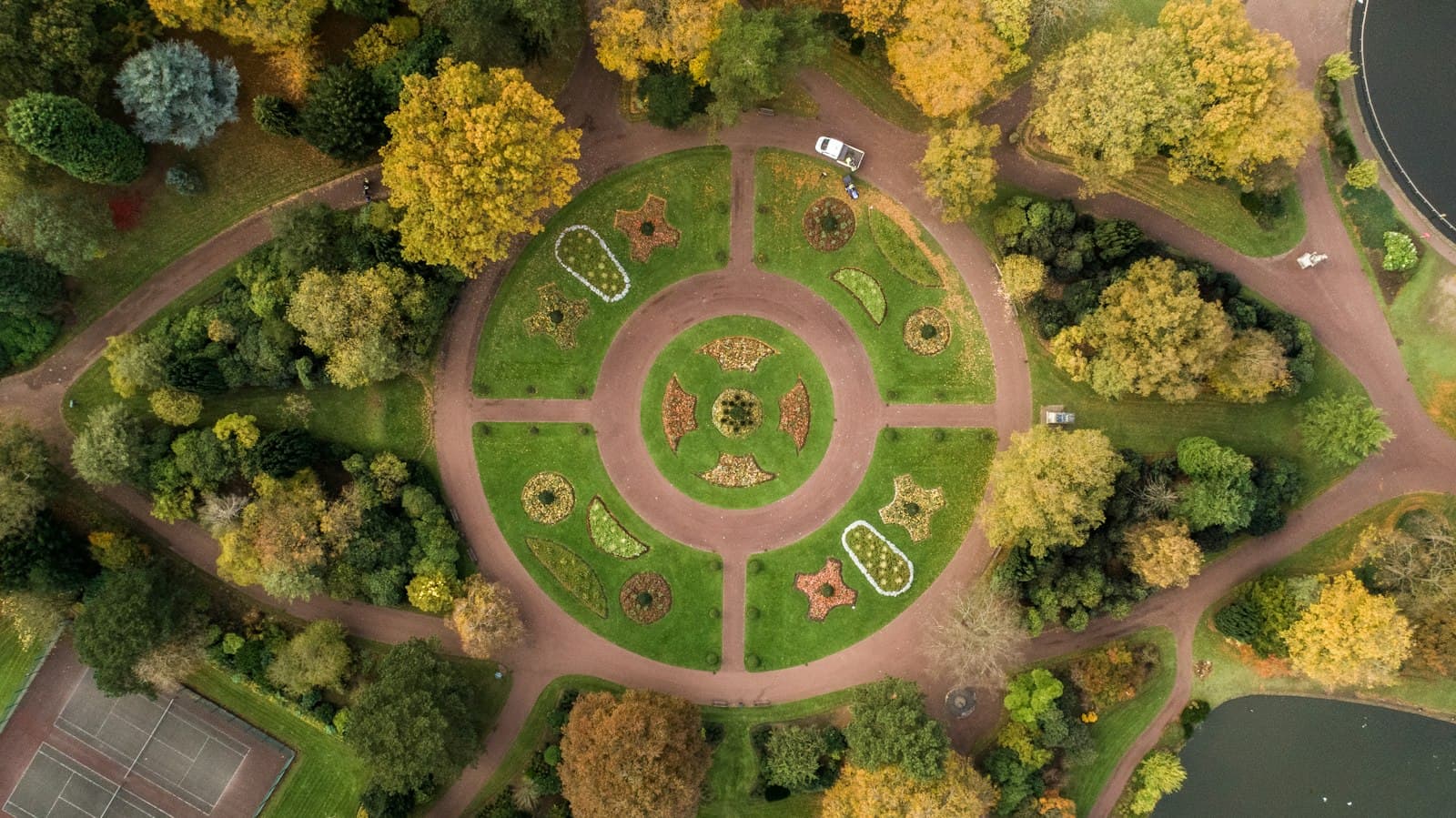
Princes Square
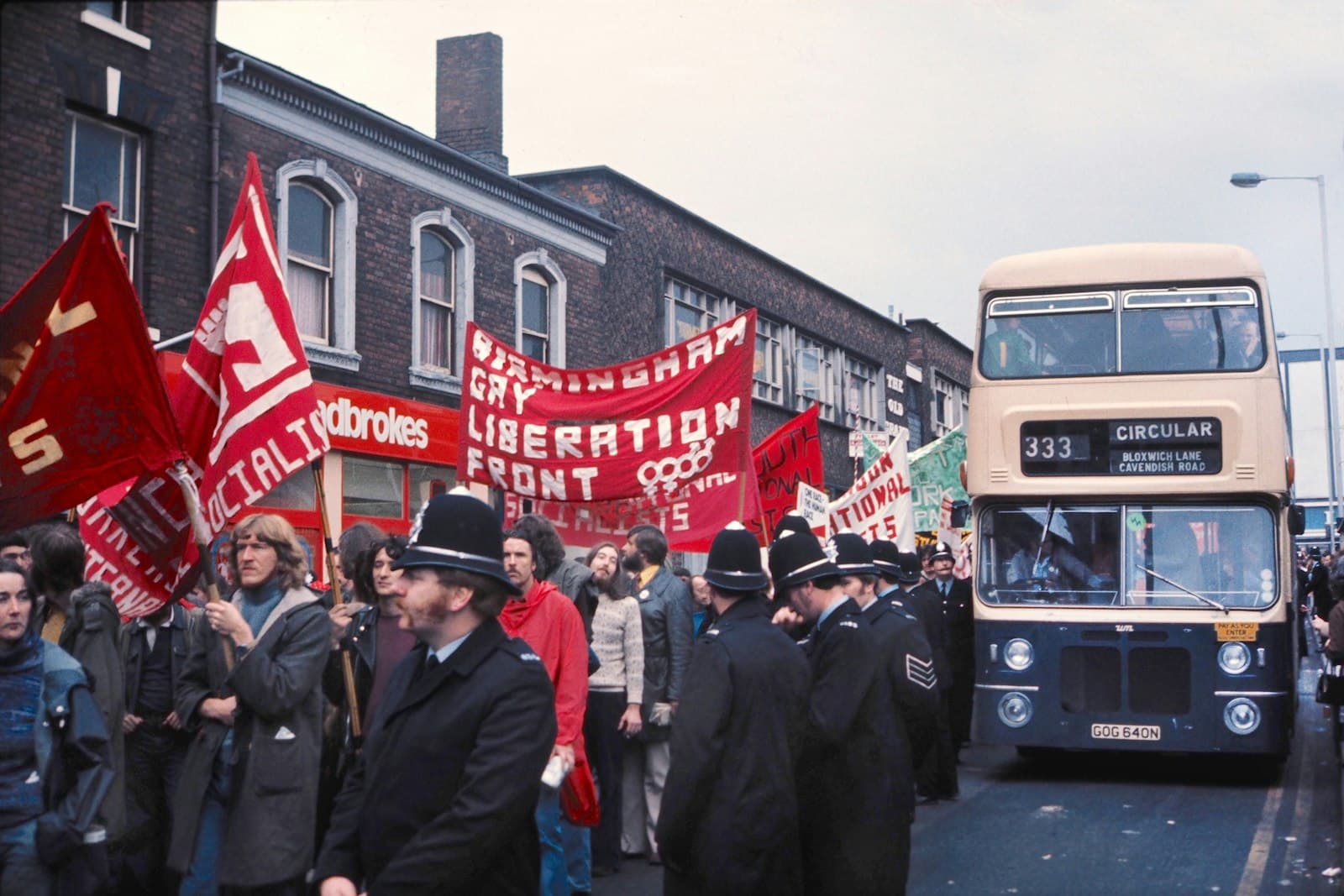
This city pioneered a traffic solution that predated many major urban centers.
Full story unlocks in the tour
 Photo: Raghav Modi / Unsplash
Self-guided audio walking tour of Wolverhampton — GPS route, offline playback, story-driven narration in 32 languages.
“Beyond the industrial facade, a city of surprising firsts and musical beginnings.”
Not the postcards. The stories even locals don't know — whispered in your ear, right where they happened.
This city pioneered a traffic solution that predated many major urban centers.
The city was the birthplace of an invention that ignited the Industrial Revolution.
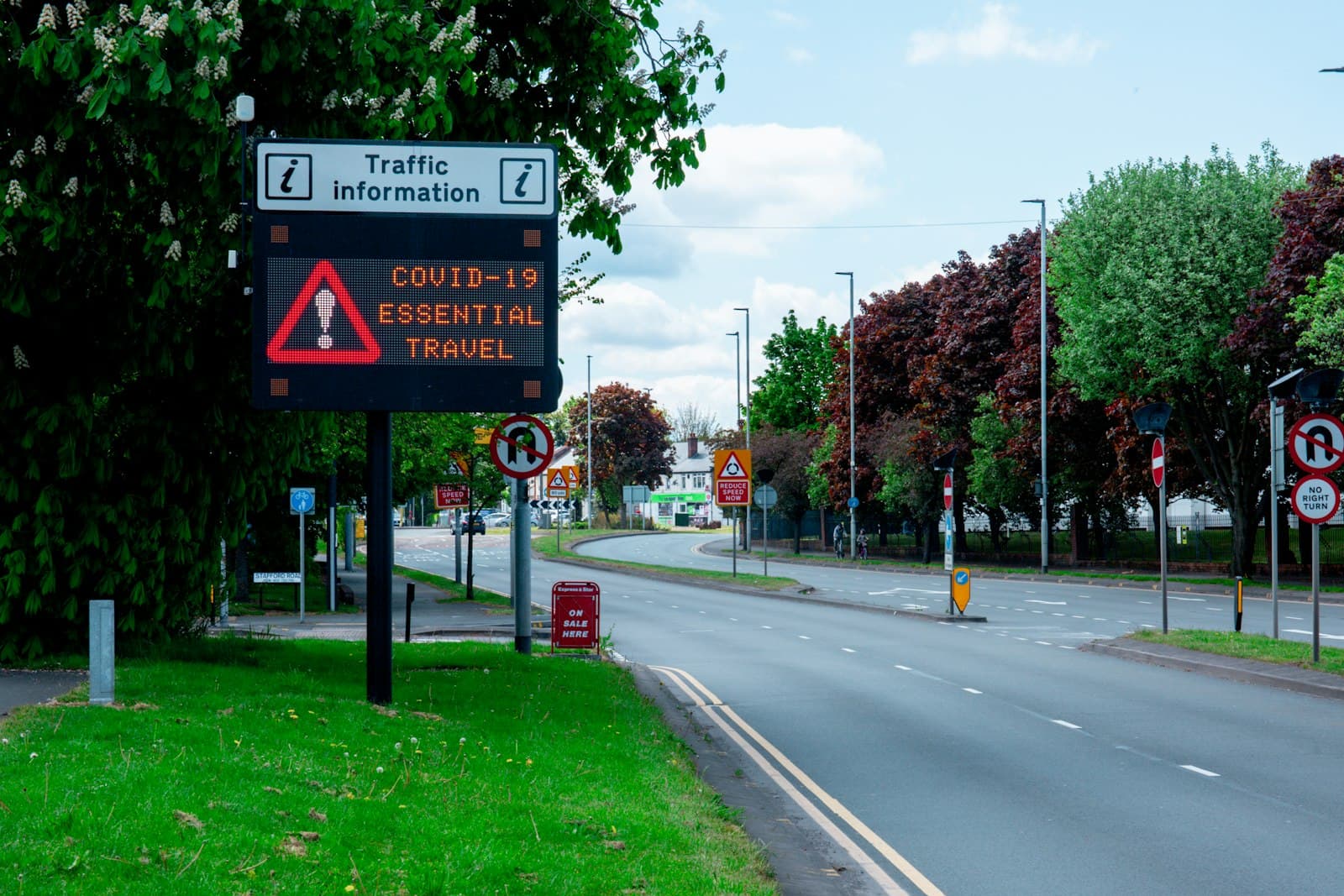
The security of your dwelling might owe a debt to a Wolverhampton invention.
Discover every secret of Wolverhampton
Every address, every reveal in full — in your ear, right where it happened.
You pick your stops. You walk. The voice reveals what the others miss.
Your self-guided audio tour of Wolverhampton is ready — pick your landmarks, choose your language, and start the moment you arrive.
BuyLume has a built-in augmented-reality guide. Hold your phone up and its camera shows the street ahead of you, with a glowing arrow laid over the real view that always points to your next stop — no map to puzzle over, no wrong turns. Like everything in Lume, it works fully offline.
Wolverhampton, a city in the West Midlands of England, presents a compelling fusion of industrial heritage and contemporary energy. Situated approximately 12 miles northwest of Birmingham, it forms a significant component of the West Midlands conurbation. Once a market town specializing in the wool trade, Wolverhampton transformed dramatically during the Industrial Revolution, evolving into a powerhouse for coal mining, steel production, lock making, and automotive manufacturing.
Today, Wolverhampton stands as a diverse and dynamic city, recognized for its cultural landscape, sporting venues, and a lively shopping district. From its Anglo-Saxon origins to its pivotal role in industrial innovation, the city possesses a rich narrative awaiting discovery. It is a place where historic landmarks stand alongside modern developments, offering a distinct experience for visitors.
The story of Wolverhampton commences in 985 AD when Lady Wulfruna, an Anglo-Saxon noblewoman, was granted land at Heantune. In 994 AD, she established a minster church, around which a settlement grew, eventually adopting her name and becoming Wolverhampton. By 1258, Wolverhampton received the right to host markets and fairs, solidifying its role as a small market town, with wool weaving being its primary industry during the Medieval and Tudor periods.
The town endured significant setbacks with severe fires in both 1590 and 1696, which consumed many structures. However, Wolverhampton consistently recovered, its strategic position on the main road from London to Holyhead in the 18th century contributing to its expansion as numerous stagecoaches traversed its routes. This era also saw the town gain recognition for crafting steel buckles, sword hilts, and steel jewelry, an industry that rapidly expanded. Lock making and japanning (enamel work) also emerged as important trades.
The late 18th century marked the advent of the Industrial Revolution, which profoundly reshaped Wolverhampton. The opening of its first canal in 1772 facilitated the movement of goods and raw materials, further invigorating industrial development. By 1750, Wolverhampton's population had grown to approximately 7,500 and continued to expand swiftly. The 19th century brought further advancements, with gas lighting introduced in 1821 and an electricity supply by 1895. The railway arrived in 1837, making transportation even more efficient. Wolverhampton was incorporated as a municipal borough in 1848 and became a county borough in 1889, acknowledging its increasing size and significance. The city achieved its official city status in 2000 as part of the millennium celebrations.
Wolverhampton's industrial prowess extended beyond its early steel and lock-making. From the late 19th century, bicycle manufacturing became a significant industry. The city was also a pioneer in automotive manufacturing, with local companies like Sunbeam producing motor cars. The skills honed in these trades contributed substantially to the city's role in the Industrial Revolution, with its canal routes connecting it to the rest of Britain, supporting mining and steel works. Despite the decline of heavy engineering and motor vehicle manufacturing after World War II, Wolverhampton's economy today remains rooted in engineering, including a substantial aerospace industry, alongside a growing service sector.
The city's history is also punctuated by social improvements. The first public library opened in 1869, followed by the first public park in 1881 and an art gallery in 1884. While Wolverhampton experienced cholera epidemics in 1832 and 1849, conditions improved with the development of sewers later in the century. The city's diverse, working-class origins, shaped by migrant workers during the Industrial Revolution, continue to be celebrated through its lively cultural scene.
Begin your exploration in Queen Square, the heart of Wolverhampton, adorned with Edwardian houses, timber-framed buildings, and the Prince Albert Statue. A short stroll through St. Peter's Gardens leads to the 15th-century St. Peter's Collegiate Church, a site with a history extending back over a thousand years to Lady Wulfruna's original foundation.
Art enthusiasts should visit the Wolverhampton Art Gallery, which holds an impressive collection spanning centuries, including Georgian portraiture, Victorian masterpieces, and a significant collection of Pop Art. For a glimpse into Victorian life and the Arts and Crafts movement, Wightwick Manor and Gardens, managed by the National Trust, offers a compelling experience. The interior is filled with pre-Raphaelite paintings and William Morris designs.
Sports fans can experience the electric atmosphere of a Wolverhampton Wanderers football match at Molineux Stadium, home to one of England's oldest football clubs, established in 1889. The attached Wolves Museum recounts the club's story. For a peaceful escape, West Park offers serene lakes, well-kept gardens, and a Victorian conservatory. Bantock House Museum and Park, an Edwardian manor house set in 48 acres of parkland, provides another fascinating look into the city's past. Do not overlook the Wolverhampton Grand Theatre, a historic venue that has welcomed notable performers for over 125 years.
The most agreeable time to visit Wolverhampton for pleasant weather and outdoor pursuits is from May through September, with late June to late August offering the warmest conditions. July is typically the warmest month, with average highs around 68°F (20°C). For fewer crowds and potentially better value, the quieter months of December through March can be a good option, though temperatures will be cooler. While Wolverhampton experiences consistent humidity and rainfall throughout the year, brief showers are possible in any season, so an umbrella is always a sensible companion.
Wolverhampton is well-connected by public transport. Wolverhampton Station serves as a main hub for train services, with frequent connections to major cities like Birmingham, London, and Manchester. The West Midlands Metro tram also offers direct service between Wolverhampton and Birmingham, as well as other towns like Bilston and Wednesbury. Within the city, walking is an excellent way to explore central sights, and a reliable local bus network provides affordable access to wider areas.
For those arriving by air, Birmingham Airport (BHX) is the nearest, located about 29 km from Wolverhampton, with easy train connections. While Wolverhampton has a reputation for being the most dangerous city in the West Midlands in terms of overall crime rate, it is not among the highest nationally, and like any urban area, certain neighborhoods have higher crime rates than others. The city center can experience issues with homelessness and drugs. Visitors are advised to stay centrally for easy access to attractions and exercise general awareness.
Wolverhampton in Korean, in Chinese or in Hebrew — and 29 more languages, every stop narrated by a native voice. The widest language range of any self-guided audio tour.
Available in: