Hogares Locales en Botiza
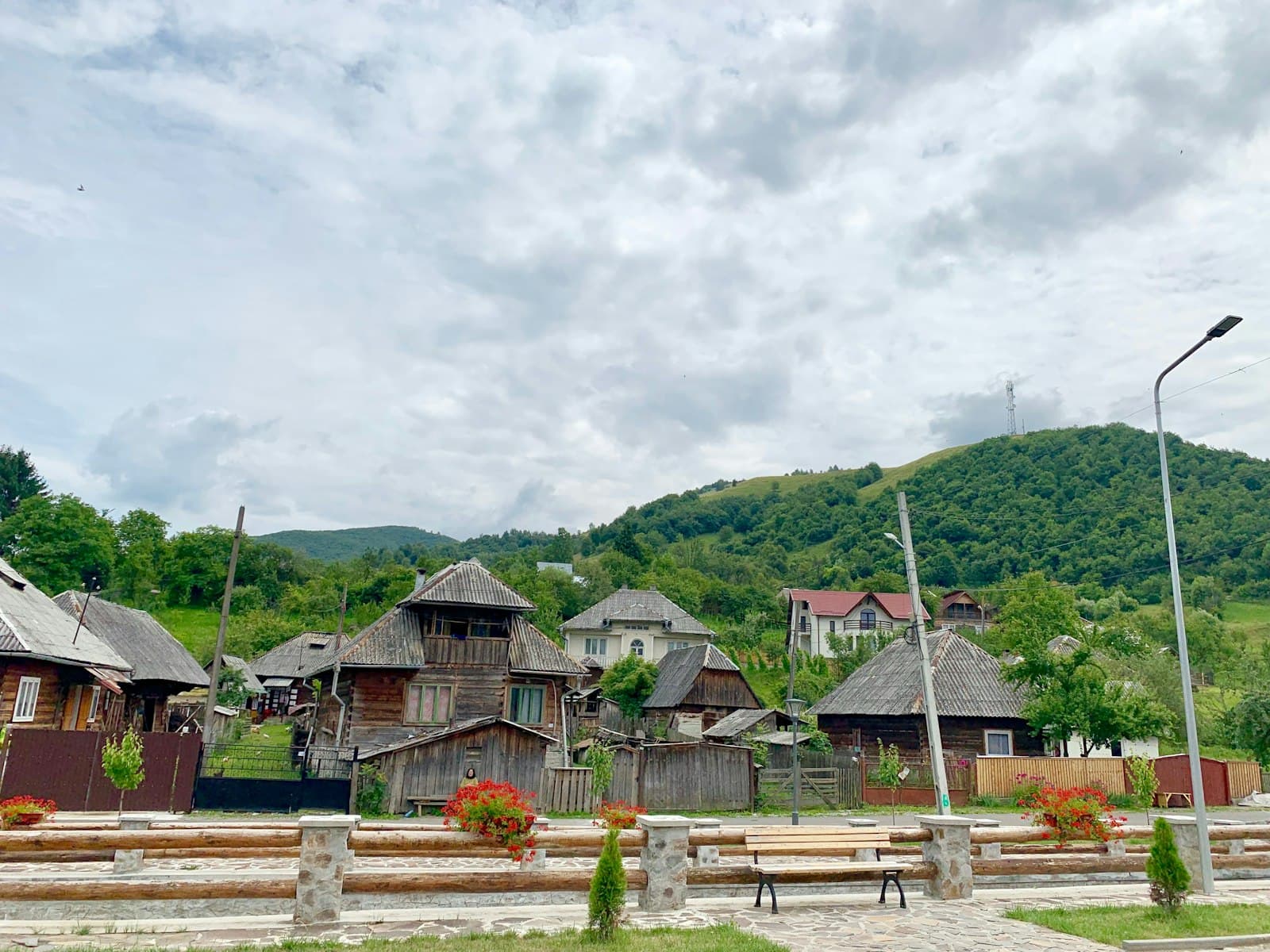
Muchas casas en Botiza guardan una tradición secreta, un oficio rítmico transmitido de generación en generación.
La historia completa se desbloquea en el tour
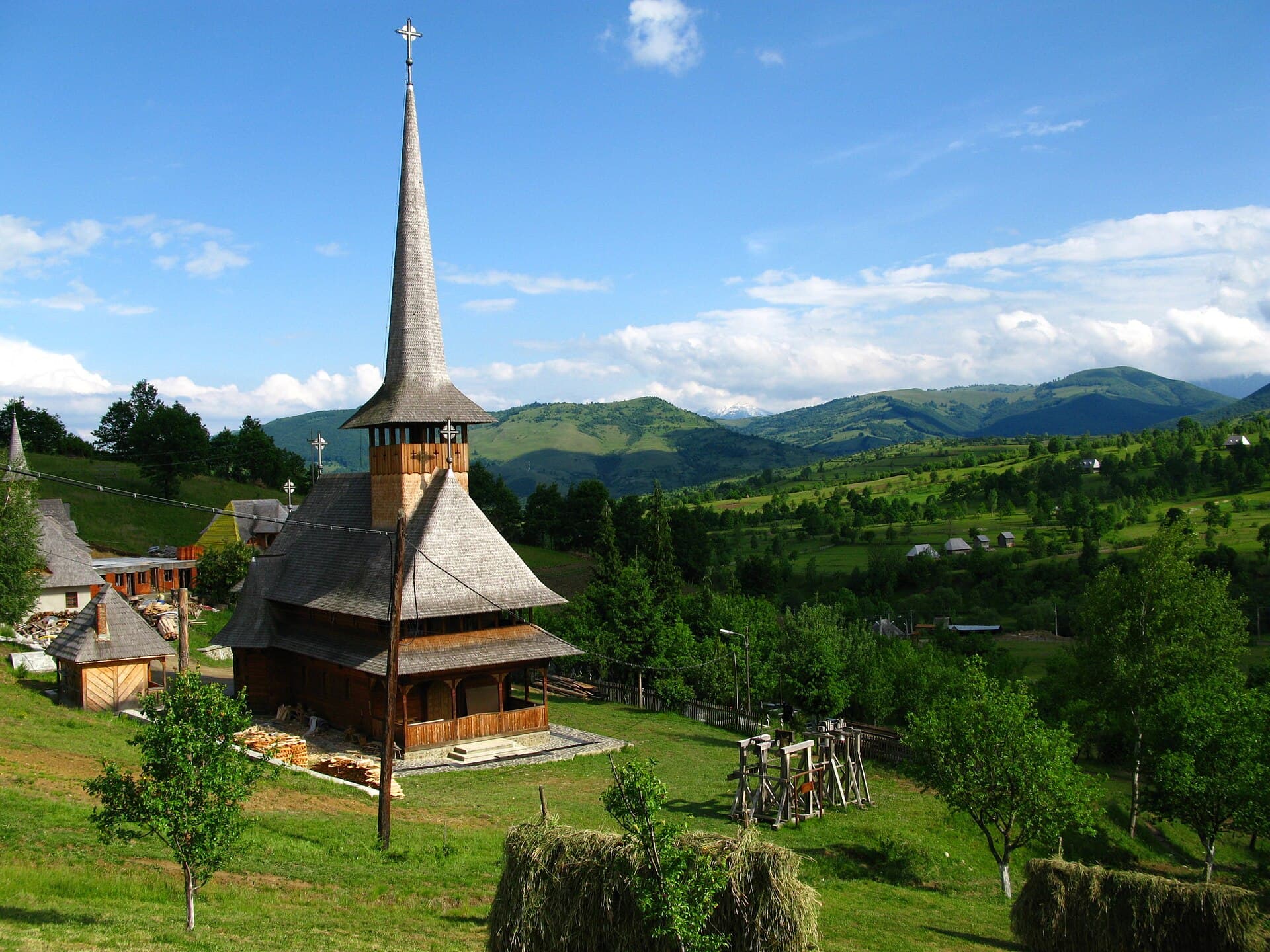 Joadl / CC BY-SA 3.0 at, via Wikimedia Commons
Tour de audio autoguiado de Botiza — ruta GPS a pie, reproducción offline, narración en 32 idiomas.
“Donde los bosques ancestrales se encuentran con hilos vibrantes, y el tiempo teje sus propias historias.”
No las postales. Las historias que ni los locales conocen — al oído, justo donde ocurrieron.
Muchas casas en Botiza guardan una tradición secreta, un oficio rítmico transmitido de generación en generación.
Esta iglesia de madera tiene un pasado sorprendente, habiendo viajado desde otro pueblo hasta su ubicación actual.
Más allá de la histórica iglesia de madera del pueblo, otro sitio espiritual ofrece un estilo arquitectónico distintivo.
Descubre todos los secretos de Botiza
Cada dirección, cada revelación al completo — a tu oído, justo donde ocurrió.
Eliges tus paradas. Caminas. La voz te revela lo que los demás ignoran.
Tu tour de audioguía por Botiza te espera — elige tus lugares, tu idioma y empieza al llegar.
ComprarLume incluye una guía de realidad aumentada. Levanta el móvil y su cámara muestra la calle que tienes delante, con una flecha luminosa sobre la imagen real que siempre apunta a tu próxima parada — sin mapas que descifrar, sin giros equivocados. Como todo en Lume, funciona completamente sin conexión.
Botiza es un pintoresco pueblo en la región rumana de Maramureș, un lugar donde la vida rural tradicional continúa en gran parte intacta por el ritmo acelerado del mundo moderno. Rodeado por los majestuosos picos de las montañas de Maramureș, el pueblo ofrece un escape sereno con paisajes exuberantes y un fuerte sentido de patrimonio cultural. Aquí, el tiempo parece ralentizarse, invitando a los visitantes a sumergirse en una auténtica experiencia rural rumana.
El pueblo se caracteriza por sus casas de madera tradicionales, jardines florecientes y lugareños amigables que se enorgullecen inmensamente de sus costumbres ancestrales. Botiza es particularmente reconocida por su artesanía, especialmente en el tejido y la cerámica, que refleja bellamente el espíritu artístico de la región. Interactuar con artesanos locales brinda una oportunidad única para apreciar habilidades transmitidas a través de generaciones, haciendo de cada visita una experiencia memorable.
## Inicios y la Identidad de Maramureș La primera mención documentada de Botiza data de 1373, bajo el nombre de Batizhaza. El pueblo está situado en la parte central del condado de Maramureș, en las estribaciones suroccidentales de las montañas de Maramureș, a una altitud de 483 metros. La región de Maramureș es conocida por preservar antiguas costumbres rurales y paisajes cautivadores, a menudo referida como una tierra donde el tiempo se ha ralentizado.
## La Artesanía Duradera de la Madera Maramureș es una región donde la artesanía de la madera se ha desarrollado significativamente y continúa cultivándose. Muchos edificios, e incluso pueblos enteros, están construidos predominantemente con madera. Los tejados, que desde la distancia podrían parecer de paja, están de hecho cubiertos con innumerables tejas de madera tallada. Una expresión notable de este orgullo por la artesanía se puede ver en los grandes y ricamente decorados portones de madera que custodian las entradas de las casas.
## Tradiciones Textiles y Significado Cultural Botiza ha sido celebrada durante mucho tiempo por sus alfombras de lana hechas a mano, coloreadas con tintes naturales derivados de fuentes como cáscaras de cebolla y varias plantas. Esta artesanía tradicional de alfombras de pared, prevalente en Rumanía y Moldavia, fue reconocida por la UNESCO en 2016, destacando su importancia como 'expresión de creatividad, identidad y herramienta para la cohesión social'. Históricamente, estos textiles intrincadamente tejidos servían para varios propósitos, desde tapices decorativos y telas ceremoniales hasta mantas y artículos esenciales en el ajuar de una novia.
## Patrimonio Religioso y Maravillas Arquitectónicas El pueblo alberga la iglesia de madera de Santa Parascheva, un monumento histórico construido en 1796. Curiosamente, esta iglesia fue construida originalmente en Vișeul de Jos y luego trasladada a Botiza en 1899. La presencia de iglesias tan bien mantenidas y activamente utilizadas subraya la profunda importancia del cristianismo ortodoxo en la zona. Además, el Monasterio de Botiza, construido en 1991, muestra un ejemplo más moderno, pero igualmente llamativo, de arquitectura eclesiástica de madera con sus distintivas torres y arcadas.
Comience su exploración con la Iglesia de Santa Parascheva, una histórica iglesia de madera de 1796, notable por su intrincada arquitectura de madera y su viaje desde otro pueblo. Cerca, el Monasterio de Botiza ofrece un ejemplo más contemporáneo, pero igualmente impresionante, de construcción de madera de Maramureș, con sus distintivas torres 'élficas'.
Pasee por el pueblo para admirar las tradicionales casas y graneros de madera, prestando especial atención a los elaboradamente tallados portones de Maramureș que adornan muchas casas, cada uno un testimonio del arte y simbolismo local. Busque a una tejedora local, como Victoria Berbecaru en Casa Berbecaru, para presenciar el oficio tradicional de la fabricación de alfombras utilizando lana hilada a mano y tintes naturales. Casa Berbecaru también funciona como un pequeño museo, ofreciendo una visión de un hogar tradicional típico de Botiza.
Más allá del pueblo, las circundantes montañas de Maramureș ofrecen oportunidades para practicar senderismo y paseos por la naturaleza, con senderos que conducen a miradores inspiradores. Para una comprensión más amplia de las tradiciones regionales, considere una visita al Museo del Pueblo de Maramureș en Sighetu Marmației, un museo al aire libre que exhibe auténticas casas de madera y granjas de todo el condado.
Botiza experimenta un clima templado con estaciones distintas. La primavera (marzo a mayo) es ideal por sus flores en flor y su campo verde, perfecto para el senderismo. El verano (junio a agosto) ofrece temperaturas cálidas y largas horas de luz, adecuado para actividades al aire libre como el ciclismo y los paseos por la naturaleza. Los meses intermedios de mayo, junio y septiembre generalmente ofrecen el mejor equilibrio de temperaturas cálidas pero no excesivamente calurosas. El invierno (diciembre a febrero) transforma el pueblo en un paraíso nevado, atractivo para aquellos interesados en deportes de invierno en los centros turísticos cercanos y en experimentar las costumbres locales festivas.
Botiza es un pueblo, y el transporte público dentro de Maramureș puede ser poco frecuente, lo que hace que un coche sea la forma más conveniente de explorar la región y sus áreas más remotas. Si vuela a Rumanía, considere aterrizar en los aeropuertos de Cluj-Napoca, Satu Mare o Baia Mare, luego alquile un coche o contrate un tour privado. El alojamiento consiste principalmente en acogedoras casas de huéspedes y estancias en granjas, muchas de las cuales ofrecen una cálida hospitalidad y comidas tradicionales. Aunque no hay una fuerte cultura de salir a cenar en las zonas rurales, las casas de huéspedes a menudo ofrecen deliciosas cenas de origen local para sus huéspedes. Hay una tienda en el pueblo para suministros básicos.
Botiza en coreano, en chino o en hebreo — y 29 idiomas más, cada parada narrada por una voz nativa. La mayor variedad de idiomas de cualquier audioguía autoguiada.
Disponible en: