La Forteresse du Géant (Cetatea de Refugiu)
Des histoires locales parlent d'anciens habitants colossaux et d'un passage sous cette ancienne ruine perchée.
L'histoire complète se débloque dans le tour
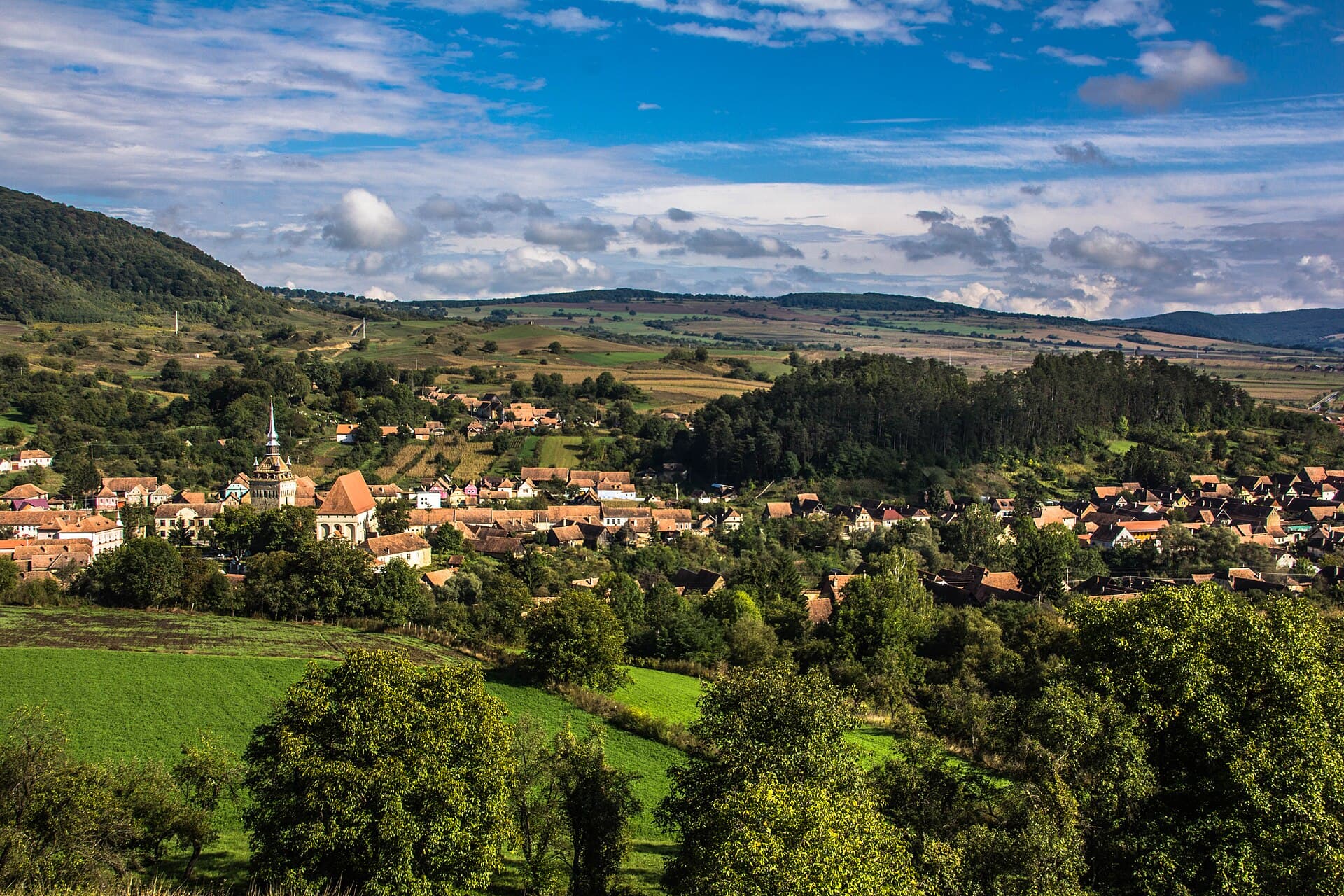 Mihai Raducanu / CC BY-SA 4.0, via Wikimedia Commons
Visite audio autoguidée de Saschiz — parcours GPS à pied, lecture hors ligne, narration en 32 langues.
“Là où les échos de l'ancien saxon rencontrent le pouls régulier de la vie transylvanienne.”
Pas les cartes postales. Les histoires que même les habitants ignorent — soufflées à l'oreille, là où elles se sont passées.
Des histoires locales parlent d'anciens habitants colossaux et d'un passage sous cette ancienne ruine perchée.
La poterie distinctive bleu cobalt de Saschiz a un passé captivant, mais énigmatique.
Parmi les pierres tombales patinées, certaines portent des inscriptions laissant deviner une histoire bien plus ancienne que prévu.
Découvrez tous les secrets de Saschiz
Chaque adresse, chaque révélation en entier — dans ton oreille, là où elle s'est passée.
Tu choisis tes lieux. Tu marches. La voix te révèle ce que les autres ignorent.
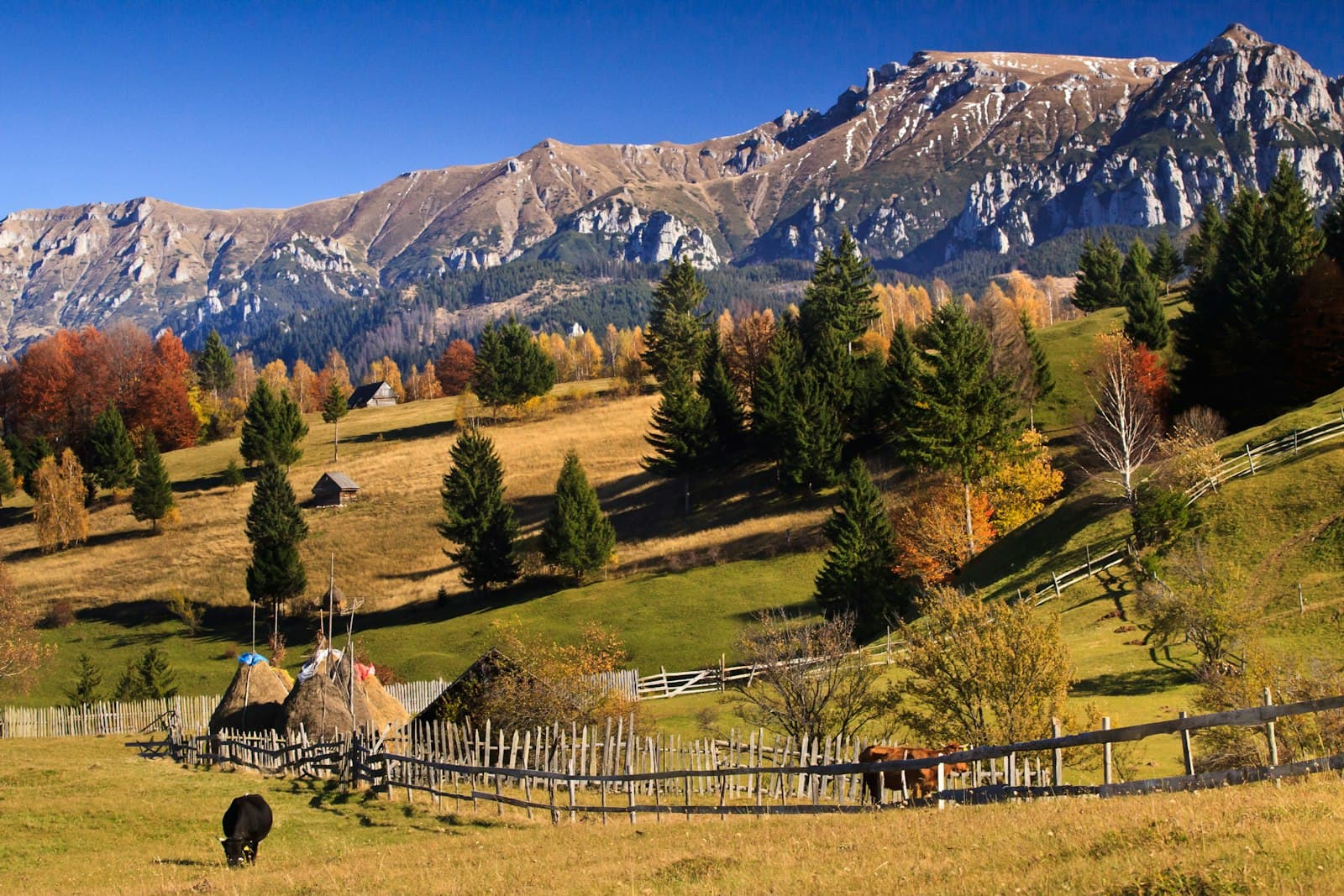
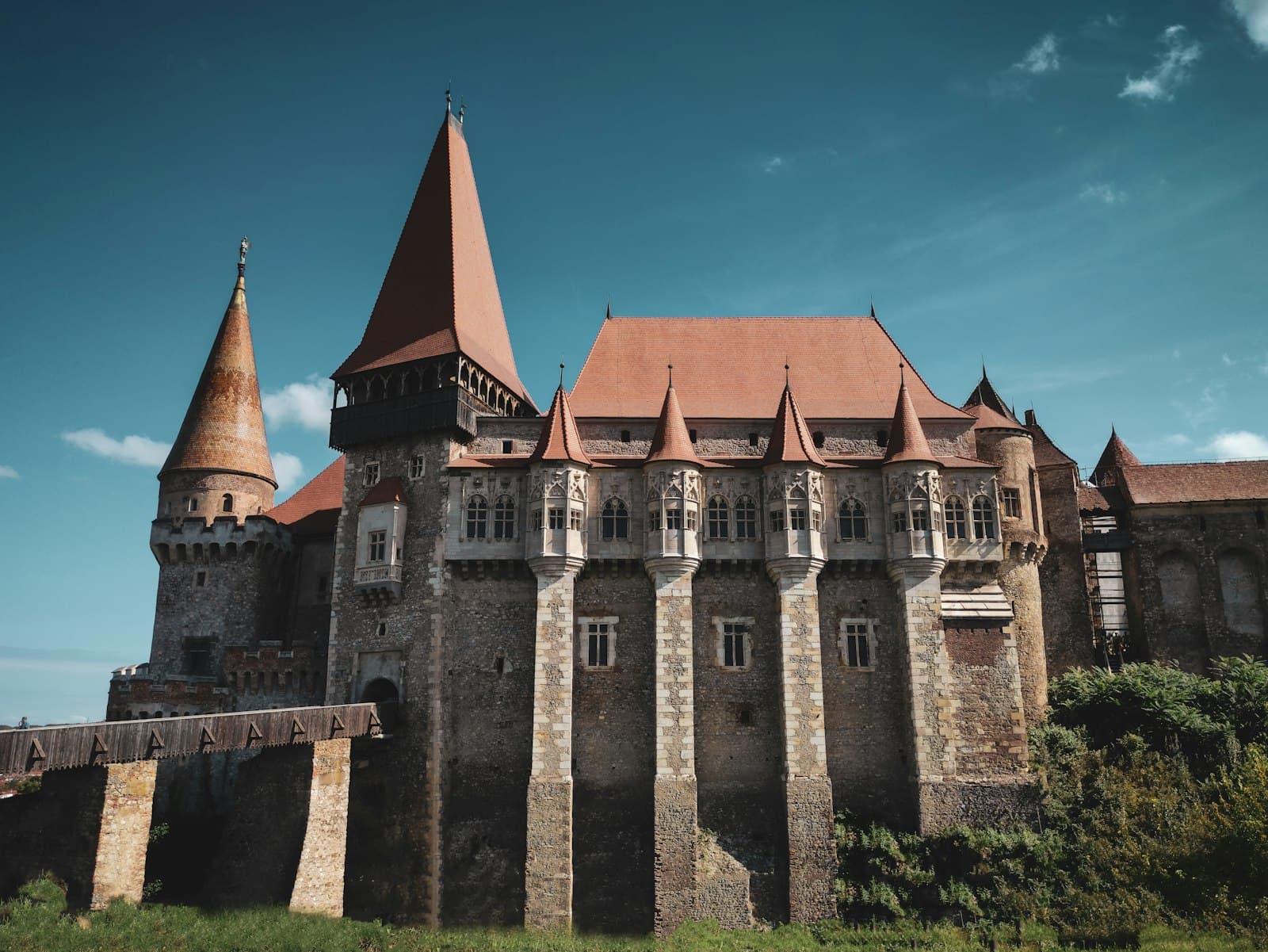
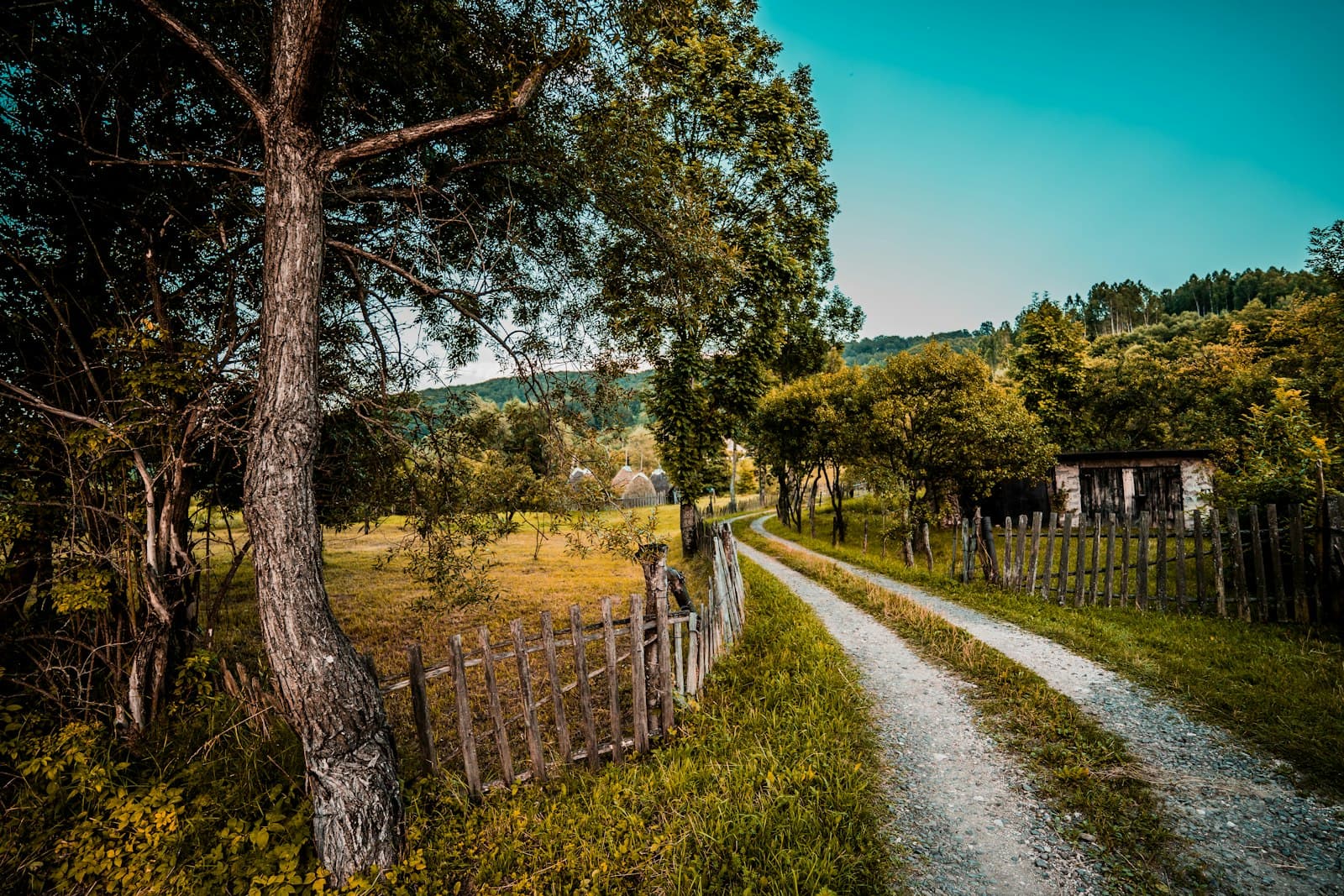
Votre visite audioguidée de Saschiz vous attend — choisissez vos lieux, votre langue, et lancez-vous dès votre arrivée.
AcheterLume intègre un guide en réalité augmentée. Levez votre téléphone : sa caméra montre la rue devant vous, avec une flèche lumineuse posée sur l'image réelle qui pointe toujours vers votre prochain arrêt — aucune carte à déchiffrer, aucun mauvais virage. Comme tout dans Lume, ça fonctionne entièrement hors-ligne.
Saschiz, un village classé au patrimoine mondial de l'UNESCO au cœur de la Transylvanie, en Roumanie, offre un voyage dans le temps. Cette charmante localité, documentée pour la première fois au XIVe siècle, est connue pour son impressionnante église fortifiée et les ruines d'une forteresse médiévale perchée. Traversée par la route nationale reliant Brașov à Sighișoara, Saschiz est l'un des villages UNESCO les plus accessibles de Transylvanie, tout en conservant un caractère médiéval incomparable, comme si le temps avait ralenti son rythme ici.
Au-delà de ses merveilles architecturales, Saschiz témoigne de l'héritage durable des Saxons de Transylvanie, une population germanophone qui s'est installée dans la région il y a des siècles et a façonné sa culture et son architecture. Bien que les habitants soient aujourd'hui majoritairement roumains, le village dégage toujours un caractère saxon distinctif, évident dans ses bâtiments traditionnels et ses traditions préservées. Saschiz invite les visiteurs à explorer son histoire riche et complexe, à découvrir l'artisanat local et à s'immerger dans l'atmosphère tranquille et authentique d'un village transylvanien.
## Premiers Établissements et Influence Saxonne L'histoire de Saschiz remonte plus loin que sa documentation médiévale, des découvertes archéologiques suggérant une présence humaine dès le Néolithique, entre 2500 et 1800 av. J.-C. Des preuves d'une présence romaine datant du IIe ou IIIe siècle existent également. Le village, alors connu sous le nom de Kezdi, était initialement peuplé de Szeklers, un groupe ethnique de langue hongroise, jusqu'à la fin du XIIIe siècle. Cependant, la période la plus documentée et la plus influente a commencé au XIVe siècle avec l'arrivée des Saxons de Transylvanie. Invités par le roi de Hongrie à s'installer et à défendre la région, ces colons allemands ont établi Saschiz comme une ville fortifiée, jouant un rôle crucial dans son développement économique.
## Fortifications Médiévales et Corporations Le XIVe siècle a vu la construction de la Forteresse Paysanne (Cetatea de Refugiu ou Cetatea Țărănească) sur une colline surplombant le village. Ce bastion, qui a continué à être agrandi jusqu'au XVIIe siècle, a servi de refuge vital pour la communauté locale lors des invasions, notamment ottomanes. Dans le village même, l'impressionnante Église Fortifiée de Saschiz, dédiée à Saint-Étienne, a été construite entre 1493 et 1525 dans un style gothique tardif, sur les fondations d'anciennes églises romanes et gothiques cisterciennes. Cette église, site du patrimoine mondial de l'UNESCO depuis 1999, a été conçue avec des éléments défensifs, dont 22 contreforts, un chemin de ronde et un étage supplémentaire avec des meurtrières. En 1419, Saschiz était un centre florissant de commerce et d'artisanat, connu pour ses nombreuses corporations de cordonniers, charpentiers, potiers et peintres.
## Déclin, Renouveau et Saschiz Moderne Au fil des siècles, Saschiz a connu des périodes de prospérité et de difficultés. Un incendie important en 1714 a endommagé de nombreux bâtiments, y compris les cloches de l'église. Bien que le village soit devenu connu pour ses céramiques bleu métallique au XVIIIe siècle, la population saxonne a progressivement diminué, en particulier après la Seconde Guerre mondiale et la chute du communisme, beaucoup émigrant en Allemagne. Aujourd'hui, les habitants sont majoritairement roumains, mais des efforts sont en cours pour préserver et faire revivre l'héritage saxon. La Fondation ADEPT, en collaboration avec la Municipalité de Saschiz, a créé un atelier de poterie pour réintroduire les céramiques bleues traditionnelles. Saschiz continue d'être une communauté active, accueillant des événements culturels comme le Festival annuel de la Rhubarbe, promouvant la gastronomie locale et attirant les visiteurs intéressés par son mélange unique d'histoire, de culture et de beauté naturelle.
Le monument le plus emblématique de Saschiz est l'Église Fortifiée de Saschiz, un site classé au patrimoine mondial de l'UNESCO. Cette église gothique de la fin du XVe siècle, dédiée à Saint-Étienne, présente un imposant clocher rappelant celui de Sighișoara. Vous pouvez explorer son architecture défensive robuste, y compris les contreforts et le chemin de ronde.
Sur une colline voisine, la Forteresse du Géant (Cetatea de Refugiu) offre de vastes vues sur le village et la campagne environnante. Ces ruines du XIIIe siècle, également connues sous le nom de Forteresse Paysanne, donnent un aperçu du passé défensif du village.
Promenez-vous dans le village pour admirer les maisons saxonnes traditionnelles, beaucoup avec leurs couleurs pastel distinctives et leurs toits cramoisis, reflétant l'héritage architectural des Saxons de Transylvanie. Visitez l'Atelier de Poterie de Saschiz pour assister à la renaissance des céramiques bleues métalliques traditionnelles et peut-être même vous essayer à l'artisanat.
L'Ancien Cimetière est un autre site intrigant, avec des pierres tombales anciennes qui racontent des histoires de générations passées. Pour un aperçu de la vie locale, explorez le Centre d'Information Touristique, où vous pouvez trouver des produits locaux, de l'artisanat et des informations sur les visites guidées. Vous pourriez également découvrir des artisans locaux pratiquant des métiers traditionnels comme la menuiserie et la peinture sur bois.
La meilleure période pour visiter Saschiz pour les activités par temps chaud et l'exploration du village s'étend de fin juin à fin août, lorsque les températures sont douces et le ciel est le plus clair. Cependant, les mois intermédiaires de mai, juin et septembre offrent des températures agréables, moins de foule et souvent de meilleurs prix pour l'hébergement et les vols. L'automne, de septembre à octobre, apporte des températures douces et un feuillage coloré, ce qui le rend idéal pour les activités de plein air comme la randonnée. Bien que les hivers soient froids et enneigés, une visite pendant cette saison peut offrir une atmosphère magique, surtout autour des fêtes, et une chance d'explorer les châteaux et les églises dans un cadre unique.
Saschiz est idéalement situé sur la route E60, à environ 20 km de Sighișoara et 100 km de Brașov, ce qui le rend facilement accessible en voiture. Le village dispose d'un Centre d'Information Touristique, géré par la Fondation ADEPT, situé Str. Principala nr. 166, qui peut vous aider avec des informations locales, l'hébergement, les options de restauration et les visites guidées. Il est généralement ouvert du jeudi au lundi, de 9h à 17h, avec des horaires variables pour l'Église Fortifiée elle-même. Le droit d'entrée pour l'Église Fortifiée est d'environ 10 RON pour les adultes et 3 RON pour les enfants.
Les options d'hébergement à Saschiz comprennent plusieurs maisons d'hôtes et des maisons saxonnes traditionnelles, dont certaines ont été magnifiquement rénovées. Des produits locaux, notamment des confitures, du miel et de l'artisanat, peuvent être achetés au Centre d'Information Touristique ou dans des magasins locaux comme Pivnita Bunicii. Saschiz est également une destination populaire pour le cyclisme, le trekking et l'observation de la faune, avec des idées d'itinéraires souvent disponibles localement.
Saschiz en coréen, en chinois ou en hébreu — et dans 29 autres langues, chaque étape narrée par une voix native. La plus large gamme de langues de tous les audioguides autoguidés.
Disponible en :