Tour du Châtelard
Cette tour du XIIe siècle, sentinelle silencieuse de la vallée, recèle un secret sur la défense médiévale qui va au-delà de ses murs de pierre.
L'histoire complète se débloque dans le tour
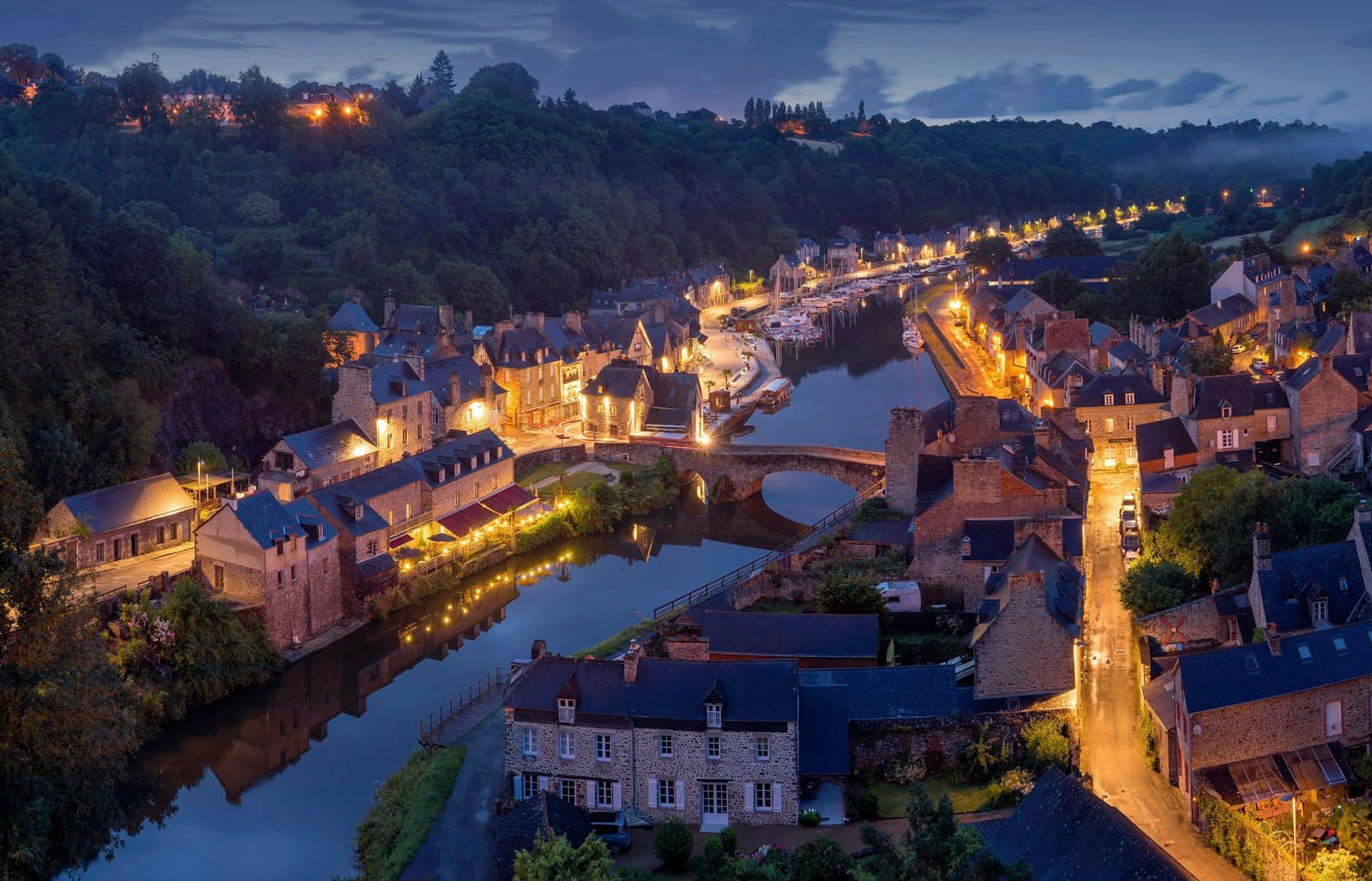
 Marek Ślusarczyk (Tupungato) Photo gallery / CC BY 3.0, via Wikimedia Commons
Visite audio autoguidée de Bourg-Saint-Maurice — parcours GPS à pied, lecture hors ligne, narration en 32 langues.
“Là où les sentiers alpins ancestraux rencontrent l'aventure moderne.”
Pas les cartes postales. Les histoires que même les habitants ignorent — soufflées à l'oreille, là où elles se sont passées.
Cette tour du XIIe siècle, sentinelle silencieuse de la vallée, recèle un secret sur la défense médiévale qui va au-delà de ses murs de pierre.
Les stations de ski modernes et spécialement conçues des Arcs, accessibles depuis Bourg-Saint-Maurice, ont été imaginées avec une vision qui rompait avec le développement alpin traditionnel.
L'Isère, un haut lieu des sports d'eau vive, a une histoire remarquable de résilience et de récupération après un événement dévastateur.
Découvrez tous les secrets de Bourg-Saint-Maurice
Chaque adresse, chaque révélation en entier — dans ton oreille, là où elle s'est passée.
Tu choisis tes lieux. Tu marches. La voix te révèle ce que les autres ignorent.


Votre visite audioguidée de Bourg-Saint-Maurice vous attend — choisissez vos lieux, votre langue, et lancez-vous dès votre arrivée.
AcheterLume intègre un guide en réalité augmentée. Levez votre téléphone : sa caméra montre la rue devant vous, avec une flèche lumineuse posée sur l'image réelle qui pointe toujours vers votre prochain arrêt — aucune carte à déchiffrer, aucun mauvais virage. Comme tout dans Lume, ça fonctionne entièrement hors-ligne.
Bourg-Saint-Maurice, cœur administratif de la vallée de la Haute-Tarentaise dans les Alpes françaises, offre un mélange captivant de profondeur historique et de sensations fortes en plein air. Située au confluent des massifs de la Vanoise, du Beaufortain et du Mont Blanc, elle constitue un pôle de transport et de tourisme vital, offrant un accès direct aux célèbres stations de ski des Arcs au sein du vaste domaine Paradiski. Cette ville alpine, dont l'altitude varie de 744 mètres à 3 816 mètres à l'Aiguille des Glaciers, s'ouvre sur des paysages diversifiés, des sommets enneigés aux vallées fluviales verdoyantes.
Au-delà de sa réputation de destination de sports d'hiver, Bourg-Saint-Maurice est une destination ouverte toute l'année. En été, les montagnes environnantes se transforment en un terrain de jeu pour les randonneurs, les vététistes et les parapentistes, tandis que l'Isère devient un point central pour le rafting et le kayak en eau vive. La ville elle-même, avec ses rues accueillantes et son architecture savoyarde traditionnelle, constitue une base idéale pour explorer la beauté naturelle et l'héritage culturel durable de la région.
L'histoire de Bourg-Saint-Maurice remonte à la période gallo-romaine, où elle était connue sous le nom de Bergintrum. Cette localité était une étape cruciale sur la voie romaine reliant Lyon à Turin et Milan, soulignant son importance stratégique en tant que passage à travers les Alpes. Des preuves de peuplements néolithiques et de l'âge du bronze dans la région suggèrent en outre sa longue présence humaine, enracinée dans le pastoralisme alpin et le commerce.
Au Moyen Âge, la ville a continué d'être un lieu important, marqué par l'essor de la Maison de Savoie et la construction de châteaux fortifiés pour contrôler les routes et les cols de montagne. La Tour du Châtelard du XIIe siècle et la Tour de Rochefort, construite entre les XIIe et XIIIe siècles, témoignent de ce passé défensif. La ville a été officiellement reconnue comme faisant partie de la France en 1860, suite à l'annexion de la Savoie.
La vie à Bourg-Saint-Maurice tournait largement autour de l'agriculture, de l'élevage et des traditions locales jusqu'aux années 1920 et 1930, lorsque les voyageurs ont commencé à arriver, attirés par les montagnes et le caractère de la ville. Le milieu du XXe siècle a vu une transformation significative d'une économie agricole en une puissance touristique. Ce changement a été largement stimulé par le développement des stations de ski des Arcs, à partir des années 1960 avec l'ouverture d'Arc 1600 en 1968. La construction de grands projets hydroélectriques, tels que le barrage de Roselend entre 1955 et 1962, a également joué un rôle dans l'exploitation des ressources naturelles de la région. Aujourd'hui, Bourg-Saint-Maurice reste une capitale économique active de la Haute-Tarentaise, servant de porte d'entrée vers de nombreuses stations de ski et de plaque tournante pour les activités hivernales et estivales.
Bourg-Saint-Maurice offre un large éventail de sites et d'activités. Pour des vues imprenables sur les Alpes françaises, italiennes et suisses, prenez le téléphérique jusqu'à l'Aiguille Rouge à 3 226 mètres d'altitude. La ville offre également un accès direct en funiculaire à Arc 1600 en seulement sept minutes, ouvrant ainsi le vaste domaine skiable de Paradiski.
Les passionnés d'histoire peuvent explorer la Tour du Châtelard, une structure défensive du XIIe siècle, et la Tour de Rochefort, seule partie restante d'une résidence féodale. L'église Notre-Dame de la Gorge, datant du XIIIe siècle, offre un aperçu du patrimoine local. Pour goûter à la vie locale, visitez La Ferme de l'Adroit, une ferme alpine traditionnelle où vous pourrez déguster des fromages frais. La vallée de l'Isère est un endroit privilégié pour les sports nautiques comme le kayak et le rafting, ou simplement pour se promener le long de la rivière. De plus, le Musée des Minéraux et de la Faune des Alpes présente une collection de minéraux et de faune locaux.
Bourg-Saint-Maurice offre des expériences distinctes selon la saison. Pour les conditions météorologiques les plus agréables, juillet est généralement considéré comme le moment optimal pour visiter, avec des températures douces et un ensoleillement abondant. Les maximales diurnes en juillet sont en moyenne d'environ 18°C. Cette période est idéale pour la randonnée, le vélo et les sports d'eau vive. Les hivers sont très froids, janvier étant le mois le plus froid, avec des nuits glaciales autour de -12°C et des maximales diurnes de -4°C. La saison de ski s'étend généralement de novembre à avril.
Bourg-Saint-Maurice est bien desservie, ce qui la rend accessible aux voyageurs. Le moyen le plus simple de se rendre en ville est le train, avec des services TGV directs depuis Paris, et en hiver, des trains Eurostar depuis Londres et des trains Thalys depuis d'autres villes européennes. La gare est située au centre, éliminant le besoin de transport supplémentaire à l'arrivée. Pour ceux qui voyagent en avion, les aéroports les plus proches sont Genève (environ 2 heures en voiture) et Lyon (environ 4 heures en voiture), avec des liaisons en train ou en autocar disponibles.
Une fois à Bourg-Saint-Maurice, une navette gratuite circule dans la ville. Pour accéder au domaine skiable des Arcs, un funiculaire assure un trajet rapide de sept minutes jusqu'à Arc 1600, avec des navettes gratuites reliant les autres villages des Arcs. Des taxis et des bus sont également disponibles à la gare pour les transferts vers d'autres stations voisines comme Val d'Isère et Tignes. La ville propose une gamme d'hébergements, des hôtels aux appartements, ainsi que divers magasins, restaurants et commodités.
Bourg-Saint-Maurice en coréen, en chinois ou en hébreu — et dans 29 autres langues, chaque étape narrée par une voix native. La plus large gamme de langues de tous les audioguides autoguidés.
Disponible en :