Peynet Kiosk, Parc Jouvet
Dieser charmante Musikpavillon ist ein Symbol der Romantik, aber sein Ruhm beruht auf einer zufälligen Begegnung.
Die ganze Geschichte wird in der Tour freigeschaltet
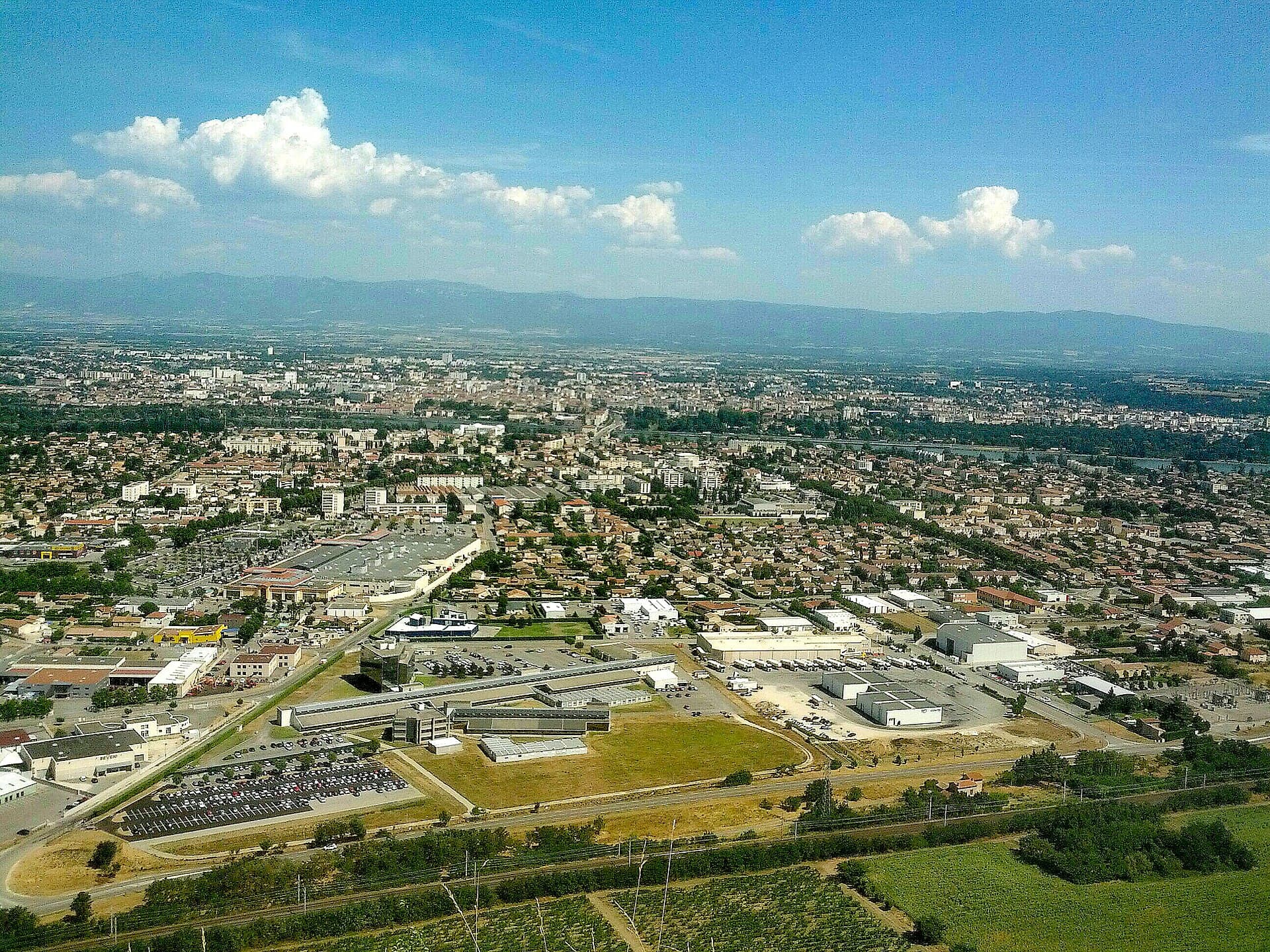 Valentinois26 / CC BY-SA 4.0, via Wikimedia Commons
Selbstgeführte Audio-Walking-Tour durch Valence — GPS-Route, Offline-Wiedergabe, erzählerische Narration in 32 Sprachen.
“Wo das Rhônetal Geheimnisse römischer Legionen und Michelin-Sterne flüstert.”
Nicht die Postkarten. Die Geschichten, die selbst Einheimische nicht kennen – dir ins Ohr geflüstert, genau dort, wo sie geschahen.
Dieser charmante Musikpavillon ist ein Symbol der Romantik, aber sein Ruhm beruht auf einer zufälligen Begegnung.
Das älteste Denkmal von Valence beherbergt eine überraschende Reliquie der Papstgeschichte.
Dieser lebhafte Platz, heute voller Cafés und Märkte, war einst die Bühne für ein dramatisches öffentliches Spektakel.
Entdecke jedes Geheimnis von Valence
Jede Adresse, jede Enthüllung vollständig – in deinem Ohr, genau dort, wo es geschah.
Du wählst deine Stationen. Du gehst. Die Stimme enthüllt, was andere übersehen.


Deine selbstgeführte Audio-Tour durch Valence ist bereit – wähle deine Sehenswürdigkeiten, deine Sprache und starte, sobald du ankommst.
KaufenLume enthält einen integrierten Augmented-Reality-Guide. Halten Sie Ihr Handy hoch: Die Kamera zeigt die Straße vor Ihnen, mit einem leuchtenden Pfeil über dem echten Bild, der immer auf Ihren nächsten Stopp zeigt — keine Karte zum Rätseln, keine falschen Abzweigungen. Wie alles bei Lume funktioniert es komplett offline.
Valence, oft als „Tor zum Süden“ Frankreichs bezeichnet, ist eine Stadt, in der das sanfte Tempo des provenzalischen Lebens am linken Ufer der Rhône beginnt. Diese reizvolle Stadt im Département Drôme bietet eine einzigartige Balance zwischen ihren antiken Wurzeln und einem zeitgenössischen Geist. Mit einem mediterran geprägten Klima bietet Valence eine einladende Atmosphäre, die sich durch elegante Boulevards, einladende Fußgängerplätze und eine gefeierte gastronomische Szene auszeichnet.
Valence zu betreten bedeutet, eine Mischung aus römischen Ursprüngen, mittelalterlichen Gassen, Renaissance-Fassaden und grünen Parks aus dem 19. Jahrhundert zu entdecken. Es ist eine Stadt, die seit langem ein Kreuzweg ist und historisch als wichtiger Halt an der römischen Via Agrippa und später an der Route de Compostela diente. Heute setzt Valence seine Rolle als bedeutendes Zentrum fort und verbindet über Hochgeschwindigkeitszüge und Autobahnen wichtige französische und europäische Städte, behält aber einen authentischen Charakter, der Besucher zum Verweilen und Erkunden einlädt.
Über ihre historische und architektonische Anziehungskraft hinaus ist Valence eine Stadt, die die Sinne erfreut, insbesondere durch ihre gefeierte Küche. Es ist ein Ort, an dem lokale Märkte mit frischen Produkten gefüllt sind und gefeierte Restaurants neben traditionellen Bistros liegen. Ob Sie kulturelle Immersion, Entspannung im Freien entlang der Rhône oder ein kulinarisches Abenteuer suchen, Valence bietet ein lohnendes Erlebnis ohne die Menschenmassen größerer Touristenziele.
Die Geschichte von Valence reicht bis ins 1. Jahrhundert v. Chr. zurück, als sie von den Römern unter dem Namen Valentia Julia gegründet wurde, was „Stärke“ oder „Kapazität“ bedeutet. Ihre strategische Lage am linken Ufer der Rhône, zwischen Lyon und dem Mittelmeer, machte sie schnell zu einem wichtigen Kreuzweg und einer blühenden römischen Kolonie in Gallia Narbonensis. Zeugnisse dieser prestigeträchtigen Vergangenheit sind noch heute in Fragmenten antiker Mauern, die in spätere Gebäude integriert sind, und im Layout des Altstadtzentrums zu sehen.
Nach dem Ende der römischen Herrschaft um 413 n. Chr. mit der Ankunft der Westgoten geriet Valence im Mittelalter in viele Umwälzungen. Sie wurde ein wichtiges Bistum, und die Kathedrale Saint-Apollinaire aus dem 11. Jahrhundert, ein bedeutendes Beispiel romanischer Kunst, wurde erbaut. Über Jahrhunderte hinweg wurde die Kontrolle über die Stadt von mächtigen Persönlichkeiten, darunter Bischöfe und Grafen, umkämpft.
Das späte 15. und frühe 16. Jahrhundert markierten ein goldenes Zeitalter für Valence. Die Universität von Valence wurde 1452 vom Dauphin Louis, dem späteren König Ludwig XI., gegründet und zog renommierte Professoren und Studenten an. In dieser Zeit entstanden auch bemerkenswerte Gebäude wie die Maison des Têtes und das Pendentif, die einen Übergang von gotischen zu Renaissance-Architekturstilen zeigten. Bis ins 15. Jahrhundert lag Valence buchstäblich an der Grenze zwischen dem Königreich Frankreich und dem Heiligen Römischen Reich, was seine historische Bedeutung als Tor unterstreicht.
Valence spielte weiterhin eine Rolle in wichtigen historischen Ereignissen. Napoleon Bonaparte war von 1785 bis 1786 als Leutnant im Artillerieregiment in Valence stationiert und besuchte die Stadt mehrmals. Die Stadt wurde auch zum Sterbeort von Papst Pius VI. im Jahr 1799, der vom französischen Direktorium gefangen gehalten wurde. Die Ankunft der Eisenbahn im Jahr 1854 förderte die industrielle Entwicklung von Valence weiter und stärkte seine Position als Handelszentrum im Rhonetal. Heute ist Valence als „Stadt der Kunst und Geschichte“ anerkannt, ein Zeugnis seines anhaltenden kulturellen Erbes.
Beginnen Sie Ihre Erkundung im historischen Zentrum von Valence, einer Fußgängerzone mit Kopfsteinpflasterstraßen und alten Häusern. Die Maison des Têtes (Haus der Köpfe), ein prächtiges Renaissance-Gebäude aus dem frühen 16. Jahrhundert, ist ein beeindruckender Anblick. Ihre Fassade ist mit Skulpturen von menschlichen und tierischen Köpfen geschmückt, die Elemente wie die Jahreszeiten, Winde und mythologische Figuren darstellen. In der Nähe befindet sich das Pendentif, ein einzigartiges Renaissance-Grabmal aus dem 16. Jahrhundert, das für seine elegante Architektur und seine flachbogige Gewölbedecke bemerkenswert ist.
Die Cathédrale Saint-Apollinaire, die 1095 geweiht wurde, ist das älteste Denkmal der Stadt. Diese romanische Kathedrale verfügt über eine schlichte, aber imposante Fassade und einen Kreuzgang, der zur Kontemplation einlädt. Für einen Kulturschub besuchen Sie das Musée de Valence, Art et Archéologie, das im ehemaligen Bischofspalast untergebracht ist. Die vielfältigen Sammlungen des Museums reichen von prähistorischen Artefakten und römischen Mosaiken bis hin zu zeitgenössischer Kunst, und sein Belvedere bietet weite Ausblicke über die Stadt und das Rhonetal.
Für frische Luft begeben Sie sich in den Parc Jouvet, eine weitläufige 7 Hektar große Grünfläche mit Brunnen, schattigen Wegen und Blick auf die Vercors-Berge. Im Park finden Sie den Peynet Kiosk, einen eleganten Musikpavillon aus dem 19. Jahrhundert, der durch den Cartoonisten Raymond Peynet berühmt wurde. Der Champ de Mars, eine weitläufige Esplanade mit Blick auf den Parc Jouvet, bietet ebenfalls hervorragende Ausblicke und beherbergt Brunnen. Nutzen Sie die Gelegenheit, entlang der Kanäle von Valence zu spazieren, einem einzigartigen Naturerbe, das sich durch die Stadt zieht.
Valence genießt ein mediterran geprägtes Klima, was es zu einem angenehmen Reiseziel das ganze Jahr über macht. Die beste Zeit für Aktivitäten bei warmem Wetter ist von Anfang Juni bis Ende September. Frühling (Mitte April bis Mitte Juni) und Herbst sind besonders ideal und bieten milde Temperaturen, weniger Touristen und lebhafte Märkte. Während der Sommer heiß sein kann, ist die Atmosphäre festlich und die Uferwege sind beliebt. Der Winter ist ruhiger, aber immer noch charmant, besonders während der Weihnachtszeit, wenn die Altstadt beleuchtet ist.
Valence ist gut angebunden und leicht erreichbar. Der Bahnhof Valence TGV, etwa 10 km vom Stadtzentrum entfernt, bietet Hochgeschwindigkeitszugverbindungen zu wichtigen französischen und europäischen Städten wie Paris (ca. 2,5 Stunden), Lyon (30 Minuten) und Marseille (weniger als eine Stunde). Ein Shuttlebus oder ein Nahverkehrszug verbindet den TGV-Bahnhof mit dem Bahnhof Valence Ville im Stadtzentrum. Wenn Sie mit dem Flugzeug anreisen, ist der internationale Flughafen Lyon Saint-Exupéry (LYS) der nächstgelegene große Knotenpunkt, etwa 90 km entfernt. Die Fahrt nach Valence dauert in der Regel 1 Stunde 15 Minuten bis 1 Stunde 30 Minuten.
In Valence ist das Stadtzentrum kompakt und leicht zu Fuß zu erkunden. Es gibt auch öffentliche Fahrradverleihsysteme. Für Autofahrer ist Valence günstig an den Autobahnen A7 und A49 gelegen. Parkplätze sind im und um das Zentrum verfügbar, einschließlich Tiefgaragen in der Nähe des Place des Clercs. Die Unterkunftsoptionen reichen von preisgünstigen Zimmern ab ca. 50-70 € über Mittelklassehotels zwischen 80-130 € bis hin zu Luxuserlebnissen zu höheren Preisen. Die meisten Bars im Stadtzentrum sind bis 1:00 Uhr morgens geöffnet, und die Fußgängerzonen der Altstadt sind nachts sicher zu Fuß zu erkunden.
Valence — Koreanisch, Chinesisch, Hebräisch und 29 weitere Sprachen, jede Station von einer muttersprachlichen Stimme erzählt. Die größte Sprachauswahl aller selbstgeführten Audiotouren.
Verfügbar auf: