Abadía de Bourgueil
La fundación de la Abadía de Bourgueil en el 990 d.C. por Emma de Blois no fue solo un acto de piedad, sino también un dramático relato de venganza medieval.
La historia completa se desbloquea en el tour
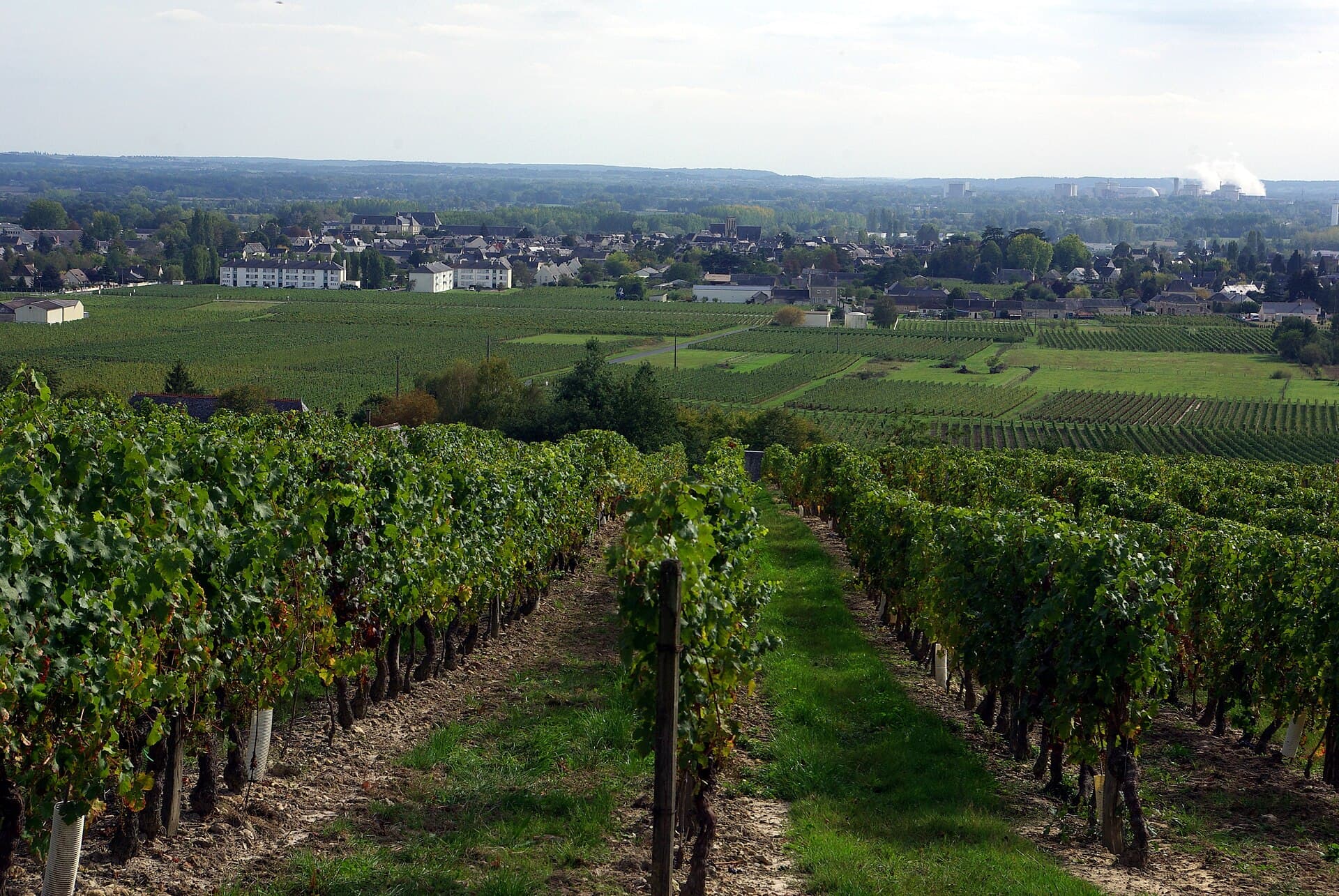 Duch.seb / CC BY-SA 3.0, via Wikimedia Commons
Tour de audio autoguiado de Bourgueil — ruta GPS a pie, reproducción offline, narración en 32 idiomas.
“Donde las abadías milenarias se encuentran con el excepcional Cabernet Franc.”
No las postales. Las historias que ni los locales conocen — al oído, justo donde ocurrieron.
La fundación de la Abadía de Bourgueil en el 990 d.C. por Emma de Blois no fue solo un acto de piedad, sino también un dramático relato de venganza medieval.
El carácter único de los vinos de Bourgueil, particularmente su Cabernet Franc, está profundamente ligado a una característica geológica local específica.
Este impresionante castillo, situado justo al norte de Bourgueil, ostenta un sorprendente récord por su escala arquitectónica en la Turena angevina.
Descubre todos los secretos de Bourgueil
Cada dirección, cada revelación al completo — a tu oído, justo donde ocurrió.
Eliges tus paradas. Caminas. La voz te revela lo que los demás ignoran.


Tu tour de audioguía por Bourgueil te espera — elige tus lugares, tu idioma y empieza al llegar.
ComprarLume incluye una guía de realidad aumentada. Levanta el móvil y su cámara muestra la calle que tienes delante, con una flecha luminosa sobre la imagen real que siempre apunta a tu próxima parada — sin mapas que descifrar, sin giros equivocados. Como todo en Lume, funciona completamente sin conexión.
Bourgueil, un pueblo cautivador en el corazón del Valle del Loira francés, es célebre por su profunda historia y, quizás lo más famoso, por sus excelentes vinos tintos. Situada en la orilla derecha del río Loira, esta zona se beneficia de un clima suave y un paisaje variado que ha moldeado su carácter durante siglos. El pueblo en sí ofrece un escape sereno, con sus edificios blancos de 'toba' que reflejan el sol de verano, creando una atmósfera acogedora y atractiva.
Más allá de su renombre vitivinícola, Bourgueil ofrece una ventana a la vida tradicional de los pueblos franceses, con mercados bulliciosos y un fuerte sentido de comunidad. Sirve como un excelente punto de partida para explorar el Parque Natural Regional Loire-Anjou-Touraine, presentando una mezcla de esplendor natural, legado cultural y placeres culinarios. Ya sea un conocedor de vinos, un entusiasta de la historia o simplemente busque una experiencia francesa tranquila, Bourgueil ofrece un destino atractivo.
## De Mansio Romana a Potencia Benedictina Los orígenes de Bourgueil se remontan a una mansio romana conocida como Burgolium, un punto de parada en la antigua calzada que conectaba Angers y Tours. Sin embargo, su verdadera importancia histórica comenzó con la fundación de la Abadía Benedictina de Saint-Pierre de Bourgueil-en-Vallée en el 990 d.C. por Emma de Blois, Duquesa de Aquitania.
Esta abadía creció rápidamente hasta convertirse en una poderosa institución, influyendo en los paisajes religiosos, económicos y culturales de la región durante más de 500 años. A los monjes de la Abadía de Bourgueil se les atribuye el establecimiento de la viticultura organizada en la zona, con el Abad Breton específicamente destacado por introducir el cultivo de la vid. Para el siglo XII, los viñedos de la abadía producían suficiente vino para exportar a Flandes e Inglaterra, y el Abad Baudry de Bourgueil, un notable poeta, incluso celebró el vino local en verso en 1189.
En su apogeo, la abadía controlaba 42 prioratos y 64 parroquias en el oeste de Francia, poseyendo extensas tierras y derechos feudales. Incluso albergó los Estados Generales de Enrique II Plantagenêt en 1156 y fue puesta bajo protección papal directa por el Papa Inocencio III en 1208, asegurando su independencia. La iglesia de la abadía, inicialmente románica, fue reconstruida en estilo gótico francés después de un incendio en 1246. Durante la Guerra de los Cien Años, Carlos V fortificó la abadía después de ser atacada y saqueada.
Sin embargo, el siglo XVI marcó un período de declive. La abadía fue saqueada por las fuerzas protestantes en 1562, y la introducción de abades comendatarios, que a menudo residían en otros lugares y percibían ingresos sin suficiente inversión, llevó a una reputación de corrupción. La abadía fue finalmente suprimida durante la Revolución Francesa en 1791, su patrimonio nacionalizado, y muchos de sus edificios, incluyendo la nave gótica y el claustro, fueron demolidos para obtener piedra. Hoy en día, las estructuras supervivientes, incluyendo edificios de los siglos XIII y XVIII y ruinas del siglo X, albergan un museo de artes y tradiciones locales, preservando el legado perdurable de la abadía.
Comience su exploración en la Abadía de Bourgueil (Abbaye Saint-Pierre de Bourgueil-en-Vallée), el núcleo histórico de la ciudad. Aunque gran parte de la estructura original fue destruida, aún puede visitar partes de los edificios de los siglos XIII y XVIII, incluyendo claustros, un refectorio de la enfermería con paneles de madera originales y una escalera ornamental. Las antiguas celdas de los monjes ahora albergan un museo de artes y tradiciones locales.
Para los entusiastas del vino, una visita a la Maison Jean-Carmet des Vins de Bourgueil es esencial. Ubicada en la antigua casa familiar del actor y escritor Jean Carmet, esta casa del vino ofrece más de 80 añadas de vinos locales a la venta. También puede explorar directamente los viñedos circundantes, muchos de los cuales están abiertos para catas. La Cave de la Dive Bouteille ofrece un museo del vino y muestra los terruños de Bourgueil y Saint-Nicolas-de-Bourgueil.
Justo al norte de Bourgueil, a poca distancia en coche, el Castillo de Gizeux es un significativo edificio histórico que data de la Edad Media, con modificaciones del Renacimiento y la Ilustración. Esta impresionante residencia privada es uno de los castillos más largos de la Turena angevina y ofrece visitas guiadas a sus galerías pintadas, salones y jardines.
Sumérjase en la vida local visitando los animados mercados de Bourgueil, que se celebran los martes y sábados por la mañana. El mercado del sábado, bajo el pabellón cubierto, presenta principalmente productos alimenticios.
La mejor época para visitar Bourgueil para actividades de clima cálido y explorar los viñedos es de mediados de junio a mediados de septiembre. Durante estos meses, las temperaturas son suaves a cálidas y las horas de luz son largas. Mayo, junio y septiembre ofrecen un equilibrio ideal de clima agradable y multitudes manejables, con jardines en plena floración a finales de primavera y la vendimia comenzando a mediados de septiembre. Aunque julio y agosto son animados, también son los meses más concurridos y calurosos. Muchas bodegas familiares pueden cerrar por vacaciones en agosto, por lo que es aconsejable verificar con anticipación.
Bourgueil se encuentra a aproximadamente 45 kilómetros al oeste de Tours, y se recomienda encarecidamente un coche para explorar la región debido al limitado transporte público. El pueblo también es accesible en bicicleta a través de la ruta Loire à Vélo con un corto desvío tierra adentro.
Para el alojamiento, puede optar por quedarse en Tours y hacer excursiones de un día, u optar por una experiencia más tranquila e inmersiva alojándose una noche en el propio Bourgueil. El pueblo ofrece varias comodidades, incluyendo restaurantes, panaderías, cafeterías y supermercados. La Oficina de Turismo de Bourgueil, ubicada en 16 Place de l'Église, puede proporcionar mapas de rutas del vino y asistencia con citas.
Los mercados semanales se celebran los martes y sábados por la mañana, con el mercado del sábado centrado en productos alimenticios bajo el pabellón cubierto. Ferias más grandes, como las de Pascua, ajo y castañas, tienen lugar tres veces al año.
Bourgueil en coreano, en chino o en hebreo — y 29 idiomas más, cada parada narrada por una voz nativa. La mayor variedad de idiomas de cualquier audioguía autoguiada.
Disponible en: