Château de Brousse
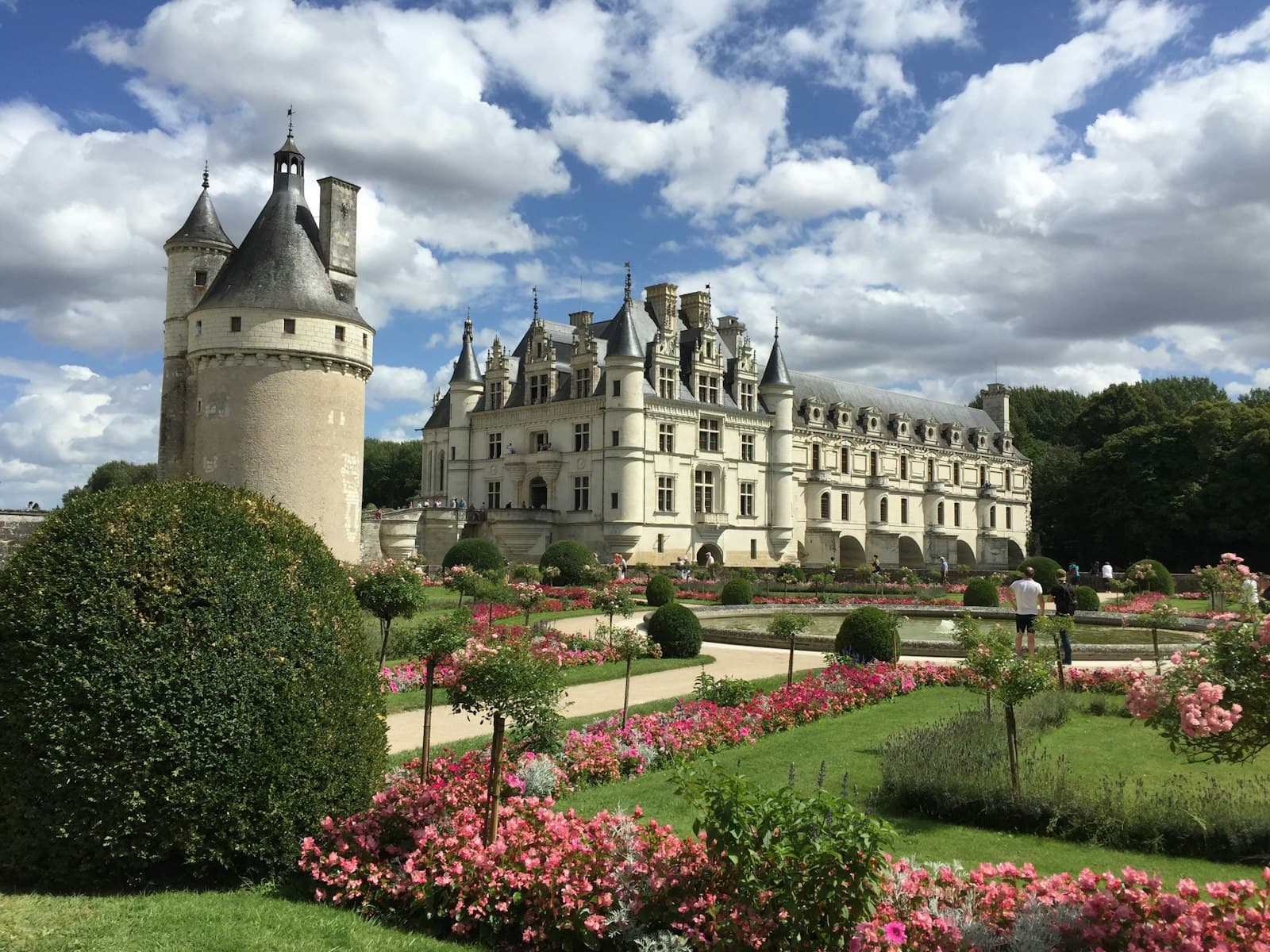
The formidable Château de Brousse, a medieval fortress, holds a secret within its ancient walls that predates its very construction by millennia.
Full story unlocks in the tour
 Greteck / Public domain, via Wikimedia Commons
Self-guided audio walking tour of Brousse-le-Château — GPS route, offline playback, story-driven narration in 32 languages.
“Where ancient stone recounts the narratives of knights and rivers flow.”
Not the postcards. The stories even locals don't know — whispered in your ear, right where they happened.
The formidable Château de Brousse, a medieval fortress, holds a secret within its ancient walls that predates its very construction by millennia.
The picturesque stone bridge crossing the Alrance River appears to be a classic medieval structure, but its true story involves a subtle deception.
The very name of Brousse-le-Château, evoking images of a grand castle, has an unexpected and humble linguistic root.
Discover every secret of Brousse-le-Château
Every address, every reveal in full — in your ear, right where it happened.
You pick your stops. You walk. The voice reveals what the others miss.

Your self-guided audio tour of Brousse-le-Château is ready — pick your landmarks, choose your language, and start the moment you arrive.
BuyLume has a built-in augmented-reality guide. Hold your phone up and its camera shows the street ahead of you, with a glowing arrow laid over the real view that always points to your next stop — no map to puzzle over, no wrong turns. Like everything in Lume, it works fully offline.
Brousse-le-Château, recognized as one of 'The Most Beautiful Villages of France,' is a captivating medieval village in the Aveyron department of southern France. It occupies a dramatic rocky spur at the confluence of the Tarn and Alrance rivers, offering a striking visual tableau where history and nature intertwine. The village's well-preserved architectural heritage, from its fortified church to its charming stone houses, invites visitors to step back in time. This idyllic setting, surrounded by quiet countryside and wooded hills, makes it a favored destination for those seeking tranquility and a glimpse into France's enduring past.
The village's strategic location, approximately 50 to 60 kilometers from the cities of Rodez, Millau, and Albi, places it within the natural region of the Roquefort country. Brousse-le-Château is also part of the Regional Natural Park of the Grands Causses, an area known for its diverse landscapes. Its altitude ranges from 220m to 665m, contributing to its varied environment. The village's charm extends beyond its physical beauty; it's a place where the stones themselves seem to recount the narratives of centuries past.
The history of Brousse-le-Château stretches back to the Neolithic period, evidenced by the discovery of a statue-menhir within the castle itself. The site's strategic importance was recognized early, with inhabitants settling at the foot of a castle that was first established in the 9th century. Early fortifications, initially wooden palisades, were reinforced with stone by the 11th century.
By the early 13th century, Bernard I of the powerful Arpajon family took residence in the castle, transforming the small village into a significant center due to its geographical location. The Arpajon family would own the castle for nearly 500 years, from 1204 until 1700, leaving an indelible mark on its architecture and history. The castle, as it stands today, is a testament to architectural evolution from the 13th to the 18th centuries, showcasing a blend of medieval and Renaissance styles.
The Rouergue region, where Brousse-le-Château is situated, endured numerous conflicts throughout its history. The village experienced local seigneurial wars and invasions, followed by larger conflicts such as the Hundred Years' War (1337-1453) against the English. This period was succeeded by the perilous era of 'Routiers,' unemployed soldiers who formed bands and lived off the land. The Wars of Religion in the late 16th century were also particularly impactful, as many nobles in the region embraced the Protestant faith. Despite these turbulent times, the village and its castle persevered, with the fortified walls, walkway, and five defensive towers of the castle largely conserved.
In 1839, the commune acquired the castle, transforming it into a presbytery. However, the village's historical and architectural significance was recognized, leading to its classification as a historical monument in 1943. Brousse-le-Château's commitment to preserving its heritage is evident, and it has been formally recognized as one of 'The Most Beautiful Villages of France'. The village's architecture, with its old stone houses and winding paths, reflects the local style, and its surrounding environment still bears traces of a life organized around terraced agriculture and historical itinerant trade in the Tarn valley.
Begin your exploration at the Château de Brousse, a formidable fortress that dates from the 9th to the 18th centuries. Wander through its fortified enclosure, along the parapet walk, and discover its various towers, including the Prisoner's Tower and Princess's Tower. Inside, the castle houses a local history museum and hosts diverse exhibitions of paintings, photos, and ancient tools. Do not overlook the prehistoric statue-menhir, a fascinating artifact from the 3rd millennium BC.
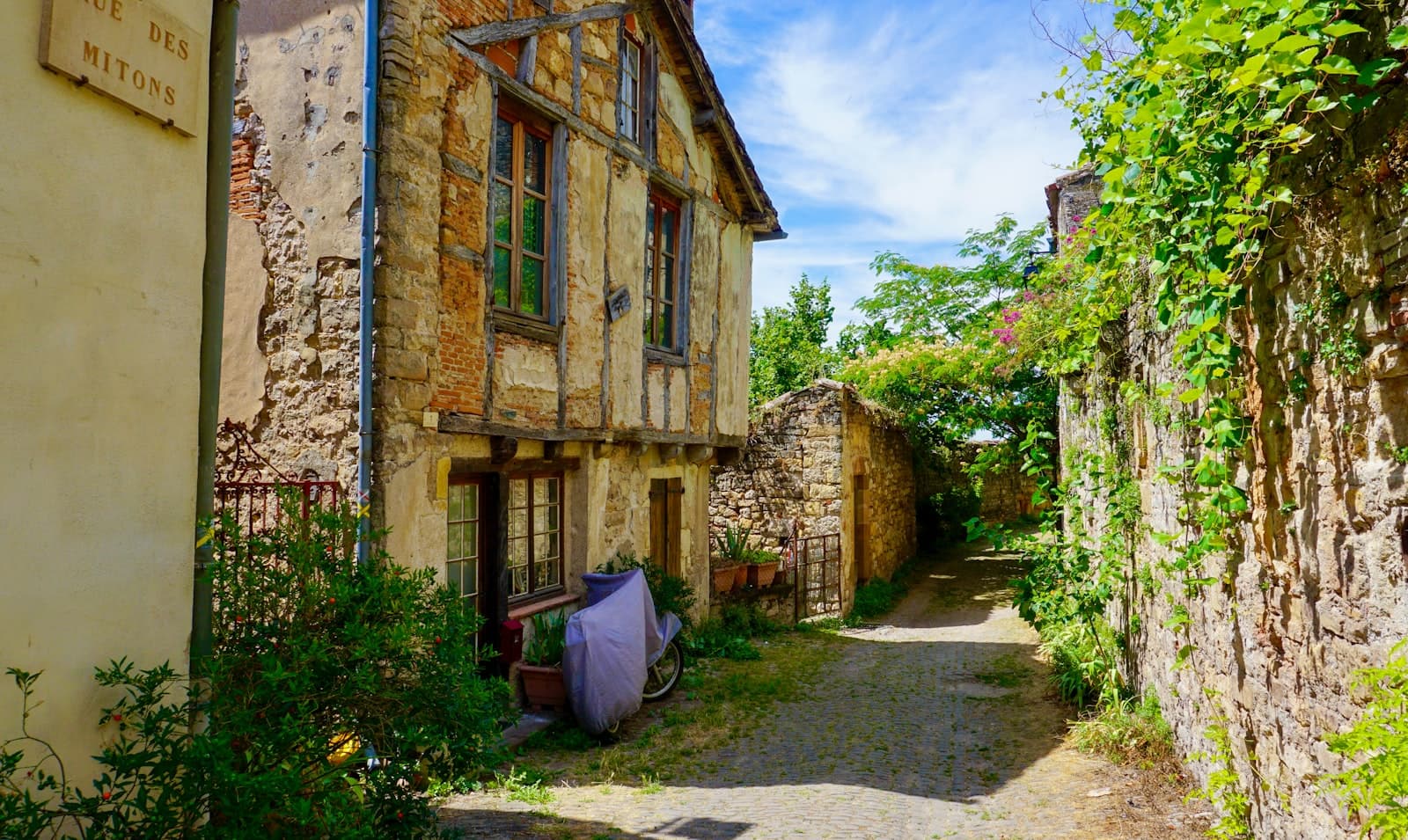
From the castle, descend into the village's stone paths, where you'll find charming stone houses, many dating from the 17th and 18th centuries, often adorned with traditional stone roofs and chimneys. Admire the 15th-century fortified Church of Saint-Cirice, a Gothic-style structure that is one of the village's highlights. Also, seek out the Church of Saint-Jacques-le-Majeur, with its Romanesque bell tower. Pause at the old Gothic bridge over the Alrance, a 15th-century Roman-style bridge that once served as the primary access to the village. For a serene experience, visit the Jardin de la Colombie, a botanical garden open from April to June, offering insights into local flora and a belvedere point with views of the castle and village.
Beyond the village, the surrounding area offers opportunities for enjoying the quiet countryside. You can explore nearby villages like Castelnau-Pégayrols, Montjaux, and Verrières, or venture into the Regional Natural Park of the Grands Causses.
The best time to visit Brousse-le-Château is during the summer months, particularly July and August, when the weather is pleasantly warm and breezy, with temperatures typically ranging from 14°C to 28°C (58-82°F). During this period, the village hosts a local market every Tuesday morning, featuring local producers. July 14th brings a fireworks display and a 'burning of the castle' celebration, while late August sees the votive festival with a traditional meal and musical entertainment. The 'romantic night of the Most Beautiful Villages of France' occurs at the end of June, offering concerts and dining. The Jardin de la Colombie is open from April to June, providing a pleasant spring visit.
Brousse-le-Château is located in the Aveyron department, approximately 50-60 kilometers from Rodez, Millau, and Albi, making it accessible for day trips from these larger cities. While the roads leading to the village can be slow, the journey is rewarded by the unspoiled character of the destination. Be aware that the village's paths are often steep, paved with stone, and may not be well-maintained, which could pose challenges for wheelchair users. The Château de Brousse is open to visitors, with varying hours depending on the season, and an adult entrance fee of around 6 Euros. The Jardin de la Colombie has an entrance fee of approximately 4 Euros. The village offers a Logis restaurant and other dining options. For accommodation, options include hotels, bed & breakfasts, vacation rentals, and campsites in and around Brousse-le-Château. The main activity in the surrounding Roquefort region is sheep farming, contributing to the famous Roquefort cheese.
Brousse-le-Château in Korean, in Chinese or in Hebrew — and 29 more languages, every stop narrated by a native voice. The widest language range of any self-guided audio tour.
Available in: