La Esfinge y Babele
Estas icónicas formaciones rocosas no son meras maravillas naturales; algunos creen que guardan secretos mucho más antiguos que la historia registrada.
La historia completa se desbloquea en el tour
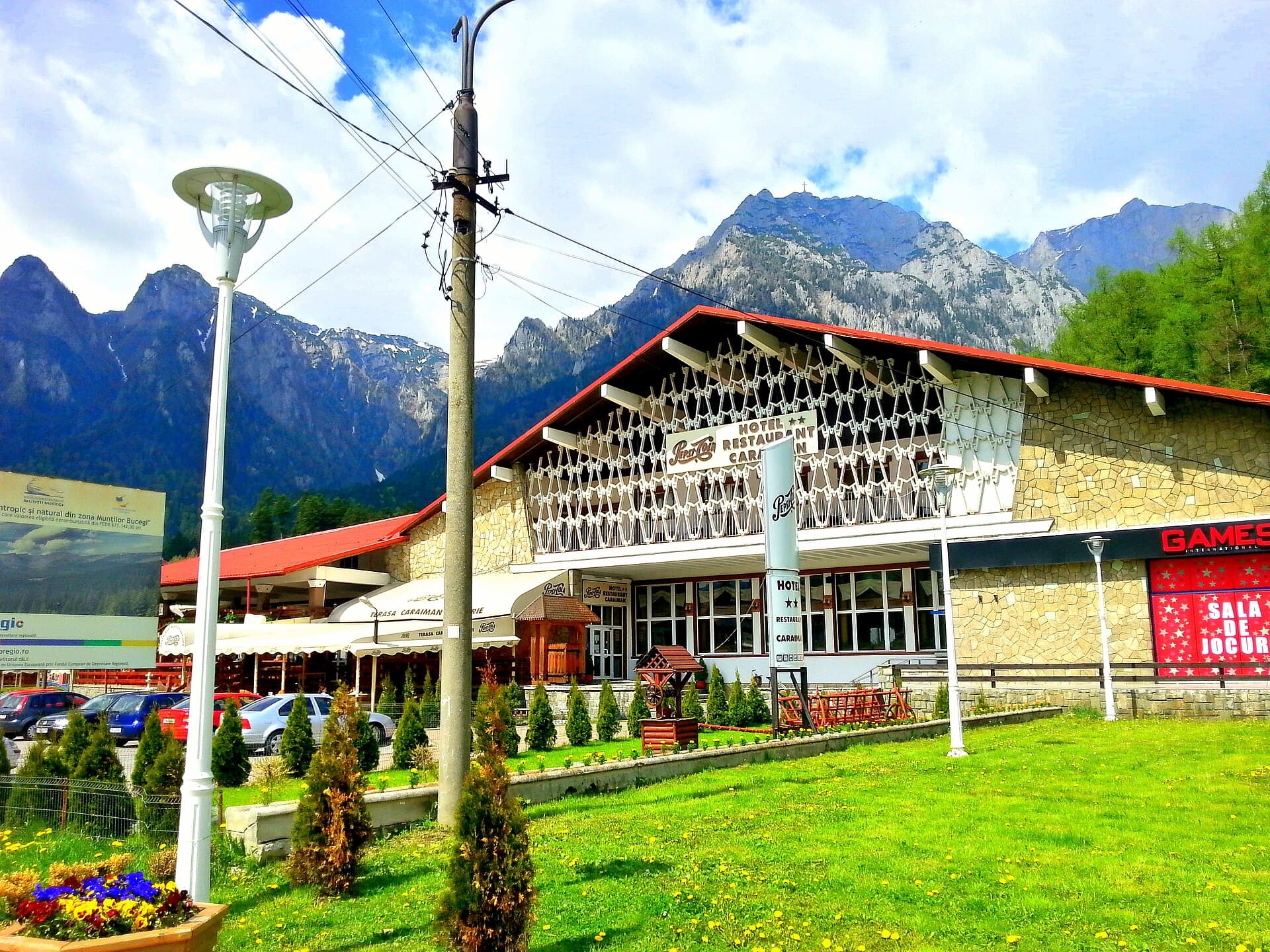 Marius-Ionut / CC BY-SA 3.0, via Wikimedia Commons
Tour de audio autoguiado de Bușteni — ruta GPS a pie, reproducción offline, narración en 32 idiomas.
“Donde los mitos ancestrales se encuentran con la grandeza alpina y los ecos de la guerra.”
No las postales. Las historias que ni los locales conocen — al oído, justo donde ocurrieron.
Estas icónicas formaciones rocosas no son meras maravillas naturales; algunos creen que guardan secretos mucho más antiguos que la historia registrada.
Esta imponente cruz, visible a kilómetros, casi tuvo un destino muy diferente bajo un régimen pasado.
Esta maravilla arquitectónica, una vez residencia privada, estaba destinada a exhibir una inmensa riqueza de una manera verdaderamente extravagante.
Descubre todos los secretos de Bușteni
Cada dirección, cada revelación al completo — a tu oído, justo donde ocurrió.
Eliges tus paradas. Caminas. La voz te revela lo que los demás ignoran.

Tu tour de audioguía por Bușteni te espera — elige tus lugares, tu idioma y empieza al llegar.
ComprarLume incluye una guía de realidad aumentada. Levanta el móvil y su cámara muestra la calle que tienes delante, con una flecha luminosa sobre la imagen real que siempre apunta a tu próxima parada — sin mapas que descifrar, sin giros equivocados. Como todo en Lume, funciona completamente sin conexión.
Bușteni, una ciudad de montaña en el Valle de Prahova en Rumanía, sirve como puerta de entrada a los dramáticos paisajes de las montañas Bucegi. Su nombre, que literalmente significa 'troncos de árbol' en rumano, alude a los densos bosques que abrazan la zona. Con una altitud media de 875 metros, Bușteni es un destino popular durante todo el año, ofreciendo oportunidades para esquiar, hacer senderismo y escalar montañas.
La ciudad ofrece acceso directo a la meseta de Bucegi a través de un teleférico, que conduce a icónicas formaciones rocosas naturales como la Esfinge y Babele, así como a la imponente Cruz de los Héroes en el Pico Caraiman. Más allá de su atractivo natural, Bușteni posee una historia fascinante, habiendo sido un lugar de enfrentamientos militares durante la Primera Guerra Mundial. Hoy en día, combina la aventura al aire libre con atisbos del pasado de Rumanía y leyendas locales.
Los orígenes de Bușteni se encuentran en los densos bosques del Valle de Prahova, con su nombre reflejando directamente los 'troncos de árbol' que una vez fueron una industria principal. La ciudad comenzó a desarrollarse como un centro turístico de montaña a finales del siglo XIX, atrayendo a la aristocracia de Bucarest que buscaba un respiro en el aire fresco de la montaña y los dramáticos paisajes.
Las serenas montañas que rodean Bușteni se convirtieron en un campo de batalla durante la Primera Guerra Mundial. En 1916, la zona fue testigo de importantes enfrentamientos militares mientras los ejércitos rumanos libraban desesperadas batallas defensivas en los Cárpatos contra las fuerzas de las Potencias Centrales. La guerra cobró un precio asombroso, con más de 800.000 soldados y civiles rumanos muriendo.
Para honrar estos sacrificios, particularmente a aquellos que cayeron defendiendo los puertos de montaña, la monumental Cruz de los Héroes (Crucea Eroilor) fue construida en el Pico Caraiman entre 1926 y 1928. Con 39,3 metros de altura a una altitud de 2.291 metros, es una de las cruces de cumbre más grandes del mundo y es visible a decenas de kilómetros. Su construcción fue una hazaña notable, que implicó el transporte de materiales en tren, bueyes y funicular. La cruz fue inaugurada el 14 de septiembre de 1928, con el Rey Fernando y la Reina María presentes.
Otro hito histórico significativo es el Castillo de Cantacuzino, terminado en 1911. Esta maravilla arquitectónica neorrumana fue construida en el sitio de un antiguo pabellón de caza por el Príncipe Grigore Cantacuzino, un rico político. El castillo, con su exterior de piedra tallada y sus intrincados detalles interiores como vidrieras y mosaicos, refleja la opulencia de la época. Aunque sufrió pérdidas significativas de su mobiliario original durante el régimen comunista, ahora funciona como un objetivo cultural, albergando conciertos y galerías de arte.
Bușteni ha seguido evolucionando como destino turístico. La pista de esquí Kalinderu, que lleva el nombre de Ioan Kalinderu, un antiguo administrador de la Corona Real, es una instalación moderna aprobada para competiciones internacionales de esquí. El teleférico de la ciudad, que proporciona fácil acceso a la meseta de Bucegi, ha sido un factor clave en su popularidad como base para explorar las montañas.
Bușteni ofrece una mezcla de maravillas naturales y sitios históricos, sirviendo principalmente como puerta de entrada a las montañas Bucegi. Comience con un viaje en teleférico desde la ciudad hasta la meseta de Bucegi. Aquí, encontrará las formaciones rocosas de la Esfinge y Babele, esculpidas por milenios de erosión eólica en extrañas semejanzas de figuras humanas y míticas. Una caminata moderadamente desafiante de 45 minutos a una hora desde la estación del teleférico conduce a la Cruz de los Héroes en el Pico Caraiman, un colosal monumento dedicado a los soldados de la Primera Guerra Mundial, que ofrece amplias vistas del Valle de Prahova.
De vuelta en la ciudad, el Castillo de Cantacuzino es una visita gratificante. Esta obra maestra arquitectónica neorrumana, terminada en 1911, presenta impresionantes tallas de piedra, vidrieras y amplios jardines con esculturas y fuentes. También ganó fama recientemente como lugar de rodaje de una popular serie de televisión. Para un retiro tranquilo, visite el Monasterio de Caraiman, un lugar de culto ortodoxo relativamente nuevo situado a los pies de las montañas Bucegi, que ofrece terrenos serenos y vistas a la montaña. En invierno, la pista de esquí Kalinderu ofrece oportunidades para esquiar y practicar snowboard. Para los excursionistas, la Cascada Urlătoarea es un lugar sereno a poca distancia.
Bușteni es un destino durante todo el año, cada estación ofrece una experiencia distinta. Para hacer senderismo cómodamente y con menos gente, opte por las temporadas intermedias de primavera (marzo-mayo) y otoño (septiembre-noviembre). El otoño, en particular, muestra espectaculares tonos ámbar y rojos en los bosques de los Cárpatos. El verano (junio-agosto) es ideal para hacer senderismo, con temperaturas suaves, aunque también es el período más húmedo y la temporada alta de turismo. El invierno (diciembre-febrero) transforma Bușteni en una postal nevada, perfecta para esquiar y otros deportes de invierno en las pistas de Kalinderu. Prepárese para temperaturas frías y pocas horas de luz durante el invierno.
Bușteni es fácilmente accesible tanto por carretera como por ferrocarril. Se encuentra en la línea principal de ferrocarril que conecta Bucarest y Brașov, con trenes frecuentes que paran en la ciudad. El viaje en tren desde Bucarest dura aproximadamente 1,5 a 2 horas. Si conduce, Bușteni se encuentra en la carretera nacional DN1, a unos 136 km de Bucarest y 35 km de Brașov. Las carreteras suelen estar en buenas condiciones, pero tenga precaución en invierno, ya que pueden volverse resbaladizas.
Una vez en Bușteni, los taxis son una forma económica de moverse por la ciudad. Los autobuses también conectan Bușteni con ciudades y centros turísticos cercanos como Sinaia y Predeal. Para explorar los senderos de montaña, se recomienda comprar mapas locales o usar aplicaciones de teléfonos inteligentes como Muntii Nostri. Las opciones de alojamiento van desde hostales y casas de huéspedes económicos hasta hoteles de gama media y complejos turísticos de lujo, siendo aconsejable reservar con antelación durante las temporadas altas.
Bușteni en coreano, en chino o en hebreo — y 29 idiomas más, cada parada narrada por una voz nativa. La mayor variedad de idiomas de cualquier audioguía autoguiada.
Disponible en: