Baños de la Hedionda
Jules César lui-même aurait visité Casares pour un mal précis.
L'histoire complète se débloque dans le tour
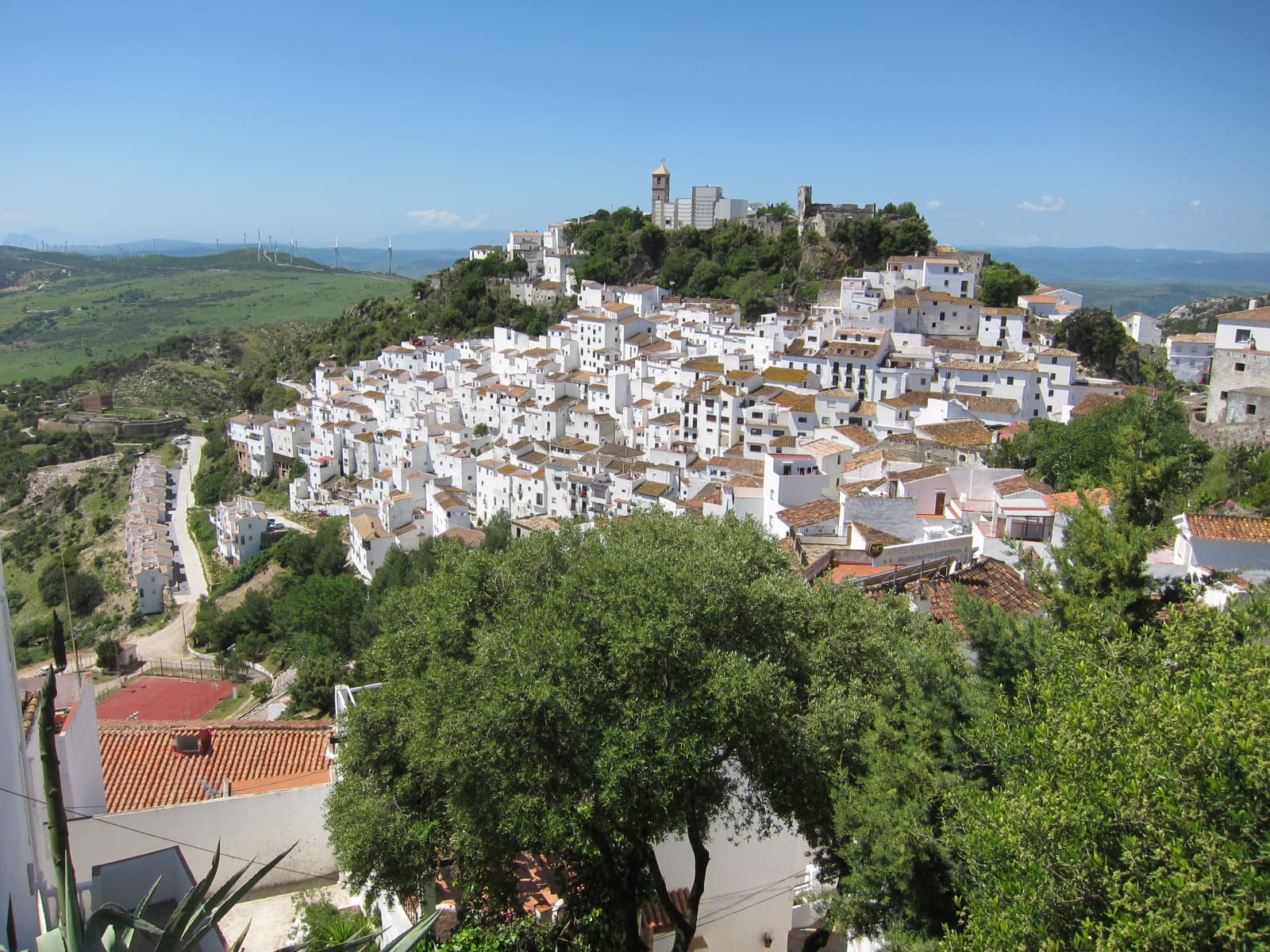 jaycross / CC BY 2.0, via Wikimedia Commons
Visite audio autoguidée de Casares — parcours GPS à pied, lecture hors ligne, narration en 32 langues.
“Des murs blanchis à la chaux s'accrochent à la montagne, Casares offre des vues qui s'étendent de l'histoire ancienne à la côte africaine.”
Pas les cartes postales. Les histoires que même les habitants ignorent — soufflées à l'oreille, là où elles se sont passées.
Jules César lui-même aurait visité Casares pour un mal précis.
Cette forteresse perchée fut un acteur clé d'un pacte médiéval significatif.
Pendant l'invasion napoléonienne, Casares a obtenu une distinction unique en Espagne.
Découvrez tous les secrets de Casares
Chaque adresse, chaque révélation en entier — dans ton oreille, là où elle s'est passée.
Tu choisis tes lieux. Tu marches. La voix te révèle ce que les autres ignorent.


Votre visite audioguidée de Casares vous attend — choisissez vos lieux, votre langue, et lancez-vous dès votre arrivée.
AcheterLume intègre un guide en réalité augmentée. Levez votre téléphone : sa caméra montre la rue devant vous, avec une flèche lumineuse posée sur l'image réelle qui pointe toujours vers votre prochain arrêt — aucune carte à déchiffrer, aucun mauvais virage. Comme tout dans Lume, ça fonctionne entièrement hors-ligne.
Casares, un "village blanc" (pueblo blanco) saisissant en Andalousie, Espagne, semble s'accrocher à flanc de montagne, ses maisons blanchies à la chaux dévalant depuis un ancien château maure. Situé dans la province de Málaga, à environ 14 kilomètres à l'intérieur des terres depuis la côte méditerranéenne, il offre un mélange captivant d'intrigue historique et de beauté naturelle. Le village fait partie des montagnes de la Sierra de la Utrera, offrant des vues imprenables qui, par temps clair, englobent la mer Méditerranée, le Rocher de Gibraltar et même les montagnes d'Afrique du Nord.
Désigné Site Historique-Artistique en 1978, Casares est souvent considéré comme l'un des villages les plus évocateurs de la région. Ses rues compactes et sinueuses, ornées de pots de fleurs colorés, invitent à une exploration tranquille. Au-delà de l'attrait du village, la municipalité environnante s'étend jusqu'à la côte, connue sous le nom de Casares Costa, offrant une expérience différente avec des plages et des terrains de golf.
Casares compte plus de 5 750 habitants et conserve une atmosphère authentique, ce qui en fait une destination prisée pour ceux qui recherchent une véritable expérience andalouse loin des stations balnéaires plus animées. C'est un lieu où la vie de village traditionnelle perdure, avec des boutiques locales, des bars à tapas et des festivals communautaires tissés dans le rythme quotidien.
L'histoire de Casares remonte à la préhistoire, avec des découvertes archéologiques indiquant d'anciens établissements ibériques. Cependant, c'est à l'époque romaine que le village a véritablement commencé à prendre forme. La légende attribue la fondation de Casares à nul autre que Jules César lui-même. L'histoire raconte que César, souffrant d'une affection cutanée, trouva un remède dans les eaux sulfureuses et alcalino-magnétiques des Baños de la Hedionda. En signe de gratitude, il aurait ordonné la construction de la ville, et pendant l'Empire romain, Casares fut même autorisée à frapper ses propres monnaies.
L'arrivée des Maures au VIIIe siècle marqua une transformation significative pour Casares, tant sur le plan architectural que culturel. L'imposant château de Casares, une forteresse maure du XIIe siècle, fut construit sur une immense falaise calcaire, devenant un bastion stratégique et un point de guet défensif. Sa position élevée offrait un contrôle sur les zones voisines, y compris le détroit de Gibraltar, Algésiras et Ronda. Les ruines de ce château arabe, ainsi que ses deux principales entrées voûtées, restent une caractéristique proéminente du village aujourd'hui.
Casares joua un rôle crucial pendant la Reconquête chrétienne à la fin du XVe siècle, étant l'un des derniers bastions musulmans de la région. Après la chute de Ronda, Casares se rendit aux Rois Catholiques en 1485. Plus tard, en 1795, la ville obtint son indépendance de Manilva et reçut le titre de "Villa". Une période notable de son histoire fut l'invasion napoléonienne, lorsque Casares, aux côtés de Cadix, résista avec succès à la capture par les troupes françaises.
Plus récemment, Casares revêt une importance particulière en tant que lieu de naissance de Blas Infante Pérez de Vargas, avocat, politicien et écrivain né en 1885. Il est largement considéré comme le "Père du nationalisme andalou" pour ses efforts dans la lutte pour l'identité culturelle de la région. Sa maison d'enfance a été préservée en tant que musée, offrant un aperçu des traditions andalouses.
Commencez votre exploration au cœur du village sur la Plaza de España, une place animée encadrée par des bâtiments blanchis à la chaux et des balcons en fer forgé. De là, les rues étroites, sinueuses et pavées, ornées de pots de fleurs colorés, mènent vers le point culminant historique du village.
Les ruines du Castillo de Casares arabe du XIIe siècle couronnent le point le plus élevé, offrant des vues imprenables sur la campagne environnante, la mer Méditerranée, Gibraltar et même les montagnes d'Afrique du Nord par temps clair. Adjacente aux ruines du château se dresse l'Iglesia de la Encarnación, une église médiévale datant du XVIe siècle.
Pour une perspective différente, cherchez le Mirador del Tajo de la Planá, un point de vue derrière l'église où vous pouvez souvent apercevoir des vautours fauves et des aigles planant au-dessus du Parc Naturel de la Sierra Crestellina. Descendez aux Baños de la Hedionda, des bains sulfureux de l'époque romaine qui sont encore librement accessibles aujourd'hui. Le lieu de naissance de Blas Infante, aujourd'hui un musée, offre un aperçu de la vie du "Père du nationalisme andalou" et du patrimoine culturel de la région.
Ne manquez pas le cimetière distinctif de Casares, connu pour son architecture unique et ses vues. Pour une pause rafraîchissante, explorez les piscines naturelles voisines de La Paloma et El Charco, alimentées par la rivière Manilva.
Les meilleures périodes pour visiter Casares sont le printemps (mars à juin) et l'automne (septembre à novembre). Pendant ces saisons, les températures sont douces, ce qui rend l'exploration des rues escarpées du village et des sentiers de randonnée agréable. Le printemps apporte également diverses festivités et un environnement naturel luxuriant et verdoyant. Bien que l'été (fin juin à début septembre) offre un temps chaud idéal pour les activités de plage le long de Casares Costa, la chaleur peut être intense pour les excursions en montagne. Les hivers sont doux, mais avec plus de précipitations.
Casares est situé à environ 100 kilomètres de Málaga et à environ 15 kilomètres à l'intérieur des terres depuis la côte méditerranéenne. Les routes sinueuses menant au village offrent des vues panoramiques. Bien que des excursions organisées soient disponibles, avoir une voiture offre plus de flexibilité pour explorer les environs et les plages de Casares Costa, qui sont à environ 15-20 minutes en voiture. Un parking est disponible à l'entrée du village.
Portez des chaussures confortables, car le village présente de nombreuses pentes et des rues pavées. De nombreux restaurants locaux, en particulier sur la Plaza de España, proposent une cuisine andalouse traditionnelle et des tapas. Les commodités essentielles telles qu'une école, un centre de santé, une pharmacie et une banque sont toutes accessibles à pied dans le village. Pour ceux qui s'intéressent aux activités de plein air, Casares propose des sentiers de randonnée, du parapente et des promenades à cheval dans les montagnes.
Casares en coréen, en chinois ou en hébreu — et dans 29 autres langues, chaque étape narrée par une voix native. La plus large gamme de langues de tous les audioguides autoguidés.
Disponible en :