Place des Arcades
Bajo los soportales de la plaza central de Castelnau-de-Montmiral, una reliquia de piedra insinúa una forma de justicia más oscura y pública.
La historia completa se desbloquea en el tour
 KaTeznik / CC BY-SA 2.0 fr, via Wikimedia Commons
Tour de audio autoguiado de Castelnau-de-Montmiral — ruta GPS a pie, reproducción offline, narración en 32 idiomas.
“Donde las piedras medievales hablan de cátaros y condes, y los soportales invitan a quedarse.”
No las postales. Las historias que ni los locales conocen — al oído, justo donde ocurrieron.
Bajo los soportales de la plaza central de Castelnau-de-Montmiral, una reliquia de piedra insinúa una forma de justicia más oscura y pública.
La iglesia guarda un tesoro tan deslumbrante que una vez perteneció a poderosos condes, aunque parte de su brillo es ahora una ingeniosa sustitución.
Sube al borde del pueblo, pasando la estatua de la Virgen, y descubrirás un secreto estratégico a plena vista.
Descubre todos los secretos de Castelnau-de-Montmiral
Cada dirección, cada revelación al completo — a tu oído, justo donde ocurrió.
Eliges tus paradas. Caminas. La voz te revela lo que los demás ignoran.
Tu tour de audioguía por Castelnau-de-Montmiral te espera — elige tus lugares, tu idioma y empieza al llegar.
ComprarLume incluye una guía de realidad aumentada. Levanta el móvil y su cámara muestra la calle que tienes delante, con una flecha luminosa sobre la imagen real que siempre apunta a tu próxima parada — sin mapas que descifrar, sin giros equivocados. Como todo en Lume, funciona completamente sin conexión.
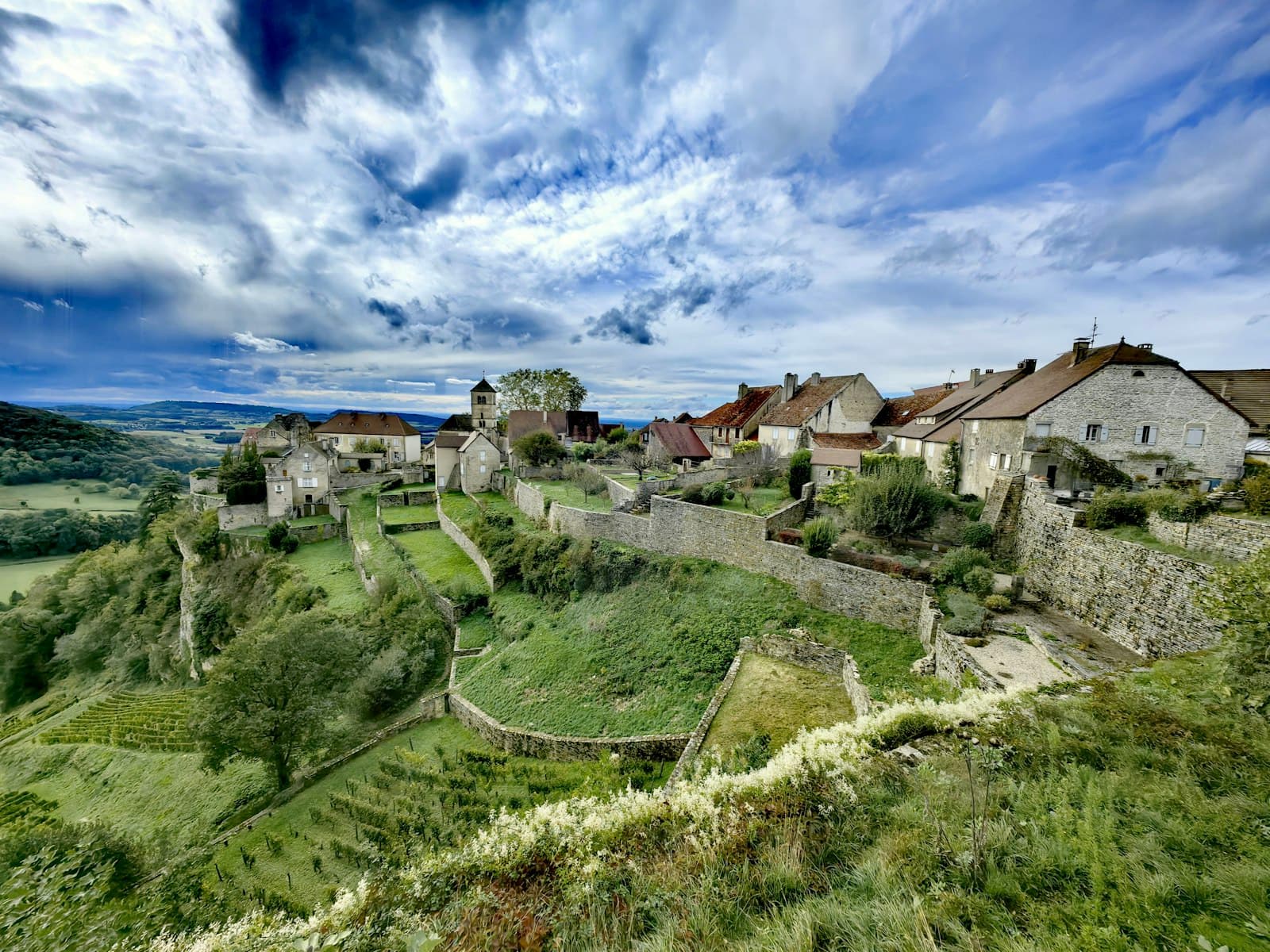
Castelnau-de-Montmiral, un pueblo medieval fortificado, se alza sobre un espolón rocoso en el departamento de Tarn, en Occitania, ganándose un lugar entre "Les Plus Beaux Villages de France" (Los Pueblos Más Bonitos de Francia). Fundado en 1222 por Raimundo VII, Conde de Toulouse, su nombre, 'Castellum Novum Montis Mirabilis', se traduce como 'nueva fortaleza del monte admirable', reflejando su importancia estratégica. El pueblo sirvió como un punto de vigilancia crucial sobre el valle del Vère y desempeñó un papel significativo durante los turbulentos períodos de la Cruzada Cátara y la Guerra de los Cien Años.
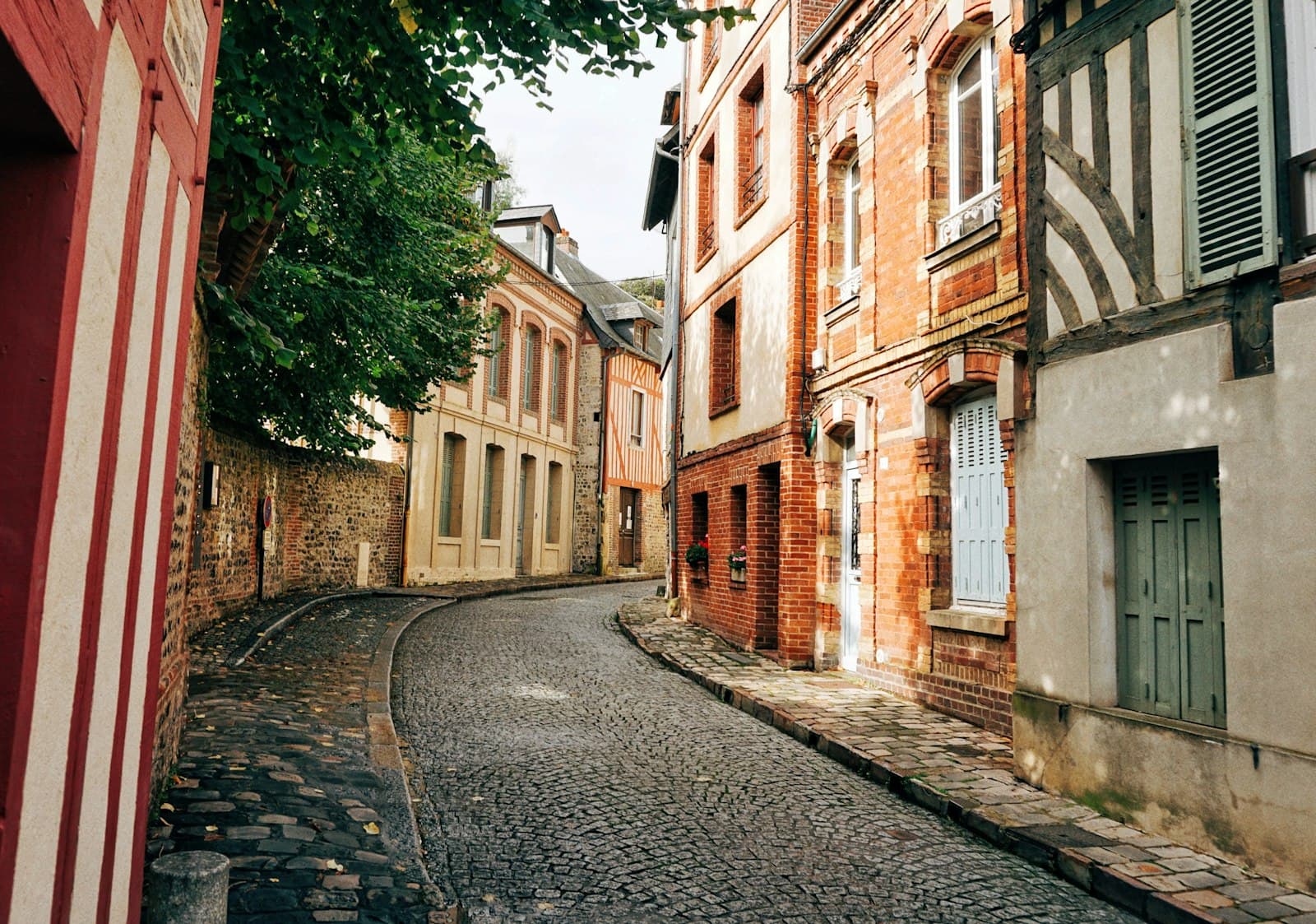
Hoy, Castelnau-de-Montmiral invita a los visitantes a pasear por sus callejones bien conservados, flanqueados por casas de ladrillo y entramado de madera, y a experimentar el carácter perdurable de su arquitectura medieval. El pueblo, con una población aproximada de 1.062 habitantes en 2023, mantiene una atmósfera tranquila, ofreciendo un vistazo a un pasado profundo mientras proporciona amplias vistas panorámicas del Bosque de Grésigne y los viñedos de Gaillac que lo rodean.
Los orígenes de Castelnau-de-Montmiral están profundamente arraigados en los conflictos políticos y religiosos del siglo XIII en Francia. El pueblo fue fundado en 1222 por Raimundo VII, Conde de Toulouse, durante un período en el que su familia buscaba reafirmar el control sobre los territorios al norte del río Tarn en medio de la Cruzada Cátara. El término "castelnau" en sí mismo significa "ciudad de nueva fortaleza", destacando su propósito militar: defenderse de los caballeros cruzados que se habían establecido al sur del río. Esta ubicación estratégica en la cima de la colina, combinada con imponentes murallas, hizo de Castelnau-de-Montmiral una fortaleza formidable.
Tras el Tratado de Meaux en 1229, que puso fin a las hostilidades, se prohibió la construcción de este tipo de ciudades fortaleza. Sin embargo, Castelnau-de-Montmiral continuó evolucionando, pasando a formar parte del dominio real en 1271. Durante la Guerra de los Cien Años en el siglo siguiente, las considerables defensas del pueblo demostraron ser efectivas; Eduardo el Príncipe Negro supuestamente lo eludió en 1345. Estos años inestables vieron a Castelnau-de-Montmiral pasar a posesión de los poderosos Condes de Armagnac.
El siglo XV trajo una renovada prosperidad, y durante las Guerras de Religión francesas, Castelnau-de-Montmiral se erigió como un bastión católico en una región predominantemente protestante, ofreciendo refugio a los católicos que huían de Gaillac. Aunque el castillo original fue destruido en el siglo XIX, aún se pueden encontrar restos de sus escaleras en la Tour Toulze. El patrimonio perdurable del pueblo, incluida su plaza central con soportales y la Iglesia de Notre-Dame de l'Assomption, le ha valido un lugar entre los Pueblos Más Bonitos de Francia.
El corazón de Castelnau-de-Montmiral es la Place des Arcades, una plaza central rectangular característica de las bastidas. Está rodeada de casas medievales con soportales originales a nivel del suelo y cuenta con un pozo medieval y una histórica picota de piedra. La Iglesia de Notre-Dame de l'Assomption, que data del siglo XV, es otro sitio clave. Conserva elementos originales como su pórtico de entrada y un santuario policromado. En el interior, la sala del tesoro alberga la Cruz Relicario de los cónsules, una obra maestra del siglo XIV adornada con piedras preciosas. La iglesia también cuenta con un retablo del siglo XV y un techo pintado en un diseño de azul profundo, blanco y oro.
Más allá de la plaza, explore el laberinto de callejones, donde pintorescas casas de ladrillo y entramado de madera crean una atmósfera encantadora. De las seis puertas originales de la muralla, quedan tres, siendo la Porte des Garrics un buen ejemplo de arquitectura militar del siglo XIII. Para disfrutar de vistas expansivas, diríjase a Pechmiral, en el borde del pueblo, donde una estatua de la Virgen María domina el Bosque de Grésigne y los viñedos de Gaillac.
La primavera y principios de otoño ofrecen un clima agradable con menos multitudes, lo que los convierte en momentos ideales para visitar Castelnau-de-Montmiral. En septiembre, las temperaturas suelen ser cálidas y ventosas, oscilando entre 13 y 25 °C (55-78 °F). El pueblo alberga un colorido mercado todos los martes por la mañana en la Place des Arcades, con productos locales y artesanías. Los meses de verano traen varios eventos, incluido el Festival CastelRoc en agosto y el Festival Les Terres Rouges en julio, así como una búsqueda del tesoro que explora el patrimonio del pueblo en julio.
Castelnau-de-Montmiral se encuentra a una hora al noreste de Toulouse. Hay aparcamiento disponible justo a las afueras del centro histórico, que es fácilmente transitable a pie. El pueblo cuenta con un supermercado local Vival/Casino que ofrece una variedad de artículos, incluidos productos locales y orgánicos, pan fresco y pollos asados los domingos durante el verano. Otras comodidades incluyen una gasolinera, puntos de carga para coches eléctricos, una farmacia, una peluquería, tiendas de recuerdos, un taller local y una oficina de correos.
La Oficina de Turismo, ubicada en la Place des Arcades, puede proporcionar información y un folleto para un recorrido histórico a pie por el pueblo. Ofrecen servicios como acceso Wi-Fi y documentación turística, y se aceptan animales. Para comer, la Auberge des Arcades en la plaza principal ofrece menús locales, y Pizzeria Marina ofrece pizzas y otras comidas ligeras. Además, varios viñedos en la región circundante de Gaillac ofrecen catas de vino y conciertos de aperitivo en verano.
Castelnau-de-Montmiral en coreano, en chino o en hebreo — y 29 idiomas más, cada parada narrada por una voz nativa. La mayor variedad de idiomas de cualquier audioguía autoguiada.
Disponible en: