Calle Extramuros, 26
Le passé médiéval de Conil n'est pas toujours évident, mais une adresse spécifique abrite un vestige tangible de ses anciennes défenses.
L'histoire complète se débloque dans le tour
 Miguel Librero from Sevilla, España / CC BY-SA 2.0, via Wikimedia Commons
Visite audio autoguidée de Conil de la Frontera — parcours GPS à pied, lecture hors ligne, narration en 32 langues.
“Là où les ruelles blanchies à la chaux rencontrent la brise atlantique, et les traditions ancestrales résonnent à travers les sables dorés.”
Pas les cartes postales. Les histoires que même les habitants ignorent — soufflées à l'oreille, là où elles se sont passées.
Le passé médiéval de Conil n'est pas toujours évident, mais une adresse spécifique abrite un vestige tangible de ses anciennes défenses.
Au-delà du panneau 'I Love Conil', la promenade révèle un lien plus profond avec l'identité de la ville, souvent négligé lors d'une rapide séance photo.
L'histoire de l'exportation culinaire la plus prisée de Conil est préservée dans un complexe inattendu du XVIe siècle.
Découvrez tous les secrets de Conil de la Frontera
Chaque adresse, chaque révélation en entier — dans ton oreille, là où elle s'est passée.
Tu choisis tes lieux. Tu marches. La voix te révèle ce que les autres ignorent.


Lume intègre un guide en réalité augmentée. Levez votre téléphone : sa caméra montre la rue devant vous, avec une flèche lumineuse posée sur l'image réelle qui pointe toujours vers votre prochain arrêt — aucune carte à déchiffrer, aucun mauvais virage. Comme tout dans Lume, ça fonctionne entièrement hors-ligne.
Conil de la Frontera, une ville côtière blanche et éclatante sur la Costa de la Luz en Espagne, offre un mélange de plages dorées, de caractère authentique et d'une atmosphère animée. Située dans la province de Cadix, cette ville, dont la population quadruple en été, a réussi sa transition d'un centre de pêche et agricole à une destination touristique prisée. Son attrait réside dans sa capacité à conserver un caractère andalou authentique, même au milieu de sa popularité croissante.
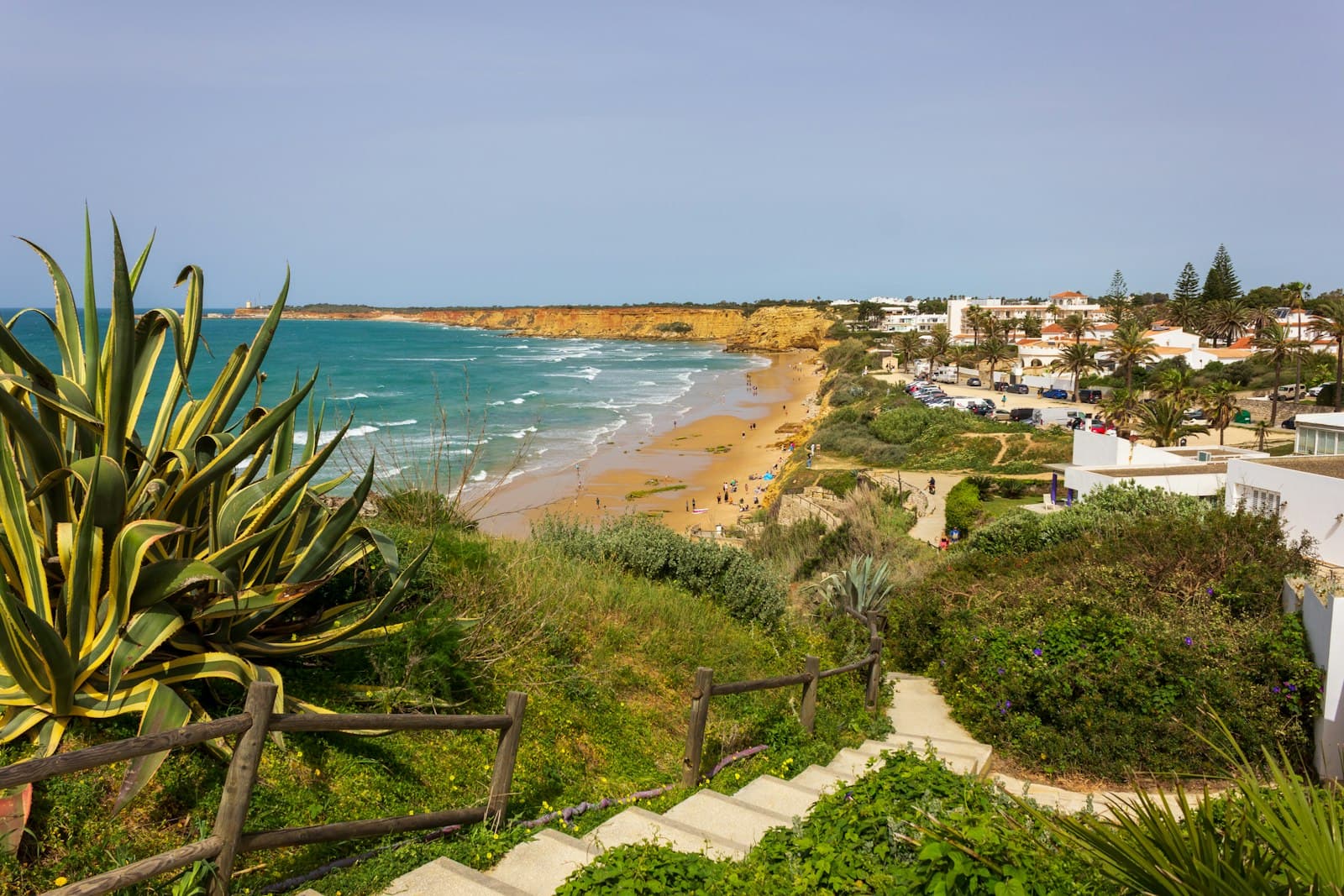
La ville est célèbre pour ses vastes étendues de plages de sable blanc fin et ses falaises spectaculaires, attirant les visiteurs en quête de détente et d'activités nautiques. Au-delà du littoral, la vieille ville de Conil est un labyrinthe de rues étroites et blanchies à la chaux, ornées de fleurs colorées, invitant à une exploration tranquille. C'est un endroit où le parfum des fruits de mer frais des restaurants locaux se mêle à la brise atlantique, créant une expérience sensorielle inoubliable.
Conil de la Frontera sert également de base excellente pour explorer la région plus large de l'Andalousie, avec des villes comme Cadix et le Rocher de Gibraltar à une journée de voyage. Que vous soyez attiré par la promesse de plages ensoleillées, un avant-goût de la cuisine espagnole traditionnelle, ou un voyage à travers des siècles d'histoire, Conil offre une expérience côtière espagnole captivante et authentique.
L'histoire de Conil de la Frontera remonte à l'Antiquité, avec des preuves de peuplement humain datant de l'âge de pierre. Les Phéniciens, vers 1500 av. J.-C., y ont établi une colonie de pêche, reconnaissant l'importance stratégique de sa côte atlantique. Les Romains ont suivi, intégrant Conil à la Via Augusta, une route majeure reliant l'Hispanie à Rome, et développant davantage son économie grâce à la pêche et à la salaison du thon. La ville a continué d'être un port important pendant les époques romaine et wisigothique.
Pendant la domination musulmane, qui a commencé avec l'arrivée de l'Islam en 711, Conil a trouvé la stabilité et s'est développée, avec son tracé urbain de rues étroites et de maisons blanchies à la chaux commençant à prendre forme. Le nom "Conil" est censé avoir des origines romaines, faisant peut-être référence à une personne ou à un type de lapin trouvé dans la région. Le moment clé de sa dénomination est survenu en 1265, lorsque les Chrétiens ont été victorieux lors de la Reconquista. Conil a alors reçu le suffixe "de la Frontera", signifiant son rôle de ville-frontière, une limite entre les territoires chrétiens et maures.
En 1299, le roi Ferdinand IV de Castille a accordé la ville à Alonso Pérez de Guzmán, connu sous le nom de Guzmán el Bueno, pour la repeupler et la renforcer. Pendant un temps, la ville a même été appelée Torre de Guzmán, d'après la tour défensive construite pour se protéger des attaques. Cette tour du XIVe siècle, symbole de la ville, faisait initialement partie d'un château et servait de tour de guet pour les filets de thon almadraba et de refuge contre les attaques maritimes. La ville s'est développée autour de cette fortification tout au long des XIVe et XVe siècles.
Conil est restée partie du domaine de la Maison de Medina Sidonia jusque tard au XIXe siècle, les Ducs de Medina Sidonia détenant le monopole de la pêche au thon. L'almadraba, une méthode traditionnelle de pêche au thon, a été le moteur économique du village pendant des siècles, façonnant sa culture et sa gastronomie. Même au XVIIIe siècle, les raids de pirates du Maghreb sont restés une menace, conduisant à la construction de nombreuses tours de guet le long du littoral, telles que Torre del Puerco et Torre de Castilnovo. Jusqu'au XXe siècle, la pêche et l'agriculture étaient les principales activités économiques, mais au cours des dernières décennies, Conil a connu un développement touristique important, stimulé par ses magnifiques plages.
Commencez votre exploration dans le charmant vieux quartier de Conil, un labyrinthe de rues étroites et blanchies à la chaux, souvent ornées de fleurs colorées. Ici, vous trouverez la Torre de Guzmán, une tour de guet du XIVe siècle qui faisait autrefois partie du château défensif de la ville. Montez au sommet pour des vues imprenables sur le littoral et les toits.
Découvrez l'Arco de la Villa, une porte datant de 1502, qui était l'une des quatre entrées principales de la ville fortifiée. À proximité, l'Iglesia de Santa Catalina, construite à l'origine au début du XVe siècle et transformée plus tard en centre culturel, présente une architecture gothique-mudéjare. Pour une immersion plus profonde dans le patrimoine local, visitez le Centre Culturel La Chanca, un complexe de traitement du thon du XVIe siècle restauré qui accueille désormais des expositions sur l'histoire maritime de Conil et la pêche traditionnelle du thon almadraba.
Conil est célèbre pour ses magnifiques plages le long de 14 kilomètres de côte. La Playa de los Bateles et la Playa de la Fontanilla sont des choix populaires, connues pour leur sable blanc fin et leurs eaux claires, idéales pour la baignade et les activités nautiques. Pour des options plus isolées, explorez les criques comme la Cala del Aceite ou la Playa Fuente del Gallo, souvent bordées de falaises. Une promenade le long du Paseo Marítimo de Conil de la Frontera offre des vues imprenables sur la Playa de los Bateles et une chance de profiter de l'ambiance côtière.
La meilleure période pour visiter Conil de la Frontera pour un temps chaud et ensoleillé et des activités de plage est de fin juin à début septembre. En juillet et août, les températures sont constamment entre 25 et 30 degrés Celsius, avec un minimum de pluie. Cependant, ce sont aussi les mois les plus fréquentés, la population de la ville quadruplant.
Pour ceux qui préfèrent moins de foule et des températures légèrement plus douces, septembre et octobre offrent un temps agréable avec des températures confortables et des plages plus calmes. Le printemps (mai et juin) offre également des conditions chaudes et ensoleillées avec moins d'humidité et de bonnes chances de soleil, ce qui en fait une excellente période pour visiter avant la haute saison estivale.
Conil de la Frontera est facilement accessible, située sur la côte de la province de Cadix, à environ 75 km de l'aéroport de Jerez de la Frontera. Les routes principales comme l'AP-4 et l'A-48 offrent de bonnes liaisons vers les villes voisines. Dans la ville, la marche est le meilleur moyen d'explorer le vieux quartier, et un parking est disponible en bord de mer.
Les options d'hébergement à Conil sont variées, allant des hôtels et appartements aux maisons rurales, répondant à différentes préférences et budgets. Il est conseillé de réserver à l'avance, surtout pendant la haute saison estivale. La ville offre de nombreux restaurants et chiringuitos (bars de plage) servant des fruits de mer frais, y compris la spécialité locale, le thon rouge almadraba, et d'autres classiques andalous. Conil possède également une vie nocturne animée, avec des bars et des clubs dans le quartier historique, en particulier autour de la Calle Cádiz, de la Calle Ancha et de la Calle José Tomás Borrego.
Conil de la Frontera en coréen, en chinois ou en hébreu — et dans 29 autres langues, chaque étape narrée par une voix native. La plus large gamme de langues de tous les audioguides autoguidés.
Disponible en :