El Campo de Batalla de Crécy
Los arqueros ingleses, aunque superados en número, lograron una victoria sorprendente. Sin embargo, su habilidad no fue la única sorpresa para Europa.
La historia completa se desbloquea en el tour
 Markus3 (Marc ROUSSEL) / CC BY-SA 3.0, via Wikimedia Commons
Tour de audio autoguiado de Crécy-en-Ponthieu — ruta GPS a pie, reproducción offline, narración en 32 idiomas.
“Donde los ecos de una batalla crucial se encuentran con la quietud de bosques milenarios.”
No las postales. Las historias que ni los locales conocen — al oído, justo donde ocurrieron.
Los arqueros ingleses, aunque superados en número, lograron una victoria sorprendente. Sin embargo, su habilidad no fue la única sorpresa para Europa.
Esta antigua cruz se alza en el corazón de Crécy-en-Ponthieu, sus orígenes velados por la tradición local.
Este extenso bosque, uno de los más grandes del norte de Francia, guarda más que solo árboles antiguos.
Descubre todos los secretos de Crécy-en-Ponthieu
Cada dirección, cada revelación al completo — a tu oído, justo donde ocurrió.
Eliges tus paradas. Caminas. La voz te revela lo que los demás ignoran.


Tu tour de audioguía por Crécy-en-Ponthieu te espera — elige tus lugares, tu idioma y empieza al llegar.
ComprarLume incluye una guía de realidad aumentada. Levanta el móvil y su cámara muestra la calle que tienes delante, con una flecha luminosa sobre la imagen real que siempre apunta a tu próxima parada — sin mapas que descifrar, sin giros equivocados. Como todo en Lume, funciona completamente sin conexión.
Crécy-en-Ponthieu, una pequeña comuna en el departamento de Somme, en el norte de Francia, es un lugar donde la historia resuena profundamente en un entorno natural sereno. Si bien su nombre es sinónimo de una de las batallas más significativas de la Guerra de los Cien Años, el pueblo ofrece más que solo un vistazo a un pasado crucial. Rodeado por el extenso Bosque de Crécy y atravesado por el suave río Maye, ofrece un escape tranquilo con una narrativa histórica convincente.
La identidad del pueblo está inextricablemente ligada a la Batalla de Crécy, librada el 26 de agosto de 1346, donde el ejército inglés, bajo el rey Eduardo III, obtuvo una victoria decisiva contra las fuerzas francesas del rey Felipe VI. Esta batalla no solo remodeló la guerra medieval con el uso prominente del arco largo inglés, sino que también dejó una marca indeleble en el paisaje cultural y físico de la región. Hoy en día, los visitantes pueden explorar el histórico campo de batalla y un centro de interpretación dedicado para comprender el profundo impacto de este choque medieval.
Más allá de su legado marcial, Crécy-en-Ponthieu invita a la exploración de su atractivo centro del pueblo, su iglesia gótica y la verde campiña circundante. La zona es una mezcla de intriga histórica y belleza natural, ofreciendo una perspectiva única sobre el patrimonio francés y el poder perdurable de sus paisajes.
La historia de Crécy-en-Ponthieu está dominada por la Batalla de Crécy, un evento fundamental de la Guerra de los Cien Años. El 26 de agosto de 1346, los campos que rodean esta tranquila comuna francesa se convirtieron en el escenario de una dramática confrontación entre los ejércitos inglés y francés. El rey Eduardo III de Inglaterra, con una fuerza más pequeña pero estratégicamente posicionada, se enfrentó al ejército considerablemente más grande del rey Felipe VI de Francia. Los ingleses habían atravesado el norte de Francia, dejando un rastro de destrucción, y habían adoptado una postura defensiva en una ladera cerca de Crécy-en-Ponthieu.
La batalla en sí fue un testimonio de innovación militar y destreza táctica. Los arqueros ingleses, capaces de disparar flechas con mayor velocidad y precisión que los ballesteros franceses, desempeñaron un papel crucial en la aniquilación de sucesivas oleadas de cargas de caballería francesa. Esto, combinado con los hombres de armas desmontados del ejército inglés y el uso estratégico de cañones primitivos, llevó a una aplastante derrota para los franceses. La batalla resultó en grandes bajas para los franceses, incluyendo a muchos de sus más altos nobles, y estableció el arco largo como un arma dominante en el campo de batalla de Europa Occidental durante siglos.
Si bien la Batalla de Crécy define gran parte de la narrativa histórica del pueblo, el pasado de Crécy-en-Ponthieu se remonta aún más. La antigua calzada romana, la Chaussée Brunehaut, que conectaba París y Amiens con Boulogne, pasaba a menos de dos millas del pueblo y todavía es visible y transitable hoy en día. Esta antigua ruta destaca la importancia de larga data de la región como zona de paso y asentamiento. El pueblo mismo tiene raíces que se remontan a la era merovingia, lo que sugiere una presencia humana continua durante más de un milenio.
En la historia más reciente, el área también desempeñó un papel en la Segunda Guerra Mundial, con un aeródromo ubicado justo al norte de Crécy-en-Ponthieu. El pueblo también experimentó un trágico evento el 3 de septiembre de 1944, cuando seis hombres locales, incluyendo gendarmes y civiles, fueron ejecutados por una columna alemana en retirada. Una estela y una placa conmemorativa marcan ahora este sombrío evento.
Hoy en día, Crécy-en-Ponthieu sigue siendo un lugar que valora su patrimonio, desde su arquitectura medieval, como la iglesia gótica de Saint-Séverin, hasta la perdurable belleza natural del Bosque de Crécy. El centro histórico del pueblo, con sus monumentos y rincones tranquilos, invita a la reflexión sobre las muchas capas de su pasado.
Comience su exploración en el Centro Histórico Crécy la Bataille, un centro de interpretación que ofrece un recorrido cronológico bilingüe de la Guerra de los Cien Años y la batalla crucial del 26 de agosto de 1346. Profundiza en el equipo de combate, el legado cultural del evento y la vida diaria en la Edad Media. Justo a las afueras del pueblo, el propio Campo de Batalla de Crécy ofrece un paisaje conmovedor para la reflexión, con varios monumentos que marcan ubicaciones clave, incluyendo el Monumento a Juan de Luxemburgo y la Torre "Eduardo III".
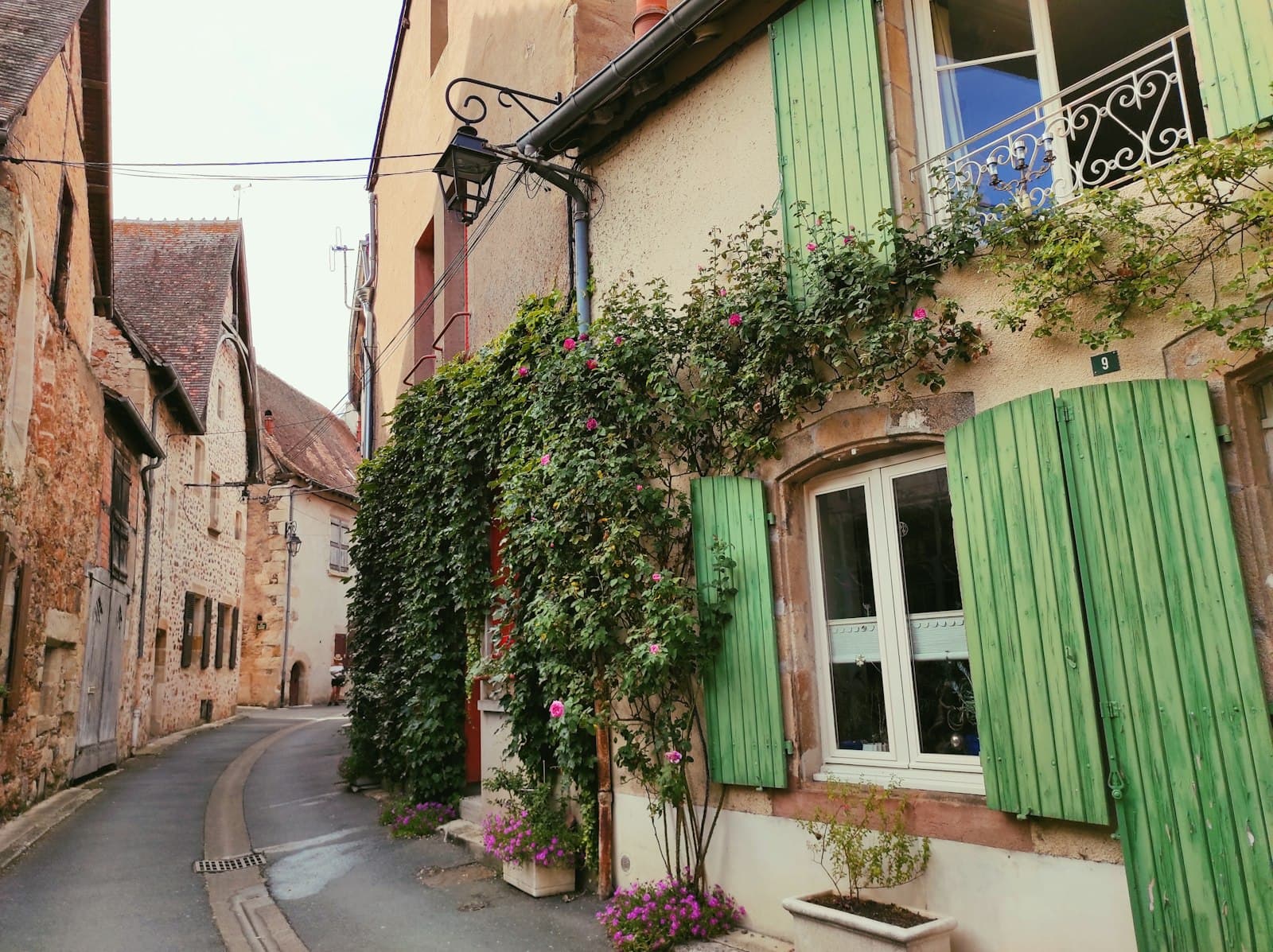
En el corazón del pueblo, busque la Cruz del Pueblo, un antiguo monumento con orígenes debatidos, que añade un toque de misterio local. No pase por alto la Iglesia de Saint-Séverin, una estructura gótica protegida como monumento histórico, que muestra el patrimonio arquitectónico del pueblo. Para aquellos interesados en la belleza natural, el extenso Bosque de Crécy comienza a solo dos kilómetros al suroeste del pueblo. Es uno de los bosques más grandes del norte de Francia, ofreciendo oportunidades para paseos tranquilos y para disfrutar de los diversos paisajes. Cerca, los Jardines de Valloires, una abadía cisterciense del siglo XVIII con jardines formales, ofrecen un hermoso desvío.
Crécy-en-Ponthieu es más agradable para visitar durante la primavera (abril a junio) y principios de otoño (septiembre a octubre). Durante estos meses, el clima es generalmente templado, ideal para explorar el campo de batalla, caminar por el Bosque de Crécy y disfrutar de la campiña circundante. El verano (julio y agosto) también es un buen momento, aunque puede ser más cálido y con más gente, especialmente alrededor del aniversario de la Batalla de Crécy.
Crécy-en-Ponthieu se encuentra en el departamento de Somme de la región de Hauts-de-France, aproximadamente a 159 kilómetros de París y 78 kilómetros de Calais. La mayoría de los visitantes que llegan de fuera de Francia optan por transbordadores a puertos cercanos como Dieppe o Boulogne, o utilizan el Eurotúnel a Calais, seguido de un viaje en coche. El centro del pueblo ofrece tiendas locales y artesanos, así como profesionales de la salud. La mairie (ayuntamiento) local proporciona información y servicios, con horarios de apertura específicos durante toda la semana. Aunque Crécy-en-Ponthieu es pequeño, los pueblos cercanos como Abbeville (a 17 km) ofrecen una gama más amplia de alojamientos, incluyendo hoteles y campings. Los mercados se celebran en pueblos cercanos como Rue (sábados) y Abbeville (jueves y sábados).
Crécy-en-Ponthieu en coreano, en chino o en hebreo — y 29 idiomas más, cada parada narrada por una voz nativa. La mayor variedad de idiomas de cualquier audioguía autoguiada.
Disponible en: