Ayuntamiento de Damme
Observa de cerca la esquina del Ayuntamiento de Damme y descubrirás dos intrigantes tallas de piedra.
La historia completa se desbloquea en el tour
 Miguel Discart & Kiri Karma (Photos Vrac) / cc by-sa 2.0, via Wikimedia Commons
Tour de audio autoguiado de Damme — ruta GPS a pie, reproducción offline, narración en 32 idiomas.
“Donde los ecos medievales se encuentran con canales tranquilos y susurros literarios.”
No las postales. Las historias que ni los locales conocen — al oído, justo donde ocurrieron.
Observa de cerca la esquina del Ayuntamiento de Damme y descubrirás dos intrigantes tallas de piedra.
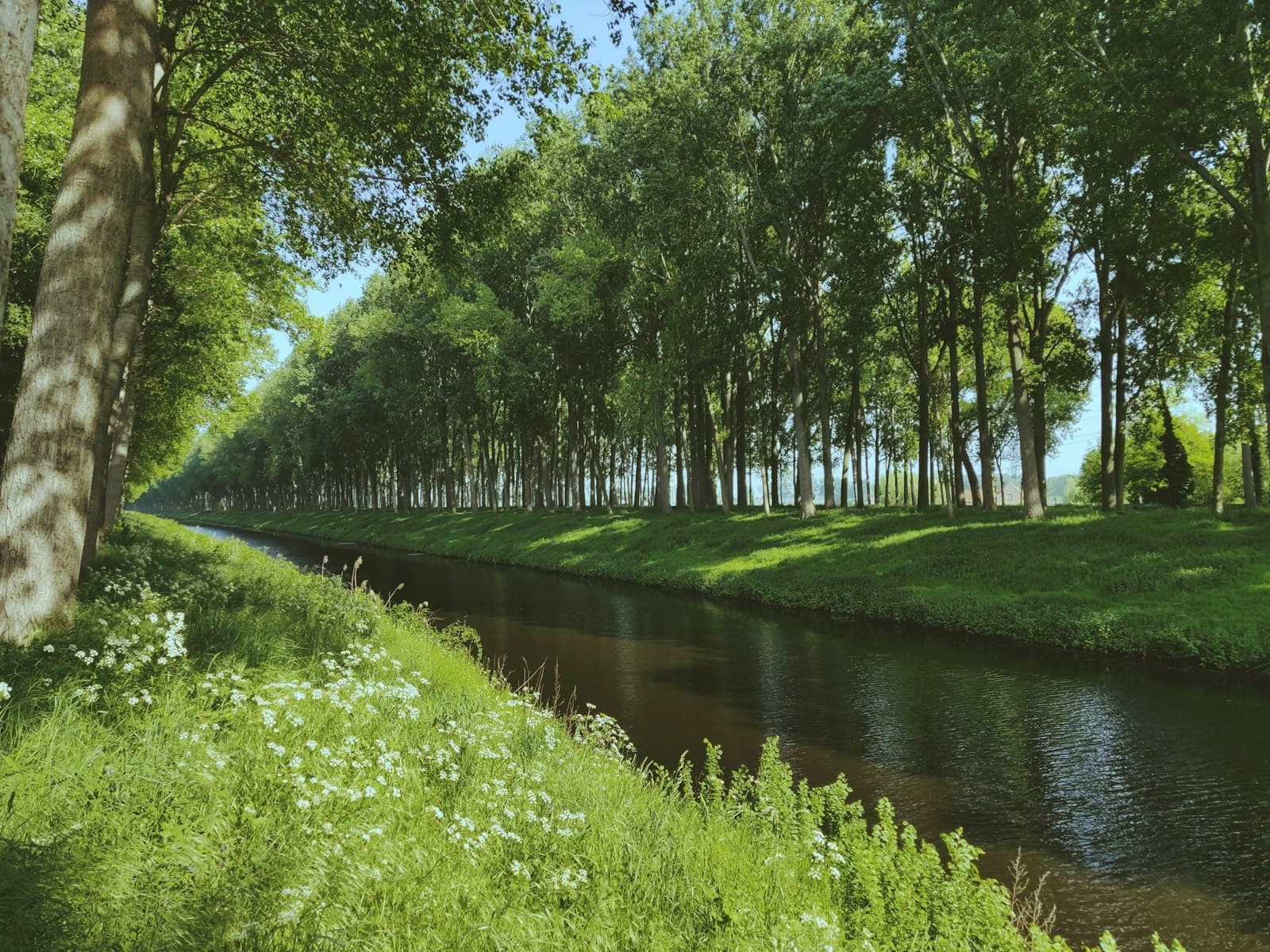
El sereno Canal de Damme, una ruta popular para ciclistas y navegantes hoy en día, tiene un origen sorprendentemente estratégico.
La llamativa torre de cima plana de la iglesia principal de Damme no es una elección estilística, sino un testimonio de la cambiante fortuna de la ciudad.
Descubre todos los secretos de Damme
Cada dirección, cada revelación al completo — a tu oído, justo donde ocurrió.
Eliges tus paradas. Caminas. La voz te revela lo que los demás ignoran.
Tu tour de audioguía por Damme te espera — elige tus lugares, tu idioma y empieza al llegar.
ComprarLume incluye una guía de realidad aumentada. Levanta el móvil y su cámara muestra la calle que tienes delante, con una flecha luminosa sobre la imagen real que siempre apunta a tu próxima parada — sin mapas que descifrar, sin giros equivocados. Como todo en Lume, funciona completamente sin conexión.
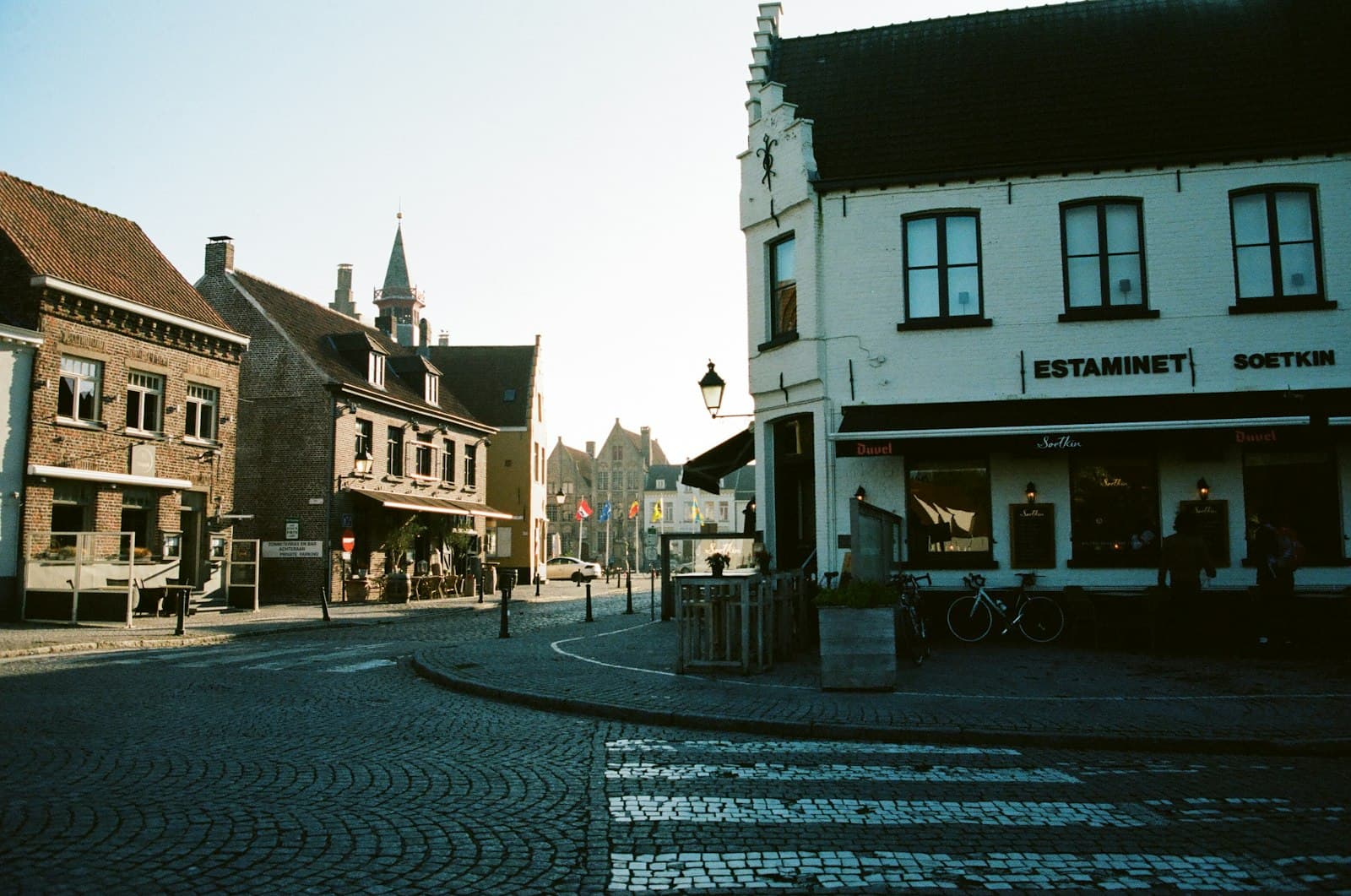
A pocos kilómetros al noreste de Brujas se encuentra Damme, un pueblo flamenco que ofrece un contraste pacífico con su bullicioso vecino. Conocido por sus tranquilos canales, sus atractivas calles y una fuerte herencia literaria, Damme se siente como un viaje en el tiempo. El compacto centro del pueblo está salpicado de cafés, librerías y monumentos históricos, lo que lo convierte en un destino ideal para una exploración tranquila.
El encanto de Damme reside en su cautivadora mezcla de historia, cultura y belleza natural. Antaño un puerto medieval vital, su importancia marítima disminuyó a medida que el río Zwin se fue llenando de sedimentos. Hoy en día, atrae a los visitantes con sus edificios restaurados, sus pintorescos paseos por el canal y una atmósfera serena. Los entusiastas de la literatura apreciarán la conexión de Damme con Jacob van Maerlant, un poeta y erudito medieval honrado con una estatua en el pueblo.
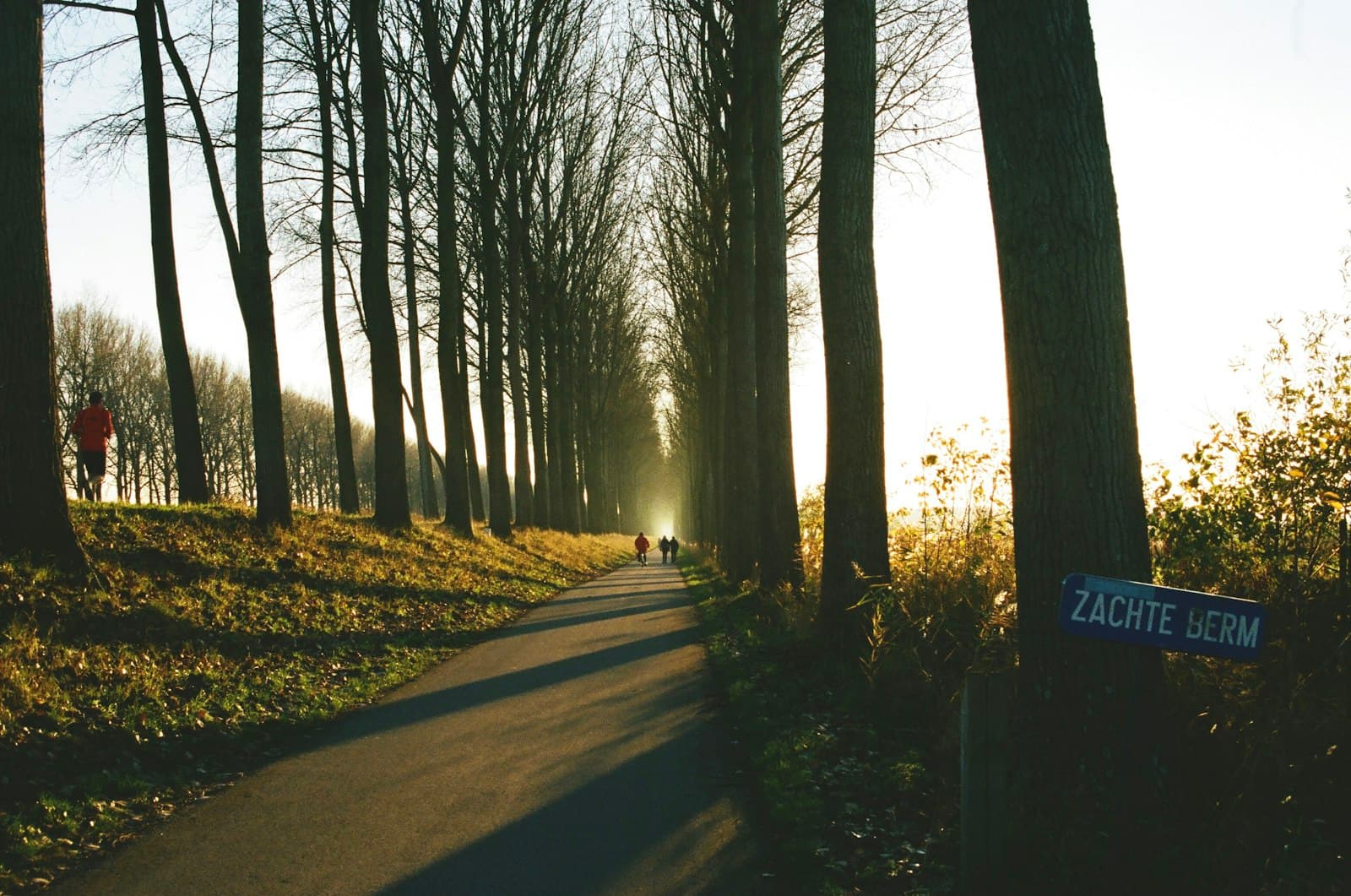
El paisaje verde circundante de pólderes convierte a Damme en un paraíso para ciclistas y caminantes, con el Canal de Damme bordeado de árboles que ofrece una ruta particularmente idílica. Ya sea que busques una tarde cultural, un tranquilo paseo por el campo o simplemente un lugar atractivo para almorzar, Damme ofrece una escapada memorable.
La historia de Damme comienza en el siglo XII, tras una poderosa marea de tormenta en 1134 que creó la ensenada del Zwin, proporcionando a Brujas una conexión directa crucial con el Mar del Norte. Un pueblo de pescadores surgió en el extremo de un dique transversal, y en 1180, Felipe de Alsacia, Conde de Flandes, reconoció sus ventajas marítimas estratégicas, otorgando a Damme derechos de ciudad. Brujas posteriormente excavó un canal hasta Damme, transformándolo en un dinámico puerto de transbordo. En su apogeo, Damme fue uno de los principales puertos de Europa, importando más de 300 tipos de mercancías y ostentando derechos de estiba para el vino de Burdeos e incluso el arenque de Suecia.
Sin embargo, la prosperidad de Damme no estuvo exenta de desafíos. En 1213, el rey francés Felipe Augusto quemó la ciudad hasta los cimientos, aunque pronto siguieron febriles esfuerzos de reconstrucción, incluyendo el inicio de la Iglesia de Nuestra Señora en 1225. A finales del siglo XIII, el canal del Zwin comenzó a llenarse de sedimentos, lo que marcó el declive del puerto de Damme. A pesar de esto, se construyó un nuevo Ayuntamiento entre 1464 y 1468, y en 1468, fue sede del matrimonio de dos poderosas figuras europeas: Carlos el Temerario de Borgoña y Margarita de York.
Los siglos XVI y XVII vieron a Damme convertirse en una ciudad fortificada durante la Guerra de los Ochenta Años, con sus defensas medievales reemplazadas por un distintivo sistema de murallas en forma de siete estrellas, aún visible hoy en día. El siglo XVIII trajo un mayor declive, lo que llevó a la demolición parcial de su gran iglesia. Una transformación significativa ocurrió en 1811 cuando Napoleón Bonaparte ordenó la excavación del Canal de Damme, un proyecto que literalmente dividió la ciudad por la mitad, destruyendo muchos edificios, incluido el Mercado de Granos. Después de la Segunda Guerra Mundial, Damme se transformó en un tranquilo pueblo agrícola, ganando reputación por su gastronomía. En 1997, fue reconocido como el primer pueblo del libro en Flandes, añadiendo otra capa a su identidad.
Comienza tu exploración en el Ayuntamiento de Damme (Stadhuis), una obra maestra gótica que data del siglo XV. Su fachada presenta seis estatuas en nichos que representan figuras importantes en la historia de la ciudad, incluyendo a Felipe de Alsacia y Carlos el Temerario. En el interior, puedes admirar elementos originales del siglo XV como la puerta de entrada de madera, una chimenea gótica y armas medievales. No olvides las dos 'piedras de la justicia' en la esquina derecha, una curiosa reliquia de la justicia medieval.
Luego, visita la Iglesia de Nuestra Señora (Onze-Lieve-Vrouw-Hemelvaartkerk), un edificio gótico del Escalda del siglo XIII con un pasado turbulento. Aunque gran parte de ella fue demolida en el siglo XVIII, el espléndido coro gótico tardío y las estatuas de apóstoles del siglo XIII permanecen. Sube los 206 escalones de su distintiva torre plana para disfrutar de vistas panorámicas de Damme y sus fortificaciones en forma de estrella.
El Canal de Damme (Damse Vaart), originalmente un proyecto napoleónico, es perfecto para un tranquilo paseo a pie o en bicicleta, conectando Damme con Brujas y la ciudad holandesa de Sluis. El canal está bordeado de álamos, algunos de los cuales datan de la época napoleónica. También puedes hacer un viaje en barco en el nostálgico vapor de paletas 'Lamme Goedzak' entre Damme y Brujas durante los meses más cálidos.
Finalmente, visita el Molino de Viento Schellemolen, un molino de piedra construido en 1867. Se encuentra junto al Damse Vaart y es uno de los molinos de viento más fotografiados de la región. Busca la veleta de la sirena, un guiño a una leyenda local.
Damme es un destino encantador durante todo el año, pero la mejor época para actividades de clima cálido y disfrutar del entorno natural es desde finales de junio hasta principios de septiembre. Durante estos meses de verano, el clima es cálido y soleado, y puedes disfrutar plenamente de actividades al aire libre como el ciclismo, paseos en barco por el canal y explorar las agradables terrazas en el centro del pueblo. La primavera (abril a mayo) y el otoño (septiembre a octubre) también ofrecen un clima agradable con temperaturas más suaves y menos multitudes.
Damme es de fácil acceso, especialmente desde Brujas. Está a solo 6 kilómetros de distancia, un pintoresco paseo en bicicleta de 25 minutos a lo largo del canal Damse Vaart. Hay alquiler de bicicletas disponible en Brujas. Alternativamente, un barco turístico, el 'Lamme Goedzak', opera entre Brujas y Damme de abril a septiembre, ofreciendo un viaje relajante. Si viajas en coche, Damme tiene opciones de aparcamiento gratuito en las afueras del pueblo. Para el transporte público, toma un tren a Brujas y luego un autobús local a Damme. El centro del pueblo es compacto y se explora mejor a pie o en bicicleta. Damme también es conocido por su oferta culinaria, con varios restaurantes que sirven sabores locales, incluyendo una opción con estrella Michelin.
Damme en coreano, en chino o en hebreo — y 29 idiomas más, cada parada narrada por una voz nativa. La mayor variedad de idiomas de cualquier audioguía autoguiada.
Disponible en: