Roxas Night Market
Die Taxifahrer von Davao sind für ihre Ehrlichkeit bekannt, ein Ruf, der sich auf den Nachtmarkt erstreckt.
Die ganze Geschichte wird in der Tour freigeschaltet
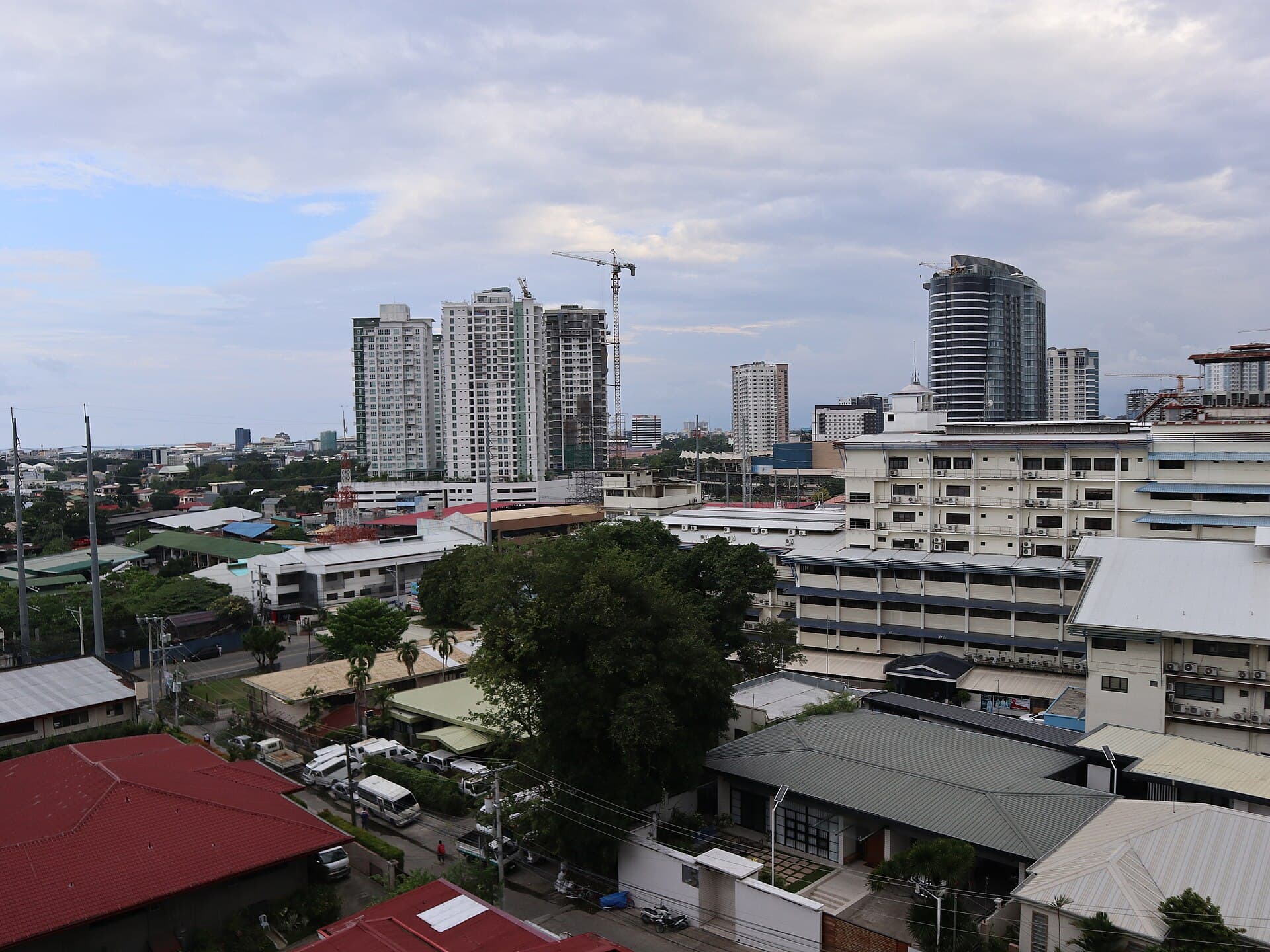 Patrickroque01 / CC BY-SA 4.0, via Wikimedia Commons
Selbstgeführte Audio-Walking-Tour durch Davao — GPS-Route, Offline-Wiedergabe, erzählerische Narration in 32 Sprachen.
“Wo Stadtleben auf wilde Natur trifft und die Durian regiert.”
Nicht die Postkarten. Die Geschichten, die selbst Einheimische nicht kennen – dir ins Ohr geflüstert, genau dort, wo sie geschahen.
Die Taxifahrer von Davao sind für ihre Ehrlichkeit bekannt, ein Ruf, der sich auf den Nachtmarkt erstreckt.
Neben der Durian gedeiht in Davao ein weiteres einzigartiges Agrarprodukt, das zu einem unerwarteten kulinarischen Genuss beiträgt.
Die älteste Straße der Stadt birgt einen Hinweis auf die Gründung von Davao, der mit einem religiösen Feiertag verbunden ist.
Entdecke jedes Geheimnis von Davao
Jede Adresse, jede Enthüllung vollständig – in deinem Ohr, genau dort, wo es geschah.
Du wählst deine Stationen. Du gehst. Die Stimme enthüllt, was andere übersehen.
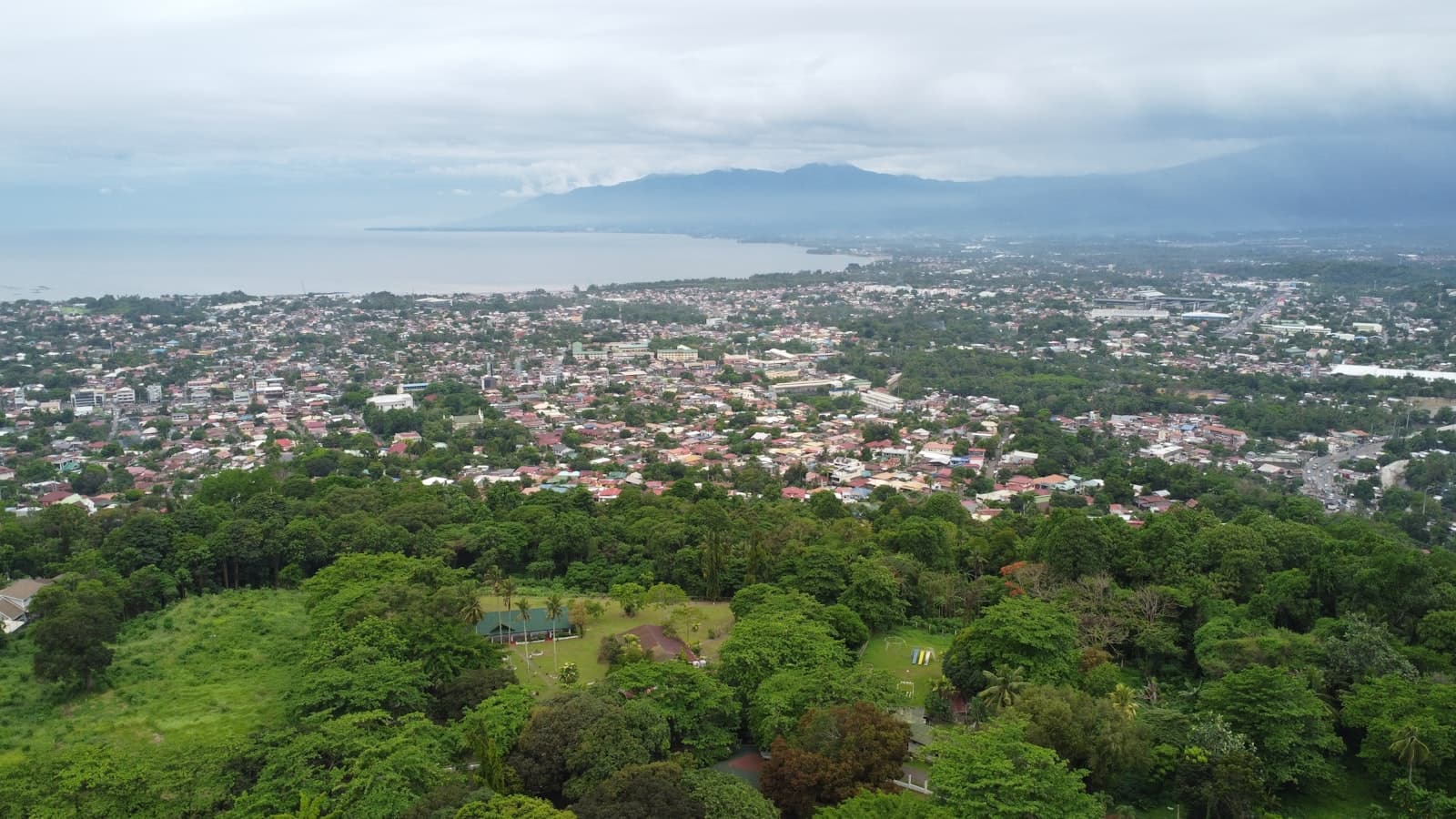
Deine selbstgeführte Audio-Tour durch Davao ist bereit – wähle deine Sehenswürdigkeiten, deine Sprache und starte, sobald du ankommst.
KaufenLume enthält einen integrierten Augmented-Reality-Guide. Halten Sie Ihr Handy hoch: Die Kamera zeigt die Straße vor Ihnen, mit einem leuchtenden Pfeil über dem echten Bild, der immer auf Ihren nächsten Stopp zeigt — keine Karte zum Rätseln, keine falschen Abzweigungen. Wie alles bei Lume funktioniert es komplett offline.
Davao City, oft als "Königsstadt des Südens" und "Kronjuwel Mindanaos" bezeichnet, ist eine dynamische Metropole, die städtische Entwicklung nahtlos mit Naturwundern verbindet. Als größte Stadt Mindanaos und eine der bevölkerungsreichsten auf den Philippinen ist sie ein wichtiges Zentrum für Handel, Tourismus und Landwirtschaft. Die Stadt wird für ihre einzigartige Kombination aus Naturlandschaften, vom hoch aufragenden Mount Apo bis zu unberührten Stränden, und ihr Engagement für öffentliche Sicherheit und Umweltinitiativen gefeiert.
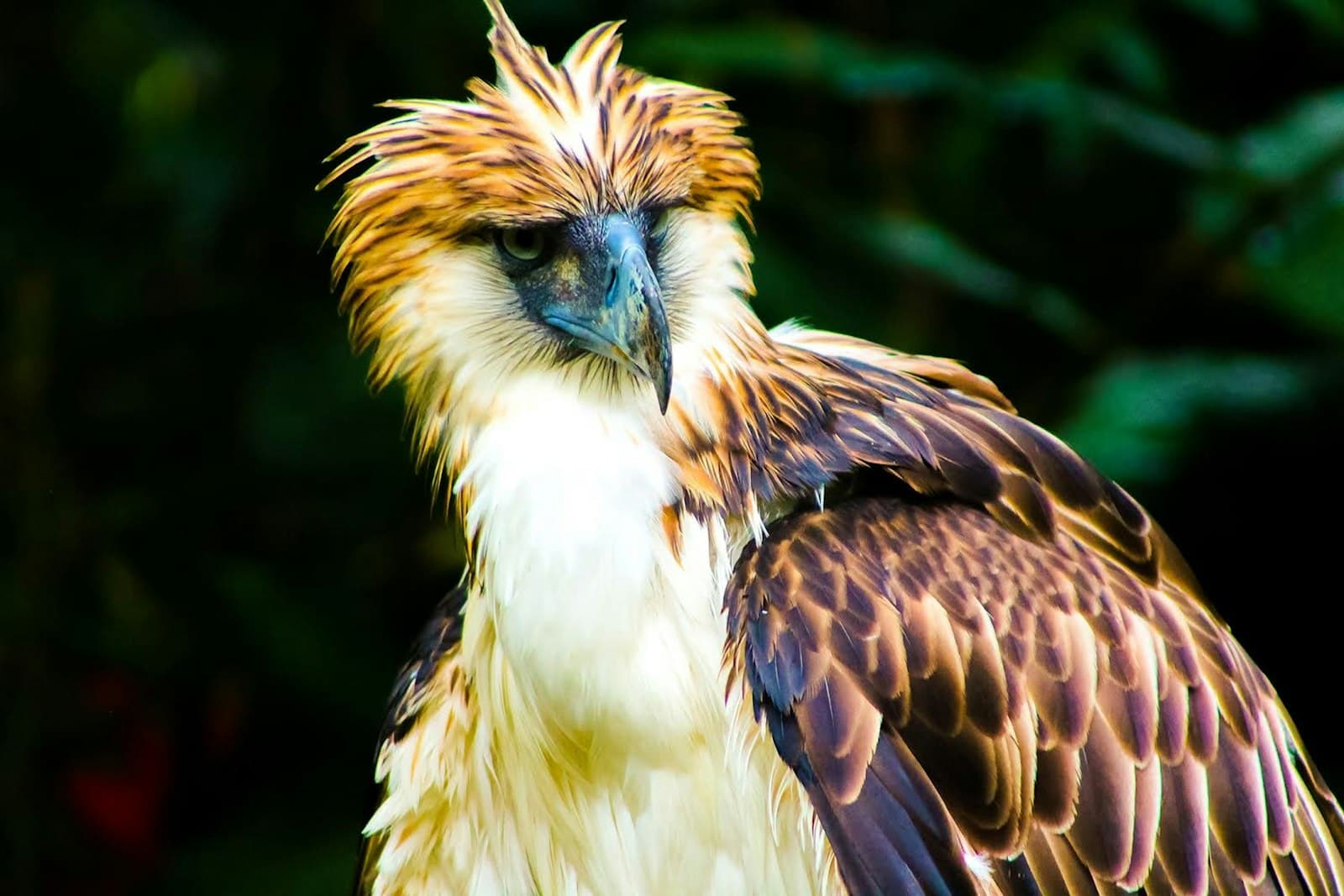
Über ihren Ruf für Ordnung und Sauberkeit hinaus bietet Davao eine reiche Vielfalt an kulturellen Erfahrungen, beeinflusst von ihren vielfältigen indigenen, muslimischen und christlichen Gemeinschaften. Es ist ein Ort, an dem Sie lebhafte Märkte erkunden, einzigartige Wildtiere wie den Philippinenadler beobachten und unverwechselbare lokale Geschmäcker genießen können, insbesondere die polarisierende Durianfrucht. Duba's Mischung aus Abenteuer, Kultur und städtischem Komfort macht es zu einem überzeugenden Reiseziel für Reisende, die ein facettenreiches philippinisches Erlebnis suchen.
Die Ursprünge von Davao City liegen in seinen indigenen Gemeinschaften, wobei der Name "Davao" selbst aus der phonetischen Verschmelzung der Namen dreier Bagobo-Untergruppen für den Davao River stammt: Davah (Obos), Dawaw (Clatta/Giangan) und Dabo (Tagabawas). Der Begriff der Obos, "Davah", bedeutete auch "ein Ort jenseits der Höhen", bezogen auf Siedlungen an der Flussmündung, die von sanften Hügeln umgeben waren.
Die moderne Geschichte von Davao begann 1848, als der spanische Konquistador Don José Oyanguren eine Siedlung auf bestehenden einheimischen Gemeinschaften gründete und sie zunächst Nueva Vergara nannte. Trotz des Widerstands indigener Gruppen und Moro-Krieger etablierten die Spanier allmählich die Kontrolle, verbreiteten den Katholizismus und organisierten Städte. Bis zum späten 19. Jahrhundert war Davao zu einem landwirtschaftlichen Zentrum geworden, das Pflanzen wie Abaca (Manilahampf) exportierte.
Nach dem Spanisch-Amerikanischen Krieg 1898 geriet Davao unter amerikanischen Einfluss. Amerikanische Plantagenbesitzer führten moderne landwirtschaftliche Methoden ein, und japanische Einwanderer kamen in großer Zahl an und gründeten florierende Abaca-Plantagen, was dazu führte, dass Davao den Spitznamen "Little Tokyo" erhielt. Diese Zeit sah ein bedeutendes Wirtschaftswachstum und eine bedeutende Infrastrukturentwicklung. Der schnell zunehmende Fortschritt veranlasste den Kongressabgeordneten Romualdo Quimpo, den Gesetzentwurf 609 (Commonwealth Act 51) einzureichen, der die Stadt Davao aus der Stadt Davao und dem städtischen Bezirk Guianga schuf. Davao wurde am 16. Oktober 1936 von Präsident Manuel L. Quezon als Charta-Stadt eingeweiht, wobei die Charta am 1. März 1937 in Kraft trat.
Während des Zweiten Weltkriegs besetzten japanische Streitkräfte Davao von Dezember 1941 bis 1945 und befestigten es als Bastion der japanischen Verteidigung. Die Stadt erlebte umfangreiche Bombardierungen, bevor amerikanische Befreiungskräfte eintrafen. Nach dem Krieg erlangte Davao seinen Status als landwirtschaftliches und wirtschaftliches Zentrum Mindanaos zurück und exportierte Holzprodukte, Kopra und Bananen. Das Nachkriegswachstum setzte sich in den 1950er und Mitte der 1960er Jahre friedlich fort. 1967 wurde die Provinz Davao in Davao del Norte, Davao del Sur und Davao Oriental aufgeteilt, wobei Davao City von diesen Provinzen unabhängig wurde. Heute entwickelt sich Davao City weiter zu einer modernen Metropole, die für ihren landwirtschaftlichen Reichtum, ihren Tourismus und ihre Infrastruktur bekannt ist.
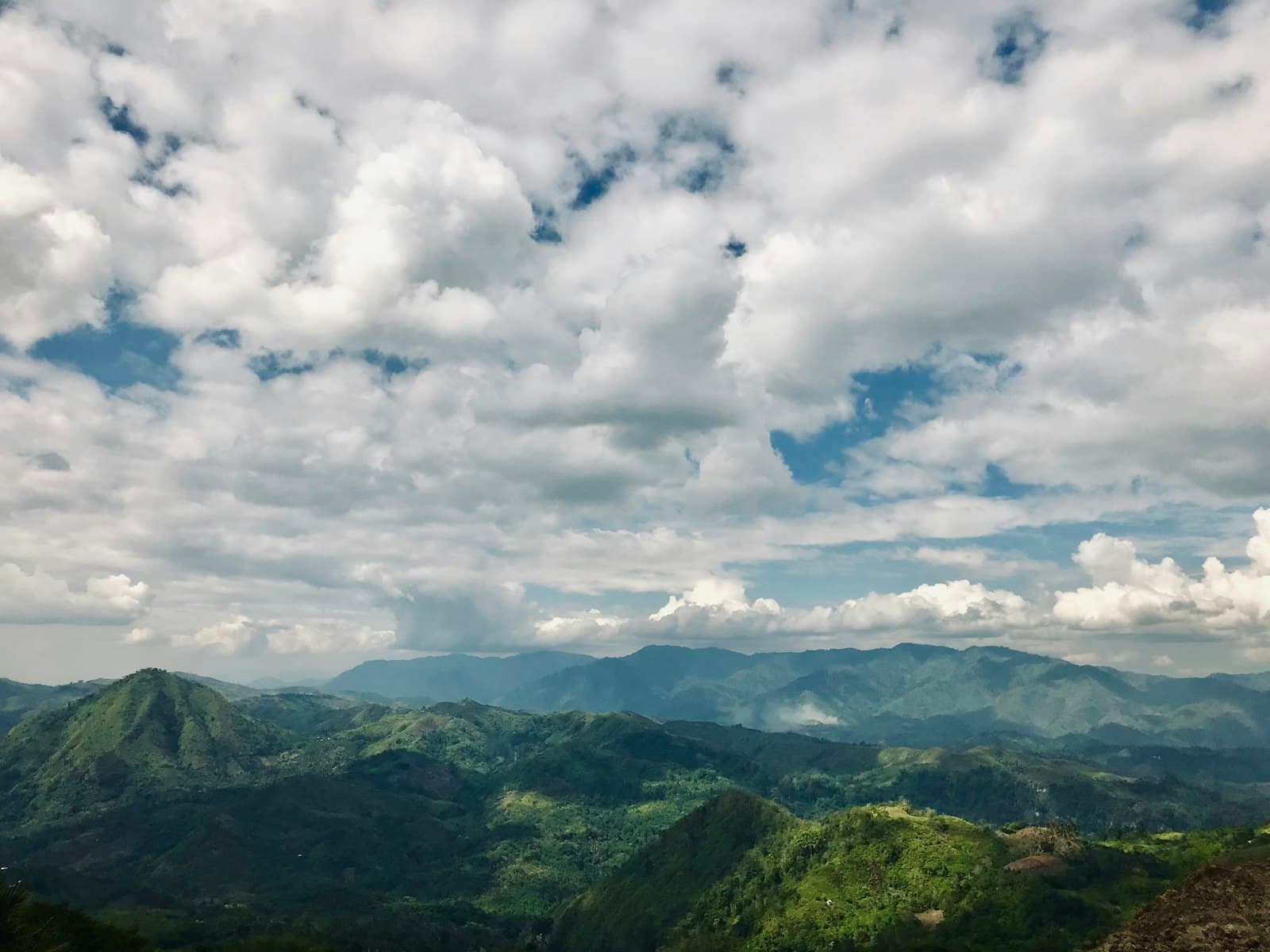
Davao City bietet eine vielfältige Palette an Attraktionen, die Naturschönheit mit kulturellen Einblicken verbinden. Ein Besuch des Philippine Eagle Center ist unerlässlich, um den majestätischen Nationalvogel zu sehen und mehr über die Schutzbemühungen für diese stark gefährdete Art zu erfahren. Für Naturliebhaber bietet der Mount Apo, der höchste Gipfel der Philippinen, Möglichkeiten zum Wandern und weite Ausblicke. Alternativ führt eine kurze Bootsfahrt zur Samal Island, bekannt für ihre weißen Sandstrände und ihr klares Wasser, ideal zum Entspannen und Erkunden der Insel.
Innerhalb der Stadt bietet der People's Park eine erfrischende Grünfläche mit Skulpturen, künstlichen Wasserfällen und durianförmigen Kuppeln, perfekt für einen gemütlichen Spaziergang. Der Roxas Night Market erwacht abends mit Streetfood und verschiedenen Waren zum Leben. Um in die Vergangenheit der Stadt und die indigenen Kulturen einzutauchen, präsentiert das Museo Dabawenyo gut kuratierte Ausstellungen. Für ein einzigartiges kulinarisches Erlebnis erkunden Sie den Bankerohan Public Market nach frischem Obst, Meeresfrüchten und der berühmten Durian.
Weitere bemerkenswerte Sehenswürdigkeiten sind der Davao Crocodile Park, der ein modernes Krokodilfarm-System und andere exotische Tiere zeigt, sowie der Eden Nature Park & Resort, der verschiedene Freizeitaktivitäten und aufgrund seiner erhöhten Lage ein kühleres Klima bietet.
Davao City erlebt ein tropisches Klima mit zwei Hauptjahreszeiten: trocken und nass. Die ideale Zeit für Outdoor-Aktivitäten und angenehmes Wetter ist während der Trockenzeit von Dezember bis Mai. In diesen Monaten ist der Niederschlag minimal, was sonnige Tage für die Erkundung von Naturparks, Inselausflügen und Stadttouren bietet. Wenn Sie das lebhafte Kadayawan Festival erleben möchten, planen Sie Ihre Reise für die dritte Augustwoche. Für Durian-Liebhaber läuft die Fruchtsaison typischerweise von Juli bis Oktober und bietet eine Fülle von frischer Durian.
Davao City ist über den Davao International Airport (DVO) erreichbar, mit Direktflügen von großen philippinischen Städten und einigen internationalen Routen, einschließlich Singapur. Taxis sind ein zuverlässiges und ehrliches Transportmittel innerhalb der Stadt, bekannt für die Nutzung von Taxametern und die Herausgabe von korrektem Wechselgeld. Jeepneys bieten eine abenteuerlichere und preisgünstigere Möglichkeit, sich fortzubewegen, während Busse hauptsächlich große Nord-Süd-Routen bedienen.
Philippine Peso (PHP) ist die akzeptierte Währung, mit Geldautomaten und Wechselstuben, die im Stadtzentrum von Davao leicht erhältlich sind. Es ist ratsam, Bargeld mit sich zu führen, insbesondere beim Besuch kleinerer Geschäfte oder auf Samal Island. Angesichts des tropischen Klimas wird leichte, atmungsaktive Kleidung wie Baumwolle oder Leinen empfohlen. Ein Regenschirm oder eine leichte Regenjacke ist ebenfalls nützlich für unerwartete Nachmittagsschauer. Davao gilt als eine der sichersten Städte der Philippinen, aber Standard-Vorsichtsmaßnahmen werden immer empfohlen. Die Buchung von Unterkünften und Flügen im Voraus wird empfohlen, insbesondere während der Hauptsaison oder Festivals.
Davao — Koreanisch, Chinesisch, Hebräisch und 29 weitere Sprachen, jede Station von einer muttersprachlichen Stimme erzählt. Die größte Sprachauswahl aller selbstgeführten Audiotouren.
Verfügbar auf: