Puerto Militar de Đông Hà
Un centro de suministro crucial durante la Guerra Americana, este puerto abasteció secretamente a ambos bandos del conflicto en diferentes momentos.
La historia completa se desbloquea en el tour
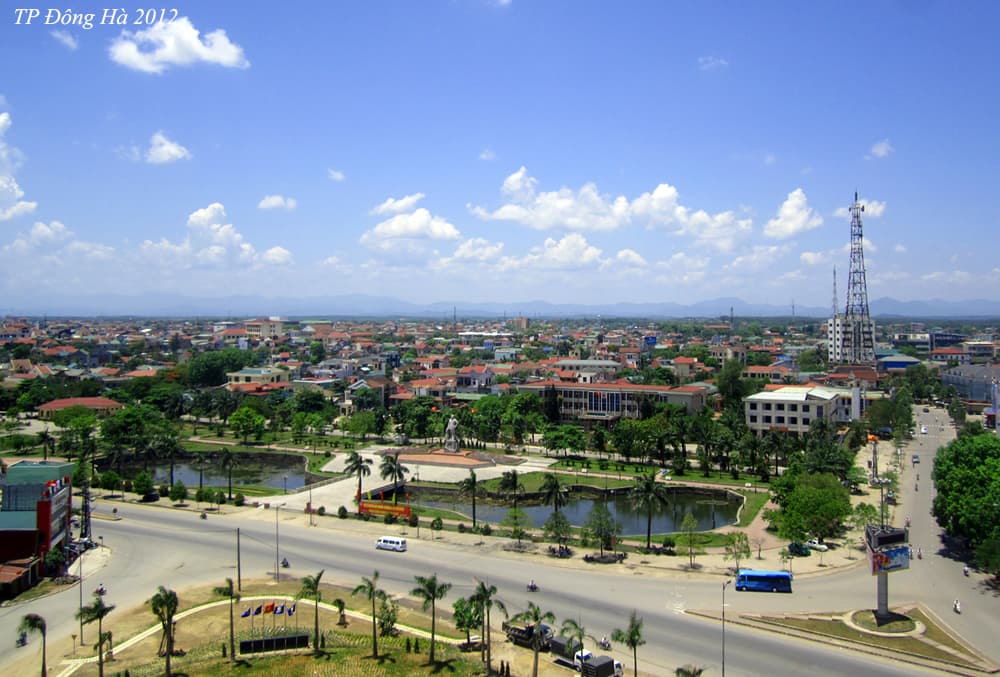 Dongson.vmvn (thảo luận) / cc by-sa 3.0, via Wikimedia Commons
Tour de audio autoguiado de Đông Hà — ruta GPS a pie, reproducción offline, narración en 32 idiomas.
“Donde el pasado resuena no en ruinas, sino en resiliencia.”
No las postales. Las historias que ni los locales conocen — al oído, justo donde ocurrieron.
Un centro de suministro crucial durante la Guerra Americana, este puerto abasteció secretamente a ambos bandos del conflicto en diferentes momentos.
Bajo tierra, un pueblo entero vivió y prosperó, intacto por el implacable bombardeo de la superficie.
La hermosa fachada de este museo esconde un sorprendente y sobrio secreto sobre sus materiales de construcción.
Descubre todos los secretos de Đông Hà
Cada dirección, cada revelación al completo — a tu oído, justo donde ocurrió.
Eliges tus paradas. Caminas. La voz te revela lo que los demás ignoran.


Tu tour de audioguía por Đông Hà te espera — elige tus lugares, tu idioma y empieza al llegar.
ComprarĐông Hà, la capital de la provincia de Quảng Trị en la región de la Costa Central del Norte de Vietnam, es una ciudad que ha resurgido de las cenizas. Una vez la ciudad más al norte de Vietnam del Sur y una base de combate estratégicamente vital del Cuerpo de Marines de EE. UU. durante la Guerra de Vietnam, Đông Hà fue casi completamente arrasada por intensos combates y bombardeos. Hoy, se erige como un testimonio de la resiliencia vietnamita, un bullicioso centro reconstruido décadas después del conflicto.
Aunque no es un destino turístico típico con templos antiguos o playas pintorescas, Đông Hà sirve como una puerta de entrada crucial para aquellos que buscan comprender la profunda historia de la Zona Desmilitarizada (DMZ). Su encanto laborioso, sus animados mercados y sus restaurantes junto al río ofrecen una visión auténtica de la vida vietnamita contemporánea, lejos de los senderos turísticos más pulidos. Es un lugar donde los ecos del pasado se sienten intensamente, pero el espíritu de progreso está innegablemente presente.
## De Champa a Base de Combate La historia de Đông Hà se remonta a siglos, mucho antes de los conflictos modernos que la definieron. La ciudad fue inicialmente parte del antiguo Reino de Champa, un poderoso reino marítimo que floreció en gran parte del centro y sur de Vietnam desde el siglo II d.C. Durante un período, cayó bajo el control del Imperio Qin chino, pero el pueblo Cham se rebeló en el siglo II d.C., recuperando su autonomía. A lo largo de los siglos XIV y XV, los vietnamitas étnicos se integraron gradualmente con los habitantes Cham, dando forma al tapiz cultural de la región.
## El Crisol de la Guerra El siglo XX puso a Đông Hà a la vanguardia de un conflicto devastador. Durante la Guerra de Vietnam, se convirtió en la ciudad más al norte de Vietnam del Sur y en una base de combate estratégicamente crítica del Cuerpo de Marines de los Estados Unidos en Đông Hà, establecida para apoyar las posiciones de los Marines a lo largo de la Zona Desmilitarizada (DMZ) vietnamita. Su ubicación en la intersección de las Carreteras 1 y 9 la convirtió en un importante centro de transporte y un objetivo constante.
## La Ofensiva de Pascua y sus Consecuencias En 1972, Đông Hà fue escenario de una feroz batalla durante la Ofensiva de Pascua, una importante campaña militar de Vietnam del Norte. La ciudad fue capturada por el ejército norvietnamita el 28 de abril de 1972, y nunca fue recuperada por los vietnamitas del sur. Este período de intensos combates y bombardeos dejó gran parte de la ciudad en ruinas, sin que quedara casi nada de la ciudad anterior a la guerra.
## Reconstrucción y Recuerdo En las décadas posteriores a la guerra, Đông Hà experimentó una extensa reconstrucción. Hoy, funciona como una ciudad provincial y un centro importante dentro del Corredor Económico Este-Oeste de Vietnam. El enfoque de la ciudad se ha desplazado hacia el desarrollo económico y el servicio como base para explorar los sitios históricos de la DMZ. También se están realizando esfuerzos para restaurar y conservar importantes reliquias de guerra, como el Puerto Militar de Đông Hà, transformándolos en sitios educativos y turísticos que honran la lucha revolucionaria de la nación.
Las atracciones de Đông Hà giran en gran medida en torno a su papel fundamental en la Guerra de Vietnam, ofreciendo un viaje sombrío pero esencial a través de la historia. El Centro de Visitantes de Acción contra las Minas ofrece una mirada conmovedora al impacto duradero de los artefactos explosivos sin detonar, con exhibiciones que presentan bombas desactivadas y fotografías impactantes. Justo a las afueras de la ciudad, los Túneles de Vinh Moc ofrecen una visión notable de la vida civil subterránea durante los intensos bombardeos, un marcado contraste con los Túneles de Cu Chi.
Una visita a la Ciudadela de Quảng Trị es esencial para aquellos que buscan comprender el inmenso costo humano de la batalla de 81 días que tuvo lugar allí. Aunque gran parte de Đông Hà fue destruida, la resiliencia de la ciudad es evidente en su vida cotidiana. Explore el Mercado de la Calle Tran Hung Dao para una animada experiencia del comercio local y una inesperada variedad de productos de toda la región. Para una comprensión más profunda de la historia de la provincia y las minorías étnicas, el Museo de la Provincia de Quảng Trị ofrece información detallada.
La mejor época para visitar Đông Hà, y Vietnam Central en general, es durante la estación seca, que abarca de febrero a agosto. Durante estos meses, puede esperar cielos despejados, temperaturas cálidas y menos lluvia, lo que lo hace ideal para explorar los sitios históricos al aire libre como la DMZ. Aunque julio y agosto pueden ser bastante calurosos, a menudo alcanzando máximas de 35°C, las condiciones secas son favorables. La estación húmeda, de septiembre a diciembre, trae lluvias frecuentes y el riesgo de tifones, lo que puede dificultar los recorridos.
Đông Hà está bien conectada por carretera y ferrocarril, sirviendo como un importante centro de transporte. Se puede llegar a la ciudad en tren desde Hanoi o Ciudad Ho Chi Minh, aunque solo los trenes locales (lentos) paran en la estación de Đông Hà. El aeropuerto más cercano está en Huế, a unos 83 km al sur, desde donde se puede tomar un autobús o un taxi hasta Đông Hà.
Moverse por Đông Hà es más fácil en mototaxi, que son abundantes y asequibles. Aunque hay alquiler de coches disponibles, caminar puede ser poco práctico debido a las carreteras largas y polvorientas. Muchos visitantes optan por excursiones organizadas a la DMZ, que a menudo incluyen recogida en el hotel y transporte a los diversos sitios. El efectivo (Dong vietnamita) es el rey, especialmente en mercados y establecimientos más pequeños, así que asegúrese de tener suficiente a mano. La propina no es obligatoria, pero se agradece mucho por un buen servicio.
Đông Hà en coreano, en chino o en hebreo — y 29 idiomas más, cada parada narrada por una voz nativa. La mayor variedad de idiomas de cualquier audioguía autoguiada.
Disponible en: