Centre-ville de Driggs
Avant de devenir un pôle pour les amateurs de plein air, cette vallée cultivait une identité agricole surprenante.
L'histoire complète se débloque dans le tour
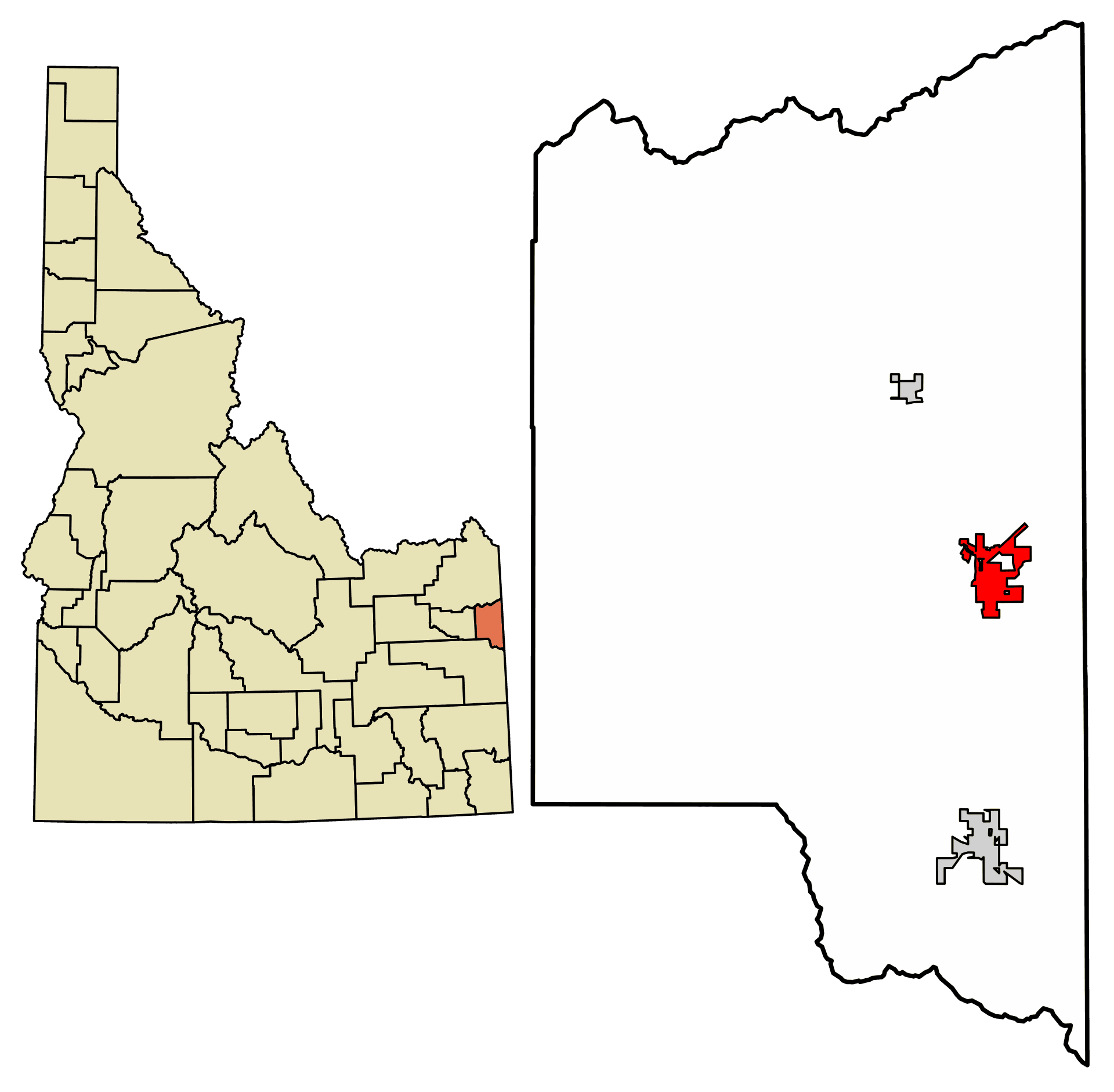 DemocraticLuntz / CC BY-SA 4.0, via Wikimedia Commons
Visite audio autoguidée de Driggs — parcours GPS à pied, lecture hors ligne, narration en 32 langues.
“Là où les Tetons rencontrent les grands espaces et l'esprit pionnier de l'Idaho prospère.”
Pas les cartes postales. Les histoires que même les habitants ignorent — soufflées à l'oreille, là où elles se sont passées.
Avant de devenir un pôle pour les amateurs de plein air, cette vallée cultivait une identité agricole surprenante.
Ce modeste aéroport a un lien surprenant avec des prouesses aériennes audacieuses.
La sereine rivière Teton qui traverse Driggs porte un passé dramatique, incluant la rupture catastrophique d'un barrage.
Découvrez tous les secrets de Driggs
Chaque adresse, chaque révélation en entier — dans ton oreille, là où elle s'est passée.
Tu choisis tes lieux. Tu marches. La voix te révèle ce que les autres ignorent.


Votre visite audioguidée de Driggs vous attend — choisissez vos lieux, votre langue, et lancez-vous dès votre arrivée.
AcheterDriggs, Idaho, est une ville de haute altitude dans la vallée de Teton, encadrée par les pentes occidentales de la chaîne Teton. Elle offre une alternative plus calme et détendue à ses voisins animés du Wyoming, Jackson Hole et le parc national de Grand Teton. La ville elle-même, avec sa Main Street discrète, sert de porte d'entrée à des aventures en plein air toute l'année, du ski de renommée mondiale au Grand Targhee Resort à la pêche à la mouche sur la rivière Teton.
La vie à Driggs se déroule à un rythme dicté par les saisons et les montagnes. Ici, l'air est vif, le ciel nocturne est suffisamment sombre pour l'observation des étoiles, et les vues sur le Grand Teton sont souvent plus claires que du côté est. C'est un endroit où les racines agricoles rencontrent une appréciation croissante de la nature sauvage, créant un mélange distinctif de caractère frontalier et de culture de loisirs en plein air.
L'histoire de Driggs est profondément liée au récit plus large de l'Ouest américain et de la vallée de Teton. La région était à l'origine habitée par diverses tribus amérindiennes, notamment les Shoshone, les Bannock et les Crow, qui utilisaient la vallée pour la chasse et la cueillette. La colonisation européenne-américaine a commencé sérieusement à la fin du XIXe siècle, motivée par la promesse de terres fertiles pour l'agriculture et l'élevage.
La ville de Driggs elle-même a été officiellement établie en 1909 et nommée d'après Benjamin Driggs, un des premiers colons et une figure importante de la communauté. L'arrivée du chemin de fer en 1912 a été un moment charnière, transformant Driggs en un centre agricole vital. Les pommes de terre, en particulier, ont prospéré dans le sol riche de la vallée, ce qui a valu à la région le surnom d'« Empire de la pomme de terre ». Cette prospérité agricole a jeté les bases de la croissance et du développement précoces de la ville.
Tout au long du XXe siècle, Driggs a maintenu son identité agricole tout en évoluant progressivement. Les environs naturels saisissants, en particulier la proximité de la chaîne Teton, ont commencé à attirer un autre type de pionnier : les amateurs de plein air. Le ski, la pêche et la randonnée sont devenus de plus en plus populaires, conduisant au développement du Grand Targhee Resort dans les années 1960. Cela a marqué un changement significatif, diversifiant l'économie de Driggs et introduisant une nouvelle ère de tourisme et de loisirs.
Aujourd'hui, Driggs équilibre son héritage de communauté agricole avec sa réputation de destination d'aventure en plein air. Des efforts sont faits pour préserver son caractère de petite ville tout en accueillant l'afflux de visiteurs et de nouveaux résidents attirés par sa beauté naturelle et son mode de vie. Le musée historique du comté de Teton joue un rôle crucial dans la sauvegarde et le partage des histoires de ceux qui ont façonné ce coin unique de l'Idaho.
Commencez votre exploration au Musée historique du comté de Teton, installé dans l'ancien dépôt ferroviaire de Driggs. Il offre un aperçu captivant du passé pionnier de la vallée, de son héritage agricole et de l'impact du chemin de fer. Flânez sur Main Street pour admirer l'architecture du début du XXe siècle et parcourir les boutiques locales et les galeries d'art. Pour un avant-goût de la saveur locale, visitez le Driggs City Center, qui accueille souvent des marchés de producteurs et des événements communautaires.
À quelques minutes en voiture, l'aéroport Driggs-Reed Memorial n'est pas seulement pour les avions ; c'est un endroit privilégié pour observer les planeurs prendre leur envol, surtout par temps clair. Pour des vues inégalées sur la chaîne Teton, dirigez-vous vers les divers points de vue panoramiques le long de la Highway 33 à l'approche de la frontière du Wyoming. Profitez-en pour explorer la rivière Teton pour la pêche, le kayak ou simplement pour admirer le paysage riverain. En hiver, le Grand Targhee Resort offre du ski et du snowboard de classe mondiale, tandis que l'été le transforme en un paradis pour le VTT et la randonnée.
Driggs offre des expériences distinctes selon la saison. L'été (de juin à septembre) est idéal pour la randonnée, le VTT, la pêche à la mouche et l'exploration du parc national de Grand Teton, avec des journées chaudes et des soirées fraîches. L'hiver (de décembre à mars) est propice au ski et au snowboard au Grand Targhee Resort, à la motoneige et au ski de fond, avec des chutes de neige abondantes. Le printemps et l'automne offrent des visites plus calmes avec moins de monde et une beauté transitoire unique, bien que certains services puissent être limités.
Driggs est mieux accessible en voiture. L'aéroport principal le plus proche est l'aéroport de Jackson Hole (JAC) dans le Wyoming, à environ une heure de route, offrant des correspondances vers les grandes villes. L'aéroport régional d'Idaho Falls (IDA) est une autre option, à environ 1,5 heure de route. Les hébergements vont des charmants gîtes et locations de vacances à quelques hôtels. Les options de restauration se tournent vers une cuisine américaine décontractée, avec plusieurs brasseries et cafés locaux. Le service cellulaire peut être irrégulier dans certaines zones reculées, alors téléchargez les cartes et les informations à l'avance. Un spray anti-ours est conseillé si vous faites de la randonnée dans l'arrière-pays.
Driggs en coréen, en chinois ou en hébreu — et dans 29 autres langues, chaque étape narrée par une voix native. La plus large gamme de langues de tous les audioguides autoguidés.
Disponible en :