Wallace au début du 20e siècle
Avant le traitement moderne de l'eau, un incendie majeur a conduit à une réglementation inhabituelle en matière de boisson.
L'histoire complète se débloque dans le tour
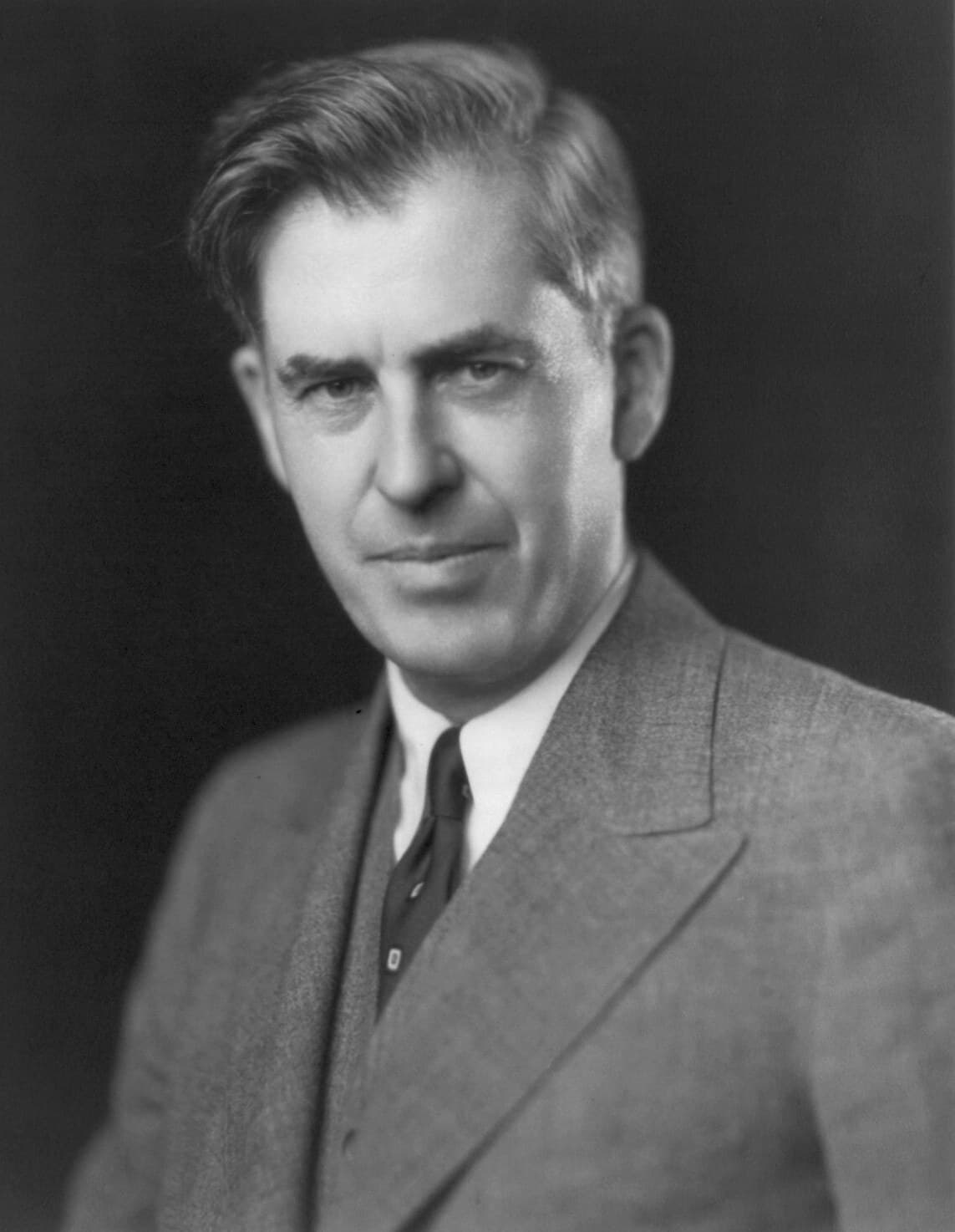 Photo copyrighted by D.N. Townsend; no renewal in the U.S. Copyright Office / public domain, via Wikimedia Commons
Visite audio autoguidée de Wallace — parcours GPS à pied, lecture hors ligne, narration en 32 langues.
“Là où l'argent coule à flots et l'histoire perdure, Wallace est plus qu'une ville, c'est une déclaration.”
Pas les cartes postales. Les histoires que même les habitants ignorent — soufflées à l'oreille, là où elles se sont passées.
Avant le traitement moderne de l'eau, un incendie majeur a conduit à une réglementation inhabituelle en matière de boisson.
Walk to the precise spot where Wallace boldly declared itself the 'Center of the Universe.'
Step inside a time capsule of Wallace's 'sporting life,' preserved exactly as it was abandoned.
Découvrez tous les secrets de Wallace
Chaque adresse, chaque révélation en entier — dans ton oreille, là où elle s'est passée.
Tu choisis tes lieux. Tu marches. La voix te révèle ce que les autres ignorent.
Votre visite audioguidée de Wallace vous attend — choisissez vos lieux, votre langue, et lancez-vous dès votre arrivée.
AcheterWallace, Idaho, est une petite ville avec une histoire colossale, nichée dans les montagnes escarpées de Bitterroot, dans la partie nord de l'Idaho. Connue comme la 'Capitale mondiale de l'argent', cette ville minière historique a produit plus d'un milliard d'onces d'argent depuis sa fondation en 1884. L'intégralité de son centre-ville est inscrite au Registre national des lieux historiques, témoignant de son architecture de la fin du XIXe et du début du XXe siècle remarquablement préservée.
Au-delà de son important héritage minier, Wallace est une ville de déclarations inattendues et d'un esprit durable. Elle s'est famously proclamée 'Centre de l'Univers' en 2004, un titre fantaisiste marqué par une plaque d'égout au cœur de la ville. Les visiteurs peuvent explorer son passé profond à travers un réseau de musées, de visites de mines souterraines et de parcours pédestres historiques, ou s'aventurer dans la nature environnante pour des activités de plein air de classe mondiale. Wallace offre un mélange unique d'intrigue historique et de beauté naturelle, invitant les voyageurs à remonter le temps tout en profitant du présent de la Silver Valley de l'Idaho.
## La Ruée vers l'Argent et les Premières Années L'histoire de Wallace a commencé en 1884 lorsque le colonel William R. Wallace a acheté 80 acres de terre, attiré par les immenses gisements d'argent, d'or et d'autres métaux dans les montagnes environnantes. La ville a rapidement prospéré avec la découverte de riches filons d'argent, devenant un centre régional pour l'industrie minière en plein essor. En 1887, des entreprises du centre-ville étaient établies et le chemin de fer est arrivé, alimentant davantage sa prospérité.
## Incendies, Inondations et Conflits du Travail Wallace a fait face à de nombreux défis au cours de ses premières décennies. En 1890, un incendie a détruit une grande partie des bâtiments en bois du centre-ville, entraînant leur reconstruction en briques, une décision qui s'est avérée cruciale pour la résilience future. La ville a également connu d'importants conflits du travail, y compris des affrontements violents entre propriétaires de mines et travailleurs syndiqués en 1892 et 1899. Le Grand Incendie de 1910, le plus grand incendie de forêt de l'histoire des États-Unis, a balayé la région, consumant un tiers du centre-ville de Wallace. Malgré ces revers, les veines d'argent apparemment inépuisables ont permis à Wallace de se reconstruire à chaque fois.
## Un Siècle d'Argent et de Fortunes Changeantes Wallace a continué son règne en tant que 'Capitale mondiale de l'argent' pendant plus d'un siècle, le district minier de Coeur d'Alene produisant une quantité inégalée d'argent. La population de la ville a culminé à près de 4 000 habitants dans les années 1940. Cependant, avec la baisse des prix de l'argent dans les années 1980, la région a connu des difficultés économiques. Dans un moment clé pour la préservation, l'ensemble de la ville de Wallace a été inscrit au Registre national des lieux historiques, une décision stratégique qui a empêché l'Interstate 90 de démolir son cœur historique. Aujourd'hui, bien que l'exploitation minière de l'argent reste une partie de l'économie, Wallace s'est diversifiée avec succès, embrassant le tourisme et les loisirs de plein air tout en préservant fièrement son passé coloré et riche en histoires.
Commencez votre exploration de Wallace par une promenade dans son centre-ville historique, où chaque bâtiment est inscrit au Registre national des lieux historiques. Ne manquez pas la plaque d'égout à l'intersection de Bank et Sixth Street, marquant le 'Centre de l'Univers' autoproclamé. Pour une immersion profonde dans l'héritage minier de la ville, faites la visite de la mine d'argent de la Sierra, guidée par des mineurs à la retraite qui offrent des récits de première main sur la vie souterraine. Le Wallace District Mining Museum offre un aperçu supplémentaire de l'histoire minérale de la région.
Entrez dans un morceau unique de l'histoire sociale au musée du Bordel Oasis, préservé exactement tel qu'il a été laissé lors de sa fermeture en 1988. Le musée du Dépôt Ferroviaire du Northern Pacific, un bâtiment de style château magnifiquement restauré de 1901, raconte l'histoire des chemins de fer qui ont façonné la Silver Valley. Pour les amateurs de plein air, Wallace est une porte d'entrée vers de vastes réseaux de sentiers, y compris des sections de la Route of the Hiawatha et du Trail of the Coeur d'Alenes, parfaits pour le vélo et la randonnée.
Envisagez de monter le Burke Canyon en voiture pour voir les vestiges des villes minières historiques et les ruines spectaculaires du moulin de Frisco. L'Exposition sur le Patrimoine Minier, un musée en plein air, propose des expositions interactives d'équipement minier. Pour une histoire visuelle plus large, le Wallace Historic Photo Museum présente une vaste collection d'images de la région.
La meilleure période pour visiter Wallace est pendant les mois d'été, de juin à septembre. Durant cette période, vous pouvez vous attendre à des journées chaudes, des nuits plus fraîches et moins de précipitations, ce qui est idéal pour les activités de plein air comme le vélo et la randonnée. Le printemps et l'automne offrent également des expériences agréables, avec des températures plus fraîches, des feuillages changeants et moins de foule. Les hivers apportent des conditions enneigées, transformant les montagnes environnantes en un paysage propice aux loisirs basés sur la neige.
Wallace est une petite ville où l'on peut facilement se déplacer à pied, donc une fois arrivé, vous pouvez explorer le centre-ville sans difficulté. L'aéroport international de Spokane (GEG) est l'aéroport majeur le plus proche, à environ 1h30 de route à l'ouest. Lors de la planification d'activités de plein air, en particulier les visites de mines, notez que des chaussures fermées et des pantalons longs sont souvent requis. Si vous vous attaquez à la piste cyclable de la Route of the Hiawatha, envisagez de louer un vélo sur place, car ils fournissent souvent des lumières montées essentielles pour les tunnels. Le Centre d'accueil des visiteurs de Wallace, situé à la sortie 61 de l'I-90, est une excellente ressource pour les cartes, les guides et les informations locales, offrant du café gratuit et des toilettes. Le stationnement au centre-ville est parallèle entre le 15 novembre et le 15 mars pour faciliter le déneigement.
Wallace en coréen, en chinois ou en hébreu — et dans 29 autres langues, chaque étape narrée par une voix native. La plus large gamme de langues de tous les audioguides autoguidés.
Disponible en :