'Las Catacumbas' de la Universidad Silliman
Durante un período tumultuoso, una universidad se convirtió en un faro silencioso de desafío, con un lugar de reunión secreto para los estudiantes.
La historia completa se desbloquea en el tour
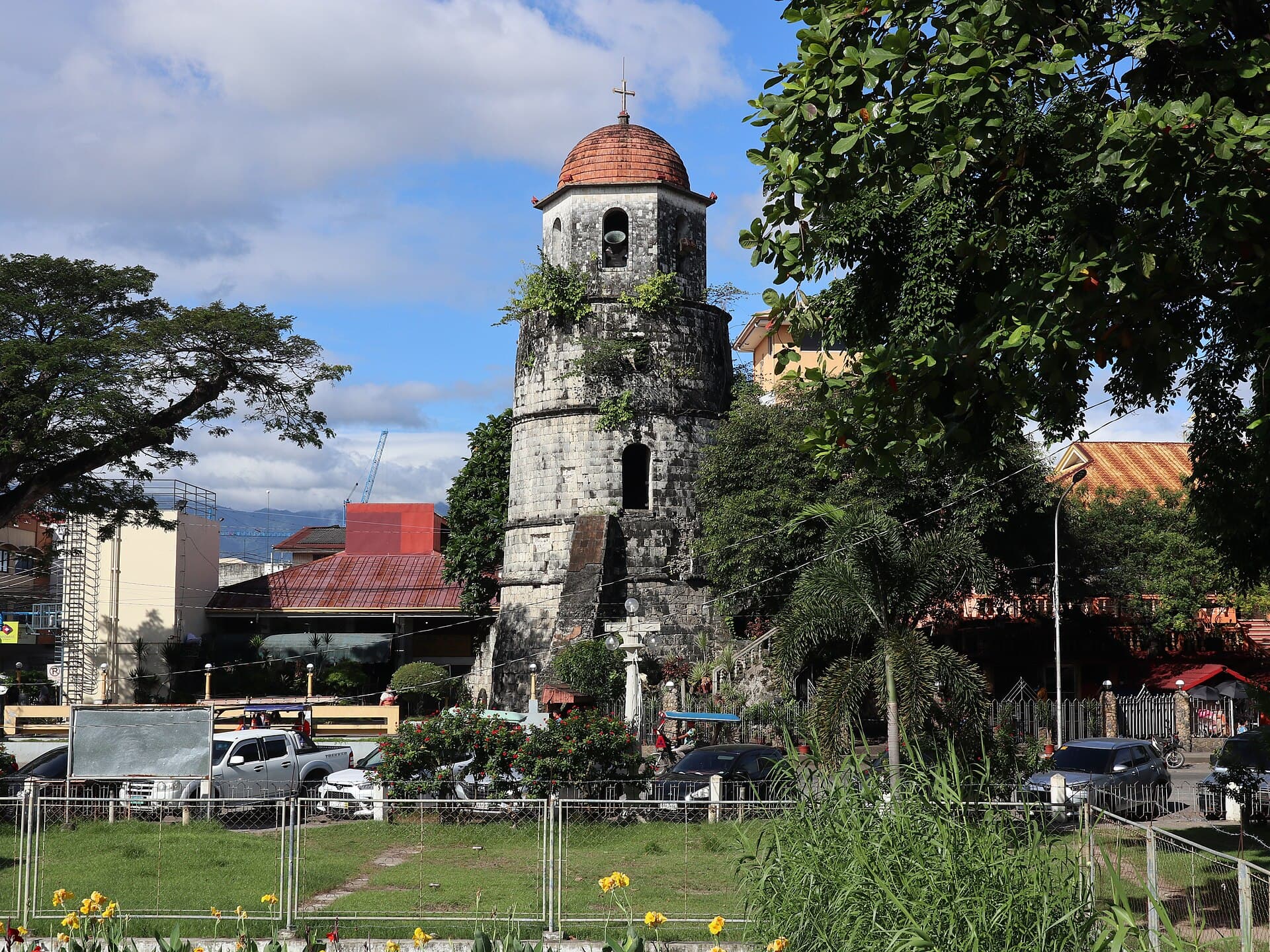 Patrickroque01 / CC BY-SA 4.0, via Wikimedia Commons
Tour de audio autoguiado de Dumaguete — ruta GPS a pie, reproducción offline, narración en 32 idiomas.
“Una ciudad costera donde las actividades académicas se encuentran con el ritmo de la vida isleña.”
No las postales. Las historias que ni los locales conocen — al oído, justo donde ocurrieron.
Durante un período tumultuoso, una universidad se convirtió en un faro silencioso de desafío, con un lugar de reunión secreto para los estudiantes.
A lo largo del paseo marítimo de Dumaguete, una popular comida callejera lleva un nombre familiar pero ofrece un sabor distintivamente local, lejos de su homónimo japonés.
El entrañable apodo de la ciudad, 'La Ciudad de la Gente Amable', contrasta fuertemente con los eventos históricos que se cree inspiraron su propio nombre.
Descubre todos los secretos de Dumaguete
Cada dirección, cada revelación al completo — a tu oído, justo donde ocurrió.
Eliges tus paradas. Caminas. La voz te revela lo que los demás ignoran.


Tu tour de audioguía por Dumaguete te espera — elige tus lugares, tu idioma y empieza al llegar.
ComprarLume incluye una guía de realidad aumentada. Levanta el móvil y su cámara muestra la calle que tienes delante, con una flecha luminosa sobre la imagen real que siempre apunta a tu próxima parada — sin mapas que descifrar, sin giros equivocados. Como todo en Lume, funciona completamente sin conexión.
Dumaguete, la capital de Negros Oriental, se gana su apodo, la "Ciudad de la Gente Amable", gracias a sus habitantes cálidos y acogedores. Esta extensión costera ofrece una armoniosa mezcla de vitalidad académica, esplendor natural y un ritmo relajado. Funciona como un centro de educación, albergando varias universidades, la más notable la Universidad Silliman, que atrae a académicos de todo Filipinas y más allá.
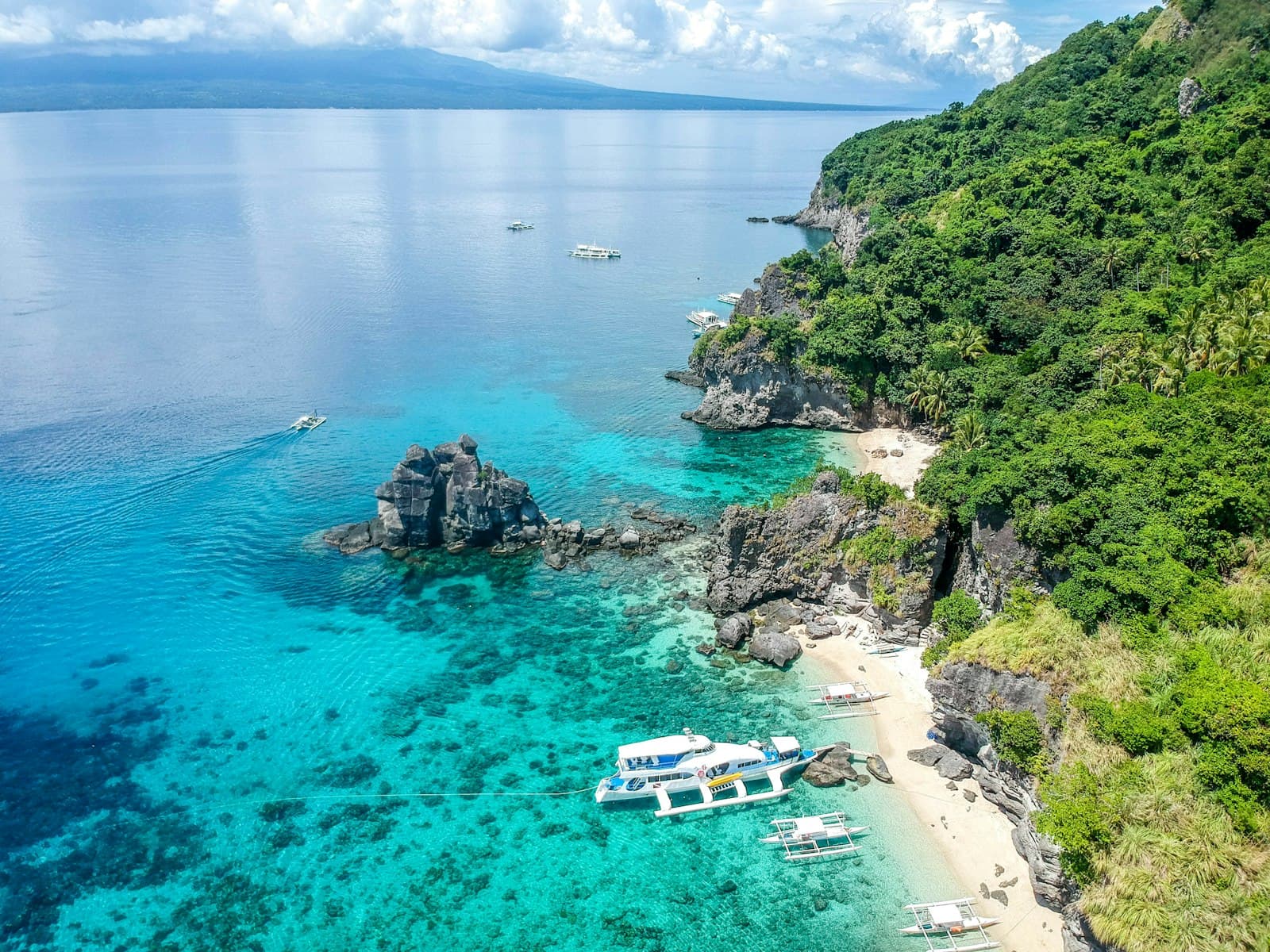
Más allá de su identidad como ciudad universitaria, Dumaguete sirve como portal a impresionantes atracciones naturales. Desde nadar junto a tortugas marinas cerca de la Isla Apo hasta explorar refrescantes cascadas y serenos lagos, la ciudad ofrece una diversa gama de experiencias. Su ubicación accesible también la posiciona como un conveniente punto de partida para viajes a islas cercanas como Siquijor y Cebú.
Dumaguete se clasifica consistentemente como una de las ciudades más seguras de Filipinas, lo que aumenta su atractivo como un destino tranquilo tanto para viajeros como para aquellos que buscan un estilo de vida pacífico. El encanto de la ciudad reside en su capacidad para entrelazar la energía de una población estudiantil con la calma de una comunidad costera.
## Primeros Comienzos e Influencia Española Los orígenes de Dumaguete se remontan a 1590, cuando fue establecida como una ciudad parroquial. Sin embargo, debido a la escasez de recursos, finalmente fue abandonada en 1776. Se cree que el nombre de la ciudad proviene de la palabra cebuana 'dagit', que significa 'arrebatar' o 'lanzarse y apoderarse', una referencia histórica a las frecuentes incursiones de piratas moros que atacaban los asentamientos costeros y capturaban a los residentes. En 1572, Diego López Povedano se refirió a la zona como Dananguet, pero en 1734, el cartógrafo Pedro Murillo Velarde utilizó el nombre Dumaguete.
## Era Americana y el Nacimiento de una Ciudad Universitaria En 1890, la Isla de Negros fue dividida, y Dumaguete fue declarada capital de Negros Oriental. Las fuerzas revolucionarias locales liberaron la ciudad del dominio colonial español en 1898. La administración americana estableció un gobierno civil en abril de 1901. Un momento crucial en la historia de Dumaguete llegó en agosto de 1901 con la fundación del Instituto Silliman, que más tarde evolucionó a la Universidad Silliman. Establecida por misioneros presbiterianos americanos con una donación inicial del Dr. Horace Brinsmade Silliman, fue la primera institución protestante de educación superior en Filipinas y Asia. La presencia de la universidad moldeó profundamente a Dumaguete, atrayendo a intelectuales y estudiantes, solidificando su estatus como centro educativo y cultural.
## Segunda Guerra Mundial y Desarrollo Postguerra Las fuerzas imperiales japonesas ocuparon Dumaguete el 26 de mayo de 1942, durante la Segunda Guerra Mundial, con la resistencia persistiendo a través de grupos guerrilleros en las montañas. Las fuerzas americanas y filipinas liberaron la ciudad el 6 de agosto de 1945. Dumaguete fue formalmente establecida como ciudad el 15 de julio de 1948, bajo la Ley de la República No. 327. Después de la guerra, los filipinos comenzaron a asumir más roles administrativos en la Universidad Silliman, con el primer presidente filipino nombrado en 1952. Desde entonces, la ciudad ha florecido como un animado centro académico y turístico, manteniendo su reputación de tranquilidad y hospitalidad.
Comience su exploración con un paseo por el Bulevar Rizal, el paseo marítimo de la ciudad. Ofrece un entorno agradable para pasear, tomar fotografías y disfrutar de la brisa marina. Por las noches, una sección se transforma en un destino de comida callejera. Cerca se encuentra la venerable Torre del Campanario de Dumaguete, la torre de campana más antigua de Visayas, que ha servido como centinela vigilante durante más de dos siglos. Adyacente a ella se encuentra la Catedral de Santa Catalina de Alejandría, una antigua iglesia de piedra que data del siglo XVIII.
Sumérjase en la atmósfera académica de la Universidad Silliman, la primera universidad privada americana en Filipinas. Explore sus estructuras históricas, sus verdes jardines y el Museo de Antropología, que alberga artefactos de la antigua cultura filipina, algunos que datan del 200 a.C. Para echar un vistazo a la cultura china, visite la Iglesia de la Campana China en el extremo sur del Bulevar Rizal, reconocida por su diseño tradicional y sus jardines cultivados.
Las excursiones de un día desde Dumaguete ofrecen diversos encuentros naturales. Viaje a la Isla Apo, un célebre santuario marino, para practicar snorkel o buceo con tortugas marinas. Descubra la serena Cascada Casaroro, una elegante cascada a unos 20 minutos del centro en motocicleta, que requiere una caminata a través de un río y la jungla. Otra opción es el Parque Natural de los Lagos Gemelos Balinsasayao, una actividad de medio día que implica un pintoresco viaje en coche y una caminata o excursión en bote de remos por los lagos.
La época más favorable para visitar Dumaguete es durante la estación seca, que se extiende de diciembre a mayo. Espere abundante sol y mínimas precipitaciones durante estos meses. Enero a marzo son particularmente recomendables para mares en calma y cielos despejados, lo que hace que las condiciones sean ideales para el buceo. Aunque de marzo a mayo puede ser el período más cálido, el clima sigue siendo adecuado para actividades al aire libre. La estación lluviosa suele ocurrir de junio a octubre, con junio a septiembre con riesgo de tifones, lo que puede provocar mares agitados y visibilidad reducida para el buceo. Considere visitar en octubre o noviembre para los animados Festivales Buglasan y Sandurot.
El Aeropuerto de Dumaguete–Sibulan (DGT) recibe vuelos nacionales de las principales ciudades como Manila y Cebú. Alternativamente, los ferries conectan Dumaguete con islas vecinas como Cebú y Bohol. Dentro de la ciudad, los triciclos (motocicletas con sidecar) son el principal medio de transporte público y generalmente son asequibles. Al abordar un triciclo, es aconsejable confirmar la tarifa local. Para explorar los pueblos de los alrededores, están disponibles autobuses provinciales, habal-habal (mototaxis) o coches de alquiler.
Dumaguete se considera una ciudad relativamente segura para los viajeros, con una baja tasa de criminalidad. Sin embargo, siempre es prudente mantenerse alerta, especialmente por la noche, y salvaguardar sus pertenencias. Se recomienda el agua embotellada para el consumo. La mayoría de los establecimientos aceptan tarjetas de crédito, pero llevar algo de efectivo es práctico, particularmente en áreas más remotas. El acceso a Internet puede ser inconsistente en ciertas ubicaciones distantes.
Dumaguete en coreano, en chino o en hebreo — y 29 idiomas más, cada parada narrada por una voz nativa. La mayor variedad de idiomas de cualquier audioguía autoguiada.
Disponible en: