Estación de Tren de Dunedin
Esta magnífica estación, un tema frecuente para fotógrafos, inspiró un apodo juguetón para su diseñador.
La historia completa se desbloquea en el tour
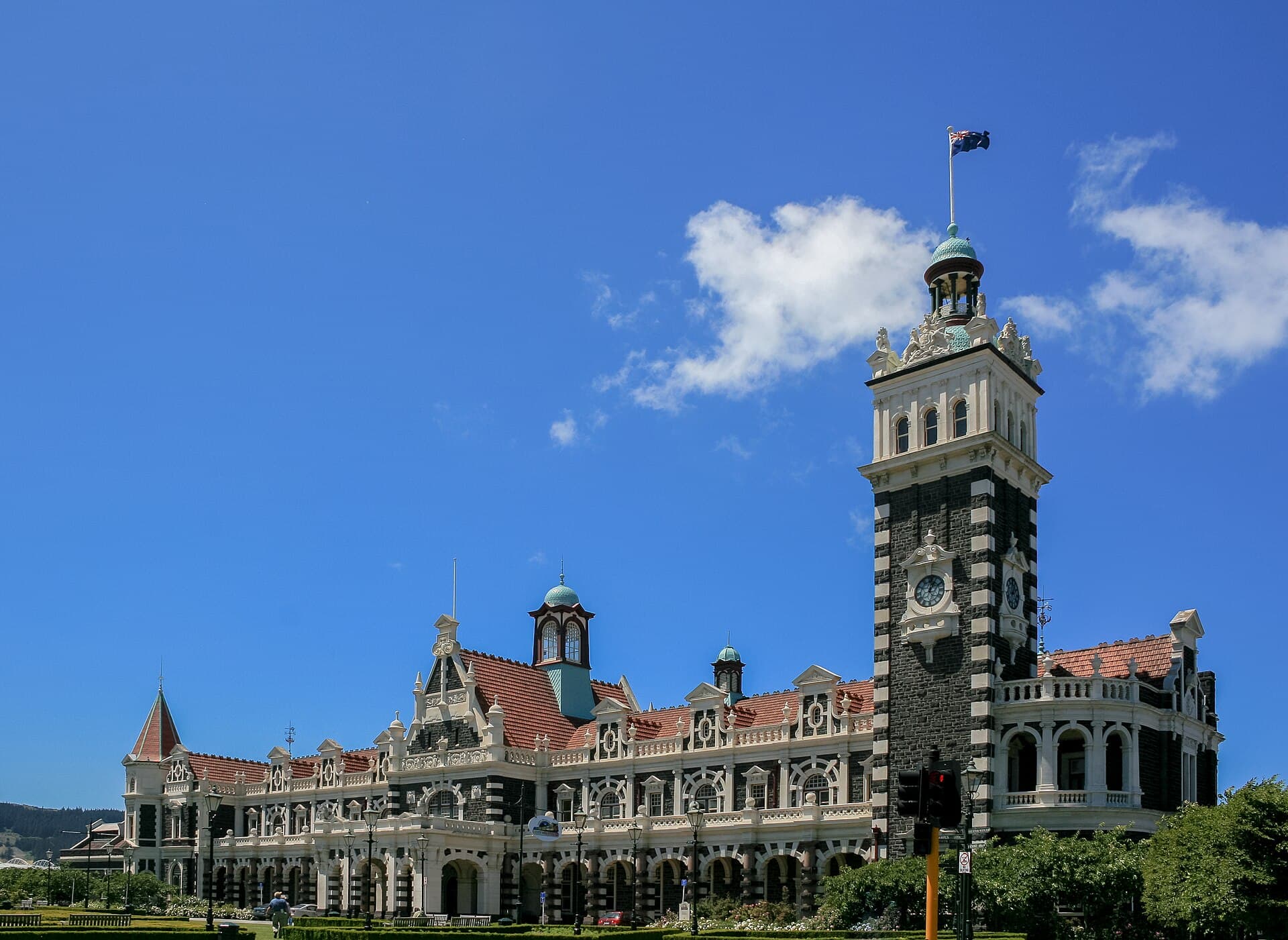 Diego Delso / CC BY-SA 3.0, via Wikimedia Commons
Tour de audio autoguiado de Dunedin — ruta GPS a pie, reproducción offline, narración en 32 idiomas.
“Donde el espíritu perdurable de Escocia se encuentra con la grandiosidad salvaje de la costa y un pulso creativo.”
No las postales. Las historias que ni los locales conocen — al oído, justo donde ocurrieron.
Esta magnífica estación, un tema frecuente para fotógrafos, inspiró un apodo juguetón para su diseñador.
Dunedin contiene una calle que ostenta una distinción global, aunque su extrema inclinación no siempre fue universalmente reconocida.
Antes de que los autobuses modernos navegaran por sus empinadas pendientes, Dunedin empleó una ingeniosa solución de transporte público, que recuerda a una icónica metrópolis americana.
Descubre todos los secretos de Dunedin
Cada dirección, cada revelación al completo — a tu oído, justo donde ocurrió.
Eliges tus paradas. Caminas. La voz te revela lo que los demás ignoran.
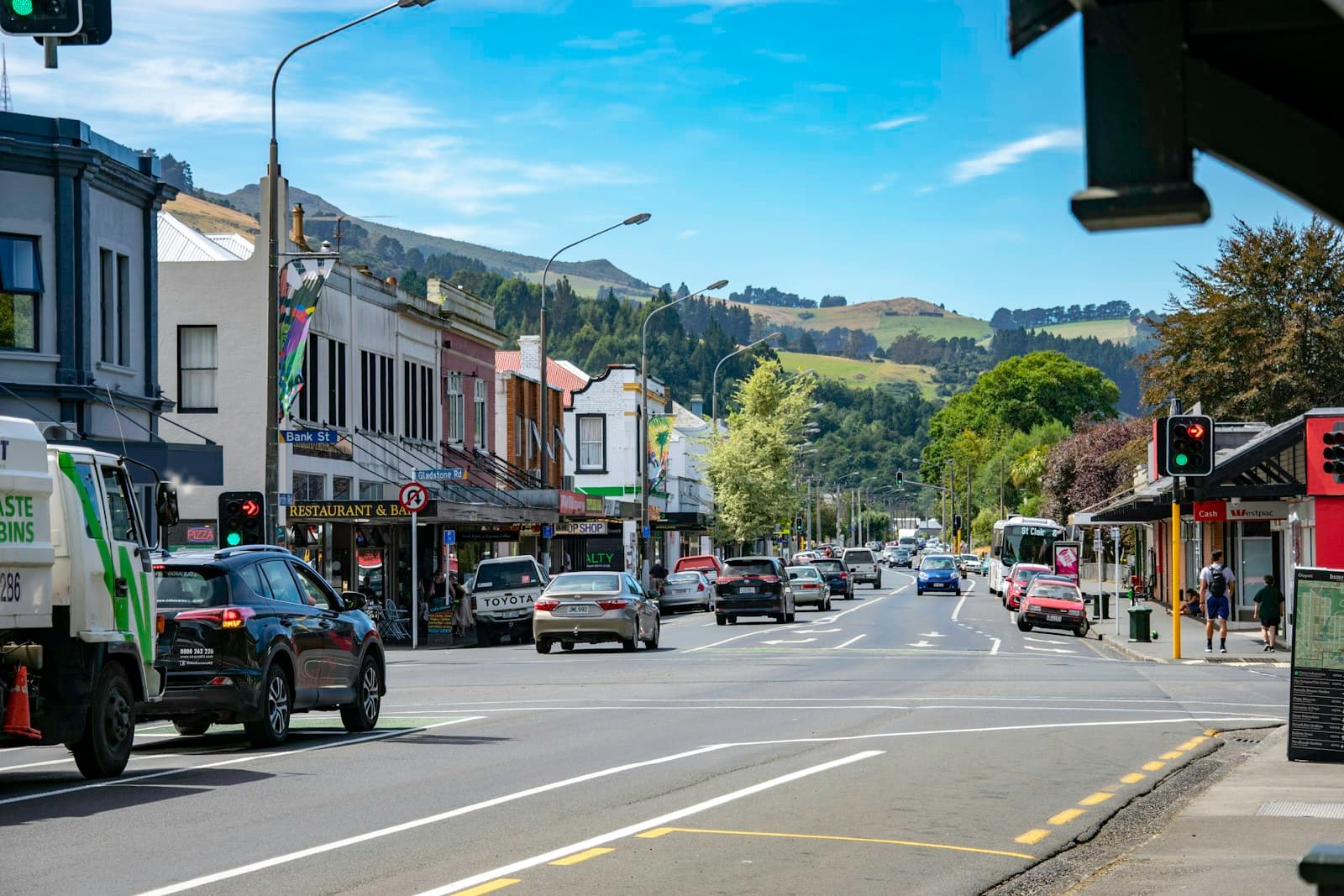


Tu tour de audioguía por Dunedin te espera — elige tus lugares, tu idioma y empieza al llegar.
ComprarLume incluye una guía de realidad aumentada. Levanta el móvil y su cámara muestra la calle que tienes delante, con una flecha luminosa sobre la imagen real que siempre apunta a tu próxima parada — sin mapas que descifrar, sin giros equivocados. Como todo en Lume, funciona completamente sin conexión.
Dunedin, a menudo conocida como la 'Edimburgo del Sur', es una ciudad en la Isla Sur de Nueva Zelanda que cautiva con su impactante arquitectura victoriana y eduardiana, un legado de sus fundadores escoceses y una fiebre del oro del siglo XIX. Esta ciudad costera ofrece una mezcla única de carácter urbano y belleza natural indómita, con una animada escena artística fomentada por su designación como Ciudad de la Literatura de la UNESCO y la presencia de la universidad más antigua de Nueva Zelanda, la Universidad de Otago.
Más allá de su grandeza arquitectónica, Dunedin sirve como puerta de entrada a los dramáticos paisajes y la distintiva vida silvestre de la Península de Otago. Aquí, se pueden encontrar pingüinos raros, albatros y leones marinos en sus entornos naturales, estableciéndola como un importante destino de ecoturismo. El núcleo compacto de la ciudad es fácilmente transitable a pie, invitando a la exploración de sus edificios históricos, su distintivo arte callejero y una floreciente cultura de cafés.
Dunedin fue establecida en 1848 por la Asociación Laica de la Iglesia Libre de Escocia, quienes imaginaron una nueva Edimburgo en el Hemisferio Sur. De hecho, el nombre de la ciudad, Dunedin, se deriva de 'Dùn Èideann', el nombre gaélico escocés de Edimburgo. Charles Kettle, el topógrafo de la ciudad, tuvo la tarea de emular las características de Edimburgo, lo que resultó en un diseño de calles grandiosas pero a veces desafiantes que reflejan una visión audaz y romántica.
La fortuna de la ciudad cambió drásticamente con el descubrimiento de oro en Gabriel's Gully en 1861. Esto provocó una rápida afluencia de población y riqueza, transformando a Dunedin en la ciudad más grande y próspera de Nueva Zelanda durante varios años en la segunda mitad del siglo XIX. Esta era de prosperidad es evidente en la impresionante colección de edificios victorianos y eduardianos ornamentados de la ciudad, considerados entre los mejor conservados del Hemisferio Sur.
Dunedin posee una orgullosa historia de innovación y logros pioneros, lo que le valió el apodo de 'ciudad de los primeros'. Fue el hogar de la primera universidad de Nueva Zelanda, la Universidad de Otago, fundada en 1869, que continúa dando forma al carácter único de la ciudad. Otros primeros notables incluyen el primer periódico diario de la nación, el primer envío exitoso de carne congelada e incluso la primera llamada telefónica del país. En 1865, Dunedin también se convirtió en la primera ciudad de Nueva Zelanda en tener un ayuntamiento elegido, consolidando su estatus como un centro urbano seguro y con visión de futuro.
Culturalmente, Dunedin también abrió el camino con el establecimiento de la primera galería de arte público de Nueva Zelanda en 1884, ahora conocida como la Galería de Arte Público de Dunedin. El compromiso de la ciudad para superar su topografía única también forma parte de su historia, ejemplificado por la introducción del primer sistema de tranvías de cable de Nueva Zelanda en 1881, inspirado en el modelo de San Francisco, para navegar por sus famosas colinas empinadas. Hoy en día, Dunedin continúa evolucionando, abrazando su herencia mientras fomenta una atmósfera animada, distintiva y artística.
Comience su exploración en The Octagon, la plaza central de Dunedin, rodeada de importantes edificios patrimoniales como las Cámaras Municipales y la Catedral de San Pablo. Un breve paseo conduce a la icónica Estación de Tren de Dunedin, un sorprendente ejemplo de arquitectura eduardiana. Observe la Primera Iglesia de Otago, una magnífica estructura gótica coronada con una imponente aguja. Para una comprensión más profunda del pasado de la ciudad, visite el Museo de los Colonos de Otago Toitū, que exhibe las vidas de los primeros colonos, y el Museo de Otago, con sus diversas colecciones y un bosque tropical.
Ninguna visita está completa sin un viaje a Baldwin Street, reconocida como la calle residencial más empinada del mundo. Para una dosis de naturaleza, el Jardín Botánico de Dunedin, el primero de Nueva Zelanda, ofrece paisajes expansivos y un distintivo Jardín de Invierno eduardiano. Aventúrese a la Península de Otago para disfrutar de un impresionante paisaje costero y encuentros inigualables con la vida silvestre. Aquí, podrá observar raros pingüinos de ojos amarillos, pequeños pingüinos azules, lobos marinos y la única colonia terrestre de albatros reales del mundo en Taiaroa Head. Explore Tunnel Beach, conocida por su espectacular arco marino y un pasaje tallado a mano que conduce a una playa apartada. Para una formación geológica singular, busque los Órganos de Tubos en el Monte Holmes.
Dunedin ofrece experiencias distintas durante todo el año. Para actividades de clima cálido y exploración de zonas costeras, los meses de verano (diciembre a febrero) son ideales, con máximas diarias promedio alrededor de 18°C (64°F) y más horas de luz. El otoño (marzo a mayo) trae cielos despejados, clima razonablemente cálido y menos multitudes. Aunque los inviernos (junio a agosto) son breves y frescos, con mínimas promedio de 4°C (39°F), ofrecen una atmósfera más tranquila y un paisaje costero dramático, con nevadas ocasionales. La primavera (septiembre a noviembre) ve un aumento de la actividad de la vida silvestre en la península y jardines en flor. Las precipitaciones se distribuyen de manera bastante uniforme durante todo el año, a menudo como llovizna o lluvia ligera en lugar de aguaceros fuertes.
El Aeropuerto Internacional de Dunedin (DUD) está situado aproximadamente a 21-22 kilómetros al suroeste del centro de la ciudad, con servicios de transporte, taxis y limusinas corporativas disponibles para el traslado. Uber no está disponible desde el aeropuerto. Dentro de la ciudad, Dunedin es conocida como una 'ciudad de 15 minutos', con un área central compacta y fácilmente transitable a pie. Los servicios de autobús público, operados por el Consejo Regional de Otago bajo la marca GoBus, proporcionan transporte asequible por toda la ciudad, con la mayoría de las rutas operando a intervalos de 30 minutos. También hay disponibles coches de alquiler, taxis, alquiler de bicicletas y patinetes eléctricos.
Nueva Zelanda utiliza el Dólar Neozelandés (NZD). El inglés es ampliamente hablado. Dunedin se considera generalmente una ciudad muy segura, con un aviso de viaje de bajo riesgo. Sin embargo, se aplican las precauciones estándar, como asegurar los objetos de valor en zonas turísticas concurridas. En caso de emergencia, marque 111 para ambulancia, bomberos o policía. Es aconsejable llevar protección solar, especialmente durante los meses más cálidos, ya que los rayos UV pueden ser fuertes.
Dunedin en coreano, en chino o en hebreo — y 29 idiomas más, cada parada narrada por una voz nativa. La mayor variedad de idiomas de cualquier audioguía autoguiada.
Disponible en: