South Street
Flânez dans une rue qui semble tout droit sortie d'un livre de contes, mais qui détient pourtant un titre surprenant dans le patrimoine architectural de la Nouvelle-Zélande.
L'histoire complète se débloque dans le tour
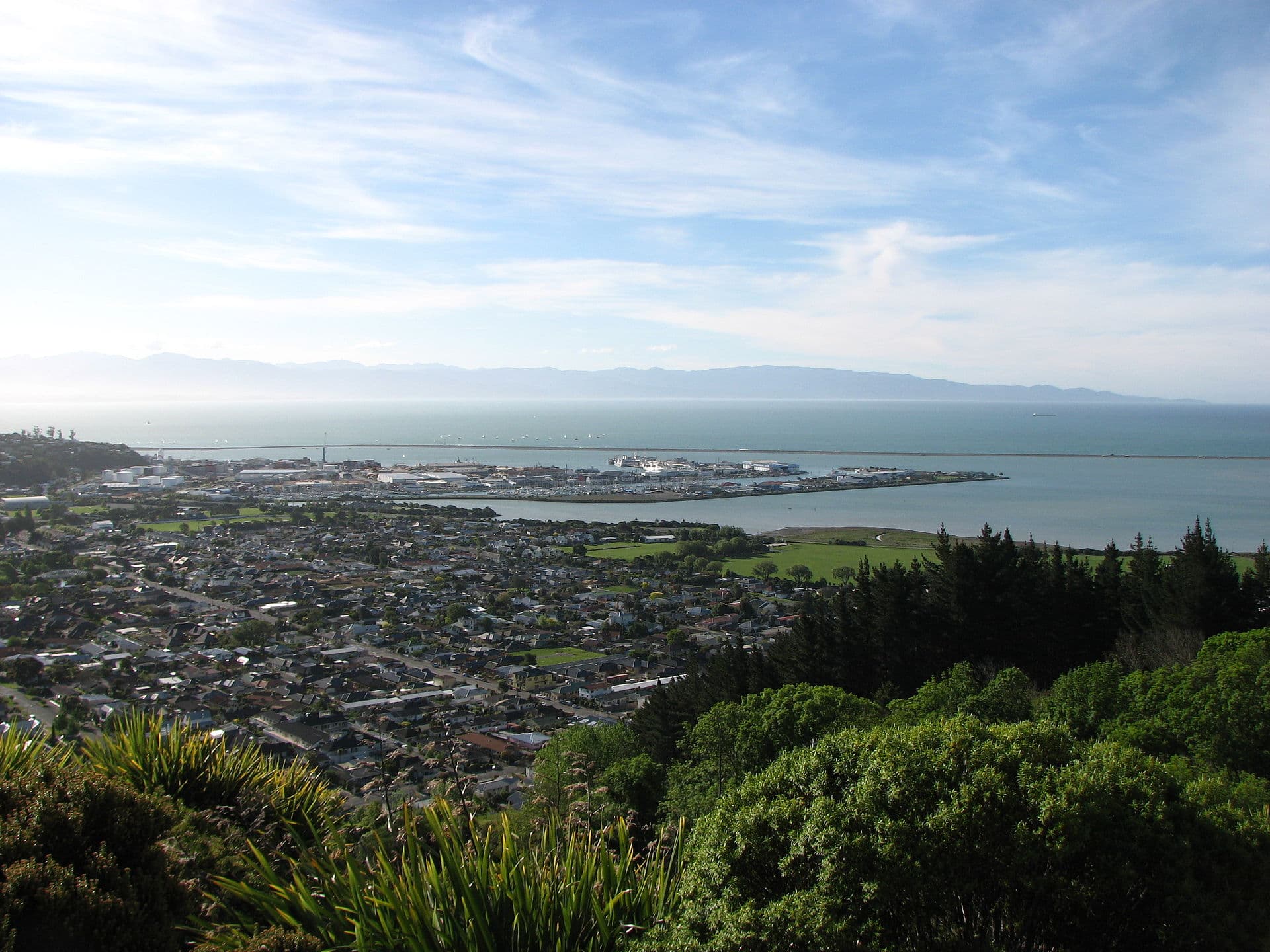 Markus Koljonen (Dilaudid) / CC BY-SA 3.0, via Wikimedia Commons
Visite audio autoguidée de Nelson — parcours GPS à pied, lecture hors ligne, narration en 32 langues.
“Là où l'esprit créatif et la beauté sauvage se rencontrent sous un soleil généreux.”
Pas les cartes postales. Les histoires que même les habitants ignorent — soufflées à l'oreille, là où elles se sont passées.
Flânez dans une rue qui semble tout droit sortie d'un livre de contes, mais qui détient pourtant un titre surprenant dans le patrimoine architectural de la Nouvelle-Zélande.
Découvrez un musée qui n'est pas seulement ancien, mais qui détient une distinction unique parmi ses pairs en Nouvelle-Zélande.
Après le crépuscule, un secret local à Ruby Bay transforme un ruisseau tranquille en un spectacle scintillant.
Découvrez tous les secrets de Nelson
Chaque adresse, chaque révélation en entier — dans ton oreille, là où elle s'est passée.
Tu choisis tes lieux. Tu marches. La voix te révèle ce que les autres ignorent.


Votre visite audioguidée de Nelson vous attend — choisissez vos lieux, votre langue, et lancez-vous dès votre arrivée.
AcheterLume intègre un guide en réalité augmentée. Levez votre téléphone : sa caméra montre la rue devant vous, avec une flèche lumineuse posée sur l'image réelle qui pointe toujours vers votre prochain arrêt — aucune carte à déchiffrer, aucun mauvais virage. Comme tout dans Lume, ça fonctionne entièrement hors-ligne.
Nelson, connue des Maoris sous le nom de Whakatū, repose gracieusement au sommet de l'île du Sud de la Nouvelle-Zélande, là où la baie de Tasman rencontre un arrière-plan de chaînes de montagnes protectrices. Cette ville est célébrée pour son ensoleillement exceptionnel toute l'année, un climat doux avec des étés chauds et des hivers cléments, et sa proximité avec trois parcs nationaux : Abel Tasman, Nelson Lakes et Kahurangi. C'est un lieu où le rythme de vie détendu se mêle harmonieusement à une énergie créative, évidente dans ses nombreuses galeries d'art, ateliers d'artisans, vignobles de boutique et brasseries artisanales.
Souvent décrite comme un microcosme du meilleur de la Nouvelle-Zélande, Nelson offre un éventail diversifié d'expériences, des plages de sable doré et des voies navigables immaculées aux forêts anciennes et aux sentiers de montagne stimulants. C'est un centre pour les amateurs de plein air, les artistes et ceux qui recherchent un mode de vie décontracté au milieu d'une beauté naturelle profonde. La ville elle-même, la plus ancienne de l'île du Sud et la deuxième ville la plus ancienne du pays, porte une histoire profonde qui continue de façonner son caractère unique.
## Premiers établissements maoris et arrivée des Européens Les Maoris se sont installés dans la région de Nelson vers le XIIe siècle, connaissant la région sous le nom de Te Tau Ihu o Te Waka a Maui, signifiant « La proue du canoë de Maui ». Au XIVe siècle, les tribus maories s'étaient établies, la tribu Ngati Tumatakori contrôlant les plaines de Waimea des années 1600 jusqu'au début des années 1800. La zone qui est aujourd'hui la ville de Nelson était connue sous le nom de Whakatū.
La colonisation européenne a commencé avec l'arrivée du premier navire d'immigrants de la New Zealand Company, le Fifeshire, le 1er février 1842, marquant le jour anniversaire de Nelson. Nelson fut la deuxième colonie européenne planifiée en Nouvelle-Zélande, après Wellington. Le site fut choisi en raison de la découverte du port de Nelson, le seul emplacement approprié pour un port important sur la côte de la baie de Tasman. Le plan initial était de vendre des terres arables aux colons anglais, mais le manque de terres agricoles appropriées a entraîné des difficultés dans les années 1840.
## Croissance et défis En 1843, un affrontement important connu sous le nom d'Affaire du Wairau eut lieu entre les colons et les Maoris Ngāti Toa concernant la propriété foncière, entraînant des pertes des deux côtés. Malgré ces premiers défis, Nelson se développa progressivement, devenant une ville en 1858 lorsque la reine Victoria la désigna comme siège d'un évêque anglican, même si sa population était encore relativement faible. La croissance de la ville fut lente des années 1860 jusqu'aux années 1950, lorsque des augmentations de population et de nouvelles banlieues émergèrent. Nelson fut nommée d'après le vice-amiral Horatio Nelson, avec de nombreux noms de rues, tels que Trafalgar et Hardy Streets, reflétant son héritage naval.
## Un pôle pour les arts et l'innovation Nelson a longtemps cultivé un esprit créatif. C'est le berceau du rugby en Nouvelle-Zélande, le premier match ayant été joué à la Réserve Botanique. La région entretient également un lien scientifique important car Brightwater, près de Nelson, est le lieu de naissance de Lord Rutherford, le physicien lauréat du prix Nobel. Aujourd'hui, Nelson est réputée pour sa scène artistique et artisanale, ses nombreuses galeries et ateliers, et des événements comme les World of WearableArt Awards, qui mettent en valeur une expression artistique extraordinaire. Elle se distingue également comme le centre de culture du houblon de Nouvelle-Zélande, soutenant une industrie florissante de la bière artisanale aux côtés de son héritage viticole établi.
Nelson offre un délicieux mélange de beauté naturelle et d'attractions culturelles. Commencez votre exploration au Musée Provincial de Nelson, le plus ancien musée de Nouvelle-Zélande, pour plonger dans la riche histoire de la région. Flânez dans les Queens Gardens, une échappée paisible aux magnifiques plantations. Pour un aperçu du passé de Nelson, promenez-vous dans South Street, la plus ancienne rue entièrement préservée de Nouvelle-Zélande, bordée de charmants cottages victoriens. Le World of WearableArt & Classic Cars Museum offre une expérience unique et fascinante, présentant des vêtements remarquables aux côtés d'une collection de véhicules anciens. Ne manquez pas le Nelson Market chaque samedi à Montgomery Square pour les produits locaux, l'artisanat et les arts. En plein air, empruntez la facile Randonnée du Centre de la Nouvelle-Zélande pour des vues imprenables sur la ville et la baie de Tasman. Pour les amateurs de plage, Tahunanui Beach est populaire pour la baignade, la planche à voile et le paddleboard. Plus loin, le Parc National d'Abel Tasman offre des plages de sable doré et des eaux claires pour la marche, le kayak ou les excursions en bateau. Vous pouvez également découvrir l'unique Split Apple Rock Beach et l'impressionnante Grotte de Rawhiti avec ses formations phytokarstiques inhabituelles.
Nelson est une destination toute l'année, connue comme l'un des endroits les plus ensoleillés de Nouvelle-Zélande. Les saisons intermédiaires (mars-avril et novembre) offrent le meilleur équilibre entre un temps agréable, moins de foule et un meilleur rapport qualité-prix. L'été (décembre-février) apporte de longues journées chaudes, parfaites pour les plages et les parcs nationaux, mais c'est aussi la haute saison avec des prix plus élevés et plus de visiteurs. L'hiver (juin-août) est plus frais mais offre toujours des journées ensoleillées, ce qui en fait une période idéale pour un voyage plus calme et pour profiter de la lumière dramatique, avec les montagnes voisines offrant des possibilités de ski.
Nelson est située au sommet de l'île du Sud. La ville est facilement accessible par avion, l'aéroport de Nelson (NSN) desservant des vols intérieurs. Une fois à Nelson, le centre-ville est accessible à pied, et des options de transport en commun sont disponibles pour les plus longues distances. La location d'une voiture est recommandée pour explorer la région plus vaste de Nelson Tasman et ses parcs nationaux, offrant la flexibilité de visiter les vignobles, les brasseries et les ateliers d'artisans. L'hébergement va des options économiques aux séjours de luxe. La monnaie locale est le dollar néo-zélandais (NZD). Le climat doux de Nelson signifie que des couches légères sont souvent appropriées, mais soyez toujours prêt à affronter un temps changeant, surtout lorsque vous vous aventurez dans les parcs nationaux. Les niveaux d'UV peuvent être élevés, en particulier en été, donc la protection solaire est essentielle.
Nelson en coréen, en chinois ou en hébreu — et dans 29 autres langues, chaque étape narrée par une voix native. La plus large gamme de langues de tous les audioguides autoguidés.
Disponible en :