Casco Antiguo de Eksjö (Gamla Stan)
El casco antiguo de Eksjö parece suspendido en el tiempo, pero una mirada más cercana revela una curiosa división arquitectónica.
La historia completa se desbloquea en el tour
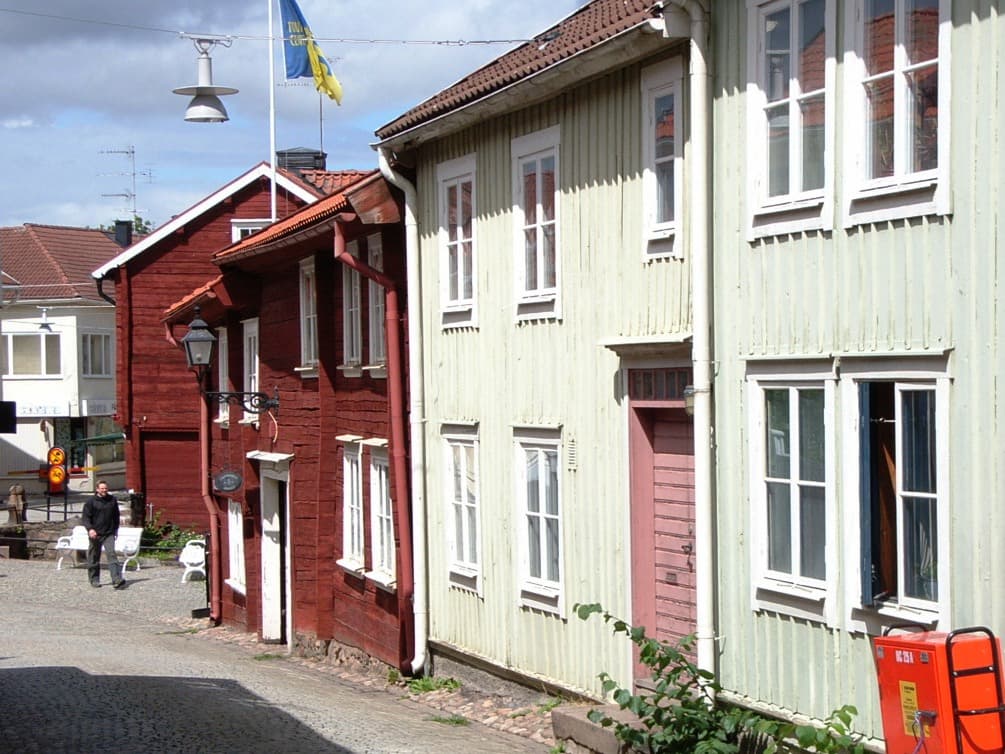 Beckstet / CC BY-SA 3.0, via Wikimedia Commons
Tour de audio autoguiado de Eksjö — ruta GPS a pie, reproducción offline, narración en 32 idiomas.
“Eksjö: donde los tejados de madera se encuentran con el indómito corazón de Småland.”
No las postales. Las historias que ni los locales conocen — al oído, justo donde ocurrieron.
El casco antiguo de Eksjö parece suspendido en el tiempo, pero una mirada más cercana revela una curiosa división arquitectónica.
La actual Iglesia de Eksjö se alza sobre un terreno antiguo, pero su predecesora tuvo un final inesperado, provocando una ola de lamento local.
Adéntrate en Aschanska Gården y podrías sentir que sus antiguos residentes acaban de marcharse.
Descubre todos los secretos de Eksjö
Cada dirección, cada revelación al completo — a tu oído, justo donde ocurrió.
Eliges tus paradas. Caminas. La voz te revela lo que los demás ignoran.


Tu tour de audioguía por Eksjö te espera — elige tus lugares, tu idioma y empieza al llegar.
ComprarLume incluye una guía de realidad aumentada. Levanta el móvil y su cámara muestra la calle que tienes delante, con una flecha luminosa sobre la imagen real que siempre apunta a tu próxima parada — sin mapas que descifrar, sin giros equivocados. Como todo en Lume, funciona completamente sin conexión.
Eksjö, una cautivadora ciudad en la provincia de Småland, Suecia, ofrece un viaje a través del tiempo. Conocida como una de las ciudades de madera mejor conservadas de Europa, su sereno centro alberga más de 50 casas de madera de gran importancia cultural, con una arquitectura que abarca más de cuatro siglos. Pasea por pasajes estrechos y callejones tranquilos, donde el aroma de la madera parece susurrar historias de plagas, hambrunas, conflictos y conflagraciones que han moldeado su carácter perdurable. En 1997, la excepcional dedicación de la ciudad a la preservación de su patrimonio arquitectónico y cultural fue reconocida con el prestigioso diploma Europa Nostra.
Más allá de sus evocadoras fachadas de madera, Eksjö está situada en las tierras altas de Småland, ofreciendo una armoniosa mezcla de historia y naturaleza. El paisaje circundante presenta bosques de coníferas vírgenes, numerosos lagos y fenómenos naturales únicos como la garganta de Skurugata. Ya sea que te atraiga su profundo pasado, su encantador paisaje urbano o la tranquilidad de su entorno natural, Eksjö ofrece una experiencia memorable para aquellos que buscan una visión del pasado de Suecia y una conexión con su serena naturaleza salvaje.
Los orígenes de Eksjö se remontan a la Edad Media, probablemente surgiendo como un lugar de reunión central para un consejo regional conocido como "thing". La mención más antigua documentada de la ciudad, bajo el nombre de "Ekesiö", data del 22 de abril de 1345, en un protocolo judicial de venta de propiedades. En 1403, el rey Erico de Pomerania concedió oficialmente a Eksjö sus derechos de ciudad, solidificando su importancia en la provincia de Småland.
Sin embargo, la historia temprana de Eksjö estuvo marcada por la turbulencia. Tras la coronación del rey Gustavo Vasa en 1524, la Rebelión de Dacke vio al líder partidista Nils Dacke tomar el control de la zona, con el apoyo de la población local, incluidos los residentes de Eksjö. Después de que el ejército real sofocara la rebelión, las acciones de Dacke fueron condenadas públicamente, y algunos historiadores sugieren que esta rebelión pudo haber contribuido a que el rey Gustavo Vasa revocara los derechos de ciudad de Eksjö en 1544.
Un evento más devastador ocurrió en 1568 durante la Guerra de los Siete Años del Norte, cuando un ejército liderado por Daniel Rantzau consumió Eksjö por completo. La ciudad fue reconstruida posteriormente, pero en una ubicación ligeramente diferente, con el constructor holandés Arendt de Roy supervisando la nueva construcción. Esta reconstrucción sentó las bases de la ciudad de madera que vemos hoy, con muchas de las casas actuales que datan de los siglos XVI, XVII y XVIII.
Aunque en gran parte se salvó de grandes incendios después de su reconstrucción en 1568, Eksjö se enfrentó a otro desastre significativo en 1856 cuando la mitad sur de la ciudad fue destruida por el fuego. La reconstrucción de esta parte sur siguió un plan neoclásico con callejones más anchos, contrastando con el trazado medieval de la mitad norte conservada. Este evento, junto con la decisión en la década de 1860 de desviar la línea principal de ferrocarril a través de la cercana Nässjö en lugar de Eksjö, tuvo un profundo impacto en el desarrollo de la ciudad. Sin la fuerte industrialización que experimentaron muchas otras ciudades, el casco antiguo norte de Eksjö permaneció notablemente intacto.
Este afortunado giro de los acontecimientos significó que la arquitectura tradicional de madera de Eksjö se conservara, a diferencia de muchos otros barrios similares que sucumbieron a las olas de demolición de la posguerra en Suecia. La dedicación de la ciudad a mantener su entorno cultural único fue reconocida formalmente en 1997 cuando recibió el diploma Europa Nostra por la excelente conservación de edificios y patrimonio cultural. Hoy, Eksjö sigue siendo un testimonio vivo de siglos de historia arquitectónica y cultural sueca.
El principal atractivo de Eksjö es su bien conservado casco antiguo, o Gamla Stan, donde puedes pasear por pasajes estrechos y admirar más de 50 casas de madera de gran importancia cultural, algunas de las cuales datan del siglo XVII. El contraste arquitectónico entre la sección norte medieval y la mitad sur neoclásica del siglo XIX, dividida por la plaza principal, ofrece una fascinante historia visual. La Stora Torget (plaza principal) es en sí misma un animado centro, enmarcada por fachadas históricas y cafés.
No te pierdas una visita a Aschanska Gården, una casa burguesa conservada de principios del siglo pasado, que ofrece una visión única de una época pasada con sus interiores intactos. El Museo de Eksjö, situado en el corazón de la ciudad de madera, ofrece una visión más profunda de la historia local, el arte contemporáneo y el patrimonio militar de la ciudad a través de sus exposiciones permanentes y temporales. El museo también cuenta con un jardín de hierbas junto al río Eksjö, un lugar tranquilo para la reflexión.
Más allá del centro de la ciudad, explora las maravillas naturales que rodean Eksjö. La Reserva Natural de Skurugata, a unos 10 kilómetros al noreste, presenta una garganta de 800 metros de largo con fallas, paredes imponentes y un microclima único. Adyacente a ella, Skuruhatt ofrece un mirador con vistas expansivas, siendo uno de los puntos más altos de Småland. Para un toque de historia literaria, la Granja Katthult, el lugar de rodaje original de las películas de 'Emil de Lönneberga', también está al alcance.
La mejor época para visitar Eksjö y disfrutar de un clima agradable y actividades al aire libre es durante los meses más cálidos, desde finales de junio hasta mediados de agosto. Durante este período, las temperaturas diurnas promedian alrededor de 22°C (72°F) y hay muchas horas de sol. El verano también trae varios eventos y un ambiente animado a la ciudad. La primavera (abril-junio) ofrece flores en flor y un clima agradable ideal para paseos, mientras que el otoño (septiembre) muestra un hermoso follaje y temperaturas suaves. Aunque los inviernos son fríos y nevados, con temperaturas que bajan a 1°C (34°F) en enero, la ciudad adquiere un ambiente acogedor con menos turistas.
Eksjö se encuentra en el condado de Jönköping, en las partes del sur de las tierras altas de Småland, Suecia. Si bien la estación central de Eksjö sirve trenes regionales, las principales rutas interurbanas que conectan Estocolmo y Malmö pasan por Nässjö, aproximadamente a 16 kilómetros al oeste. Desde Nässjö, se puede llegar fácilmente a Eksjö en autobús. Eksjö también es accesible en coche a través de las rutas 40 y 32.
El centro de la ciudad es compacto y muy fácil de recorrer a pie, lo que facilita explorar el casco antiguo. Hay disponibles paseos guiados por la ciudad, y se pueden descargar audioguías en su teléfono para una exploración a su propio ritmo. El estacionamiento suele ser gratuito en Eksjö, aunque necesitará un disco de estacionamiento y debe consultar las señales para conocer los límites de tiempo. Hay puntos de carga eléctrica disponibles detrás del hotel de la ciudad. Las opciones de alojamiento incluyen hoteles y bed & breakfasts, con campings disponibles en las áreas naturales circundantes. El agua del grifo local es segura para beber.
Eksjö en coreano, en chino o en hebreo — y 29 idiomas más, cada parada narrada por una voz nativa. La mayor variedad de idiomas de cualquier audioguía autoguiada.
Disponible en: