El Ingenio (Antigua Fábrica de Caña de Azúcar)
Frigiliana produce un edulcorante único, pero no lo hacen las abejas.
La historia completa se desbloquea en el tour
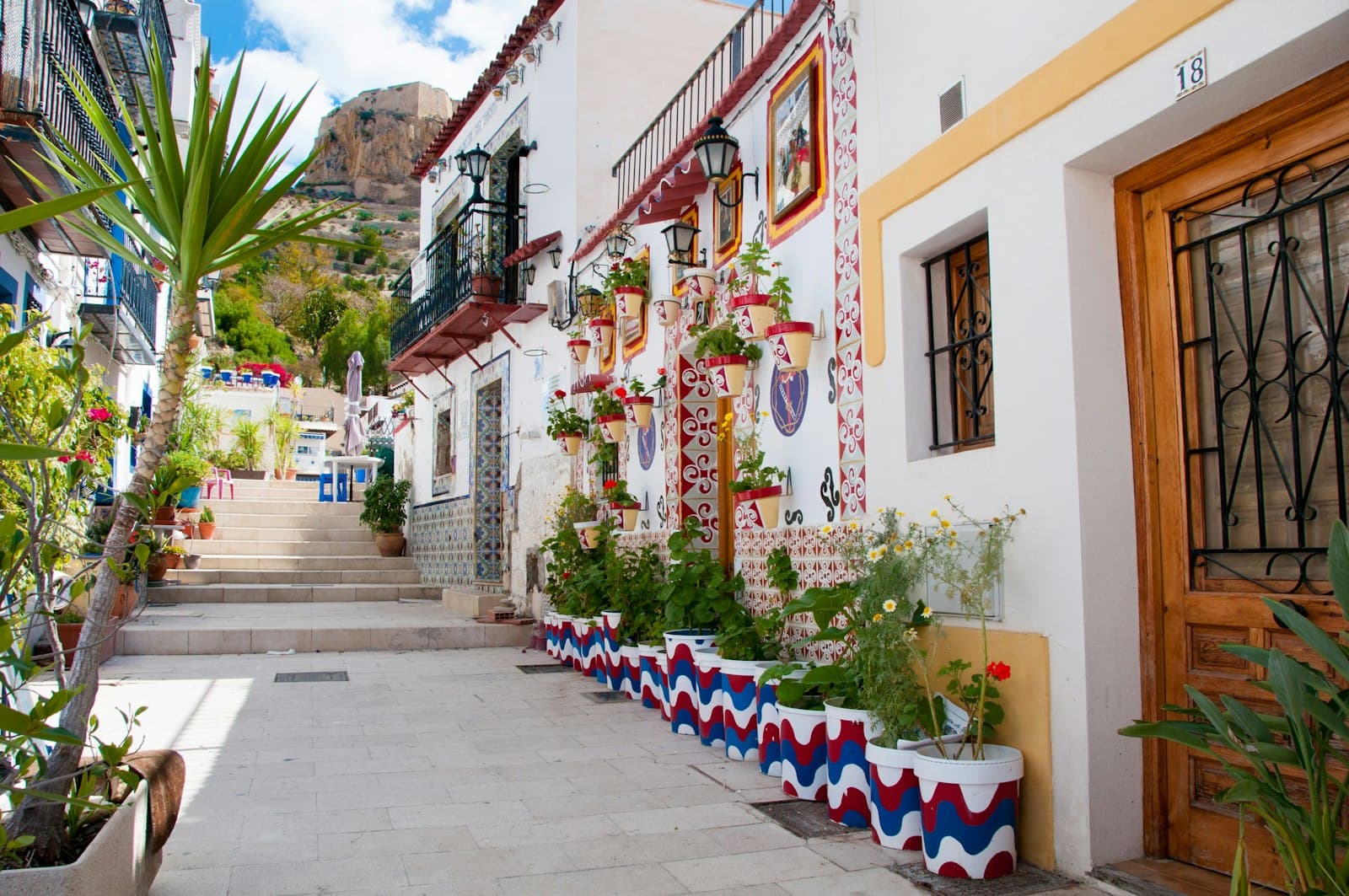 Photo: Joseph Corl / Unsplash
Tour de audio autoguiado de Frigiliana — ruta GPS a pie, reproducción offline, narración en 32 idiomas.
“Paredes encaladas, caminos bañados por el sol y una historia grabada en cada azulejo.”
No las postales. Las historias que ni los locales conocen — al oído, justo donde ocurrieron.
Frigiliana produce un edulcorante único, pero no lo hacen las abejas.
Recorre las sinuosas calles del casco antiguo y encontrarás historias grabadas en sus paredes, pero cuentan una feroz batalla, no poemas floridos.
Esta iglesia es un testimonio del pasado estratificado de Frigiliana, con un sorprendente secreto arquitectónico.
Descubre todos los secretos de Frigiliana
Cada dirección, cada revelación al completo — a tu oído, justo donde ocurrió.
Eliges tus paradas. Caminas. La voz te revela lo que los demás ignoran.


Lume incluye una guía de realidad aumentada. Levanta el móvil y su cámara muestra la calle que tienes delante, con una flecha luminosa sobre la imagen real que siempre apunta a tu próxima parada — sin mapas que descifrar, sin giros equivocados. Como todo en Lume, funciona completamente sin conexión.
Frigiliana, a menudo llamada uno de los pueblos más bonitos de España, se eleva 330 metros sobre el Mediterráneo en una exuberante ladera de Andalucía. Sus casas encaladas, adornadas con flores brillantes, crean un contraste llamativo con el cielo azul y las montañas de la Sierra de Almijara. Pasear por sus calles estrechas, sinuosas y empedradas es como retroceder en el tiempo, una sensación amplificada por el barrio morisco-mudéjar notablemente conservado del pueblo.
Este atractivo pueblo, parte de la región de la Axarquía, ofrece un escape tranquilo de las bulliciosas ciudades costeras. Aunque muchos visitantes llegan para una excursión de un día, quedarse a pasar la noche revela una faceta diferente de Frigiliana, ya que las multitudes se disipan y las calles tranquilas invitan a noches románticas y reflexivas. Es un lugar donde la historia es palpable y el ritmo relajado fomenta la exploración y la apreciación de su carácter singular.
La historia humana de Frigiliana se remonta al Neolítico tardío, alrededor del 3000 a.C., con evidencia de asentamientos primitivos en cuevas y abrigos rocosos. Más tarde, los fenicios establecieron una necrópolis alrededor del siglo VII a.C., y se han desenterrado monedas de las épocas fenicia y romana en la zona. Se cree que los romanos, que llegaron alrededor del 206 a.C., dieron a Frigiliana su nombre actual, derivado de 'Frexinius', probablemente un personaje romano, combinado con '-ana', que significa pueblo o tierra.
La llegada de los musulmanes en el 711 d.C. moldeó profundamente Frigiliana. Introdujeron sistemas avanzados de riego hidráulico y nuevos cultivos como la caña de azúcar, dejando una huella imborrable en el trazado urbano del pueblo con sus calles estrechas y empinadas. Durante siglos, Frigiliana fue parte del reino nazarí. Sin embargo, después de que los Reyes Católicos tomaran Granada en 1485, la convivencia armoniosa comenzó a desmoronarse. Las campañas represivas para la conversión cristiana, la discriminación y los fuertes impuestos llevaron a un creciente descontento entre los moriscos (conversos moros).
Esta tensión culminó en la rebelión morisca de 1568-1569. Frigiliana se convirtió en un bastión para más de 7.000 rebeldes de las regiones de la Axarquía y los Montes de Málaga, que buscaron refugio en su fortaleza. La consiguiente Batalla del Peñón de Frigiliana en mayo y junio de 1569 fue un conflicto brutal. A pesar de una feroz resistencia durante 20 días, los rebeldes moriscos fueron finalmente derrotados por las tropas cristianas. Las consecuencias fueron la expulsión de los supervivientes en 1570, con más de 7.000 moriscos muriendo en el conflicto. El pueblo fue entonces repoblado por "cristianos viejos" de otras partes de España.
Tras la expulsión, la producción de seda, una actividad económica clave, cesó. La industria de la caña de azúcar se convirtió entonces en el principal motor económico, un legado aún visible en estructuras como el Palacio de los Condes de Frigiliana, que ahora alberga la Fábrica de Miel de Caña Nuestra Señora del Carmen. El siglo XVII vio un período de estancamiento, con la población disminuyendo a apenas 100 habitantes en 1640, antes de crecer de nuevo de manera constante. En 1812, el pueblo de Frigiliana también resistió la ocupación francesa, expulsándolos con éxito después de seis meses. Hoy en día, la historia bien conservada y el carácter morisco único de Frigiliana continúan atrayendo visitantes, estableciéndola como un sitio cultural e histórico en Andalucía.
El atractivo de Frigiliana reside en sus calles laberínticas y detalles arquitectónicos. Comienza tu exploración en el barrio morisco-mudéjar, también conocido como El Barribarto. Aquí, estrechos y sinuosos callejones empedrados están flanqueados por casas encaladas, a menudo adornadas con coloridas macetas y balcones de hierro forjado. Busca las placas de cerámica dispersas por el casco antiguo; narran la historia de la rebelión morisca y la Batalla del Peñón de Frigiliana.
Visita la Iglesia de San Antonio de Padua, una iglesia del siglo XVII construida sobre el emplazamiento de una antigua mezquita, que muestra elementos arquitectónicos mudéjares. Cerca, el Palacio de los Condes de Frigiliana, también conocido como El Ingenio, es un edificio histórico importante. Alberga la única fábrica tradicional de miel de caña en Europa, Nuestra Señora del Carmen. Para disfrutar de amplias vistas del pueblo y el Mediterráneo, dirígete a El Fuerte, las ruinas del antiguo castillo árabe. El Museo Arqueológico de Frigiliana, el primero de la comarca de la Axarquía, exhibe 125 piezas desde el Neolítico hasta el siglo XVI, reflejando las culturas cristiana, morisca y judía sefardí que coexistieron aquí.
Las épocas ideales para visitar Frigiliana son primavera (abril a junio) y otoño (septiembre a noviembre). Durante estas estaciones, las temperaturas son agradables para explorar, oscilando entre 17°C y 24°C en primavera y 18°C y 28°C en otoño. La primavera trae flores silvestres a las colinas circundantes, mientras que el otoño ofrece un ambiente de cosecha. Los veranos (junio a agosto) son cálidos, con máximas diarias promedio alrededor de 30°C, y pueden ser concurridos. Los inviernos (diciembre a febrero) son suaves, con temperaturas entre 11°C y 15°C, ofreciendo una experiencia más tranquila y posibles descuentos en alojamiento.
Frigiliana se encuentra aproximadamente a 50 kilómetros al este de Málaga. Si llegas en coche, aparca en el garaje subterráneo municipal de la Plaza de las Tres Culturas; es seguro y asequible, lo que te ayudará a evitar las estrechas y empinadas calles del pueblo. Para el transporte público, toma un autobús ALSA desde el aeropuerto de Málaga hasta Nerja, luego cambia a un autobús local o taxi para el viaje de 15 minutos hasta Frigiliana. Ten en cuenta que el servicio de autobús se reduce significativamente los domingos. Las aplicaciones de viajes compartidos como Uber no son fiables debido a que los conductores cancelan por la distancia; considera descargar la aplicación PideTaxi para servicios de taxi locales con taxímetro.
Frigiliana no dispone de consigna de equipaje, por lo que si llegas temprano, guarda tus maletas en la estación de ALSA de Nerja o en la ciudad de Málaga. Aunque muchos la visitan como excursión de un día, una estancia de una noche te permite experimentar el ambiente tranquilo del pueblo después de que los autobuses turísticos se marchen. Dedica al menos 3-4 horas a explorar el casco antiguo y almorzar. La mayoría de las tiendas de souvenirs y restaurantes permanecen abiertos los domingos, aunque las tiendas de comestibles y farmacias suelen estar cerradas.
Frigiliana en coreano, en chino o en hebreo — y 29 idiomas más, cada parada narrada por una voz nativa. La mayor variedad de idiomas de cualquier audioguía autoguiada.
Disponible en: