House of Humour and Satire
Gabrovo is known as the international capital of humor, and this reputation is deeply rooted in local anecdotes about extreme thriftiness.
Full story unlocks in the tour
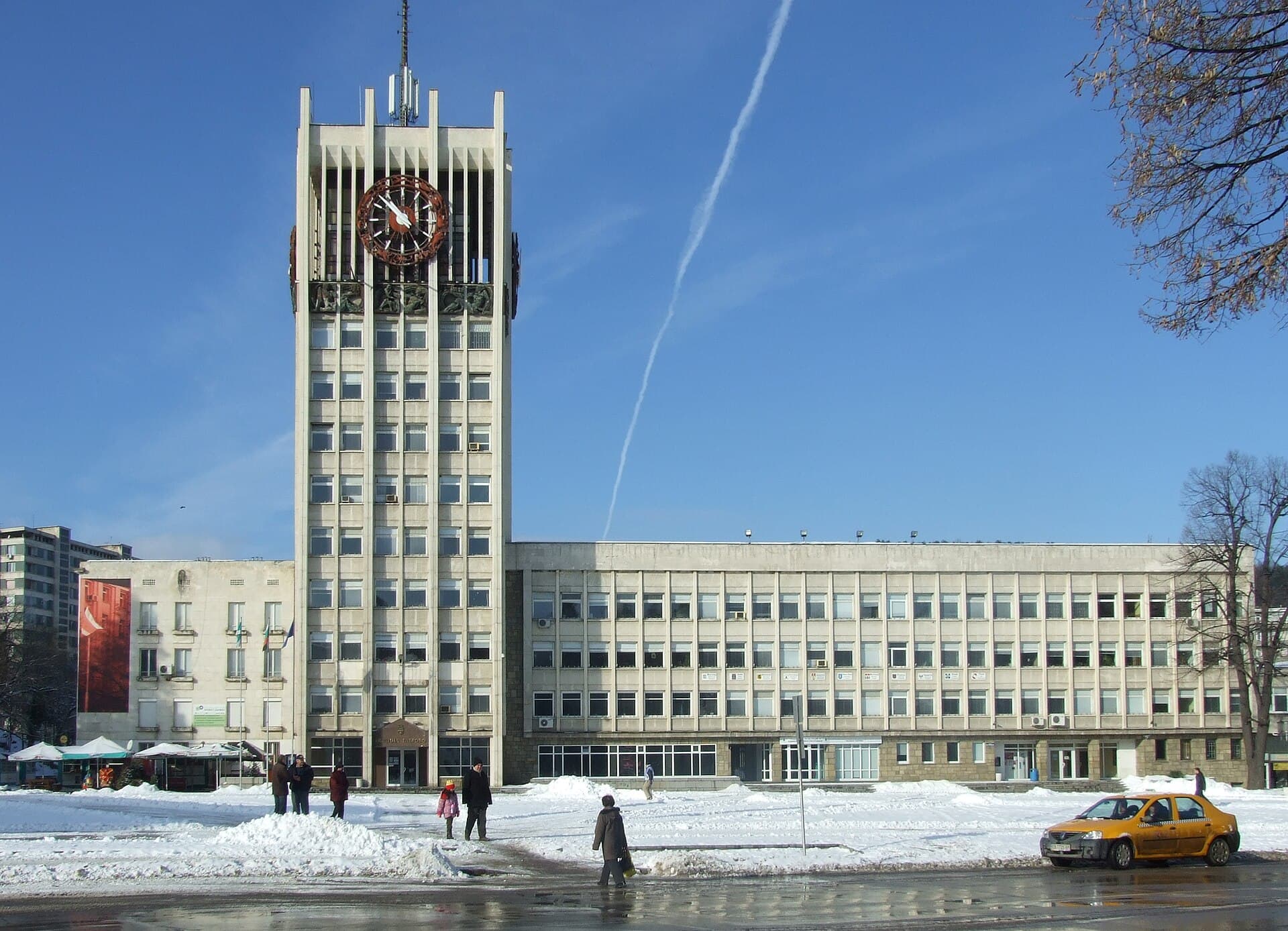 MrPanyGoff / CC BY-SA 3.0, via Wikimedia Commons
Self-guided audio walking tour of Gabrovo — GPS route, offline playback, story-driven narration in 32 languages.
“Where Balkan ingenuity meets a legendary sense of humor.”
Not the postcards. The stories even locals don't know — whispered in your ear, right where they happened.
Gabrovo is known as the international capital of humor, and this reputation is deeply rooted in local anecdotes about extreme thriftiness.
Gabrovo was once called the "Bulgarian Manchester" due to its industrial boom, but it also played a pivotal role in the Bulgarian National Revival.
Gabrovo stretches for an impressive length along the Yantra River, giving it a unique urban layout.
Discover every secret of Gabrovo
Every address, every reveal in full — in your ear, right where it happened.
You pick your stops. You walk. The voice reveals what the others miss.


Your self-guided audio tour of Gabrovo is ready — pick your landmarks, choose your language, and start the moment you arrive.
BuyLume has a built-in augmented-reality guide. Hold your phone up and its camera shows the street ahead of you, with a glowing arrow laid over the real view that always points to your next stop — no map to puzzle over, no wrong turns. Like everything in Lume, it works fully offline.
Gabrovo, positioned in the heart of Bulgaria at the foot of the Balkan Mountains, is a city that offers a distinctive blend of history, culture, and a celebrated sense of humor. Extending along the Yantra River, the city is often described as lying in the "heart" of the country, not just geographically but also for its historical role as a center of productivity and ingenuity. Known internationally as the Capital of Humor, Gabrovo embraces a unique, self-ironic wit that reflects the resourcefulness of its people.
Beyond the laughter, Gabrovo is a UNESCO Creative City of Crafts and Folk Arts, a testament to its enduring traditions and skilled artisans. Visitors can explore a range of cultural institutions, from open-air ethnographic museums showcasing 18th and 19th-century life to interactive museums detailing the region's industrial past. The surrounding Bulgarka Nature Park provides a natural counterpoint to the urban landscape, offering opportunities for outdoor activities amidst beech forests and mountain trails.
The origins of Gabrovo are rooted in legend, said to have been founded in the mid-15th century by an itinerant blacksmith who settled by a hornbeam tree (gabur in Bulgarian). The advantageous location along the Yantra River, with its dense forests and soft mountains, provided abundant resources for production. Early craftsmen utilized the river for power, producing knives, metal tools, turnery, textiles, and furriery that became widely known.
Gabrovo's economic importance grew significantly after Veliko Tarnovo became the capital of the Second Bulgarian Empire in the 12th century, benefiting from its proximity to both the capital and the Balkan passes. During the Ottoman conquest, Gabrovo became a refuge for Bulgarians fleeing other areas, further increasing its population and importance. The local inhabitants, known for their open-mindedness and skill, were tasked with protecting the Shipka Pass, enjoying privileges such as reduced taxes and land ownership.
The 18th and 19th centuries saw the emergence of the "Gabrovets" character—a quick, resourceful, and witty mountaineer renowned for making something out of nothing, a trait born from hardship. This period also marked the Bulgarian National Revival, with Gabrovo playing a crucial role. In 1835, the first secular school in Bulgaria, the Aprilov National High School, was established here, setting a precedent for education across the country. By the late 19th and early 20th centuries, Gabrovo transformed into a leading industrial center, earning the moniker "Bulgarian Manchester" due to its thriving textile, carpet, and clothing industries. This industrial boom was fueled by the ingenuity and hard work of its people, who harnessed the Yantra River's currents to power mills and grindstones. Following the fall of communism, Gabrovo has reinvented itself, shifting from a heavy industrial focus to a popular tourist destination, emphasizing its cultural heritage, crafts, and unique sense of humor.
Begin your exploration at the House of Humour and Satire, a museum and art gallery dedicated to the city's celebrated wit. It houses an extensive collection of cartoons, photographs, paintings, and sculptures from around the world, all under the motto, "The world lasts because it laughs." The surrounding Park of Laughter features sculptures of humorous characters, including Charlie Chaplin and the local trickster Hitar Petar.
Step back in time at the Etar Architectural-Ethnographic Complex, an open-air museum located about 8 kilometers from the city center. This living museum showcases Bulgarian crafts, architecture, and daily life from the 18th and 19th centuries, with working workshops where you can observe blacksmiths, potters, and woodcarvers using traditional techniques.
For a glimpse into Gabrovo's educational heritage, visit the National Museum of Education, housed within the historic Aprilov National High School. The Interactive Museum of Industry offers a journey through Bulgaria's industrial age, socialism, and present times with engaging exhibits. Do not miss the Regional History Museum, which holds artifacts from the Paleolithic era to the present day.
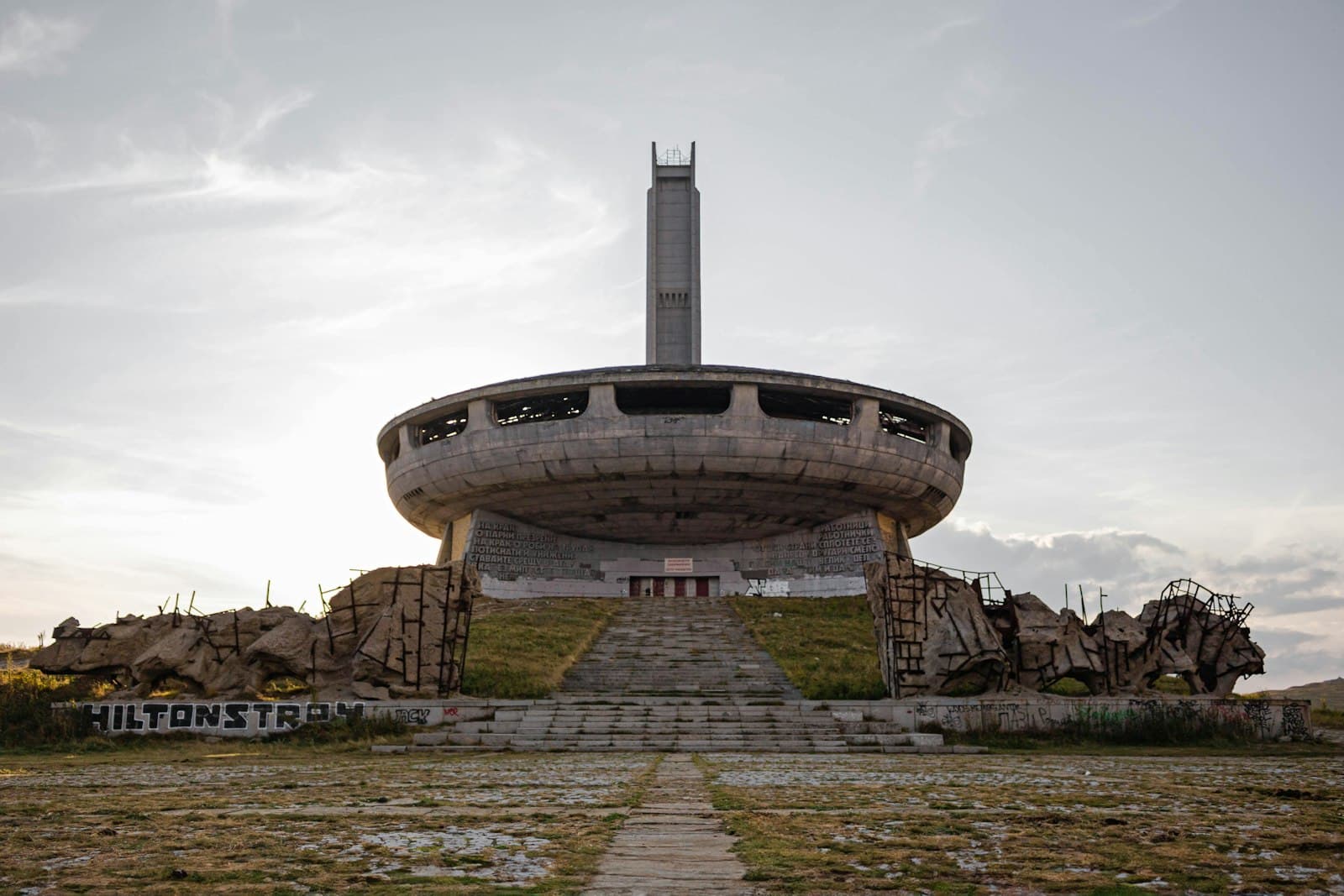
Beyond the city, the Sokolski Monastery, founded in 1833, offers a serene escape within Bulgarka Nature Park. The Buzludzha Monument, a striking architectural relic, is also accessible for a day trip.
Gabrovo experiences a continental climate with hot summers and cold, snowy winters, due to its location at the foot of the Balkan Mountains. The shoulder seasons of spring (April-May) and early autumn (September-October) generally offer pleasant temperatures for exploring the city's outdoor attractions and surrounding nature. Spring is brief, primarily in April.
For winter sports enthusiasts, the nearby Uzana area provides ski runs from December to March. The city also hosts various international fairs and festivals, including the International Festival of Humor and Satire, typically held in May, which brings masked performers and folk music to the streets.
Gabrovo is centrally located in Bulgaria, approximately 220 kilometers northeast of Sofia. The most convenient way to reach Gabrovo from major Bulgarian cities like Sofia, Plovdiv, or Varna is by bus, with daily connections available. Renting a car is also a good option, especially for exploring the surrounding towns and natural parks. The city itself has an internal bus system connecting all neighborhoods.
Accommodation options in Gabrovo include hotels and guesthouses, many built in an authentic, rustic style. While exploring, note that many museums may close for lunch, so plan your visits accordingly. The local currency is the Bulgarian Lev (BGN).
Gabrovo in Korean, in Chinese or in Hebrew — and 29 more languages, every stop narrated by a native voice. The widest language range of any self-guided audio tour.
Available in: