La Iglesia de San Pedro Mártir de Verona
Esta iglesia del siglo XVIII, con su distintiva torre octogonal, guarda un secreto ardiente de su pasado.
La historia completa se desbloquea en el tour
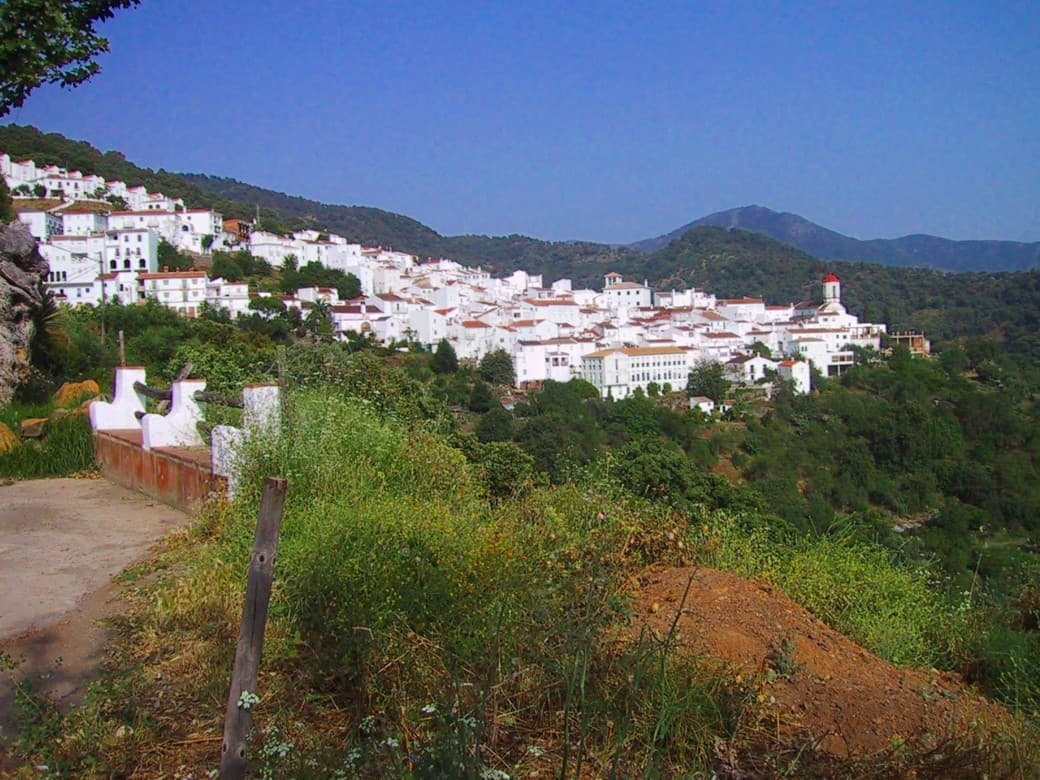 Caminador / CC BY-SA 3.0, via Wikimedia Commons
Tour de audio autoguiado de Genalguacil — ruta GPS a pie, reproducción offline, narración en 32 idiomas.
“Donde las raíces antiguas se encuentran con lienzos contemporáneos, un pueblo renacido a través del arte.”
No las postales. Las historias que ni los locales conocen — al oído, justo donde ocurrieron.
Esta iglesia del siglo XVIII, con su distintiva torre octogonal, guarda un secreto ardiente de su pasado.
Más allá de las paredes encaladas, una sorprendente transformación ocurre cada dos años, convirtiendo el pueblo en una galería en constante evolución.
El nombre del pueblo, profundamente arraigado en sus orígenes árabes, insinúa un pasado de exuberante abundancia y residentes de alto rango.
Descubre todos los secretos de Genalguacil
Cada dirección, cada revelación al completo — a tu oído, justo donde ocurrió.
Eliges tus paradas. Caminas. La voz te revela lo que los demás ignoran.

Tu tour de audioguía por Genalguacil te espera — elige tus lugares, tu idioma y empieza al llegar.
ComprarLume incluye una guía de realidad aumentada. Levanta el móvil y su cámara muestra la calle que tienes delante, con una flecha luminosa sobre la imagen real que siempre apunta a tu próxima parada — sin mapas que descifrar, sin giros equivocados. Como todo en Lume, funciona completamente sin conexión.
Genalguacil, un cautivador 'pueblo blanco' en el corazón del Valle del Genal en Andalucía, ofrece una mezcla singular de encanto tradicional español y arte contemporáneo. Este pequeño pueblo, con sus casas encaladas y calles sinuosas, se asienta en medio de un denso bosque de castaños, alcornoques y robles. Su elevación a 500 metros sobre el nivel del mar proporciona amplias vistas de las montañas circundantes de la Serranía de Ronda y, en días claros, incluso la costa africana y el Peñón de Gibraltar.
Lo que realmente distingue a Genalguacil es su identidad como un museo viviente y respirante al aire libre. Cada dos años, el pueblo acoge los 'Encuentros de Arte', un evento artístico internacional donde los artistas crean obras que se convierten en parte permanente del paisaje del pueblo. Esta iniciativa ha transformado Genalguacil en un destino cultural, donde el arte no se limita a las galerías, sino que se entrelaza con la vida diaria de sus residentes y el propio tejido de sus calles.
Más allá de su atractivo artístico, Genalguacil es un santuario para los amantes de la naturaleza. Más del 90% de su superficie está cubierta de bosques, ofreciendo una gran cantidad de rutas de senderismo a través del Paraje Natural Los Reales de Sierra Bermeja. Esta región es hogar de pinsapos, alcornoques y robles, y es una Zona de Especial Protección para las Aves, donde se pueden observar águilas reales, búhos y halcones peregrinos.
La historia de Genalguacil se remonta a tiempos antiguos, con evidencia arqueológica que sugiere la presencia de fenicios y griegos en la zona. La región también experimentó la minería de oro, plata y cobre en la antigüedad, con antiguos restos mineros en Los Morteretes sirviendo como recordatorio de este pasado industrial.
El pueblo tal como se conoce hoy fue establecido por los árabes, quienes lo llamaron 'Genna-Alwacir', que significa 'jardines del visir'. Este nombre insinúa las tierras fértiles y quizás una residencia significativa para un funcionario de alto rango durante el dominio morisco. La influencia de la cultura árabe sigue siendo evidente en las estrechas y sinuosas calles del pueblo y en su arquitectura tradicional.
Después de que los Reyes Católicos reconquistaron la región, Genalguacil pasó a formar parte de la propiedad del Duque de Arcos. A los habitantes árabes, conocidos como mudéjares, se les permitió inicialmente permanecer y practicar su religión a cambio de tributo. Sin embargo, un levantamiento morisco en el siglo XVI llevó a su expulsión, y cristianos viejos de otros pueblos fueron traídos para repoblar Genalguacil. En 1570, durante esta rebelión, la Iglesia original de San Pedro Mártir de Verona del siglo XVI fue incendiada.
Durante siglos, Genalguacil siguió siendo un pueblo tranquilo y tradicional. Sin embargo, frente a una población envejecida y la amenaza de despoblación en la década de 1990, surgió una idea transformadora. El entonces alcalde, Fernando Centeno López, concibió la idea de abrir el pueblo a los artistas. Esto llevó a la creación de los 'Encuentros de Arte del Valle del Genal' en 1994.
Inicialmente un evento anual, los Encuentros de Arte se convirtieron en una celebración bienal en 1996, teniendo lugar durante las dos primeras semanas de agosto en los años pares. Artistas de todo el mundo son invitados a vivir y trabajar en el pueblo, creando piezas que luego se exhiben permanentemente en las calles, plazas y espacios públicos, así como en el Museo Municipal. A cambio de sus contribuciones, la autoridad local proporciona alojamiento, comida y materiales. Este enfoque innovador le ha valido a Genalguacil el título de 'Pueblo Museo', transformándolo en una galería al aire libre y un referente cultural.
Genalguacil es un pueblo diseñado para la exploración a pie, permitiendo descubrimientos en cada esquina. La atracción principal es el propio pueblo, funcionando como un museo al aire libre. Pasea por sus estrechas calles empedradas para encontrar una diversa colección de esculturas, murales e instalaciones integradas en la arquitectura y el entorno natural.
El Museo de Arte Contemporáneo 'Fernando Centeno López' es el corazón del proyecto 'Pueblo Museo'. Inaugurado en 2004, alberga obras creadas durante los Encuentros de Arte que no son adecuadas para la exhibición al aire libre, junto con una colección permanente y exposiciones itinerantes. El museo proporciona contexto para el arte que se encuentra en todo el pueblo, y su terraza ofrece vistas del pueblo y el Valle del Genal.
La Iglesia de San Pedro Mártir de Verona, originalmente del siglo XVI y reconstruida en el siglo XVIII, es un notable hito arquitectónico. Su estilo barroco con influencias mozárabes y su distintiva torre exterior octogonal la convierten en un punto de interés.
Más allá del arte, el entorno natural ofrece oportunidades para la exploración. El Paraje Natural Los Reales de Sierra Bermeja ofrece rutas de senderismo a través de bosques de pinsapos, alcornoques y robles. El pueblo también forma parte de la Gran Senda de Málaga, con rutas que conectan con pueblos vecinos como Jubrique.
Genalguacil ofrece una experiencia agradable durante abril, mayo, junio, julio, septiembre y octubre, cuando las temperaturas son agradables, oscilando entre 19°C y 30°C. Julio es el mes más seco, mientras que diciembre registra la mayor cantidad de precipitaciones. Si deseas presenciar la creación de arte de primera mano, planifica tu visita para las dos primeras semanas de agosto en un año par, cuando tienen lugar los 'Encuentros de Arte'.
Se recomienda acceder a Genalguacil en coche debido a las limitadas conexiones de transporte público. Desde el Aeropuerto de Málaga, toma la autopista AP-7 en dirección a Algeciras, luego la salida 157 hacia A-377/Manilva/Casares. Continúa por la A-377 durante unos 44 km para llegar a Genalguacil. El trayecto implica carreteras de montaña sinuosas, que pueden tardar aproximadamente una hora desde Estepona.
Las opciones de alojamiento en Genalguacil son limitadas, consistiendo principalmente en Casas Rurales y algunos hoteles como La Posada del Recovero. Muchos visitantes optan por hacer una excursión de un día. Para comer, las especialidades locales incluyen sopas de tomate, gazpacho caliente, setas con huevos revueltos y salmorejo con carne. Restaurantes como El Patio Cocina Vegana y Restaurante El Refugio ofrecen cocina local. También hay un par de supermercados en el pueblo para lo esencial.
Genalguacil en coreano, en chino o en hebreo — y 29 idiomas más, cada parada narrada por una voz nativa. La mayor variedad de idiomas de cualquier audioguía autoguiada.
Disponible en: