El nombre de Gig Harbor
La historia cuenta que Gig Harbor fue nombrado en honor a un pequeño bote, pero el relato completo revela un capitán en apuros y la elección de un cartógrafo.
La historia completa se desbloquea en el tour
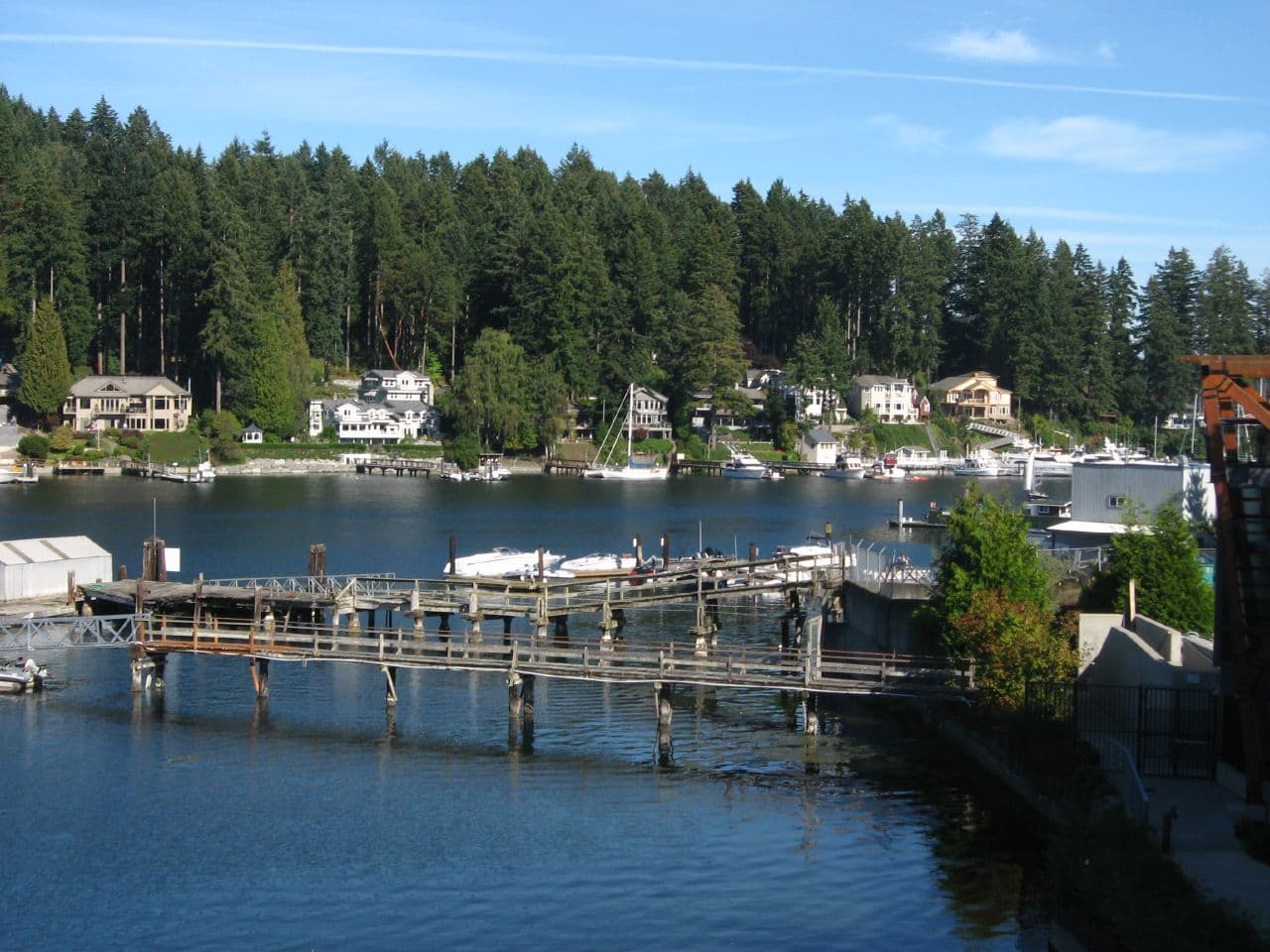 Ken Lund from Reno, NV, USA / CC BY-SA 2.0, via Wikimedia Commons
Tour de audio autoguiado de Gig Harbor — ruta GPS a pie, reproducción offline, narración en 32 idiomas.
“Donde el alma marítima del Pacífico Noroeste encuentra su tranquilo puerto.”
No las postales. Las historias que ni los locales conocen — al oído, justo donde ocurrieron.
La historia cuenta que Gig Harbor fue nombrado en honor a un pequeño bote, pero el relato completo revela un capitán en apuros y la elección de un cartógrafo.
Antes del asentamiento europeo, existía una próspera comunidad en la desembocadura del puerto, con una estructura significativa que permaneció durante décadas después de la llegada de los colonos.
Una familia local revolucionó la pesca a principios del siglo XX, pero su innovación inicial tuvo una limitación inesperada.
Descubre todos los secretos de Gig Harbor
Cada dirección, cada revelación al completo — a tu oído, justo donde ocurrió.
Eliges tus paradas. Caminas. La voz te revela lo que los demás ignoran.

Tu tour de audioguía por Gig Harbor te espera — elige tus lugares, tu idioma y empieza al llegar.
ComprarGig Harbor, Washington, es una ciudad situada en Puget Sound, profundamente conectada con su herencia marítima. Conocida como 'la Ciudad Marítima', ofrece una encantadora escapada con un muelle histórico, una animada escena artística y acceso directo al esplendor natural del Pacífico Noroeste. La pintoresca bahía de la ciudad, que comparte su nombre, invita a pasear en bote, navegar y a la tranquila contemplación en sus serenas aguas.
Con una población de poco más de 12,000 habitantes, Gig Harbor conserva una atmósfera de pueblo pequeño al tiempo que ofrece una gran cantidad de actividades para los visitantes. Desde pasear por Harborview Drive, bordeada de boutiques y restaurantes, hasta explorar parques estatales y sumergirse en la historia local, Gig Harbor presenta una mezcla equilibrada de relajación y aventura. Sirve como un destino popular, una puerta de entrada a la Península Olímpica.
## Raíces Indígenas y Llegada Europea La historia de Gig Harbor comienza mucho antes del asentamiento europeo, como la tierra tradicional de los S'Homamish o Homamish, una banda ancestral de la moderna Tribu Puyallup. Conocían la zona como txʷaalqəɬ, que significa 'lugar donde existe la caza', y mantuvieron un asentamiento significativo en la desembocadura del puerto, incluyendo una gran casa larga que permaneció hasta 1915.
El primer contacto europeo registrado ocurrió en 1840 cuando el Capitán Charles Wilkes, un oficial naval estadounidense, buscó refugio de una fuerte tormenta en la bahía protegida con su 'gig' (bote pequeño del capitán). Posteriormente, nombró la bahía 'Gig Harbor' en su mapa de 1841 del Territorio de Oregón.
## Un Centro de Pesca y Madera Para 1867, pescadores, incluido Samuel Jerisich, comenzaron a establecerse en el área de Gig Harbor, a los que se unió una ola de inmigrantes de Suecia, Noruega y Croacia. Estos primeros colonos establecieron un pueblo pesquero activo, y la ciudad fue formalmente trazada en 1888 por Alfred M. Burnham.
A principios de siglo, Gig Harbor floreció como un centro tanto para la pesca comercial como para las industrias madereras. Las abundantes aguas de Puget Sound proporcionaron una gran cantidad de salmón, fletán y bacalao, mientras que los bosques circundantes alimentaron una industria maderera. Gig Harbor se convirtió en un centro vital para el procesamiento y envío de madera, con aserraderos e instalaciones de procesamiento de madera que contribuyeron significativamente a su crecimiento.
## El Puente y el Crecimiento Moderno El transporte hacia y desde Gig Harbor fue inicialmente facilitado por la 'Flota de Mosquitos' de vapores. Para los automóviles, el viaje a Tacoma era una ruta larga e indirecta hasta que la Washington Navigation Company introdujo un servicio de ferry en 1927. El primer Puente Tacoma Narrows, completado en julio de 1940, mejoró drásticamente el acceso, pero se derrumbó famosamente solo meses después. El servicio de ferry fue restaurado hasta que el moderno puente en dirección oeste abrió en 1950, transformando Gig Harbor en una comunidad dormitorio para los trabajadores de Tacoma.
Gig Harbor se incorporó oficialmente como pueblo el 12 de julio de 1946, después de que un intento anterior fracasara por un estrecho margen. Fue reincorporada como ciudad en 1981. La construcción de un tercer puente en 2007 amplió aún más la Ruta Estatal 16, acomodando el tráfico en dirección este. Hoy, Gig Harbor, con una población de 12,029 habitantes según el censo de 2020, continúa honrando sus raíces marítimas mientras abraza su papel como un destino popular.
Comience su exploración a lo largo de Harborview Drive, el corazón del muelle de Gig Harbor. Aquí, puede pasear por atractivas boutiques, galerías de arte y restaurantes frente al mar, muchos de ellos con terrazas directamente sobre el agua. Para una inmersión más profunda en el pasado de la ciudad, visite el Harbor History Museum, que exhibe la herencia marítima de Gig Harbor a través de exposiciones, artefactos e incluso una histórica escuela de una sola habitación. También puede ver una réplica del bote largo Porpoise, construido para el Centenario de Washington, en el museo.
Para experimentar verdaderamente la 'Ciudad Marítima', aventúrese en el agua. Hay alquiler de kayaks disponibles, o puede optar por un tour estacional en góndola para ver el puerto desde una perspectiva única. Para disfrutar de vistas panorámicas y actividades al aire libre, diríjase al Parque Estatal Kopachuck, a unas siete millas al noroeste del centro. Ofrece una playa de agua salada, senderos para caminatas a través de exuberantes bosques y vistas de Puget Sound y las Montañas Olímpicas. El sendero Cushman ofrece un camino de 6.2 millas a través de pintorescos bosques con vistas a la ciudad. No se pierda los icónicos Netsheds de Gig Harbor, estructuras históricas que representan el legado pesquero de la ciudad. Para una experiencia culinaria única, el Tides Tavern ha estado sirviendo mariscos en el muelle desde 1946.
La mejor época para visitar Gig Harbor para actividades de clima cálido es de mediados de julio a finales de agosto, cuando las temperaturas promedio oscilan entre 65°F y 80°F (18°C y 27°C). Los cielos están más despejados en julio, lo que lo hace ideal para disfrutar del muelle y las actividades al aire libre. Desde finales de mayo hasta septiembre también ofrece un clima agradable, con los restaurantes frente al mar abriendo sus terrazas y una mayor actividad en el puerto. Si bien los fines de semana de verano pueden estar concurridos, llegar antes de las 10 AM los sábados de julio y agosto puede ayudarlo a encontrar estacionamiento frente al mar y disfrutar de una experiencia más tranquila.
Gig Harbor se encuentra a lo largo de la Ruta Estatal 16, aproximadamente a 6 millas de la Interestatal 5, accesible a través del Puente Tacoma Narrows. El peaje del puente se cobra electrónicamente (solo en dirección oeste, saliendo de Gig Harbor) a través de un pase Good To Go o una factura enviada por correo. Si vuela, el Aeropuerto de Seattle/Tacoma (SEA) está a unas 15 millas de distancia. El estacionamiento en la calle a lo largo de Harborview Drive puede llenarse rápidamente los fines de semana de verano; considere las áreas de estacionamiento público fuera de Rosedale Street o el estacionamiento gratuito en el distrito comercial de Uptown Gig Harbor con un corto viaje en autobús al muelle.
Para provisiones locales, el centro ofrece The Harbor General Store y Finholm's Market, mientras que supermercados más grandes como Costco, Target, Fred Meyer y Safeway están disponibles en Gig Harbor North y Uptown. Si bien Gig Harbor es un pueblo más tranquilo sin una vida nocturna extensa, algunos restaurantes y bares están abiertos hasta la medianoche. Para opciones nocturnas más animadas, Tacoma está a poca distancia en coche. El Centro de Información para Visitantes de Gig Harbor se encuentra en 3125 Judson Street.
Gig Harbor en coreano, en chino o en hebreo — y 29 idiomas más, cada parada narrada por una voz nativa. La mayor variedad de idiomas de cualquier audioguía autoguiada.
Disponible en: